A District by District Guide to Tokyo
Tokyo is a set of distinct neighbourhoods stitched together by rail. This guide breaks down the districts and how to plan your days around them.
- Flag
-
- ISO code
- JP
- Population
- 13,960,000
- Currency
- JPY
- Timezone
- Asia/Tokyo
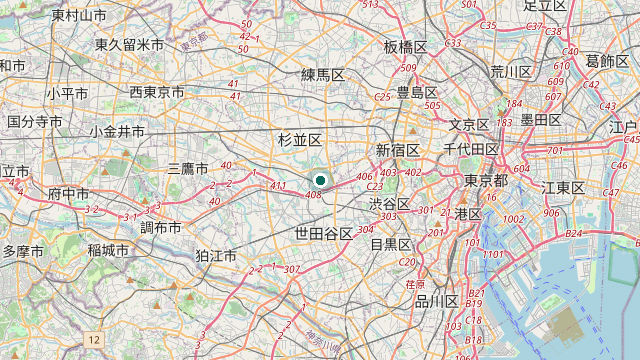
Tokyo Has No Centre
Tokyo does not have a city centre. It has six major rail terminals that function as city centres: Shinjuku, Shibuya, Ikebukuro, Tokyo, Ueno, and Shinagawa. Each one is the heart of a distinct village. The only way between them is the rail network. First-time visitors who treat the capital like a single downtown burn half their trip underground, trudging through kilometre-long concourses and swapping platforms while the clock runs out.
The city covers 2,194 km². The 23 special wards alone span 627 km². No one walks this. You ride trains. Build your day around districts, not sights. Choose two districts per day maximum. You will feel the rhythm of each one. Choose three or four and you will remember only the inside of Shinjuku terminal and the ache in your feet.
- Metro System: 13 lines (Toei Subway + Tokyo Metro), plus JR East, plus private railways; rechargeable Suica or PASMO IC card required
- Minimum Days: 5 full days for a first visit that includes a day trip; 4 full days if you stay inside the core centres
- Peak Season: Late March to early April (cherry blossoms); late November (autumn foliage). Avoid Golden Week (late April, early May) and mid-August (humidity).
- Arrival Time: Narita (NRT): 55, 70 min by Keisei Skyliner (~¥2,570) or Narita Express (~¥3,250). Haneda (HND): 25, 40 min by Keikyu Line (~¥330) or Tokyo Monorail (~¥520).
- Daily Walking: 15,000, 25,000 steps per day when covering multiple districts
- Station Stats: Shinjuku: 3.5 million passengers/day, 36 platforms, over 200 exits. Shibuya: 3.0 million/day. Tokyo: 450,000/day (JR East only).
The Rail is the Map
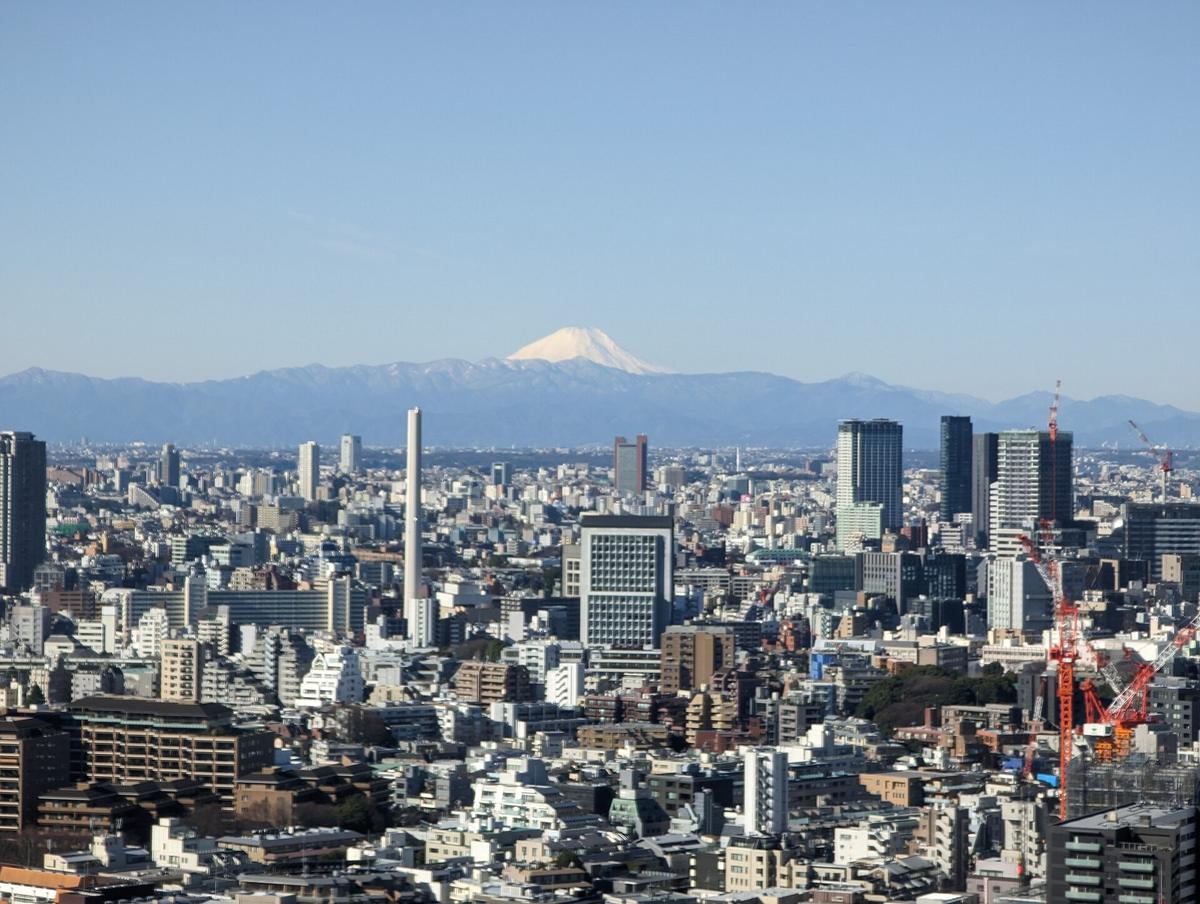
The JR Yamanote Line loops 34.5 km through 30 stops in about 60 minutes. That loop is your mental map of central Tokyo. Every major district sits on it or one stop off it. The line connects Shinjuku, Shibuya, Harajuku, Ueno, Akihabara, and Tokyo terminal in one continuous chain. Learn the loop and you have unlocked the city.
Master the Multi-Company Hub
What trips visitors up: the hubs are multi-company mazes. Exiting through the wrong gate invalidates your transfer ticket and forces a fare recalculation at a staffed window. Check which exit number you need before you leave the platform. The transfer time for Shinjuku, Tokyo, or Shibuya is 7 to 15 minutes. A journey that looks like three stops on a map can take 25 minutes from platform to street.
Your Digital Toolkit
Add your Suica or PASMO card to your phone wallet before you arrive. The deposit is ¥500. Minimum top-up is ¥1,000. The system works across all operators. Pocket WiFi rental beats eSIMs for consistent speed on underground sections. Download the Japan Official Travel App for floor maps that work offline.
Build Your Day Around a Single District
The trains run fast but navigating the terminals eats time. Covering Shibuya, Shinjuku, Harajuku, Asakusa, Akihabara, and Roppongi in two days is the most common mistake. Pick two areas per day. Spend the morning in one, have lunch there, move to the second in the afternoon, and stay for dinner. That cadence lets you walk the backstreets instead of the corridors.
Shinjuku alone sees 3.5 million passengers daily and has over 200 exits. Want Golden Gai? Exit through the East Gate and cross the rail bridge. Want the skyscraper views? Exit through the West Gate and walk to the Tokyo Metropolitan Government Building. It is free and requires no booking. Understand which district gives you what, and you stop wasting time underground.
| District | Best For | Key Landmark | Train From Shinjuku |
|---|---|---|---|
| Shinjuku | Chaotic energy, skyscrapers, tiny bars | Golden Gai (200+ micro bars) | N/A |
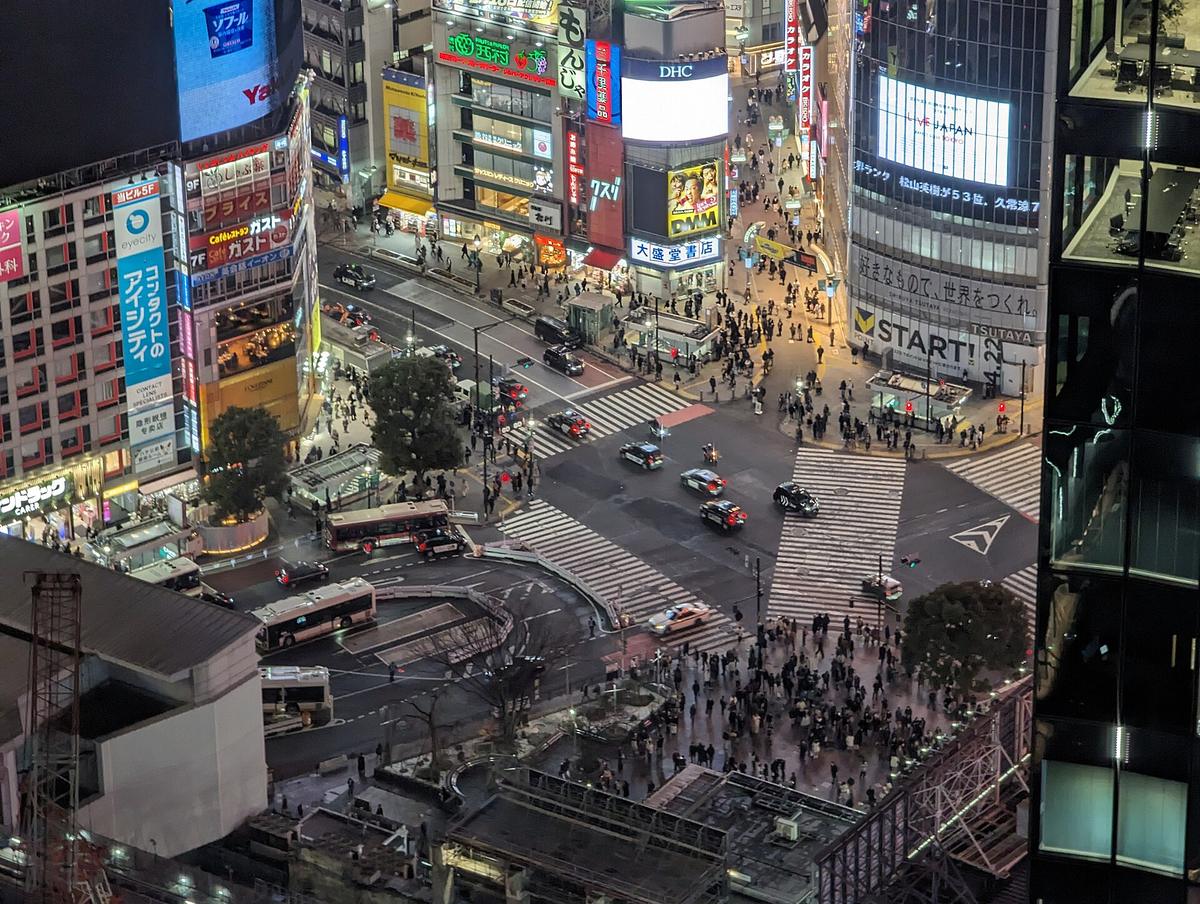
| Shibuya | Youth culture, scramble crossing, constant construction | Shibuya Scramble | 3.4 km, 7 min (JR Yamanote) |
| Asakusa | Old-town feel, Senso-ji temple | Senso-ji | 9 km, 30–40 min (Asakusa Line + JR) |
| Ueno | Museums in a park, budget shopping | Ueno Park | 9 km, 30 min (JR Yamanote) |
| Ginza | Luxury shopping, wide boulevards | Tsukiji Outer Market | 5 km, 15 min (JR + Marunouchi Line) |
| Roppongi | International nightlife, art museums | teamLab Borderless | 5 km, 10 min (Oedo Line) |
| Akihabara | Anime, electronics, maid cafes | Electric Town | 7 km, 15 min (JR Yamanote) |


The Joy of the Mundane and the Friction You Must Accept
The real magic of Tokyo is not the neon. It is the convenience store egg salad sandwich at 2:00 AM, eaten on a silent backstreet. It is the depachika basement food hall at Isetan Shinjuku, where you graze on single pieces of handmade tofu and grilled eel packaged like jewellery. It is the vending machine selling hot coffee at 120 yen. Tokyo rewards attention to the ordinary.
The Friction Is Real
Public trash cans are virtually non-existent. You carry your rubbish to the next convenience store. Many ATMs reject foreign cards outside 7-Eleven, Japan Post, or FamilyMart. Restaurant reservations are mandatory post-pandemic, and walk-in refusals happen even when empty seats are visible. Google Maps is essential but fails at vertical navigation inside multi-floor malls. Carry cash for small temples, shrines, local markets, and the busiest ticket machines. Tip nothing. Tipping is not practised.
When The City Is Closed
New Year (December 29 to January 3) shuts many independent restaurants and shops. Golden Week (late April to early May) clogs every train and road with domestic tourists. Mid-August brings oppressive humidity that makes 25,000 steps feel punishing. Visit in late March for cherry blossoms or late November for autumn foliage. Book everything three months ahead.
Where To Eat Without A Plan
Every district has a depachika. Head to Isetan Shinjuku or Mitsukoshi Nihonbashi for basement food halls that function as edible museums. For a sit-down meal that does not require a reservation, look for counter-only ramen shops on side streets. A typical bowl costs ¥800 to ¥1,200. Avoid the chains near major exits. Walk two blocks away and prices drop, quality rises. For late-night solo eating, Golden Gai bars serve small plates. You pay for the intimacy of six seats.
Who This City Suits and Who Should Skip it
Tokyo suits solo explorers who thrive on anonymity. It suits food-obsessed travellers who plan trips around specific meals. It suits pop-culture and design enthusiasts who want to see where the trends start. It suits efficiency nerds who appreciate a system that moves 3.5 million people through one hub without a fight. It suits repeat visitors who have cleared the checklist and want the rhythm instead.
Tokyo does not suit travellers who want a compact, walkable old town. There is one, Asakusa, but it is 4 km from the next district and the train is your only practical bridge. It does not suit shoestring backpackers who expect dirt-cheap hostels and street food. A ramen bowl costs ¥1,000. A taxi starts at ¥500 with a 20% surcharge after 22:00. It does not suit people who find crowds and underground mazes anxiety-inducing rather than energising. Shinjuku alone hits 3.5 million people a day. That is not a bug. It is the feature.
Common Questions
How many days do I need for a first visit to Tokyo?
5 full days. That gives you time to cover the core centres and take one day trip to Kamakura, Nikko, or Kawaguchiko. With 4 days you can hit the six core districts but miss a day trip.
Which IC card do I buy, Suica or PASMO?
Either. They are fully interoperable across Tokyo's rail, subway, and bus networks. Add one to your phone wallet before you travel. The deposit is ¥500, minimum top-up is ¥1,000.
What is the one thing that trips up first-time visitors?
Station exits. Major hubs are multi-company mazes; exiting through the wrong gate invalidates your transfer ticket and forces a fare recalculation at a staffed window. Check your exit number before you leave the platform.
Can I pay by credit card everywhere?
No. Many small restaurants, bars, temples, shrines, local markets, and some ticket machines are cash only. This is true in older districts like Asakusa, Yanaka, and Golden Gai. ATMs that reliably accept foreign cards are at 7-Eleven, Japan Post, and FamilyMart.
Is the JR Pass worth it for Tokyo only?
Almost certainly not. Tokyo's subway and private railways cover the districts better than JR East. The JR Yamanote Loop is useful, but a Suica card costs less than a pass for a city-only trip. This question belongs on the Japan getting-around page.
What do I do about trash?
Carry a small bag with you at all times. Public bins are virtually non-existent. Dispose of your rubbish at a convenience store (7-Eleven, FamilyMart, or Lawson) where bins are located near the entrance or behind the counter.
Should I book restaurants in advance?
Yes. Many restaurants require reservations post-pandemic, and walk-in refusals are common even when you see empty seats. Book at least a week ahead for popular places, for ramen counters with Michelin stars, high-end tempura omakase, or any specialty shop with fewer than 10 seats.
Read next
-
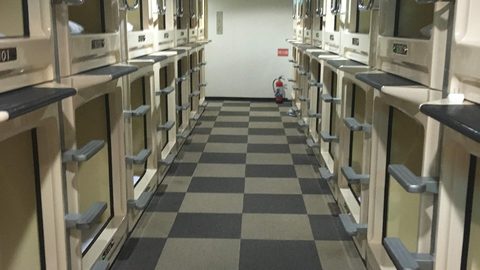 Tokyo Hotels by Type and Budget from Capsules to Luxury
Tokyo hotels organised by type and price band, from efficient capsule pods to full-service luxury towers, to help you book the right room.
Tokyo Hotels by Type and Budget from Capsules to Luxury
Tokyo hotels organised by type and price band, from efficient capsule pods to full-service luxury towers, to help you book the right room.
-
 Where to Stay in Tokyo by District and Travel Style
A comparison of Tokyo's major districts to help you choose the right base for your travel style, whether you want calm or chaos.
Where to Stay in Tokyo by District and Travel Style
A comparison of Tokyo's major districts to help you choose the right base for your travel style, whether you want calm or chaos.
-
 Narita or Haneda for Tokyo and What That Airport Choice Costs You
Narita or Haneda for Tokyo: compare door-to-district time, transfer cost, and what the wrong airport choice eats from your trip.
Narita or Haneda for Tokyo and What That Airport Choice Costs You
Narita or Haneda for Tokyo: compare door-to-district time, transfer cost, and what the wrong airport choice eats from your trip.
-
 Things to Do in Tokyo That Are Worth Your Limited Days
A curated list of Tokyo's highest-impact sights and experiences, from immersive art to quiet backstreets, to help you prioritise your days.
Things to Do in Tokyo That Are Worth Your Limited Days
A curated list of Tokyo's highest-impact sights and experiences, from immersive art to quiet backstreets, to help you prioritise your days.
-
 Best Time to Visit Tokyo Month by Month Tradeoffs
A month-by-month guide to visiting Tokyo, laying out the trade-off between weather, crowds, price, and what's actually open.
Best Time to Visit Tokyo Month by Month Tradeoffs
A month-by-month guide to visiting Tokyo, laying out the trade-off between weather, crowds, price, and what's actually open.
-
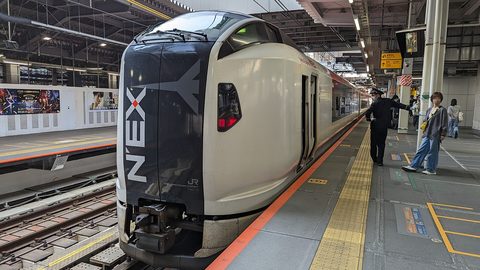 Getting Around Tokyo by Train Airport Transfers and IC Cards
A practical guide to Tokyo's rail network, covering airport transfers, IC cards, and how to avoid the station navigation mistakes that eat your day.
Getting Around Tokyo by Train Airport Transfers and IC Cards
A practical guide to Tokyo's rail network, covering airport transfers, IC cards, and how to avoid the station navigation mistakes that eat your day.
-
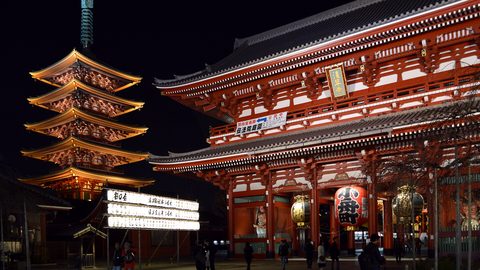 Senso-ji
 is free and never closes, but the experience at 6am with empty Nakamise stalls is nothing like the 11am crush under Kaminarimon. Here is when to go and what you get at each hour.
Senso-ji
Senso-ji is free and never closes, but the experience at 6am with empty Nakamise stalls is nothing like the 11am crush under Kaminarimon. Here is when to go and what you get at each hour.
-
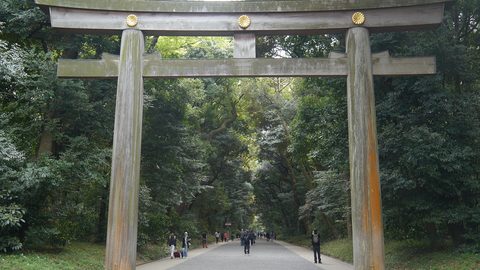 Meiji Jingu
The Meiji Jingu visit changes completely depending on which torii gate you enter. One drops you from Harajuku noise into sudden forest, the other builds quiet slowly from Yoyogi.
Meiji Jingu
The Meiji Jingu visit changes completely depending on which torii gate you enter. One drops you from Harajuku noise into sudden forest, the other builds quiet slowly from Yoyogi.
-
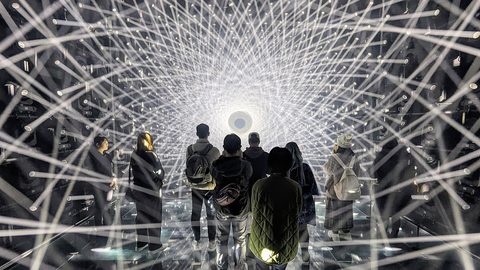 teamLab
 Borderless and Planets are two different Tokyo venues with separate booking systems. Borderless tickets at Azabudai Hills sell in timed slots and the maze has no fixed route.
teamLab
teamLab Borderless and Planets are two different Tokyo venues with separate booking systems. Borderless tickets at Azabudai Hills sell in timed slots and the maze has no fixed route.
Neighbourhoods in Tokyo
-
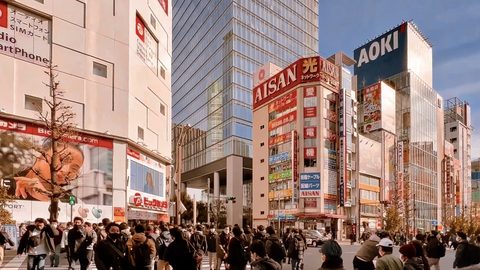 Akihabara
 Tokyo guide: electronics, anime, and arcades stacked floor by floor, from Radio Kaikan to the maid cafe touts.
Akihabara
Akihabara Tokyo guide: electronics, anime, and arcades stacked floor by floor, from Radio Kaikan to the maid cafe touts.
-
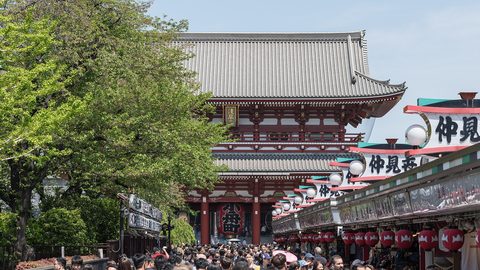 Asakusa
 Tokyo guide: Senso-ji temple, old shitamachi streets, and the cheapest central beds with a longer commute to west-side nightlife.
Asakusa
Asakusa Tokyo guide: Senso-ji temple, old shitamachi streets, and the cheapest central beds with a longer commute to west-side nightlife.
-
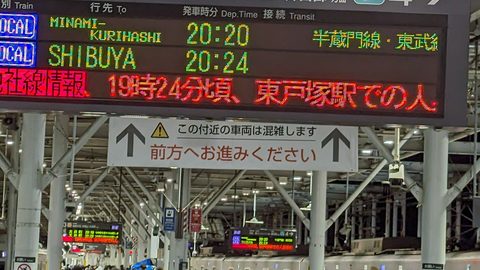 Futako-tamagawa
Futako-Tamagawa offers a look at residential riverside Tokyo far from the tourist circuit. Here is what the Tama River terrace and Rise complex reveal about daily life in Setagaya.
Futako-tamagawa
Futako-Tamagawa offers a look at residential riverside Tokyo far from the tourist circuit. Here is what the Tama River terrace and Rise complex reveal about daily life in Setagaya.
-
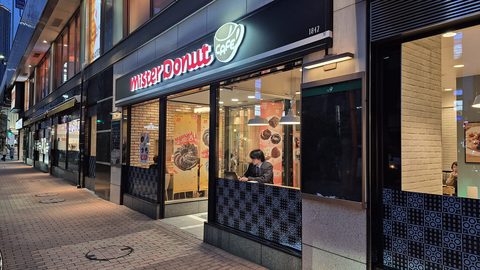 Ginza
Ginza Tokyo guide: flagship luxury retail, Edomae sushi counters, and the depachika food halls where Tokyo's highest prices live.
Ginza
Ginza Tokyo guide: flagship luxury retail, Edomae sushi counters, and the depachika food halls where Tokyo's highest prices live.
-
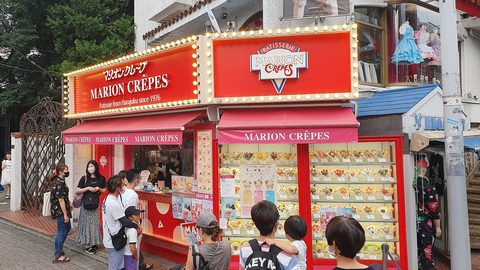 Harajuku
 shifts from Takeshita-dori's teen crush to Omotesando's designer calm in a single walk. Here is the route that escapes the crowds without leaving the neighbourhood.
Harajuku
Harajuku shifts from Takeshita-dori's teen crush to Omotesando's designer calm in a single walk. Here is the route that escapes the crowds without leaving the neighbourhood.
-
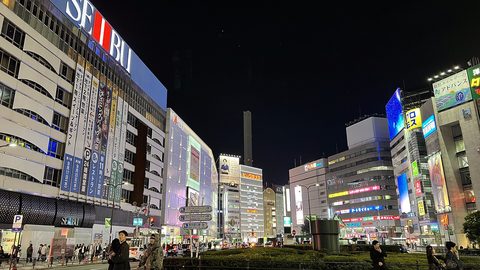 Ikebukuro
 is Tokyo's least touristed major hub, home to Sunshine City, otome anime culture, and a station that rivals Shinjuku in scale without the international crowds.
Ikebukuro
Ikebukuro is Tokyo's least touristed major hub, home to Sunshine City, otome anime culture, and a station that rivals Shinjuku in scale without the international crowds.
-
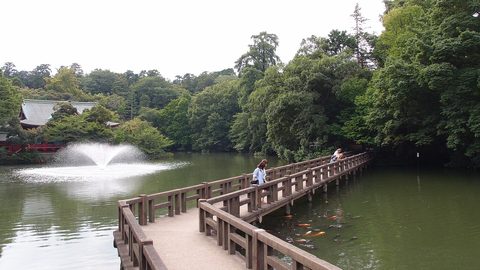 Kichijoji
 pairs Inokashira Park with the Harmonica Yokocho alley bars and a short walk to the Ghibli Museum. Here is why Tokyoites keep voting it the city's most liveable neighbourhood.
Kichijoji
Kichijoji pairs Inokashira Park with the Harmonica Yokocho alley bars and a short walk to the Ghibli Museum. Here is why Tokyoites keep voting it the city's most liveable neighbourhood.
-
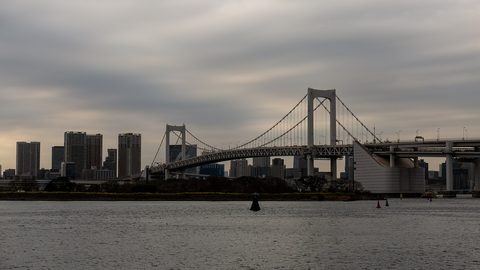 Odaiba
 is Tokyo's reclaimed island playground of malls, museums, and bay views. Here is what is actually there, what has moved, and how to get across the Rainbow Bridge.
Odaiba
Odaiba is Tokyo's reclaimed island playground of malls, museums, and bay views. Here is what is actually there, what has moved, and how to get across the Rainbow Bridge.
-
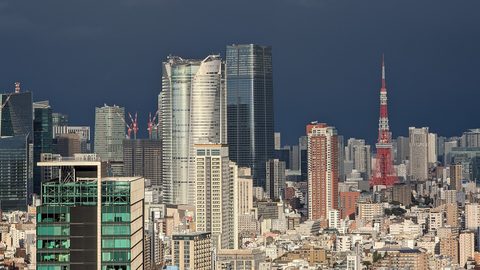 Roppongi
 shifts from a world-class art triangle by day to an expat nightlife zone after dark. Here is how to read the two sides of Tokyo's most international district.
Roppongi
Roppongi shifts from a world-class art triangle by day to an expat nightlife zone after dark. Here is how to read the two sides of Tokyo's most international district.
-
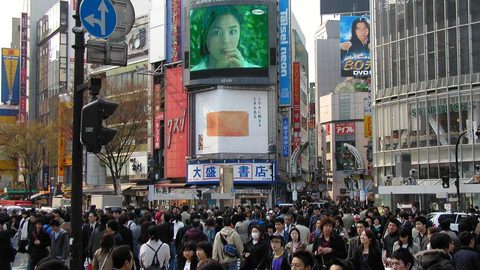 Shibuya
 Tokyo guide: the scramble crossing, the station rebuild, and the steep backstreets that empty into quiet residential lanes.
Shibuya
Shibuya Tokyo guide: the scramble crossing, the station rebuild, and the steep backstreets that empty into quiet residential lanes.
-
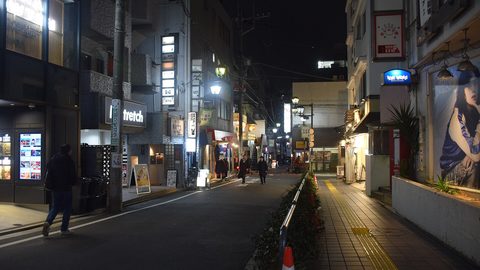 Shimokitazawa
 is Tokyo's maze of vintage shops, live music venues, and curry houses with no through traffic. Here is how to wander it without a fixed route.
Shimokitazawa
Shimokitazawa is Tokyo's maze of vintage shops, live music venues, and curry houses with no through traffic. Here is how to wander it without a fixed route.
-
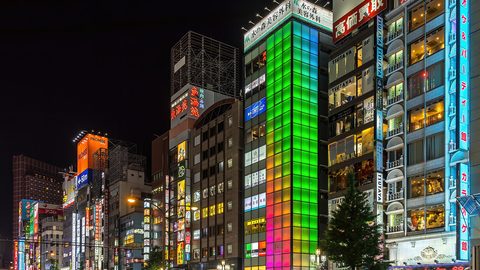 Shinjuku
 Tokyo guide to the station's east-west maze, memory lane yakitori stalls, and Golden Gai's six-seat bar rules.
Shinjuku
Shinjuku Tokyo guide to the station's east-west maze, memory lane yakitori stalls, and Golden Gai's six-seat bar rules.
-
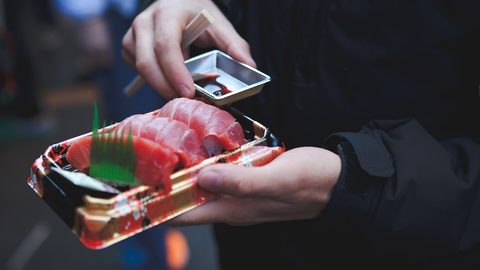 Tsukiji
 Outer Market still serves fresh seafood breakfasts daily even after the wholesale auction moved to Toyosu. Here is what remains and whether the early sushi queue is worth your morning.
Tsukiji
Tsukiji Outer Market still serves fresh seafood breakfasts daily even after the wholesale auction moved to Toyosu. Here is what remains and whether the early sushi queue is worth your morning.
-
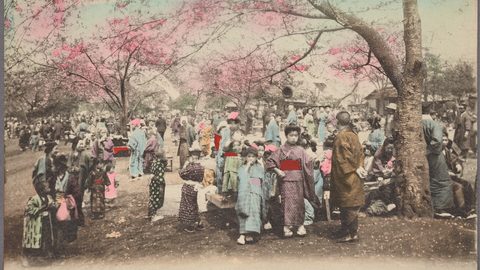 Ueno
Ueno concentrates Tokyo's best museums, a sprawling park, and the Ameyoko market into one walkable cluster. Plan the order that avoids backtracking.
Ueno
Ueno concentrates Tokyo's best museums, a sprawling park, and the Ameyoko market into one walkable cluster. Plan the order that avoids backtracking.
What to See in Tokyo
-
Senso-ji
Senso-ji is free and never closes, but the experience at 6am with empty Nakamise stalls is nothing like the 11am crush under Kaminarimon. Here is when to go and what you get at each hour.
-
Meiji Jingu
The Meiji Jingu visit changes completely depending on which torii gate you enter. One drops you from Harajuku noise into sudden forest, the other builds quiet slowly from Yoyogi.
-
teamLab
teamLab Borderless and Planets are two different Tokyo venues with separate booking systems. Borderless tickets at Azabudai Hills sell in timed slots and the maze has no fixed route.
-
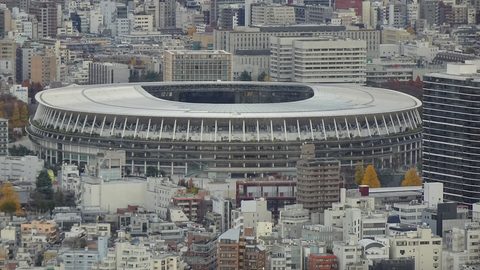 Shibuya Sky
 at sunset is a booked-out Tokyo experience for a reason, but the Metropolitan Government Building and Bunkyo Civic Center offer free high-rise views worth comparing.
Shibuya Sky
Shibuya Sky at sunset is a booked-out Tokyo experience for a reason, but the Metropolitan Government Building and Bunkyo Civic Center offer free high-rise views worth comparing.
-
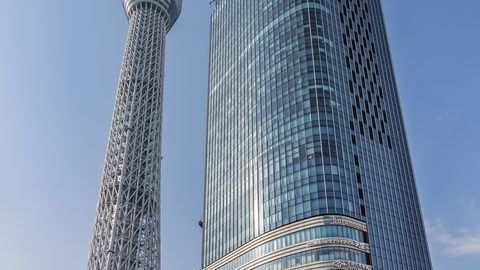 Tokyo Skytree
 sells two observation decks at two prices. The upper Tembo Galleria costs extra and on a cloudy day the sloping glass corridor adds nothing the lower deck does not already show.
Tokyo Skytree
Tokyo Skytree sells two observation decks at two prices. The upper Tembo Galleria costs extra and on a cloudy day the sloping glass corridor adds nothing the lower deck does not already show.
-
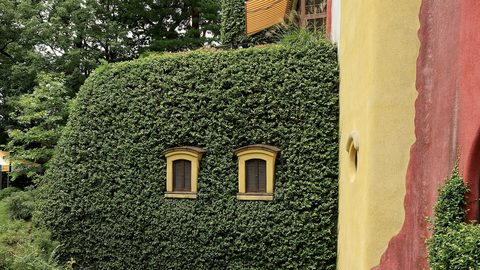 Ghibli Museum
 tickets release on the 10th of each month at 10am JST and sell out in hours. This is the step-by-step Lawson Loppi and online booking process to get a slot.
Ghibli Museum
Ghibli Museum tickets release on the 10th of each month at 10am JST and sell out in hours. This is the step-by-step Lawson Loppi and online booking process to get a slot.