Why Japan Still Runs on Cash Despite Its High-Tech Reputation
Japan projects a high-tech image but many small restaurants, temples, and rural buses demand cash. IC cards like Suica and Icoca bridge the gap for daily spending.
Why Japan Still Runs on Cash Despite Its High-Tech Reputation
You assume a country that sells you toilets with heated seats and bidet sprays, vending machine hot ramen, and robot hotels has left cash behind. It has not. The gap between Japan's tech image and the daily reality is wide enough to cost you a meal if you are not prepared. Small restaurants, shrines, temples, and rural bus routes demand physical yen. You need cash every day.
The real payment system is not plastic or phone. It is the rechargeable IC card ecosystem: Suica, Pasmo, Icoca, and their regional siblings. These cards handle transit, convenience store snacks, coin lockers, and vending machines. But they cannot buy a Shinkansen ticket between cities. That requires a separate paper ticket or an online booking.
The thing that most often goes wrong? You arrive with a card-only plan and cannot buy a ¥300 entry to a temple, pay for a ¥500 street food skewer, or board a bus in the countryside.
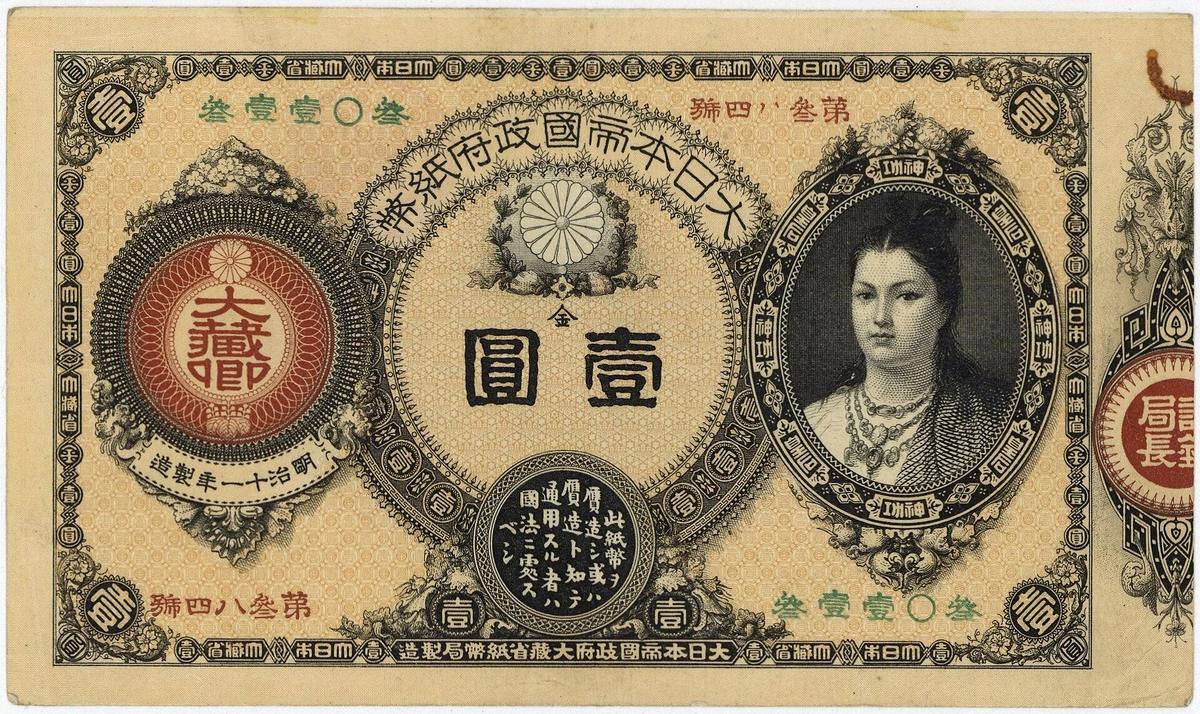

How Much Cash You Actually Need Per Day
Where Cards Work and Where They Do Not
Card acceptance is widespread at hotels, department stores, chain restaurants, and convenience stores. It is limited in rural areas. The cash-only categories: shrines and temples for entry fees, omamori charms, and omikuji fortune slips; small local restaurants; street food stalls; local markets; rural bus services not operated by major companies; small guesthouses (minshuku); and coin lockers at unmanned stations.
Which Card Brands and Contactless Methods to Bring
Visa and Mastercard are your best card brands. American Express has lower acceptance. Diners Club lower still. UnionPay is growing in tourist-focused businesses but limited elsewhere. Contactless payments work where cards are taken, so Apple Pay and Google Pay via Visa or Mastercard are fine at those places. But a temple does not care about your phone.
The IC Card is Your Real Wallet
Get Your Card at the Airport
If you land at Narita or Haneda, go to the JR East counter or a ticket machine. Buy a Welcome Suica (no deposit, 28-day expiry) or a PASMO PASSPORT (same terms). If you land at Kansai Airport, buy an ICOCA from JR West machines. If you have an iPhone, add Suica or PASMO to Apple Wallet before you leave home and load it with a credit card. The digital card works immediately.
Avoid the Rural Station Trap
The failure case: you arrive at a rural station with no IC card loaded, the ticket machine only takes cash, and the bus arrives in three minutes. Put the card on your phone before you board the plane.
Where to Find ATMs That Accept Foreign Cards
Plan Withdrawals Around Convenience Stores
The failure case: you are in a small town at 11pm with no convenience store nearby. The only ATM is at a Japan Post office, which closes at 7pm. The machine at the train station is a non-foreign-card model. You need ¥2,000 for a morning bus and a temple entry. Budget ahead by withdrawing enough cash when you see a 7-Eleven.
Carry a Coin Purse and Do Not Fear Large Notes
Japan is a high-cash-trust society. Nobody will blink at a ¥10,000 note for a ¥300 item. Carry a coin purse. The ¥500 coin is worth about $3.50 or €3.20. Daily transactions generate many coins, and you will need them for coin lockers and vending machines.
Tax-Free Shopping and the Coin You Will Actually Use
The Tax-Free Rules
Spend ¥5,000 (excluding tax) per store per day to get tax-free shopping. Consumables like food and cosmetics have a maximum of ¥500,000 per store per day. General goods like clothing and electronics have no stated upper limit. Show your passport at the register. Consumables get sealed in a bag and must leave Japan within 30 days unopened. The consumption tax is 10% standard. Food and non-alcoholic drinks for takeaway are taxed at 8%. Dine-in gets 10%.
Know Your Coins and Notes
The ¥1 coin is aluminum, ¥5 is brass, ¥10 is bronze, ¥50 is cupronickel, ¥100 is cupronickel, and ¥500 is nickel-brass bi-metallic since 2021. Banknotes: ¥1,000, ¥2,000 (rare), ¥5,000, ¥10,000. No tipping. It will be refused or cause confusion.
Common Questions
Can I survive in Japan using only a credit card?
No. You need cash for temple entry fees, small local restaurants, street food stalls, rural buses, and coin lockers at unmanned stations. Even in major cities, a cash-only ramen shop or a tiny okonomiyaki joint will turn you away. Carry at least ¥5,000 in small bills and coins at all times.
Can I use my IC card to ride the Shinkansen?
No. IC cards cannot be used for Shinkansen tickets between cities. You need a separate paper ticket or an online booking. However, you can use your IC card for local train travel within a city to reach the Shinkansen station.
Is it true I cannot buy a physical Suica or PASMO anymore?
Sales of unregistered Suica and PASMO cards are suspended since August 2023 due to a semiconductor shortage. You can still buy a registered named Suica or PASMO, or the Welcome Suica and PASMO PASSPORT at airports and major stations. Mobile Suica on Apple Wallet or Google Wallet works with no deposit required.
How much does it cost to withdraw cash at a 7-Eleven ATM?
Seven Bank charges ¥110 per ¥10,000 withdrawn. The limit is ¥100,000 per transaction. Japan Post Bank charges ¥220 per transaction with a ¥50,000 limit. E-net ATMs at FamilyMart charge ¥110 per ¥10,000. Lawson Bank ATMs also charge ¥110 per ¥10,000.
What happens if my IC card balance runs out and I have no cash to reload?
Most train stations have ticket machines that accept cash and some accept credit cards. If the machine only takes cash and you have none, you cannot board. Keep a minimum ¥2,000 balance on your IC card at all times to avoid being stranded at a rural ticket gate.
Read next
-
 Japan eSIM vs Pocket WiFi vs Physical SIM for Staying Connected
Free public WiFi across Japan is unreliable and slow. What separates eSIM plans is which Japanese carrier they ride on, and whether hotspot sharing is allowed.
Japan eSIM vs Pocket WiFi vs Physical SIM for Staying Connected
Free public WiFi across Japan is unreliable and slow. What separates eSIM plans is which Japanese carrier they ride on, and whether hotspot sharing is allowed.
-
 Japan Visa-Free Entry and the Visit Japan Web Digital Form
Visa-free entry covers many nationalities, but the Visit Japan Web digital form and QR codes determine how quickly you clear immigration at Narita or Haneda.
Japan Visa-Free Entry and the Visit Japan Web Digital Form
Visa-free entry covers many nationalities, but the Visit Japan Web digital form and QR codes determine how quickly you clear immigration at Narita or Haneda.
-
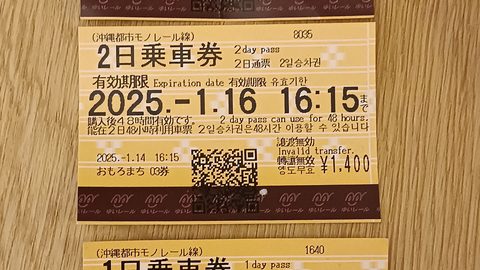 Japan Rail Pass Maths and When Buying Single Tickets Wins
The Japan Rail Pass can save hundreds or cost more than single tickets depending on your route. Run the maths on a Tokyo-Kyoto-Osaka loop before buying.
Japan Rail Pass Maths and When Buying Single Tickets Wins
The Japan Rail Pass can save hundreds or cost more than single tickets depending on your route. Run the maths on a Tokyo-Kyoto-Osaka loop before buying.
-
 Japan Month by Month with Cherry Blossom and Autumn Leaves Timing
Cherry blossom and autumn foliage are moving targets that bring packed temples and booked-out hotels. Here is month-by-month timing plus the Golden Week and Obon windows to avoid.
Japan Month by Month with Cherry Blossom and Autumn Leaves Timing
Cherry blossom and autumn foliage are moving targets that bring packed temples and booked-out hotels. Here is month-by-month timing plus the Golden Week and Obon windows to avoid.
-
 What a Day in Japan Costs at Three Budget Levels in Yen
A ¥5,000 daily backpacker budget in Japan is punishingly tight. See real yen figures for three spending levels, from konbini survival to mid-range comfort.
What a Day in Japan Costs at Three Budget Levels in Yen
A ¥5,000 daily backpacker budget in Japan is punishingly tight. See real yen figures for three spending levels, from konbini survival to mid-range comfort.
-
 Japan Safety Beyond Low Crime to Earthquake and Typhoon Readiness
Crime is low across Japan, but earthquake alerts, typhoon transport disruption, and the tattoo ban at most onsen are the real preparedness concerns for visitors.
Japan Safety Beyond Low Crime to Earthquake and Typhoon Readiness
Crime is low across Japan, but earthquake alerts, typhoon transport disruption, and the tattoo ban at most onsen are the real preparedness concerns for visitors.
-
 Kanto
Kanto is the seven prefectures around Tokyo, and almost all of it is a day trip. Here is what each part is for, and when it is worth sleeping outside the city.
Kanto
Kanto is the seven prefectures around Tokyo, and almost all of it is a day trip. Here is what each part is for, and when it is worth sleeping outside the city.
-
 Fifth Freedom Flights Are the Award Sweet Spot Nobody Searches For
Fifth-freedom flights let you fly a foreign airline between two other countries, and they often have award seats when the airline's own hub routes are sold out.
Fifth Freedom Flights Are the Award Sweet Spot Nobody Searches For
Fifth-freedom flights let you fly a foreign airline between two other countries, and they often have award seats when the airline's own hub routes are sold out.
-
 Every Way Into an Airport Lounge and What Each One Actually Costs You