Planning a Trip to Japan When the Reality Gap Worries You
Japan delivers deep tradition and futuristic efficiency, but the language barrier and density of rules can exhaust first-timers. Here is what to actually expect.
- Flag
-
- ISO code
- JP
- Population
- 125,800,000
- Currency
- JPY
- Timezone
- Asia/Tokyo
- Dial code
- +81
The 5 Night Minimum and Why You Need it
First time Japan visitors who try to do Tokyo, Kyoto, Osaka and Hiroshima in 7 days burn out. They spend more time on trains and checking in and out of hotels than actually experiencing any single place. That is the most common mistake here.
Your minimum viable first trip is 5 nights focused on the Tokyo Kyoto Osaka corridor. 3 nights in Tokyo. 2 nights in Kyoto. 1 night in Osaka. That gives you enough time to absorb one major city and one contrasting smaller centre without spending half the trip in transit. 7 days is better. 10 is where the jet lag stops punishing you and the trip starts rewarding you.
- First Trip Typical Duration: 7, 14 days
- Minimum Viable First Trip (Tokyo, Kyoto, Osaka): 5 nights
- Tokyo Minimum Stay (First Trip): 3 nights
- Kyoto Minimum Stay (First Trip): 2 nights
- Osaka Minimum Stay (First Trip): 1 night
- Classic First Trip Corridor: Tokyo, Kyoto, Osaka
- Tokyo, Kyoto Shinkansen Travel Time (Nozomi): 2 h 15 min
- Kyoto, Osaka Local Train Travel Time (JR Special Rapid): 28 min
- Average Daily Step Count (Tokyo First Timers): 20,000, 30,000 steps
The Reality Gap and Why it is Actually Fine
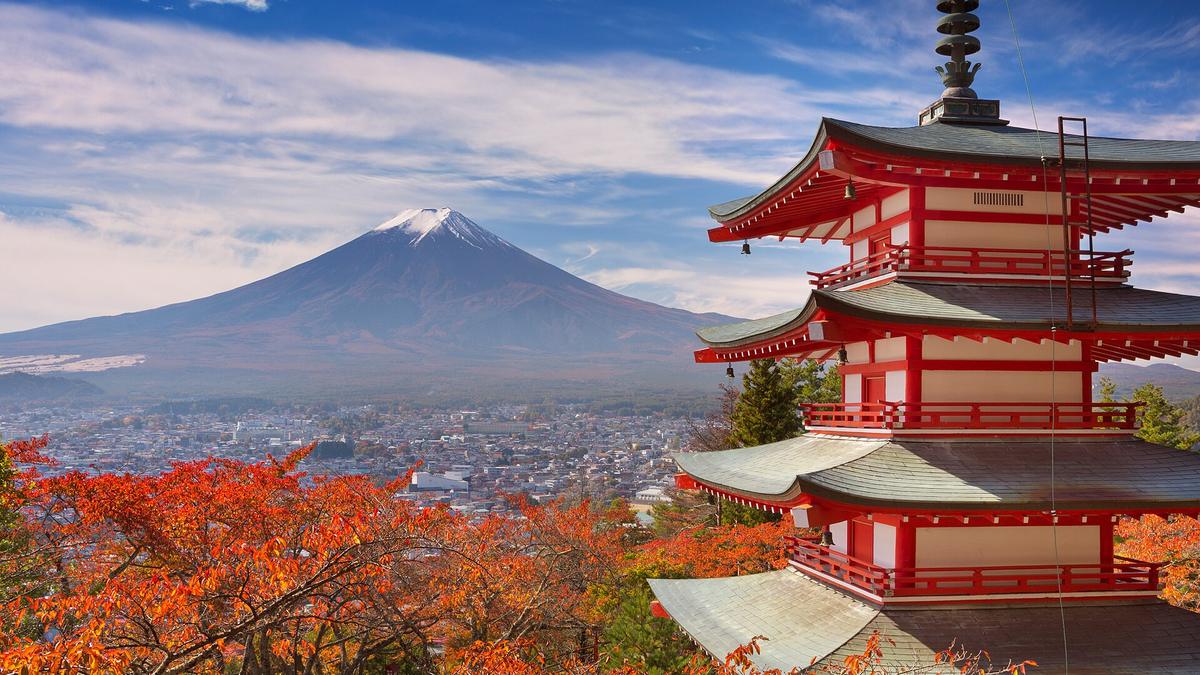
Serene Instagram Japan exists. But so does the packed 08:15 commuter train on the Yamanote line. And the concrete sprawl between Shibuya and Shinjuku. And the exhausting sense that you are breaking a rule you did not know existed. The language barrier is more isolating than you expect. The density of unwritten rules leaves you mentally exhausted by day three.
Frame these not as dealbreakers but as the cost of entry. The safety is real. The food is extraordinary. The quiet does exist if you know where to look. The disconnect between the postcard image and the actual experience is the trip itself. You do not need to love every part of it. You need to know what to expect so the friction does not wreck the pleasure.
What You Actually Get
Safety that means you can walk through Shinjuku at midnight with your phone in your hand. Food that rewards a 90 minute queue with the best ramen of your life. Craft and design obsession visible in everything from a ¥400 convenience store sandwich to a ¥20,000 kaiseki dinner. Pop culture and gaming depth that fills entire districts. World class snow and trails if you go north. Solo travel that works because nobody bothers you and every system is designed for efficiency.
What you do not get is spontaneous late night chaos with easy socialising. Strict vegan options are vanishingly rare; dashi is in everything and cross contamination is standard. Budget backpacking on under ¥5,000 a day is not realistic. Accept that and the trip opens up.
Where The Crowds Actually Hurt
Peak season late March to early April for cherry blossoms and November for autumn foliage bring packed temples, booked out hotels and elevated prices. Avoid if crowds ruin your mood. Golden Week late April to early May is worse. The entire country travels domestically. Trains, hotels and attractions become impossibly crowded. Mid August for Obon has similar domestic travel chaos plus intense heat. Skip both windows entirely on a first trip.
If you do go in cherry blossom season arrive at Arashiyama Bamboo Grove by 06:30 or skip it. The short path fills within an hour. Fushimi Inari Taisha requires the same early start to walk through the vermilion torii gates without a queue of shoulders ahead of you.
How the First Trip Corridor Works
Your route is Tokyo to Kyoto by the Nozomi. 513.6 km in 2 hours 15 minutes. Then Kyoto to Osaka by local train JR Special Rapid. 42.8 km in 28 minutes. The bullet train fare for that one way trip with a reserved seat runs ¥14,000 to ¥15,000. Do not buy a nationwide JR Pass for this corridor. A single round trip is cheaper than the 7 day pass at ¥50,000. You lose money buying the pass for Tokyo Kyoto Osaka only.
Arrive at Tokyo Narita airport and take the Narita Express. 55 to 70 minutes to Tokyo Station for ¥3,070 and the seat is reserved. Arrive at Tokyo Haneda and take the Keikyu Line. 25 to 40 minutes to Shinagawa or central Tokyo for ¥330 to ¥500 and no reservation needed. Arrive at Osaka Kansai and take the Nankai Limited Express to Namba. 35 to 50 minutes for ¥1,490. Or the Haruka Express to Kyoto. 75 minutes for ¥3,110.
For every other train buy a rechargeable IC card. Suica, Pasmo or Icoca. Use it on subways, local trains and buses. The main trip up: IC cards do not work on the high speed rail between cities. That requires a separate paper ticket. Learn that on day one and you save the 10 minutes of confusion at the ticket machine.
Where To Base Yourself
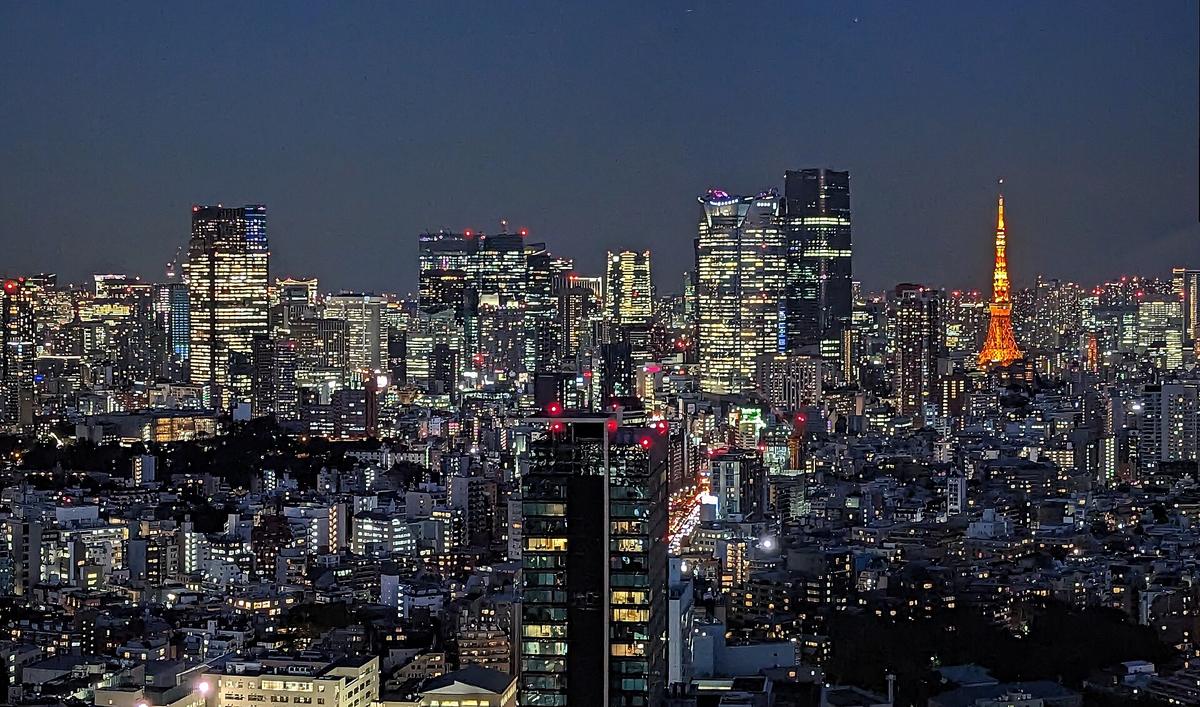
In Tokyo stay near Shinjuku if you want neon chaos and the world's busiest station within walking distance. Stay near Shibuya for youth culture and the scramble crossing right outside. Stay near Asakusa for old Tokyo atmosphere and Senso ji temple but accept you commute to the nightlife. Ginza is polished and expensive. It works for a short stay where shopping matters more than atmosphere.
In Kyoto base in Higashiyama for preserved lanes and hillside temples but prepare for heavy crowds outside your door. Or stay near Kyoto Station for transit convenience and a quieter night. Gion offers wooden machiya and geiko sightings but strict photography bans make it awkward if you just want to take pictures. Respect the ban. Fines and public shaming are real.
In Osaka Dotonbori puts you in the canal side spectacle and blinding lights. Shinsekai gives you retro grit and kushikatsu joints with fewer tourists. Kita is the business hub with underground mazes that confuse even locals.
| Route | Distance | Walking Time Or Detail |
|---|---|---|
| Tokyo Station Yaesu exit to Imperial Palace East Garden entrance | 1.2 km | 15 minute walk |
| Fushimi Inari Taisha station to summit torii gates (one way) | 2.5 km | 45-60 minute walk uphill |
| Kiyomizu dera bus stop to temple entrance (uphill) | 600 m | 10 minute walk uphill |
| Shinjuku Station JR to Odakyu line transfer | 500 m | 8 minute walk inside station |
| Tokyo Station JR to Marunouchi subway transfer | 400 m | 6 minute walk inside station |
.jpg)

Friction Points You Can Plan Around
Trash cans are virtually non existent in public. You carry your rubbish for hours until you find a convenience store bin or your hotel room. Carry a small plastic bag from day one. Cash is still required at many small restaurants, temples and rural bus routes despite Japan's tech image. 30 to 40 percent of independent restaurants and bars in Tokyo are cash only. The majority of temple and shrine entry fees in Kyoto require cash. City buses in Kyoto accept IC cards since 2014 but some peripheral routes still demand coins. Withdraw at a 7 Eleven ATM. The foreign card withdrawal fee is ¥110 to ¥220 per ¥10,000 withdrawn. Japan Post Bank ATMs charge ¥0 to ¥220 depending on your card network. Withdraw enough to cover two days at a time.
Tattoos ban you from most public baths, pools and onsen unless they are small enough to be covered by a single skin coloured patch. If your tattoo is large book a private onsen or a ryokan with a private bath. Restaurant queues at famous spots can exceed 90 minutes with no alternative seating. No call ahead. No waiting list. You stand in line or you eat somewhere else. Decide before you arrive if you queue or skip. Both are valid. Know which you are doing.
Free public Wi Fi is unreliable and slow. Rent a pocket Wi Fi device or buy an eSIM before arrival. The choice comes down to which Japanese carrier the plan rides on. Google Maps is accurate for train times and platform numbers but it drains battery fast. Carry a power bank. You will use it by 15:00 most days.
When Things Close
Independent Kyoto restaurants take their last lunch order between 13:30 and 14:00. Dinner last order is 20:00 to 21:00. Tokyo independent restaurants stay open slightly later with last orders 21:00 to 22:00. Department store restaurant floors close earlier with last order at 19:30 to 20:30. Convenience store food is available 24 hours. If you miss dinner you eat onigiri from 7 Eleven. That is fine. The onigiri is good.
Who This Trip Suits and Who Should Go Elsewhere
This trip suits solo explorers who value safety and order. It suits obsessive foodies planning trips around single dishes. It suits pop culture and gaming enthusiasts who want to spend a day in Akihabara and another in Nipponbashi. It suits skiers and hikers who will skip Tokyo for world class snow and trails. It suits anyone who loves meticulous craft and design and does not mind transit that runs on time to the second.
This trip does not suit spontaneous party seekers who want late night chaos and easy socialising with strangers. It does not suit strict vegans or those with severe food allergies. It does not suit budget backpackers trying to live on under ¥5,000 a day. It does not suit anyone who hates standing in line or walking 30,000 steps daily.
Come for the extraordinary mix of deep tradition and futuristic efficiency. Stay for the food that makes you plan a return trip around one dish. Accept that the serenity comes wrapped in concrete, crowds and a stack of unwritten rules. That is not the problem. The problem is expecting the postcard without the price of entry.
Common Questions
How many days should I plan for my first trip to Japan?
Minimum 5 nights for Tokyo Kyoto Osaka only. 7 days is better. 10 to 14 days lets you add a day trip or a slower pace without feeling rushed.
Is the JR Pass worth it for a first time visitor?
No for the Tokyo Kyoto Osaka corridor. A single round trip Shinkansen ticket costs ¥14,000 to ¥15,000. The 7 day JR Pass costs ¥50,000. You lose money. The pass only pays off if you add Hiroshima or a longer Shinkansen route.
Can I use my IC card on the Shinkansen?
No. IC cards like Suica and Pasmo work on subways, local trains and buses. Shinkansen between cities requires a separate paper ticket or online booking. Do not tap your IC card at the Shinkansen gate.
How much cash should I carry?
Withdraw enough for two days at a time. 30 to 40 percent of independent Tokyo restaurants are cash only. Most temple entry fees in Kyoto require cash. ATMs at 7 Eleven charge ¥110 to ¥220 per ¥10,000 withdrawal.
What is the biggest mistake first time visitors make?
Trying to cover Tokyo, Kyoto, Osaka and Hiroshima in 7 days. You end up spending more time on trains and checking in and out of hotels than actually experiencing any single place.
How do I handle luggage between cities?
Use Takkyubin luggage forwarding. A large suitcase from Tokyo to Kyoto costs ¥2,000 to ¥2,500 and arrives the next day. Ship it from your hotel and travel with just a day bag.
Can I eat well if I am vegetarian or have food allergies?
Strict vegans and those with severe food allergies will struggle. Dashi fish stock is in almost every broth and sauce. Cross contamination is standard. Dedicated vegan restaurants exist in Tokyo and Kyoto but options are limited everywhere else.
Read next
-
 Japan eSIM vs Pocket WiFi vs Physical SIM for Staying Connected
Free public WiFi across Japan is unreliable and slow. What separates eSIM plans is which Japanese carrier they ride on, and whether hotspot sharing is allowed.
Japan eSIM vs Pocket WiFi vs Physical SIM for Staying Connected
Free public WiFi across Japan is unreliable and slow. What separates eSIM plans is which Japanese carrier they ride on, and whether hotspot sharing is allowed.
-
 Japan Visa-Free Entry and the Visit Japan Web Digital Form
Visa-free entry covers many nationalities, but the Visit Japan Web digital form and QR codes determine how quickly you clear immigration at Narita or Haneda.
Japan Visa-Free Entry and the Visit Japan Web Digital Form
Visa-free entry covers many nationalities, but the Visit Japan Web digital form and QR codes determine how quickly you clear immigration at Narita or Haneda.
-
 Cash and IC Cards Are the Real Payment System in Japan
Japan projects a high-tech image but many small restaurants, temples, and rural buses demand cash. IC cards like Suica and Icoca bridge the gap for daily spending.
Cash and IC Cards Are the Real Payment System in Japan
Japan projects a high-tech image but many small restaurants, temples, and rural buses demand cash. IC cards like Suica and Icoca bridge the gap for daily spending.
-
 Japan Rail Pass Maths and When Buying Single Tickets Wins
The Japan Rail Pass can save hundreds or cost more than single tickets depending on your route. Run the maths on a Tokyo-Kyoto-Osaka loop before buying.
Japan Rail Pass Maths and When Buying Single Tickets Wins
The Japan Rail Pass can save hundreds or cost more than single tickets depending on your route. Run the maths on a Tokyo-Kyoto-Osaka loop before buying.
-
 Japan Month by Month with Cherry Blossom and Autumn Leaves Timing
Cherry blossom and autumn foliage are moving targets that bring packed temples and booked-out hotels. Here is month-by-month timing plus the Golden Week and Obon windows to avoid.
Japan Month by Month with Cherry Blossom and Autumn Leaves Timing
Cherry blossom and autumn foliage are moving targets that bring packed temples and booked-out hotels. Here is month-by-month timing plus the Golden Week and Obon windows to avoid.
-
 What a Day in Japan Costs at Three Budget Levels in Yen
A ¥5,000 daily backpacker budget in Japan is punishingly tight. See real yen figures for three spending levels, from konbini survival to mid-range comfort.
What a Day in Japan Costs at Three Budget Levels in Yen
A ¥5,000 daily backpacker budget in Japan is punishingly tight. See real yen figures for three spending levels, from konbini survival to mid-range comfort.
-
 Kanto
Kanto is the seven prefectures around Tokyo, and almost all of it is a day trip. Here is what each part is for, and when it is worth sleeping outside the city.
Kanto
Kanto is the seven prefectures around Tokyo, and almost all of it is a day trip. Here is what each part is for, and when it is worth sleeping outside the city.
-
 Fifth Freedom Flights Are the Award Sweet Spot Nobody Searches For
Fifth-freedom flights let you fly a foreign airline between two other countries, and they often have award seats when the airline's own hub routes are sold out.
Fifth Freedom Flights Are the Award Sweet Spot Nobody Searches For
Fifth-freedom flights let you fly a foreign airline between two other countries, and they often have award seats when the airline's own hub routes are sold out.
-
 Every Way Into an Airport Lounge and What Each One Actually Costs You