What to Eat in Tokyo and How to Order Without Stress
How Tokyo dining actually works, from vending machine ramen tickets to counter-only omakase and mandatory reservations.
What Most Tokyo Food Guides Get Wrong
Most guides tell you what to eat. They list dishes, name famous shops, and call it a day. The problem is not what you order. The problem is how ordering works in Tokyo. That system changes by venue type. A ramen shop with a ticket machine operates nothing like a counter-only omakase in Ginza, and neither works like a standing bar in Shinjuku. You can walk into a conveyor sushi chain at 8pm without a plan. Try that at a high-end tempura restaurant and you will be turned away even if every seat is empty. This guide skips the dish list and explains the mechanics: ticket machines, reservation culture, solo counter seats, the 2pm to 5pm closure window, and why your second day in Tokyo is when you finally stop eating badly.
The Ticket Machine Shop: Your Lowest Friction Meal
Ramen, soba, curry, and tonkatsu shops below the 1,500 yen threshold almost always use a shokkenki, the ticket vending machine near the entrance. Insert money, press the button for your dish, take the ticket, and hand it to the counter staff. That is the whole transaction. No ordering through a human. No language barrier. No confusion about the bill.
Ticket machines are not limited to ramen. Find them at Butagumi in Nishiazabu for tonkatsu, at standing soba counters near train stations, and at casual unagi shops. Price per item runs 300 to 1,200 yen. Do not overthink the menu. Most machines have photo buttons or numbered options. The machine returns change. Carry the ticket to your seat.
When to Go
Lunch is the smart play. Tokyo ramen shops like Nakiryu in Otsuka and Tsuta in Sugamo charge 800 to 1,500 yen for a bowl that would cost triple in a sit-down restaurant. They do not take reservations. You queue. Arrive by 11am or accept a 40-minute wait. The Michelin-star ramen at Nakiryu is worth queuing for. The Tsuta hype has faded. Skip it and eat better at Konjiki Hototogisu in Shibuya with a shorter line.
What Not to Do
Do not rub your wooden chopsticks together after splitting them. It signals you think the chopsticks are cheap. Do not stick chopsticks vertically into your rice. That is a funeral offering. Do not pour soy sauce directly onto the rice or sushi rice. Dip the fish side, not the rice. And do not eat while walking. Acceptable in the open sections of Ameyoko market. Frowned upon everywhere else. Stand still or find a bench.
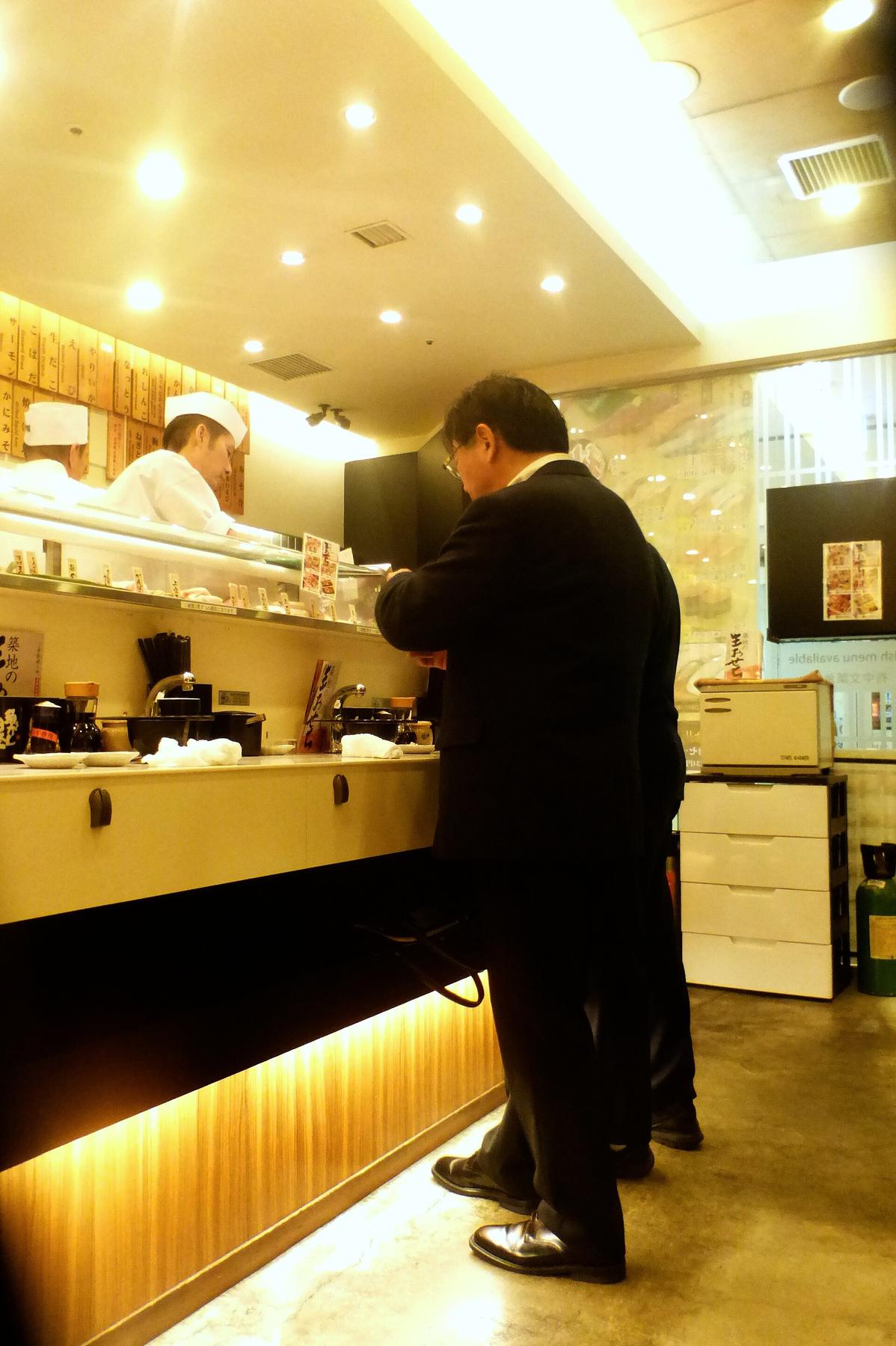

Reservation Culture: Why Walk Ins Fail
Post-pandemic, Tokyo restaurants stopped accommodating walk-ins at many mid-to-high-end venues. You see empty seats through the window. You are told they are fully booked. This is not a lie. It is a reservation system that leaves no margin for drop-ins.
High-end sushi in Ginza requires booking one to three months ahead. Tempura omakase in Kanda or Asakusa needs two to four weeks. Unagi at a specialist shop like Nodaiwa in Higashi Azabu needs one to four weeks. Fugu restaurants demand reservations, especially in winter. Izakayas are mixed. A casual spot in Golden Gai or Omoide Yokocho does not need a booking. A popular tachinomi standing bar with five seats might turn you away at peak hour. Walk in and assess the situation. If the place is half empty and the staff says no, they mean it.
Your Workaround: Book Lunch
At the same high-end sushi counter in Ginza, lunch sets run 3,000 to 10,000 yen. Dinner omakase is 15,000 to 40,000 yen plus. The food quality is identical. The reservation window is shorter. The atmosphere is calmer. Book lunch.
The 2pm to 5pm Window
Tokyo kitchens close between lunch and dinner service. From roughly 2pm to 5pm, most independent restaurants are shut. Chains and depachika basement food halls stay open. The basement of Isetan Shinjuku or Mitsukoshi Nihonbashi is your fallback. Depachika close at 8pm, so hit them by 6pm for the best selection. Grab a box of tempura, a portion of unagi over rice, or a dozen pickles. Eat on a bench in Shinjuku Gyoen or back at your hotel. This is not a compromise. It is a deliberate ritual.
| Venue | Ordering Method | Reservation Norm | Price Per Person | Best Time |
|---|---|---|---|---|
| Ramen / Soba (ticket shop) | Shokkenki (vending machine) | Not accepted | 800–1,500 yen | Lunch before 12pm |
| High-end sushi (omakase) | Verbally with chef | Essential, 1–3 months ahead | Dinner 15,000–40,000 yen; Lunch 3,000–10,000 yen | Lunch for value |
| Conveyor sushi (kaitenzushi) | Grab plates from belt or tablet | Not accepted | 100–500 yen per plate | Any open hour; skip peak dinner |
| Tempura omakase | Course menu verbal | Essential, 2–4 weeks ahead | Dinner 8,000–20,000 yen; Lunch 1,500–4,000 yen | Lunch for value |
| Izakaya | Order from staff or tablet | Not required for casual; required for popular ones | Dishes 400–900 yen; Drinks 500–800 yen | Evening from 6pm |
| Tachinomi (standing bar) | Order verbally | Not accepted | Drinks 300–600 yen; Snacks 200–500 yen | Early evening |
| Depachika (basement food hall) | Select and pay at counter | Not accepted | Varies widely | 4pm–7pm, before 8pm close |
| Unagi specialist | Verbal order, set menu | Recommended, 1–4 weeks ahead | Lunch 2,500–5,000 yen; Dinner 5,000–12,000 yen | Lunch |
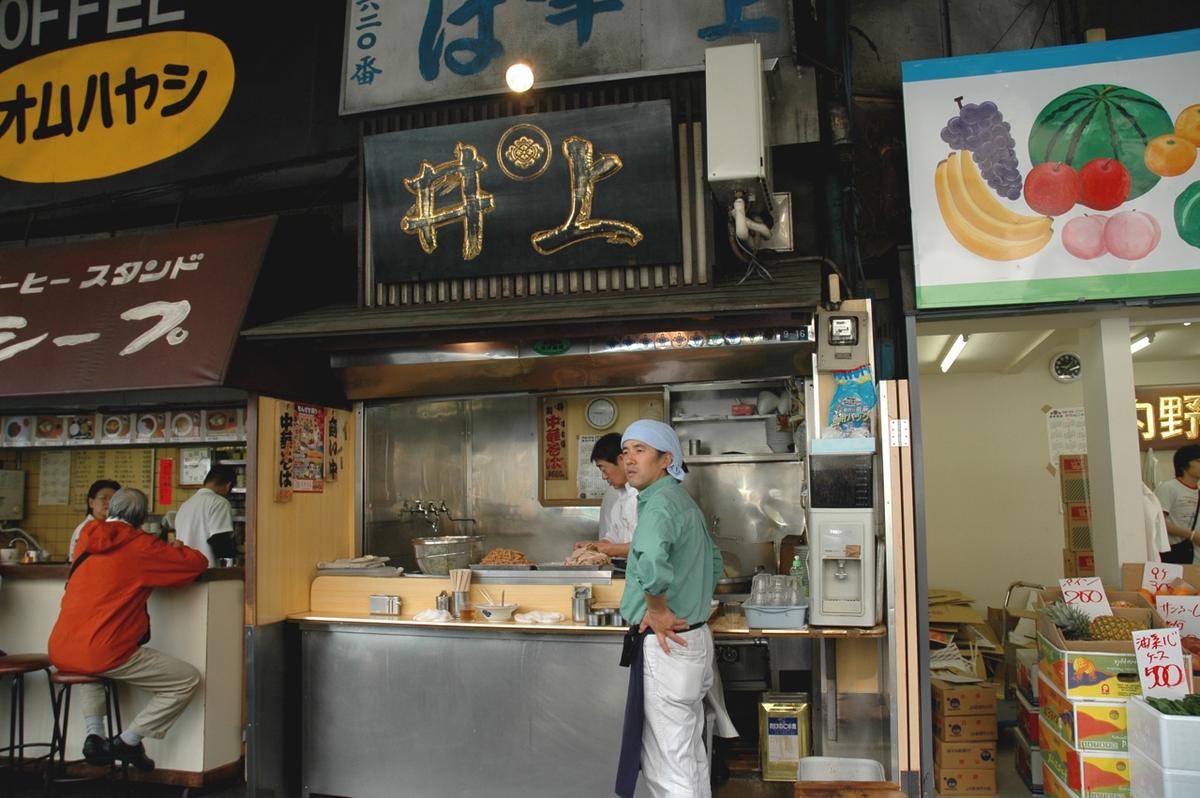

Solo Counter Seats: Your Best Friend in Tokyo
Tokyo is the world capital of solo dining. You will not be seated at a communal table with strangers. You get a counter spot between two regulars who ignore you. This is efficient. This is normal.
Ramen shops, standing bars, conveyor sushi chains, and high-end omakase counters all accommodate solo diners. The only venue that penalises you is a formal reservation-only kaiseki restaurant where the bill is per person regardless. For everything else, ordering alone costs the same as a pair. You eat faster. You leave when you want.
What to Order at Each Type
At a kaitenzushi chain like Sushiro or Kura Sushi, order the specials from the tablet, not the belt. The belt plates are older. At a standing bar, factor in the otoshi cover charge of 300 to 600 yen. This small dish arrives automatically. You pay for it whether you eat it or not. It is not a scam. It is the norm. At an izakaya, the same otoshi applies. Order two dishes and one drink. You will spend around 1,500 yen total and leave full.
When the Famous Option Is Not Worth It
Tsukiji Outer Market is famous for fresh seafood bowls. It is also crowded with tourists paying double for average quality. Go to Toyosu Market instead. The tuna auction viewing deck is free. The restaurant floor has fewer tourists and better sushi. Arrive by 7am. Eat breakfast at a counter. Leave before the tour groups arrive at 9am.
Golden Gai is famous for its 200 micro bars with six seats each. Most bars enforce a cover charge and photo rules. Some do not allow photos at all. Respect the rules or skip it. Omoide Yokocho in Shinjuku has the same narrow-alley atmosphere with better yakitori and fewer pretensions. Go there instead.
Common Questions
Do I need to book ramen shops?
No. Michelin-starred ramen shops like Nakiryu do not accept reservations. You queue. Arrive 15 minutes before opening or expect a 30 to 60 minute wait. Most ramen shops close after lunch, typically 2pm to 5pm, then reopen for dinner.
How do I know if menu prices include tax?
Check for the word "sōgaku" (total amount) or a small "tax included" note. If you see "zeinuki" (tax excluded), add 10 percent. High-end restaurants almost always add a 10 to 15 percent service charge and tax on top. Budget for 20 percent extra at those venues.
Can I eat at a conveyor sushi place alone?
Yes. Kaitenzushi chains like Sushiro and Kura Sushi have single counter seats. Order from the tablet above your seat. Plates cost 100 to 500 yen each. Three plates fill you up. You pay at the register by the exit.
Why do restaurants close from 2pm to 5pm?
Kitchens prep for dinner service. Staff take breaks. This is standard across Japan, not just Tokyo. Your options during this window are depachika basement food halls, convenience stores, or chain restaurants. Eat a late lunch at 1pm or a very early dinner at 5pm.
Read next
-
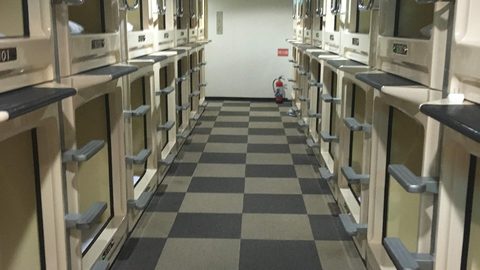
 Tokyo Hotels by Type and Budget from Capsules to Luxury
Tokyo hotels organised by type and price band, from efficient capsule pods to full-service luxury towers, to help you book the right room.
Tokyo Hotels by Type and Budget from Capsules to Luxury
Tokyo hotels organised by type and price band, from efficient capsule pods to full-service luxury towers, to help you book the right room.
-
 Where to Stay in Tokyo by District and Travel Style
A comparison of Tokyo's major districts to help you choose the right base for your travel style, whether you want calm or chaos.
Where to Stay in Tokyo by District and Travel Style
A comparison of Tokyo's major districts to help you choose the right base for your travel style, whether you want calm or chaos.
-
 Narita or Haneda for Tokyo and What That Airport Choice Costs You
Narita or Haneda for Tokyo: compare door-to-district time, transfer cost, and what the wrong airport choice eats from your trip.
Narita or Haneda for Tokyo and What That Airport Choice Costs You
Narita or Haneda for Tokyo: compare door-to-district time, transfer cost, and what the wrong airport choice eats from your trip.
-
 Things to Do in Tokyo That Are Worth Your Limited Days
A curated list of Tokyo's highest-impact sights and experiences, from immersive art to quiet backstreets, to help you prioritise your days.
Things to Do in Tokyo That Are Worth Your Limited Days
A curated list of Tokyo's highest-impact sights and experiences, from immersive art to quiet backstreets, to help you prioritise your days.
-
 Best Time to Visit Tokyo Month by Month Tradeoffs
A month-by-month guide to visiting Tokyo, laying out the trade-off between weather, crowds, price, and what's actually open.
Best Time to Visit Tokyo Month by Month Tradeoffs
A month-by-month guide to visiting Tokyo, laying out the trade-off between weather, crowds, price, and what's actually open.
-
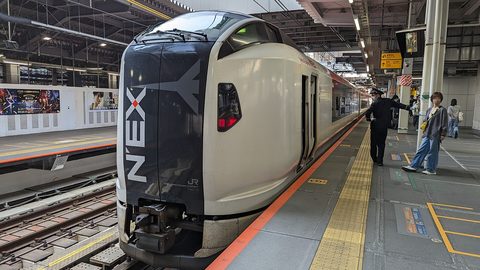 Getting Around Tokyo by Train Airport Transfers and IC Cards
A practical guide to Tokyo's rail network, covering airport transfers, IC cards, and how to avoid the station navigation mistakes that eat your day.
Getting Around Tokyo by Train Airport Transfers and IC Cards
A practical guide to Tokyo's rail network, covering airport transfers, IC cards, and how to avoid the station navigation mistakes that eat your day.
-
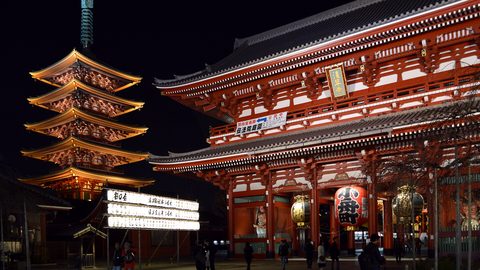 Senso-ji
 is free and never closes, but the experience at 6am with empty Nakamise stalls is nothing like the 11am crush under Kaminarimon. Here is when to go and what you get at each hour.
Senso-ji
Senso-ji is free and never closes, but the experience at 6am with empty Nakamise stalls is nothing like the 11am crush under Kaminarimon. Here is when to go and what you get at each hour.
-
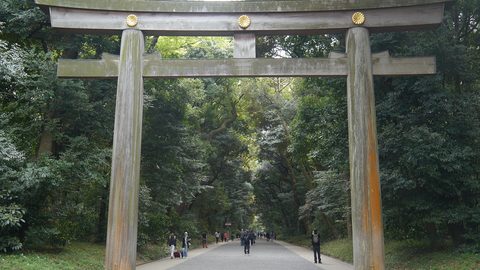 Meiji Jingu
The Meiji Jingu visit changes completely depending on which torii gate you enter. One drops you from Harajuku noise into sudden forest, the other builds quiet slowly from Yoyogi.
Meiji Jingu
The Meiji Jingu visit changes completely depending on which torii gate you enter. One drops you from Harajuku noise into sudden forest, the other builds quiet slowly from Yoyogi.
-
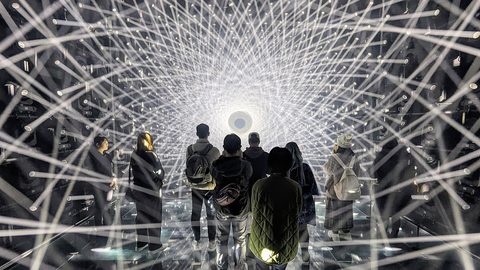 teamLab
 Borderless and Planets are two different Tokyo venues with separate booking systems. Borderless tickets at Azabudai Hills sell in timed slots and the maze has no fixed route.
teamLab
teamLab Borderless and Planets are two different Tokyo venues with separate booking systems. Borderless tickets at Azabudai Hills sell in timed slots and the maze has no fixed route.