Booking teamLab Borderless Is the Hard Part, and the Venue Matters
teamLab Borderless and Planets are two different Tokyo venues with separate booking systems. Borderless tickets at Azabudai Hills sell in timed slots and the maze has no fixed route.
Booking TeamLab Borderless is the Hard Part, and the Venue Matters
Do not assume you can walk up and buy a ticket. You cannot. The timed-entry slot system at the Azabudai Hills location sells out weeks ahead. Arrive in Tokyo without a reservation and you lose the chance to see it. The real challenge is not deciding whether to go. It is getting through the booking window and choosing between the two teamLab venues in Tokyo: Borderless at Azabudai Hills or Planets in Toyosu. They are not the same experience. The wrong choice can ruin an afternoon.
Borderless is a maze without a map. Artworks drift between rooms, floors change texture without warning, and there is no single path to follow. You wander. You double back. You find a room of glowing lanterns that you missed on the first pass. Planets is the opposite: a single-direction route that takes you through water, up to knee-high on an adult, then into a garden with bare feet. One rewards exploration. The other rewards surrender to a curated sequence. Booking is the hard part for both. Knowing which one fits your travel style matters more than any gallery hype.
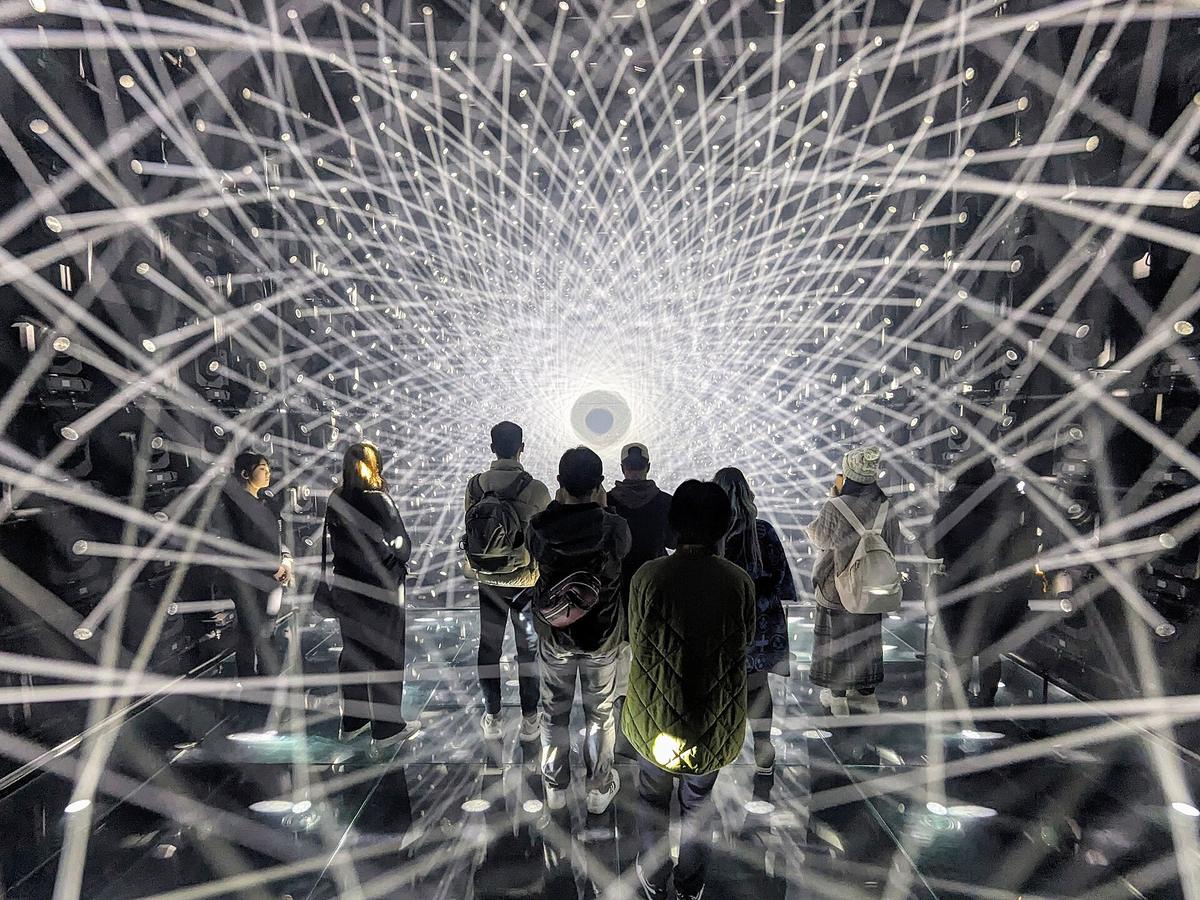

- Borderless Location: Azabudai Hills, Minato-ku
- Planets Location: Toyosu, Koto-ku
- Borderless Concept: Artworks move between rooms, no fixed route
- Planets Concept: Water and garden installations, single-direction route
- Ticket Prices (Adult): From JPY 3,800 at both venues
- Ticket Prices (Child, ages 4, 12): From JPY 1,300 at both venues
- Infant Entry (age 3 and under): Free at both venues
- Advance Booking Window: Tickets released up to 2 months ahead for both venues
- Weekend Sell-Out Time (Borderless): 2, 4 weeks in advance
- Weekend Sell-Out Time (Planets): 1, 3 weeks in advance
- Typical Visit Duration (Borderless): 2, 3 hours
- Typical Visit Duration (Planets): 1, 2 hours
- Footwear: Planets: shoes and socks removed. Borderless: shoes worn throughout.
- Clothing Restriction: Planets: skirts and dresses not recommended. Borderless: none enforced.
How the Borderless Timed-Entry System Works
Borderless tickets release on a rolling calendar up to two months in advance. For a Saturday visit in June, slots open sometime in April. Use the official teamLab website and the designated ticket partner. Nothing else matters. Third-party resellers mark up prices and sometimes sell slots that overlap with your existing time window. That creates a problem at the door.
You choose a 30-minute entry window when you book. Arrive late and you lose your slot. Arrive early and you wait. The venue holds you to that window. Plan your train transfer from wherever you are staying in Tokyo with a 15-minute buffer. Azabudai Hills sits in Minato-ku, about a 10-minute walk from Kamiyacho Station on the Hibiya Line or a 12-minute walk from Roppongi-itchome Station on the Namboku Line. Station navigation in Tokyo eats time. Add that to your calculation.
What Happens If You Miss Your Window
You do not get a refund. You do not get bumped to the next available slot. The staff will turn you away and direct you to the counter to buy a new ticket for a later time, but only if any slots remain that day. On weekends, that is unlikely. On weekdays during peak cherry blossom season in late March to early April, it is also unlikely. Book for the first window of the day, 09:00 or 10:00, and you buy yourself the option to stay for the full 2 to 3 hours without feeling rushed.
ID Requirements and Payment
No printed ticket is required. Show the QR code on your phone at the entrance. The name on the booking does not have to match the attendee, so you can buy tickets for someone else. Payment works with most international credit cards on the official site, but cards issued outside Japan sometimes fail. If yours does, withdraw cash at a 7-Eleven ATM and buy a ticket at the venue's box office. Only do this if you accept the risk of a sell-out. Safer: borrow a friend's card or use a digital wallet like Apple Pay if the site accepts it.
Borderless Versus Planets: Which One Should You Pick?
Choose Borderless If You Want to Get Lost
Borderless is the better choice for solo explorers who want to lose themselves in a space where no two visits are the same. The artwork changes rooms while you watch. A single installation might appear in one corner, then vanish to reappear somewhere else. There are no closures for mirrored floors at Borderless, so you wear your shoes the whole time. No water installations either. You can wear anything you like without worrying about wet hems or bare feet. Young children run freely without physical obstacles, and the lack of a fixed route means they can explore rooms at their own pace.
Choose Planets If You Want a Sequence
Planets demands a different attitude. Remove your shoes and socks at the entrance. The mirrored floors are extensive. Do not wear skirts or dresses: the reflections expose more than you might expect. You wade through water up to knee-height, then step into a garden. The route is unidirectional. You cannot backtrack. The whole experience runs 1 to 2 hours, shorter than Borderless, and the sensory effects in some rooms are strong. Supervise very young children in the water areas. Children sensitive to flashing lights or loud soundscapes may find certain rooms overwhelming.
Your decision comes down to one question: do you want to wander or to be guided? If you want to wander, choose Borderless. If you prefer a structured sequence with a clear beginning and end, choose Planets. There is no wrong answer. There is only a wrong assumption that they are interchangeable.
How to Do it Well and What to Skip
Arrive at Azabudai Hills 15 minutes before your slot. The entrance is on the B1 floor of the Mori Building. Use the Japan Official Travel App for station floor maps that work offline. Google Maps struggles with the vertical navigation inside the multi-floor complex. Do not bring a large suitcase. There is no coin locker large enough for checked luggage inside the venue, and the surrounding station lockers fill by mid-morning.
The mistake most visitors make is trying to combine Borderless with Tokyo Tower or Roppongi in the same afternoon. Azabudai Hills sits near Roppongi, part of the international nightlife and art triangle. But the 2 to 3 hours inside Borderless will leave your legs tired and your eyes adjusting to natural light. Stacking another major attraction immediately after it guarantees a rushed, resentful experience. Book a late lunch at one of the restaurants in Azabudai Hills itself instead. Or walk to a nearby depachika basement food hall for grazing. The system works when you respect its pace.
When to Skip Borderless Entirely
Skip Borderless if crowds and underground mazes trigger anxiety rather than curiosity. The venue is a dimly lit, sprawling labyrinth with no obvious exits. The constant press of people moving in random directions can feel overwhelming. Skip it also if you are on a shoestring budget. The ticket price from JPY 3,800 for an adult is not high by Tokyo standards, but the opportunity cost of a half-day spent indoors when you have only five full days in the city is significant. Travelers who prefer compact, walkable old towns and cheap street food will find better value in Asakusa's Senso-ji temple grounds or a morning at Ueno Park's museums. Borderless suits the solo explorer who enjoys anonymity, the design enthusiast tracking immersive art trends, and the return visitor who has already checked off the major sights.
Common Questions
Can I buy teamLab Borderless tickets at the door?
Only if unsold slots remain for that day. On weekends and during peak season (late March to early April for cherry blossoms, late November for autumn foliage), tickets sell out 2 to 4 weeks in advance. Do not rely on walk-up availability.
How far in advance do teamLab Borderless tickets go on sale?
Tickets release up to two months ahead on a rolling calendar. Check the official teamLab website on the first of each month for the next month's dates.
What is the difference between teamLab Borderless and teamLab Planets?
Borderless is a maze with artworks that move between rooms and no fixed route. Planets is a single-direction route through water and garden installations with barefoot wading. Borderless takes 2 to 3 hours; Planets takes 1 to 2 hours. Plan your choice based on whether you prefer wandering freely or following a curated sequence.
Can I wear skirts or dresses at teamLab Borderless?
Yes. Borderless has no clothing restrictions. Planets has extensive mirrored floors where skirts and dresses are not recommended due to reflections.
Is teamLab Borderless suitable for young children?
Yes. There are no water installations or physical obstacles at Borderless, and children are free to explore. Supervision is still recommended, but the venue is more accessible for young children than Planets, which has deep water sections and strong sensory effects in some rooms.
Read next
-
 Tokyo Hotels by Type and Budget from Capsules to Luxury
Tokyo hotels organised by type and price band, from efficient capsule pods to full-service luxury towers, to help you book the right room.
Tokyo Hotels by Type and Budget from Capsules to Luxury
Tokyo hotels organised by type and price band, from efficient capsule pods to full-service luxury towers, to help you book the right room.
-
 Where to Stay in Tokyo by District and Travel Style
A comparison of Tokyo's major districts to help you choose the right base for your travel style, whether you want calm or chaos.
Where to Stay in Tokyo by District and Travel Style
A comparison of Tokyo's major districts to help you choose the right base for your travel style, whether you want calm or chaos.
-
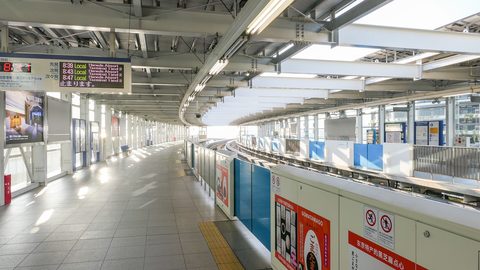 Narita or Haneda for Tokyo and What That Airport Choice Costs You
Narita or Haneda for Tokyo: compare door-to-district time, transfer cost, and what the wrong airport choice eats from your trip.
Narita or Haneda for Tokyo and What That Airport Choice Costs You
Narita or Haneda for Tokyo: compare door-to-district time, transfer cost, and what the wrong airport choice eats from your trip.
-
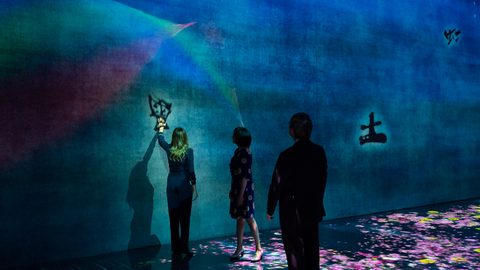 Things to Do in Tokyo That Are Worth Your Limited Days
A curated list of Tokyo's highest-impact sights and experiences, from immersive art to quiet backstreets, to help you prioritise your days.
Things to Do in Tokyo That Are Worth Your Limited Days
A curated list of Tokyo's highest-impact sights and experiences, from immersive art to quiet backstreets, to help you prioritise your days.
-
 Best Time to Visit Tokyo Month by Month Tradeoffs
A month-by-month guide to visiting Tokyo, laying out the trade-off between weather, crowds, price, and what's actually open.
Best Time to Visit Tokyo Month by Month Tradeoffs
A month-by-month guide to visiting Tokyo, laying out the trade-off between weather, crowds, price, and what's actually open.
-
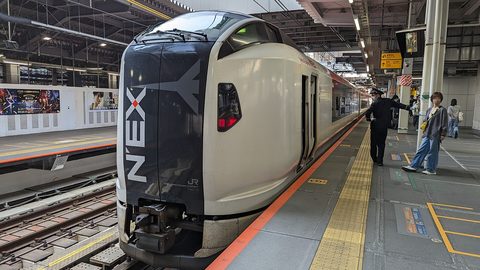 Getting Around Tokyo by Train Airport Transfers and IC Cards
A practical guide to Tokyo's rail network, covering airport transfers, IC cards, and how to avoid the station navigation mistakes that eat your day.
Getting Around Tokyo by Train Airport Transfers and IC Cards
A practical guide to Tokyo's rail network, covering airport transfers, IC cards, and how to avoid the station navigation mistakes that eat your day.
-
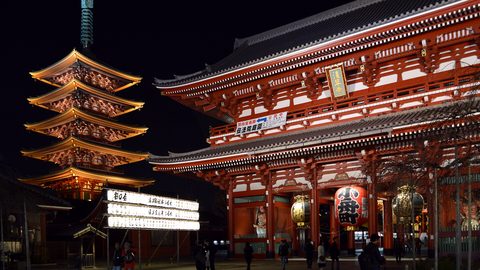 Senso-ji
 is free and never closes, but the experience at 6am with empty Nakamise stalls is nothing like the 11am crush under Kaminarimon. Here is when to go and what you get at each hour.
Senso-ji
Senso-ji is free and never closes, but the experience at 6am with empty Nakamise stalls is nothing like the 11am crush under Kaminarimon. Here is when to go and what you get at each hour.
-
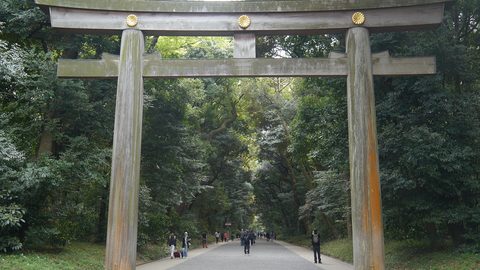 Meiji Jingu
The Meiji Jingu visit changes completely depending on which torii gate you enter. One drops you from Harajuku noise into sudden forest, the other builds quiet slowly from Yoyogi.
Meiji Jingu
The Meiji Jingu visit changes completely depending on which torii gate you enter. One drops you from Harajuku noise into sudden forest, the other builds quiet slowly from Yoyogi.
-
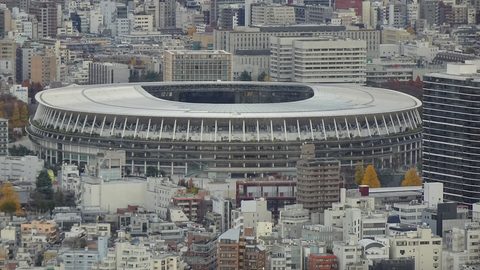 Shibuya Sky
 at sunset is a booked-out Tokyo experience for a reason, but the Metropolitan Government Building and Bunkyo Civic Center offer free high-rise views worth comparing.
Shibuya Sky
Shibuya Sky at sunset is a booked-out Tokyo experience for a reason, but the Metropolitan Government Building and Bunkyo Civic Center offer free high-rise views worth comparing.