A Guide to Tokyo Shopping by Product and District
A product-focused guide to Tokyo shopping, matching vintage clothing, anime goods, design items, and food souvenirs to their best districts.
A Guide to Tokyo Shopping by Product and District
Most visitors land in Tokyo and try to shop everywhere at once. They wander into a department store in Shinjuku, buy a random T-shirt in Shibuya, and return home with nothing that justifies the luggage space. The city is not one shopping destination. It is a network of specialised districts, each built around a single type of product. Match your desire to the right neighbourhood. You leave with exactly what you came for. No wasted steps.
Vintage Clothing in Shimokitazawa
Skip Harajuku for vintage. Takeshita-dori has second-hand racks, yes, but the crowds are punishing and the curation is shallow. Shimokitazawa is where the real inventory lives. This low-rise neighbourhood of narrow streets and live houses holds dozens of independent vintage shops, many specialising in a single decade or a specific American workwear line. You dig through bins, check stitching, and find pieces that cost ¥2,000 to ¥8,000. The experience is tactile, slow, and rewarding for anyone who knows their denim or their deadstock band tees.
How to Work the Neighbourhood
Plan three hours minimum. Arrive by mid-afternoon to avoid the lunch rush at the curry shops that break up the blocks.

Anime Collectibles in Akihabara and Nakano Broadway
Akihabara is the famous answer, and it delivers, but it comes with a warning. The main drag is loud, the maid cafes are aggressive, and the big towers Yodobashi Camera and Sofmap are overwhelming in scale. Go to Akihabara for one thing only: current-season figures, new-release trading cards, and the energy of the arcades.
Nakano Broadway for Rare Finds
For everything else, ride the train 15 minutes west to Nakano Broadway. This indoor mall is a warren of tiny stalls inside a quotidian shopping centre. Mandarake alone has multiple branches inside the complex, each dedicated to a different genre of anime cel, manga back issue, or idol goods. Prices here are 30 to 50 percent below US or EU retail because the volume of stock is staggering and the yen is weak. Bring cash. Many stalls do not take cards.
Design Goods in Daikanyama and Nakameguro
If your interest is furniture, ceramics, stationery, or independent fashion labels, skip Ginza. Ginza is for flagship luxury and it does that well, but the design district you want is Daikanyama and its canal-side extension Nakameguro. These are affluent, quiet neighbourhoods where shops are curated as galleries. A single store might stock three Japanese pottery lines, each from a different prefecture, alongside hand-dyed scarves and a single shelf of art books. The experience is unhurried. You walk past a boutique, step inside, and the owner nods from a stool. You browse without pressure.
Navigating the Backstreets
The addresses are not on the main roads. Use Google Maps, pay attention to the vertical navigation inside multi-floor buildings, and budget an afternoon for just three blocks. That is enough.
Food Souvenirs at Depachika in Shinjuku and Nihonbashi
Do not buy food souvenirs at the airport. The selection is safe and overpriced. Go to a depachika instead, the basement-level food hall inside major department stores. Isetan Shinjuku and Mitsukoshi Nihonbashi are the best. Each floor holds dozens of counters selling wagashi, teriyaki-grade sauces, individually wrapped matcha cookies, and bento boxes so beautiful you will reconsider gifting them.
The Depachika Rules
Buy consumables only, spend at least ¥5,000 per store per day, and keep everything sealed in the tax-free bag until you leave Japan. The packaging is elaborate, which means your luggage fills fast, but the gifts will be the ones your friends actually remember. Skip the long queues for a single famous cheesecake brand. Walk the hall and buy what looks best to you.

Kitchen Knives in Kappabashi
Kappabashi is not a tourist trap. It is a working wholesale street for restaurant supplies, and it is the only place in Tokyo where you should buy a kitchen knife. The street runs for about 800 metres, lined with shops selling plastic food samples, ceramic tableware, and knives. Kama-asa is the go-to store: a narrow shop front that opens into a wall of blades, from ¥5,000 carbon-steel workhorses to ¥50,000 hand-forged yanagiba.
Price, Tax and the Tsukiji Trap
Prices run 20 to 40 percent below what you would pay at a specialist retailer in London or New York, and the staff will sharpen and engrave on the spot. Bring your passport. The tax-free threshold applies, and the knife must leave Japan within 30 days. Do not buy a knife in Tsukiji Outer Market. The selection is smaller and the markup higher.
Who This Guide is for and Who Should Skip it
This page suits the traveller who likes a mission. You know what you want, you are willing to take a train to the right district, and you would rather buy one great thing than five mediocre things. It suits solo explorers, food obsessives, pop culture enthusiasts, and efficiency nerds who appreciate a system that works. It does not suit anyone on a tight budget looking for hostels and cheap street food, anyone who needs a compact walkable old town, or anyone who finds underground station mazes and crowds stressful rather than energising. Tokyo rewards focus. Bring that, and the shopping will take care of itself.
Common Questions
Can I find good vintage clothing in Harajuku?
Harajuku has second-hand shops, but the real depth is in Shimokitazawa. Takeshita-dori is crowded and the curation is broad. Shimokitazawa has specialist shops for specific eras and workwear. Go there instead.
Is Nakano Broadway better than Akihabara for anime goods?
For rare manga, vintage cels, and collectible toys, yes. Akihabara is better for new releases and electronics. Nakano Broadway has lower prices due to volume and the weak yen. Bring cash for the small stalls.
Where should I buy kitchen knives in Toyko?
Kappabashi, specifically Kama-asa. The wholesale street has better prices and wider selection than Tsukiji Outer Market. Prices are 20 to 40 percent below overseas specialist stores. Carry your passport for tax-free purchase.
What is the minimum spend for tax-free shopping in Japan?
¥5,000 per store per day for general goods and consumables. For consumables, the maximum spend is ¥500,000 per day. The items must be sealed in a tax-free bag and taken out of Japan within 30 days.
Read next
-
 Tokyo Hotels by Type and Budget from Capsules to Luxury
Tokyo hotels organised by type and price band, from efficient capsule pods to full-service luxury towers, to help you book the right room.
Tokyo Hotels by Type and Budget from Capsules to Luxury
Tokyo hotels organised by type and price band, from efficient capsule pods to full-service luxury towers, to help you book the right room.
-
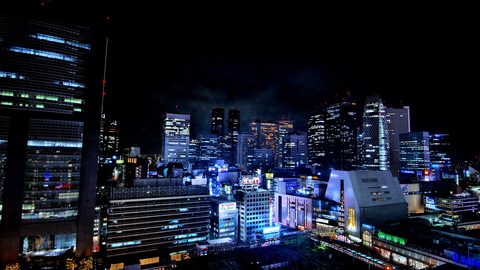 Where to Stay in Tokyo by District and Travel Style
A comparison of Tokyo's major districts to help you choose the right base for your travel style, whether you want calm or chaos.
Where to Stay in Tokyo by District and Travel Style
A comparison of Tokyo's major districts to help you choose the right base for your travel style, whether you want calm or chaos.
-
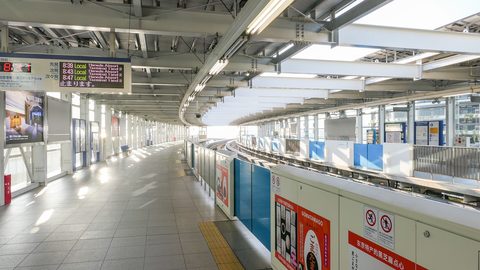 Narita or Haneda for Tokyo and What That Airport Choice Costs You
Narita or Haneda for Tokyo: compare door-to-district time, transfer cost, and what the wrong airport choice eats from your trip.
Narita or Haneda for Tokyo and What That Airport Choice Costs You
Narita or Haneda for Tokyo: compare door-to-district time, transfer cost, and what the wrong airport choice eats from your trip.
-
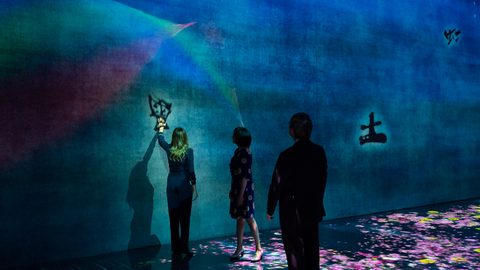 Things to Do in Tokyo That Are Worth Your Limited Days
A curated list of Tokyo's highest-impact sights and experiences, from immersive art to quiet backstreets, to help you prioritise your days.
Things to Do in Tokyo That Are Worth Your Limited Days
A curated list of Tokyo's highest-impact sights and experiences, from immersive art to quiet backstreets, to help you prioritise your days.
-
 Best Time to Visit Tokyo Month by Month Tradeoffs
A month-by-month guide to visiting Tokyo, laying out the trade-off between weather, crowds, price, and what's actually open.
Best Time to Visit Tokyo Month by Month Tradeoffs
A month-by-month guide to visiting Tokyo, laying out the trade-off between weather, crowds, price, and what's actually open.
-
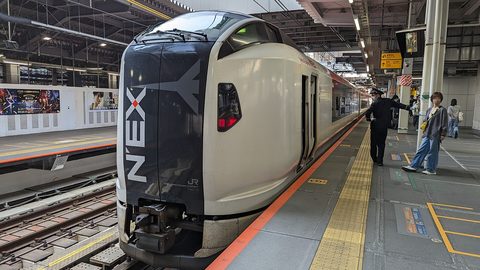 Getting Around Tokyo by Train Airport Transfers and IC Cards
A practical guide to Tokyo's rail network, covering airport transfers, IC cards, and how to avoid the station navigation mistakes that eat your day.
Getting Around Tokyo by Train Airport Transfers and IC Cards
A practical guide to Tokyo's rail network, covering airport transfers, IC cards, and how to avoid the station navigation mistakes that eat your day.
-
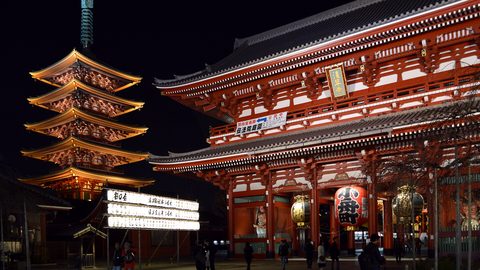 Senso-ji
 is free and never closes, but the experience at 6am with empty Nakamise stalls is nothing like the 11am crush under Kaminarimon. Here is when to go and what you get at each hour.
Senso-ji
Senso-ji is free and never closes, but the experience at 6am with empty Nakamise stalls is nothing like the 11am crush under Kaminarimon. Here is when to go and what you get at each hour.
-
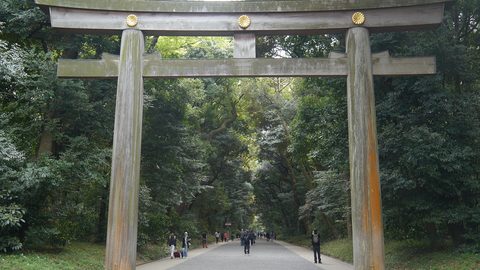 Meiji Jingu
The Meiji Jingu visit changes completely depending on which torii gate you enter. One drops you from Harajuku noise into sudden forest, the other builds quiet slowly from Yoyogi.
Meiji Jingu
The Meiji Jingu visit changes completely depending on which torii gate you enter. One drops you from Harajuku noise into sudden forest, the other builds quiet slowly from Yoyogi.
-
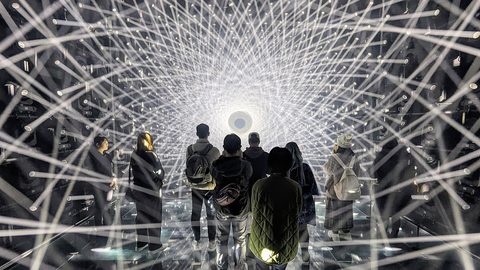 teamLab
 Borderless and Planets are two different Tokyo venues with separate booking systems. Borderless tickets at Azabudai Hills sell in timed slots and the maze has no fixed route.
teamLab
teamLab Borderless and Planets are two different Tokyo venues with separate booking systems. Borderless tickets at Azabudai Hills sell in timed slots and the maze has no fixed route.