Futako-Tamagawa A Riverside Tokyo Neighbourhood Where Daily Life Unfolds
Futako-Tamagawa offers a look at residential riverside Tokyo far from the tourist circuit. Here is what the Tama River terrace and Rise complex reveal about daily life in Setagaya.
- Flag
-
- ISO code
- JP
Futako-Tamagawa: a Riverside Tokyo Neighbourhood Where Daily Life Unfolds
A woman in tailored linen walks a small dog along a 1.2 kilometre park strip at 7:15 on a Tuesday morning. A man in a suit cycles past her on the Tamagawa Cycling Road, heading toward the Tokyu Department Store entrance before the 10:00 opening. This is Futako-Tamagawa. Nothing here is designed for a tourist. That is the point.
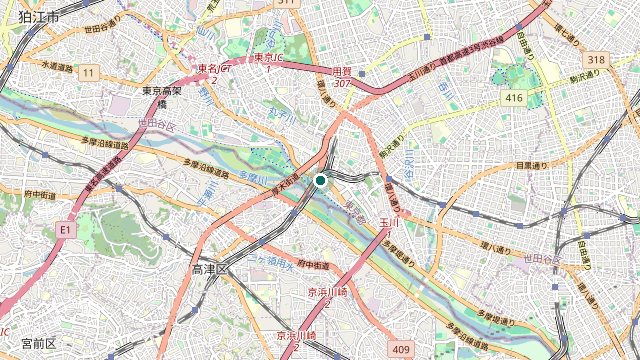
Futako-Tamagawa is a residential district in Setagaya Ward, home to about 25,000 people, where the Tama River bends south and the Den-en-toshi Line runs a 10 minute express train to Shibuya. You come here not to see a landmark but to watch how affluent Tokyo lives when it is not performing for visitors. The area has no temple gate, no scramble crossing, no souvenir stall. What it has is a 6.3 hectare mixed use development called Futako-Tamagawa Rise, a 53 kilometre cycling path along the river, and a daily rhythm built around school drop offs, supermarket runs, and the 170,000 passengers who pass through the station each day.
This page is for the repeat visitor or the long stay traveller who has done Meiji Jingu, Shibuya, and Asakusa and now wants to understand the Tokyo that exists between those points. If you are here for two days and trying to hit the checklist, skip this page. If you have five days or more, Futako-Tamagawa rewards a half day of quiet observation and a river walk that costs nothing.
The River Terrace and What Happens There
The Park and the Daily Routine
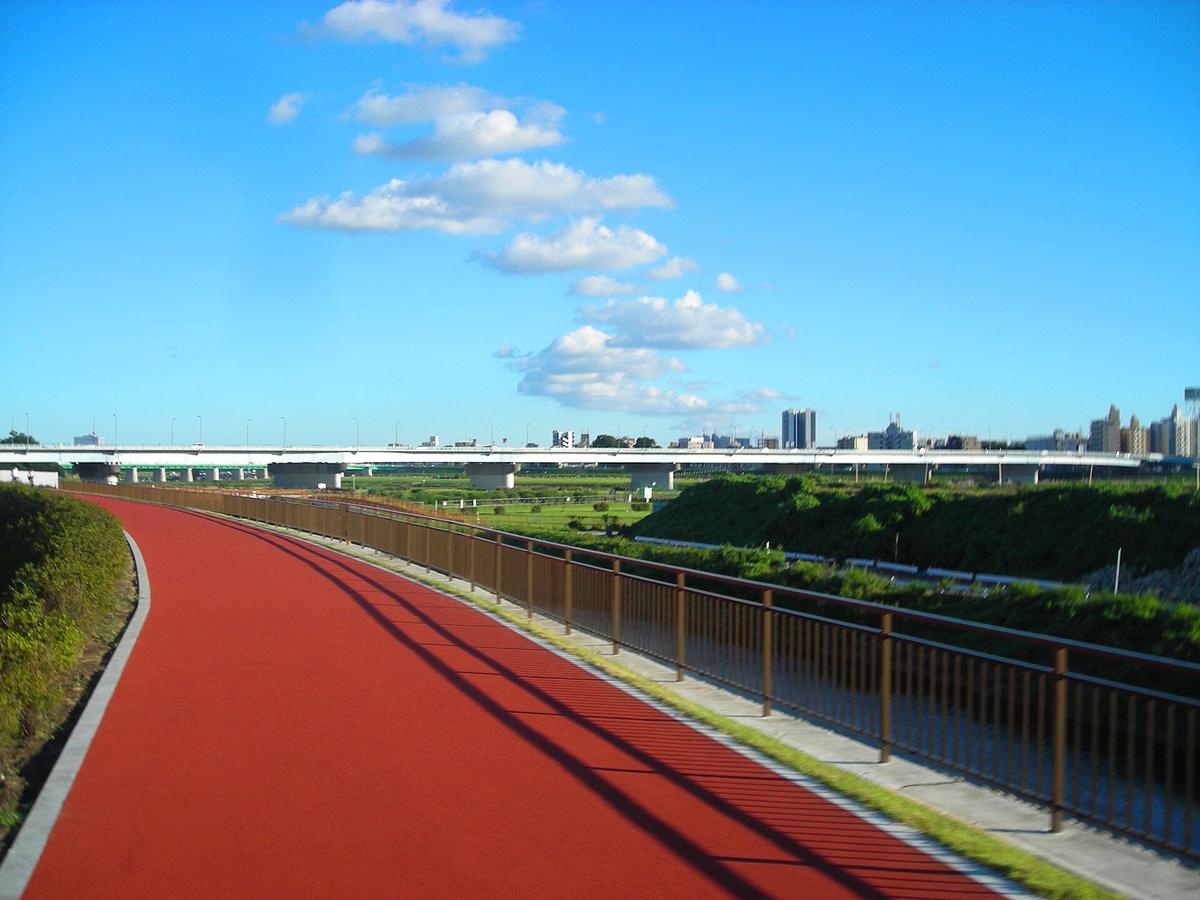
The Tama River, 138 kilometres long from Mount Kasatori in Yamanashi to Tokyo Bay, is the reason this neighbourhood exists. The stretch that runs between Futako-bashi Bridge and the Third Keihin Expressway is a flat, grassy park roughly 1.2 kilometres long. On a weekend afternoon you will see family groups with folding chairs, children learning to ride bicycles, and teenagers sitting on the concrete embankment staring at phones. It is ordinary. That is the draw.
Cycling and Walking the River Path
The Tamagawa Cycling Road runs 53 kilometres from Hamura to Haneda, and the section through Futako-Tamagawa is the most accessible part. Rent a bicycle from a dock near the station or walk the path south toward the river mouth. Do not expect a scenic viewpoint. Expect a functional public space that residents use every day. That is more revealing than any observation deck.
Seasonal Timing
Late March and early April bring cherry blossoms along the riverbank, and late November turns the gingko trees gold. Both periods fill the park with picnickers. Arrive by 09:00 to claim a spot. Mid August is humid and the park offers little shade. Skip it then unless you want to watch how locals endure the heat with handheld fans and convenience store ice cream.
Futako-Tamagawa Rise: a Shopping Centre That Acts Like a Town Square
What the Rise Is
Opened in 2011 by Tokyu Corporation, the same company that built the Den-en-toshi Line, Futako-Tamagawa Rise is a 6.3 hectare complex with 160 commercial tenants, a 30 storey office tower, and a 10 screen cinema called 109 Cinemas. It is not a tourist attraction. It is a shopping centre that functions as the neighbourhood's living room.
How to Use It
The ground floor of the Tokyu Department Store sells groceries, prepared foods, and household goods. The upper floors carry fashion brands you will find in any Japanese department store: nothing exclusive, nothing curated for foreign taste. The rooftop park, 6,000 square metres of artificial grass, is used by parents with strollers and office workers eating lunch. Buy a sandwich from the basement food hall, take the elevator to the roof, and sit on the grass looking at the river. No one will check your ticket because there is no ticket.
What the Rise Gets Wrong
The Rise is bad at evening entertainment. The restaurants close by 22:00, the cinema runs mainstream Japanese and Hollywood releases, and there is no bar scene. After 21:00 the complex feels empty. If you want nightlife, stay in Shibuya or Shinjuku.
How to Spend a Morning Here
Arrive at Futako-Tamagawa Station via the Tokyu Den-en-toshi Line. Use the express train from Shibuya; it takes about 10 minutes. Exit through the south gate, which puts you onto the pedestrian plaza leading to the river. If you exit through the wrong gate, your Suica or Pasmo will recalculate the fare, and you will need to visit the staffed window. Exit south.
Walk to the river first, before the shops open. The park is quiet until 10:00. Follow the path east toward Futako-bashi Bridge, then turn back. By 10:30 the Rise opens, and the basement food hall of the Tokyu Department Store is worth a lap even if you buy nothing. Watch how shoppers select fruit wrapped in individual paper sleeves. Observe the precision of the bento boxes. This is the Tokyo system working at its most mundane and most impressive.
If you want to eat, the third floor has a food court with a view of the river, but the better move is to buy a convenience store egg salad sandwich and an onigiri from a konbini on the walk back to the station. Sit on a bench by the river and eat it. That meal, costing under ¥500, tells you more about how this city functions than an expensive omakase dinner.
.jpg)

What This Area is Not Good for
Futako-Tamagawa is not a sightseeing destination. It has no landmark that appears in guidebook top tens. The Nezu Museum, Yayoi Kusama Museum, and Ghibli Museum are all elsewhere and require separate trips. The Imperial Palace East Gardens are 30 minutes away by train. You cannot see the Skytree from here. The Tama River is a working river, not a scenic canal like the one in Nakameguro.
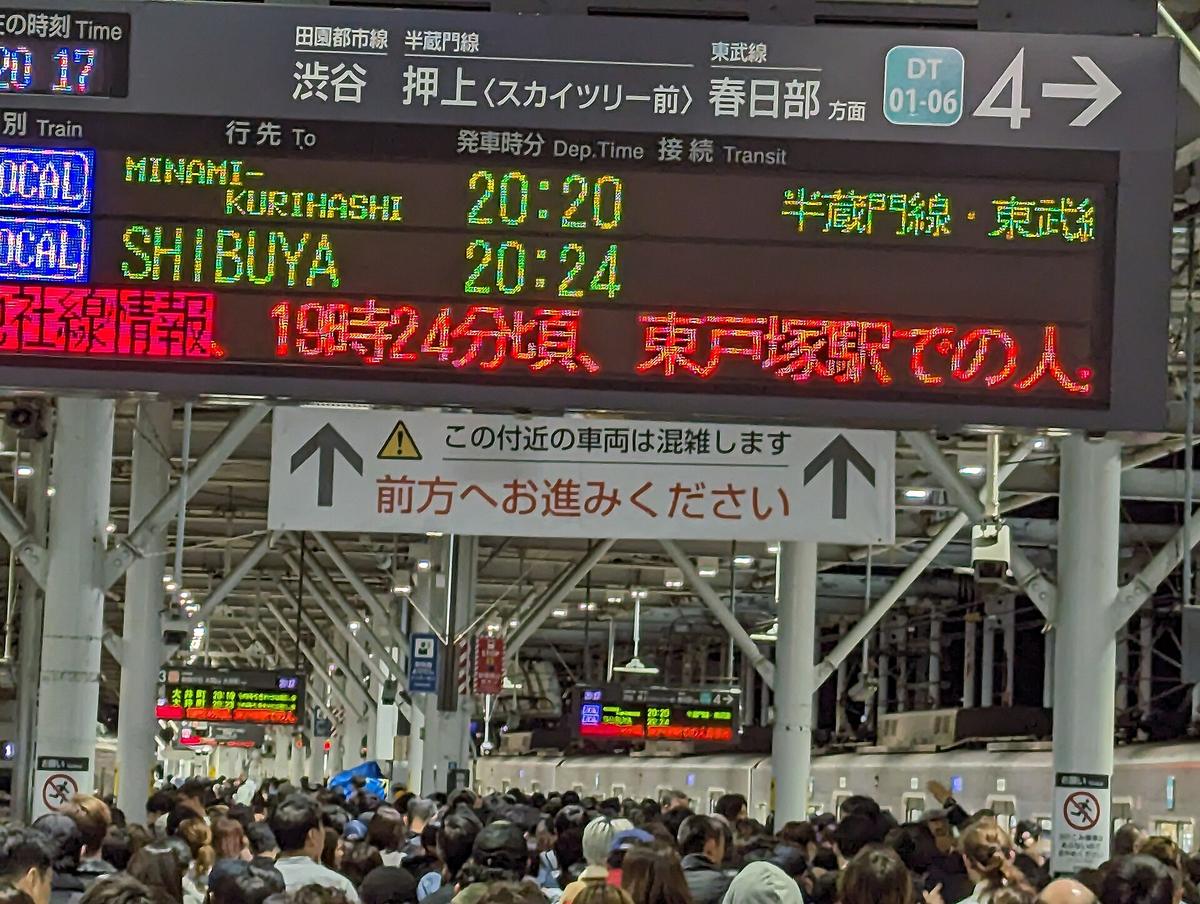
The area is also not cheap. Average land prices run ¥500,000 to ¥700,000 per square metre. The restaurants in the Rise charge Shibuya prices. The station is busy: 170,000 daily passengers means peak hour crowds are real. If you want a compact, walkable old town with cheap street food, go to Kagurazaka or Asakusa. If you want to see how the upper middle class of Tokyo lives on a Tuesday afternoon, come here.
Common Questions
How do I get to Futako-Tamagawa from central Tokyo?
Take the Tokyu Den-en-toshi Line express from Shibuya. The journey is approximately 10 minutes. The Tokyu Oimachi Line also serves the station. Use a rechargeable Suica or Pasmo IC card added to your phone wallet.
Is Futako-Tamagawa worth visiting if I only have three days in Tokyo?
No. The page is for repeat visitors or long stay travellers who have already seen the major sights. With three days, spend your time in Shibuya, Shinjuku, Asakusa, and Ueno.
What is the best time of day to visit?
Morning, between 07:00 and 10:00. The river park is quiet, the commuting crowd is visible but not overwhelming, and the Rise shopping centre opens at 10:00.
Can I cycle along the river?
Yes. The Tamagawa Cycling Road runs 53 kilometres from Hamura to Haneda. The section through Futako-Tamagawa is flat and well maintained. Bicycle rental is available near the station.
Are there cherry blossoms here?
Yes. Late March to early April brings cherry blossoms along the riverbank. It is a local spot, not a tourist destination like Ueno Park. Arrive early to find space.
What restaurants are in Futako-Tamagawa Rise?
The Rise has a basement food hall in the Tokyu Department Store and a third floor food court with river views. There are also sit down restaurants serving Japanese, Italian, and Chinese food. Most close by 22:00.
Is the area good for families?
Yes. The river park, the rooftop park, and the family oriented tenants in the Rise make it a common weekend destination for Tokyo families with young children.
Read next
-
 Japan Travel Guide for First-Timers Who Like Order but Not Crowds
Japan delivers deep tradition and futuristic efficiency, but the language barrier and density of rules can exhaust first-timers. Here is what to actually expect.
Japan Travel Guide for First-Timers Who Like Order but Not Crowds
Japan delivers deep tradition and futuristic efficiency, but the language barrier and density of rules can exhaust first-timers. Here is what to actually expect.
-
 Japan eSIM vs Pocket WiFi vs Physical SIM for Staying Connected
Free public WiFi across Japan is unreliable and slow. What separates eSIM plans is which Japanese carrier they ride on, and whether hotspot sharing is allowed.
Japan eSIM vs Pocket WiFi vs Physical SIM for Staying Connected
Free public WiFi across Japan is unreliable and slow. What separates eSIM plans is which Japanese carrier they ride on, and whether hotspot sharing is allowed.
-
 Japan Visa-Free Entry and the Visit Japan Web Digital Form
Visa-free entry covers many nationalities, but the Visit Japan Web digital form and QR codes determine how quickly you clear immigration at Narita or Haneda.
Japan Visa-Free Entry and the Visit Japan Web Digital Form
Visa-free entry covers many nationalities, but the Visit Japan Web digital form and QR codes determine how quickly you clear immigration at Narita or Haneda.
-
 Cash and IC Cards Are the Real Payment System in Japan
Japan projects a high-tech image but many small restaurants, temples, and rural buses demand cash. IC cards like Suica and Icoca bridge the gap for daily spending.
Cash and IC Cards Are the Real Payment System in Japan
Japan projects a high-tech image but many small restaurants, temples, and rural buses demand cash. IC cards like Suica and Icoca bridge the gap for daily spending.
-
 Fifth Freedom Flights Are the Award Sweet Spot Nobody Searches For
Fifth-freedom flights let you fly a foreign airline between two other countries, and they often have award seats when the airline's own hub routes are sold out.
Fifth Freedom Flights Are the Award Sweet Spot Nobody Searches For
Fifth-freedom flights let you fly a foreign airline between two other countries, and they often have award seats when the airline's own hub routes are sold out.
-
 Every Way Into an Airport Lounge and What Each One Actually Costs You
-
 When a Mileage Upgrade Is the Wrong Way to Spend Miles
Upgrading a paid ticket with miles sounds efficient but the required fare class often costs so much that a straight award booking in the same cabin is cheaper.
When a Mileage Upgrade Is the Wrong Way to Spend Miles
Upgrading a paid ticket with miles sounds efficient but the required fare class often costs so much that a straight award booking in the same cabin is cheaper.
-
 Mistake Fares and Whether an Airline Actually Has to Honour Your Ticket
Mistake fares generate excitement but most airlines cancel them and refund your money, and the US DOT rarely forces them to honour the ticket.
Mistake Fares and Whether an Airline Actually Has to Honour Your Ticket
Mistake fares generate excitement but most airlines cancel them and refund your money, and the US DOT rarely forces them to honour the ticket.