Roppongi After Dark and Before It The Split Personality of Tokyos International Hub
Roppongi shifts from a world-class art triangle by day to an expat nightlife zone after dark. Here is how to read the two sides of Tokyo's most international district.
- Flag
-

- ISO code
- JP
Roppongi After Dark and Before It: the Split Personality of Tokyo’s International Hub
At 15:00 on a Tuesday, Gaien-Higashi-dori is quiet. A salaryman in a pressed grey suit walks past a gallery window. Three women in silk blouses stand outside a design bookstore comparing phone photos of a chair. By 22:00 on Friday, the same stretch of street is shoulder-to-shoulder with men in blazers, women in heels, and touts in cheap suits offering free entry to clubs that do not exist yet. Roppongi does not ease from one state to the other. It flips.
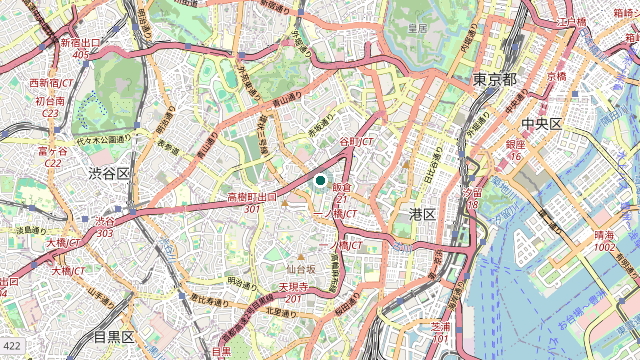
The question is not whether you want daytime Roppongi or nighttime Roppongi. The question is how to experience both without letting one ruin the other. The answer is geography. The art triangle lives north and east of the main crossing. The nightlife core sits right on it. Walk three blocks in the wrong direction after dark and you are in a completely different Roppongi.

The Art Triangle: Three Museums, One Kilometre, Zero Nightlife
How To Do All Three In One Day
The Roppongi Art Triangle is not a marketing invention. It is a walkable circuit of three institutions that sit within roughly one kilometre of each other: the Mori Art Museum, the National Art Center Tokyo, and the Suntory Museum of Art. You can do all three in a single day if you arrive by 10:00 and move at a steady pace. Skip lunch in a sit-down restaurant. Grab an onigiri and egg salad sandwich from a convenience store and eat on a bench in Tokyo Midtown’s plaza.
Start at the National Art Center Tokyo at 7-22-2 Roppongi. It opens at 10:00. The building itself is the first exhibit: a glass wave facade designed by Kisho Kurokawa. The permanent collection is free. Temporary exhibitions cost between ¥1,500 and ¥2,000 depending on the show. Check the website before you go because the gallery closes on Tuesdays. On Fridays and Saturdays it stays open until 20:00, which makes it a good late-afternoon stop if you time it wrong.
Suntory Museum Of Art
From the National Art Center, walk northeast toward Tokyo Midtown. The Suntory Museum of Art is on the third floor of the Galleria building at 9-7-4 Akasaka. It moved here in 2007 but the museum dates to 1961. The collection focuses on Japanese craft and design: lacquer, ceramics, glass, textiles. Admission is ¥1,500. It closes on Tuesdays and during exhibition changeovers. Budget 45 minutes inside.
Mori Art Museum And Tokyo City View
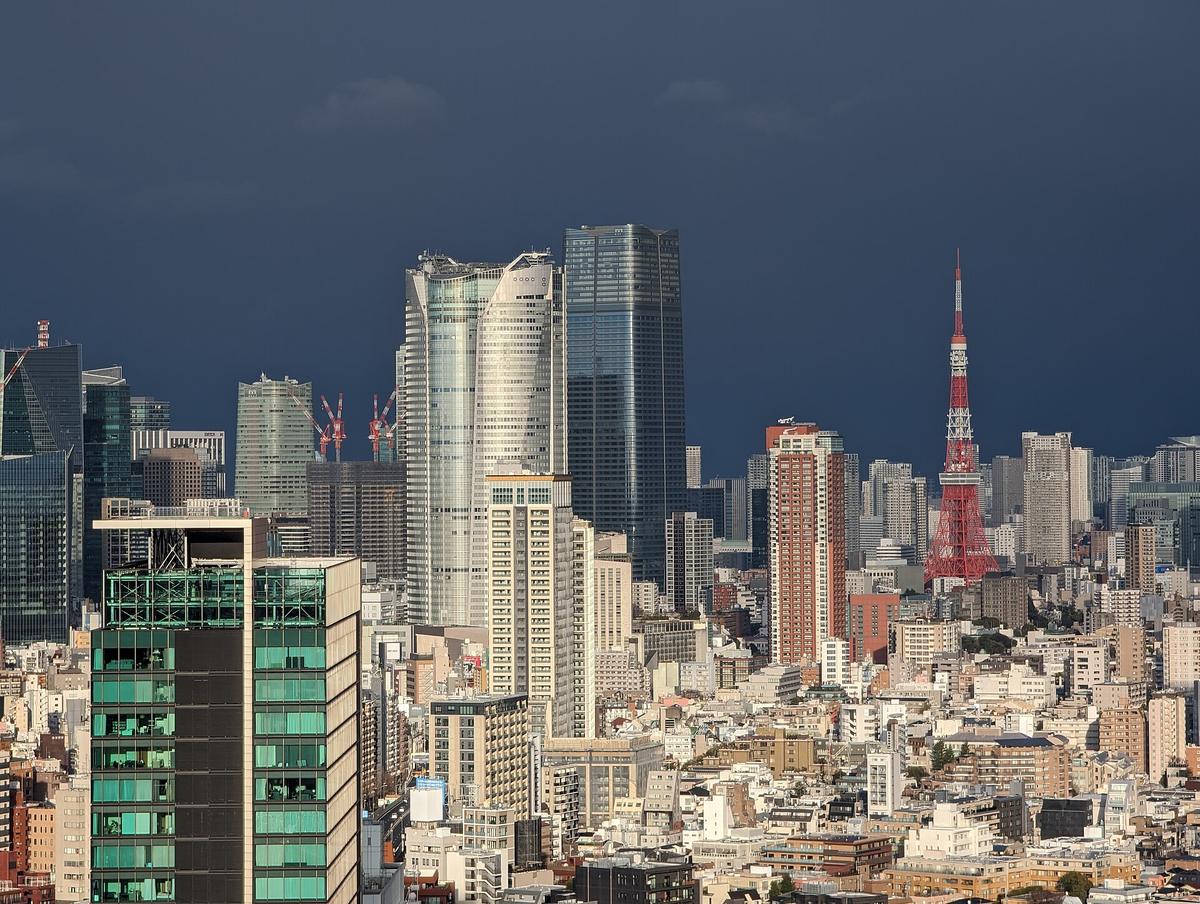
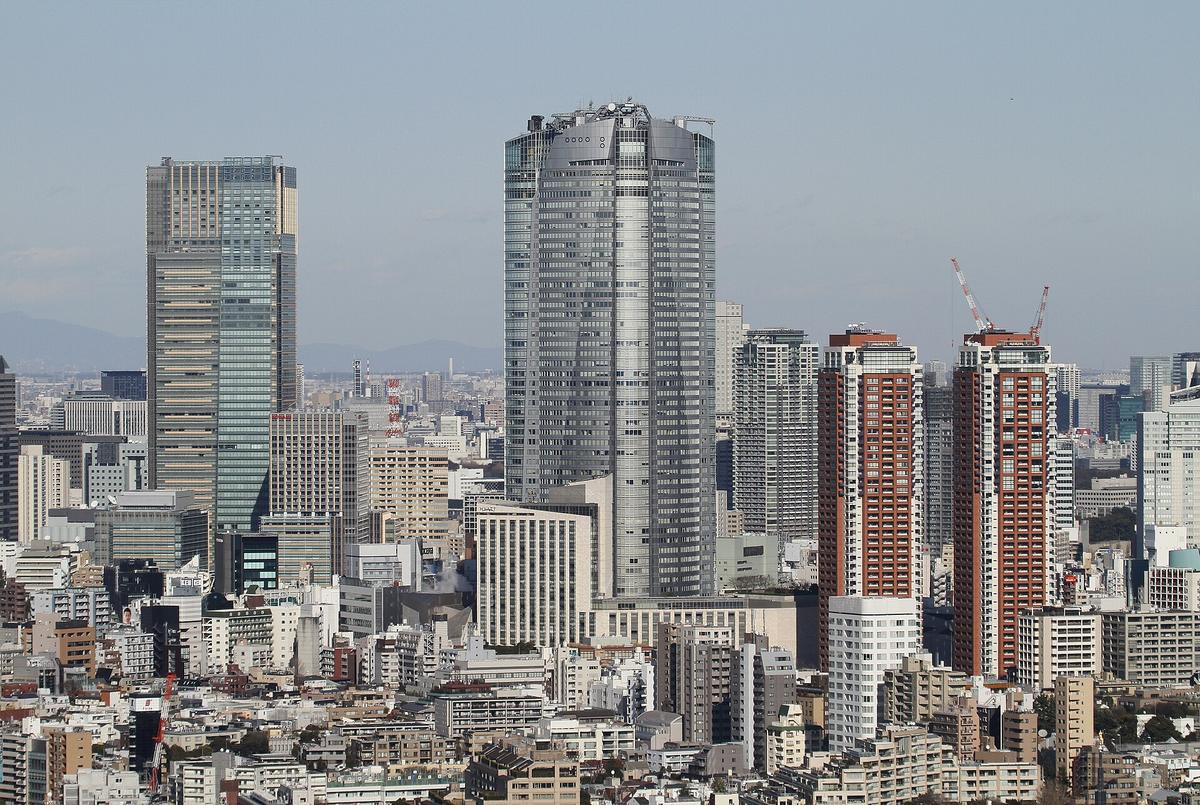
The anchor of the triangle is the Mori Art Museum on the 53rd floor of the Roppongi Hills Mori Tower at 6-10-1 Roppongi. It opened in 2003 and charges ¥2,000 for adult admission. The museum stays open until 22:00, with last entry at 21:30. On Tuesdays it closes at 17:00. This is the only museum in the triangle that works as an evening activity. Go at 17:30. You avoid the daytime crowd, the light through the 53rd-floor windows catches Tokyo at dusk, and you exit into a Roppongi that has not yet turned into a party strip.
The Tokyo City View observation deck on the 52nd floor costs another ¥2,000. The open-air Sky Deck on the roof costs an extra ¥500. The Sky Deck closes at 20:00, last entry at 19:30. Do the Sky Deck first if the weather is clear. Then ride the escalator down one floor to the museum.
Where the Shift Happens: the Crossing and the Side Streets
The Dividing Line
The dividing line is the intersection of Gaien-Higashi-dori and Roppongi-dori. This is Roppongi Crossing. During the day it is a functional junction with a police box at 5-1-1 Roppongi. After 18:00, the touts appear. Their concentration peaks between 20:00 and 03:00, Thursday through Saturday. Their standard tactic is offering free entry or drink discounts. The standard result is a bar-bill scam that can run from ¥30,000 to ¥300,000 per incident, often with spiked drinks. The police box is right there. Use it.
Where The Nightlife Lives
The nightlife core radiates from the crossing along Gaien-Higashi-dori and into the side streets. These blocks are dense with expat bars, international clubs, and venues that operate until dawn. Walk east on Roppongi-dori past the Mori Tower and the clubs thin out. The street becomes offices and apartment blocks. That is your safe boundary.
Roppongi is bad at being a quiet evening neighbourhood. If you want a calm drink after the museums close, walk ten minutes north to Nishi-Azabu or west to Hiroo. Do not stay on the strip. The strip is for people who came for the strip.

What Roppongi is Not Good at
Budget Travel
Roppongi is not a budget area. A bowl of ramen here costs ¥1,200 when it costs ¥800 in Shinjuku. There are no cheap hostels on the main streets. The hotels are business-class and above. The convenience stores are the same price as everywhere else, so eat from them if you are watching your wallet.
Families
Roppongi is not a family district. There is no playground, no park of any size, and the nightlife strip is openly hostile to strollers after 20:00. Bring your kids to the museums during the day. Leave before dinner.
Wandering Aimlessly
Roppongi is not a place to wander. The station is a multi-company hub. Exit through the wrong gate and your transfer ticket invalidates, forcing a fare recalculation at a staffed window. Know which exit you need before you surface. For the art triangle, use Exit 7 for Roppongi Hills or Exit 8 for Tokyo Midtown.
Common Questions
How long does it take to visit all three Art Triangle museums in one day?
Six to seven hours if you move steadily. Start at the National Art Center at 10:00, spend 90 minutes. Walk to the Suntory Museum of Art for 45 minutes. Eat a quick lunch at Tokyo Midtown. Walk to the Mori Art Museum by 13:30. Finish at the Tokyo City View observation deck before 19:30 if you want the open-air Sky Deck.
Is the Art Triangle walkable without a taxi or train?
Yes. The three museums sit within approximately one kilometre of each other. The walk between the National Art Center and the Suntory Museum takes about five minutes. The walk from Suntory to the Mori Art Museum takes about ten minutes. No hills.
What time does Roppongi nightlife actually start?
The touts appear around 18:00. Most bars open at 19:00 or 20:00. Clubs start filling after 22:00. The peak concentration of activity runs from 23:00 to 03:00, Thursday through Saturday.
Are the Art Triangle museums closed on the same days?
No. The National Art Center Tokyo closes on Tuesdays. The Suntory Museum of Art closes on Tuesdays. The Mori Art Museum has irregular closures during exhibition changeover periods. Check each museum’s schedule before planning your day.
Is it safe to walk through Roppongi at night alone?
The main streets are well lit and patrolled. The police box at Roppongi Crossing is staffed. The risk is not street crime. The risk is being lured into a bar with a fake offer and hit with a fraudulent bill. Do not follow touts. Do not accept free drinks from strangers. Stay on the main road.
Can you see Tokyo Tower from the Mori Art Museum?
Yes. The 52nd-floor Tokyo City View observation deck faces Tokyo Tower directly. The tower itself is at 4-2-8 Shibakoen, 332.9 metres tall, opened in 1958. The Main Deck at 150 metres costs ¥1,200. The Top Deck Tour at 250 metres costs ¥3,000. You can see it clearly from the Mori Tower without paying the Tokyo Tower admission.
What is the cheapest way to eat in Roppongi during the day?
Buy an egg salad sandwich and an onigiri from a convenience store. They cost about ¥300 total. Eat on a bench in the Tokyo Midtown plaza or on one of the benches outside Roppongi Hills. A sit-down lunch in the area averages ¥1,500 to ¥2,500.
Read next
-
 Japan Travel Guide for First-Timers Who Like Order but Not Crowds
Japan delivers deep tradition and futuristic efficiency, but the language barrier and density of rules can exhaust first-timers. Here is what to actually expect.
Japan Travel Guide for First-Timers Who Like Order but Not Crowds
Japan delivers deep tradition and futuristic efficiency, but the language barrier and density of rules can exhaust first-timers. Here is what to actually expect.
-
 Japan eSIM vs Pocket WiFi vs Physical SIM for Staying Connected
Free public WiFi across Japan is unreliable and slow. What separates eSIM plans is which Japanese carrier they ride on, and whether hotspot sharing is allowed.
Japan eSIM vs Pocket WiFi vs Physical SIM for Staying Connected
Free public WiFi across Japan is unreliable and slow. What separates eSIM plans is which Japanese carrier they ride on, and whether hotspot sharing is allowed.
-
 Japan Visa-Free Entry and the Visit Japan Web Digital Form
Visa-free entry covers many nationalities, but the Visit Japan Web digital form and QR codes determine how quickly you clear immigration at Narita or Haneda.
Japan Visa-Free Entry and the Visit Japan Web Digital Form
Visa-free entry covers many nationalities, but the Visit Japan Web digital form and QR codes determine how quickly you clear immigration at Narita or Haneda.
-
 Cash and IC Cards Are the Real Payment System in Japan
Japan projects a high-tech image but many small restaurants, temples, and rural buses demand cash. IC cards like Suica and Icoca bridge the gap for daily spending.
Cash and IC Cards Are the Real Payment System in Japan
Japan projects a high-tech image but many small restaurants, temples, and rural buses demand cash. IC cards like Suica and Icoca bridge the gap for daily spending.
-
 Fifth Freedom Flights Are the Award Sweet Spot Nobody Searches For
Fifth-freedom flights let you fly a foreign airline between two other countries, and they often have award seats when the airline's own hub routes are sold out.
Fifth Freedom Flights Are the Award Sweet Spot Nobody Searches For
Fifth-freedom flights let you fly a foreign airline between two other countries, and they often have award seats when the airline's own hub routes are sold out.
-
 Every Way Into an Airport Lounge and What Each One Actually Costs You
-
 When a Mileage Upgrade Is the Wrong Way to Spend Miles
Upgrading a paid ticket with miles sounds efficient but the required fare class often costs so much that a straight award booking in the same cabin is cheaper.
When a Mileage Upgrade Is the Wrong Way to Spend Miles
Upgrading a paid ticket with miles sounds efficient but the required fare class often costs so much that a straight award booking in the same cabin is cheaper.
-
 Mistake Fares and Whether an Airline Actually Has to Honour Your Ticket
Mistake fares generate excitement but most airlines cancel them and refund your money, and the US DOT rarely forces them to honour the ticket.
Mistake Fares and Whether an Airline Actually Has to Honour Your Ticket
Mistake fares generate excitement but most airlines cancel them and refund your money, and the US DOT rarely forces them to honour the ticket.