A Walk Through Harajuku From Crush to Calm in One Tokyo Neighbourhood
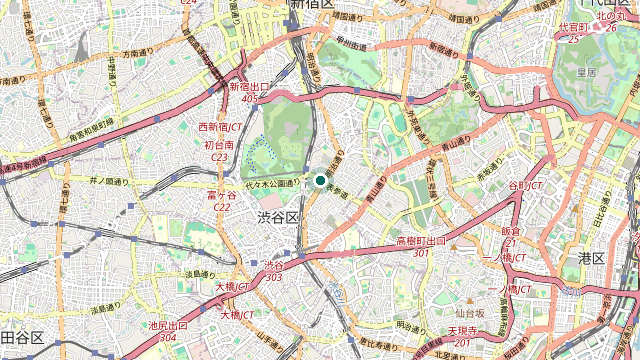
Harajuku shifts from Takeshita-dori's teen crush to Omotesando's designer calm in a single walk. Here is the route that escapes the crowds without leaving the neighbourhood.
- Flag
-

- ISO code
- JP
A Walk Through Harajuku from Crush to Calm in One Tokyo Neighbourhood
You have read about Takeshita-dori. You have seen the photos of the crowd pressed shoulder to shoulder between crepe stands and cheap cosmetics stores. The question is not whether to go. The question is how to get out of it fast enough to reach the Harajuku that actually rewards your time. The answer is a deliberate walk that takes you from the crush to the calm in under ten minutes, without once doubling back.
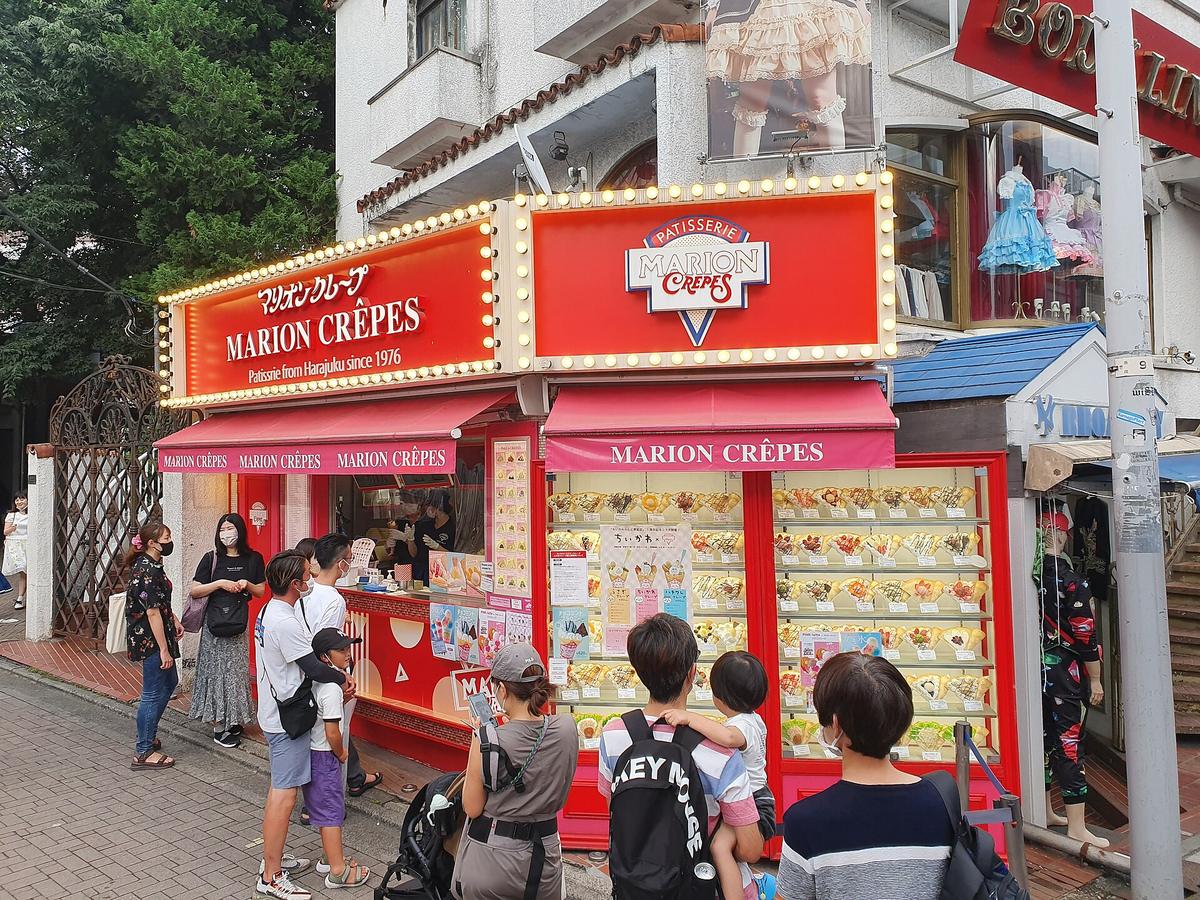
Takeshita-dori runs only about 350 metres. On a Saturday or Sunday afternoon, pedestrian density hits a level where your forward progress is determined by the person in front of you. That is not enjoyable browsing. The minimum viable visit is 15 minutes and the maximum worthwhile is 45 minutes. Go early. Arrive by 10:00 on a weekday and you will see the street before the swell. Go between 13:00 and 16:00 on a weekend and you will understand why locals avoid it entirely.
Do one pass. Look at the wacky socks and the rainbow candy floss. Then take the first left or right off the main drag and disappear into Ura-Harajuku.

Ura-Harajuku: the Backstreets That Define the District
The Grid Behind the Noise
Ura-Harajuku is not a formal neighbourhood. It is the loose grid of residential lanes bounded by Meiji-dori, Omotesando, and Cat Street. The word means "backstreet Harajuku" and that is exactly what it is. Here the crowd drops from crushing to manageable. Independent designer boutiques replace chain stores. A single white T-shirt in a window costs what a full outfit costs on Takeshita-dori. This is where the district earns its reputation for actual fashion, not costume.
Budget 1 to 3 hours. The streets are narrow and unmarked in English, which is the point. You navigate by looking. If a lane looks promising, walk it. If it dead ends, turn around. The residential backstreets north of Cat Street, in the Jingumae 3 and 4 chome blocks, are the quietest. These are actual homes with actual residents. Keep your voice down. Do not block doorways. A woman hanging laundry on a second-floor balcony is not a photo opportunity.
Cat Street: The Pedestrian Corridor
Cat Street itself runs roughly one kilometre from Shibuya to Harajuku. Its official name is Kyu-Shibuya-gawa Yuhodoro, Old Shibuya River Promenade, because it follows the route of a river that was paved over. The street is pedestrian friendly, lined with small cafes and vintage shops that attract a slightly older, quieter crowd than Takeshita. Use it as your natural corridor when you want to drift toward Shibuya without walking up the main road.
Omotesando: Designer Quiet Under Zelkova Trees
The Architecture, Not the Shopping
Omotesando is the broad, tree-lined avenue that forms the southern edge of Harajuku. It runs about 1.1 kilometres and is planted with roughly 150 zelkova trees. The avenue hosts more than 20 flagship stores for global luxury brands, but the architecture is the real draw. Each structure is a statement.
The Dior building, completed in 2003 by the firm SANAA, is a crisp white volume wrapped in translucent panels that glow at night. The Tod's building next to it, by Toyo Ito from 2004, uses a grid of concrete branches that echo the zelkova trees outside. The Prada building, by Herzog and de Meuron from 2003, is a faceted glass tower that looks like a crystal. Omotesando Hills, Tadao Ando's 2006 retail complex, is a long, sloping interior street designed to feel like a riverbed. The Gyre building, by MVRDV from 2007, stacks retail boxes with a glass wall that reveals the structure inside.
How to Walk It
Walk Omotesando on a Sunday afternoon when vehicular traffic is lighter. The density here is deliberate, not chaotic. People move at an even pace. No one is selling you a photo with a costumed mascot. Enter the Prada building just to see the elevator core. The Tod's building has a small exhibition space on the ground floor. Neither requires a purchase.
Exit Strategies When the Crowd Closes in
Four places inside the Harajuku district where the crowd thins out fast.
- Meiji Jingu inner garden paths beyond the main courtyard. The shrine grounds cover 70 hectares with roughly 100,000 trees from 365 species. Most visitors stop at the main hall. Walk past it and the crowd drops by 80 percent.
- Yoyogi Park western forested section. The park is 54.1 hectares with about 10,000 trees and it never closes. The western edge near the NHK broadcasting centre sees almost no foot traffic. Bring a mat and sit.
- Ura-Harajuku residential backstreets north of Cat Street already described. These are silent even on peak Saturdays.
- Omotesando backstreets in Jingumae 3 and 4 chome. These are the side streets south of the main avenue. They are where you find the small galleries, the one-counter sushi places, and the cafes that do not appear on social media feeds.
If you are trapped in the 13:00 to 16:00 peak on a Saturday, do not try to fight through Takeshita back the way you came. Instead, cut east toward Meiji-dori, cross the bridge over the railway tracks, and enter the backstreets from that side. The crowd will not follow because the crepe stands are the other direction.
What Harajuku is Bad at
Harajuku is bad at solitude between noon and evening on weekends. It is bad at cheap meals that are not fast food. It is bad at accommodating large groups in small shops. It is bad at street names that make sense to a first-time visitor. The station exits are confusing; JR Harajuku station has only one exit and it empties directly into the crowd. If you need a calm start, arrive via Meiji-jingumae Station on the Tokyo Metro Chiyoda Line instead. That exit puts you on Omotesando, not Takeshita.
Who This Walk Suits and Who it Does Not
This walk suits the solo explorer who wants to feel the transition between two Tokyos in one afternoon. It suits the design enthusiast who will stop in front of a Tod's building for ten minutes. It suits the repeat visitor who already has the big sights and wants the texture. It does not suit anyone who wants Harajuku to be a cheap, compact, walkable old town. It is not that. It is a district of extremes compressed into a few blocks, and the trick is knowing which block to be on at which hour.
Common Questions
What time should I arrive at Takeshita-dori to avoid the worst crowds?
Arrive by 10:00 on a weekday. On weekends, the crowd peak runs from 13:00 to 16:00. If you must go on a weekend, go at opening time around 10:00 and leave by 11:30.
How long should I spend on Takeshita-dori?
Minimum 15 minutes, maximum 45 minutes. The street is 350 metres. One pass is enough.
What is Ura-Harajuku and where does it start?
Ura-Harajuku is the backstreet area bounded by Meiji-dori, Omotesando, and Cat Street. It starts as soon as you turn off Takeshita-dori onto any side street.
How do I get from Harajuku to Shibuya without walking up the main road?
Walk Cat Street. It runs about one kilometre from Harajuku to Shibuya along the old Shibuya River bed. It is pedestrian friendly and lined with small shops.
Which Omotesando flagship stores are worth seeing for the architecture?
The Dior building by SANAA, Tod's by Toyo Ito, Prada by Herzog and de Meuron, Omotesando Hills by Tadao Ando, and the Gyre building by MVRDV. All are within a five-minute walk of each other.
Is Meiji Jingu worth the walk from Harajuku station?
Yes. The shrine grounds cover 70 hectares with 100,000 trees. Most visitors stop at the main hall, but the inner garden paths are far less crowded. It is a five minute walk from the station.
What is the one thing I should skip in Harajuku?
The crepe queues on Takeshita-dori. The crepes are average and the wait can exceed 20 minutes. Walk five minutes into Ura-Harajuku and find a proper cafe instead.
Read next
-
 Japan Travel Guide for First-Timers Who Like Order but Not Crowds
Japan delivers deep tradition and futuristic efficiency, but the language barrier and density of rules can exhaust first-timers. Here is what to actually expect.
Japan Travel Guide for First-Timers Who Like Order but Not Crowds
Japan delivers deep tradition and futuristic efficiency, but the language barrier and density of rules can exhaust first-timers. Here is what to actually expect.
-
 Japan eSIM vs Pocket WiFi vs Physical SIM for Staying Connected
Free public WiFi across Japan is unreliable and slow. What separates eSIM plans is which Japanese carrier they ride on, and whether hotspot sharing is allowed.
Japan eSIM vs Pocket WiFi vs Physical SIM for Staying Connected
Free public WiFi across Japan is unreliable and slow. What separates eSIM plans is which Japanese carrier they ride on, and whether hotspot sharing is allowed.
-
 Japan Visa-Free Entry and the Visit Japan Web Digital Form
Visa-free entry covers many nationalities, but the Visit Japan Web digital form and QR codes determine how quickly you clear immigration at Narita or Haneda.
Japan Visa-Free Entry and the Visit Japan Web Digital Form
Visa-free entry covers many nationalities, but the Visit Japan Web digital form and QR codes determine how quickly you clear immigration at Narita or Haneda.
-
 Cash and IC Cards Are the Real Payment System in Japan
Japan projects a high-tech image but many small restaurants, temples, and rural buses demand cash. IC cards like Suica and Icoca bridge the gap for daily spending.
Cash and IC Cards Are the Real Payment System in Japan
Japan projects a high-tech image but many small restaurants, temples, and rural buses demand cash. IC cards like Suica and Icoca bridge the gap for daily spending.
-
 Fifth Freedom Flights Are the Award Sweet Spot Nobody Searches For
Fifth-freedom flights let you fly a foreign airline between two other countries, and they often have award seats when the airline's own hub routes are sold out.
Fifth Freedom Flights Are the Award Sweet Spot Nobody Searches For
Fifth-freedom flights let you fly a foreign airline between two other countries, and they often have award seats when the airline's own hub routes are sold out.
-
 Every Way Into an Airport Lounge and What Each One Actually Costs You
-
 When a Mileage Upgrade Is the Wrong Way to Spend Miles
Upgrading a paid ticket with miles sounds efficient but the required fare class often costs so much that a straight award booking in the same cabin is cheaper.
When a Mileage Upgrade Is the Wrong Way to Spend Miles
Upgrading a paid ticket with miles sounds efficient but the required fare class often costs so much that a straight award booking in the same cabin is cheaper.
-
 Mistake Fares and Whether an Airline Actually Has to Honour Your Ticket
Mistake fares generate excitement but most airlines cancel them and refund your money, and the US DOT rarely forces them to honour the ticket.
Mistake Fares and Whether an Airline Actually Has to Honour Your Ticket
Mistake fares generate excitement but most airlines cancel them and refund your money, and the US DOT rarely forces them to honour the ticket.