Asakusa Is Old Tokyo on the East Side With Budget Beds
Asakusa Tokyo guide: Senso-ji temple, old shitamachi streets, and the cheapest central beds with a longer commute to west-side nightlife.
- Flag
-
- ISO code
- JP
- Currency
- JPY
- Timezone
- Asia/Tokyo
Asakusa is Old Tokyo on the East Side with Budget Beds
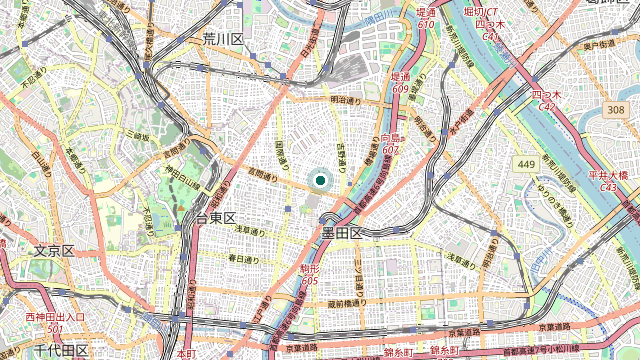
You land in Tokyo and the hotel prices in Shinjuku or Shibuya make you flinch. You look east. Asakusa answers with guesthouses and business hotels at half the rate, and it does so without pretending to be a bargain bin version of the west side. It is a different city entirely, low rise and open sky, anchored by Senso-ji, Tokyo's oldest temple, founded in 628 CE, rebuilt in 1958 after firebombing. The tradeoff is direct: you save on the room but spend an extra 20 to 40 minutes on the subway each time you head west for late night drinking. That is the deal. Decide now whether the saving is worth the commute.
The Geography of Asakusa: What You Walk Through
The Temple Gate and Nakamise-Dori
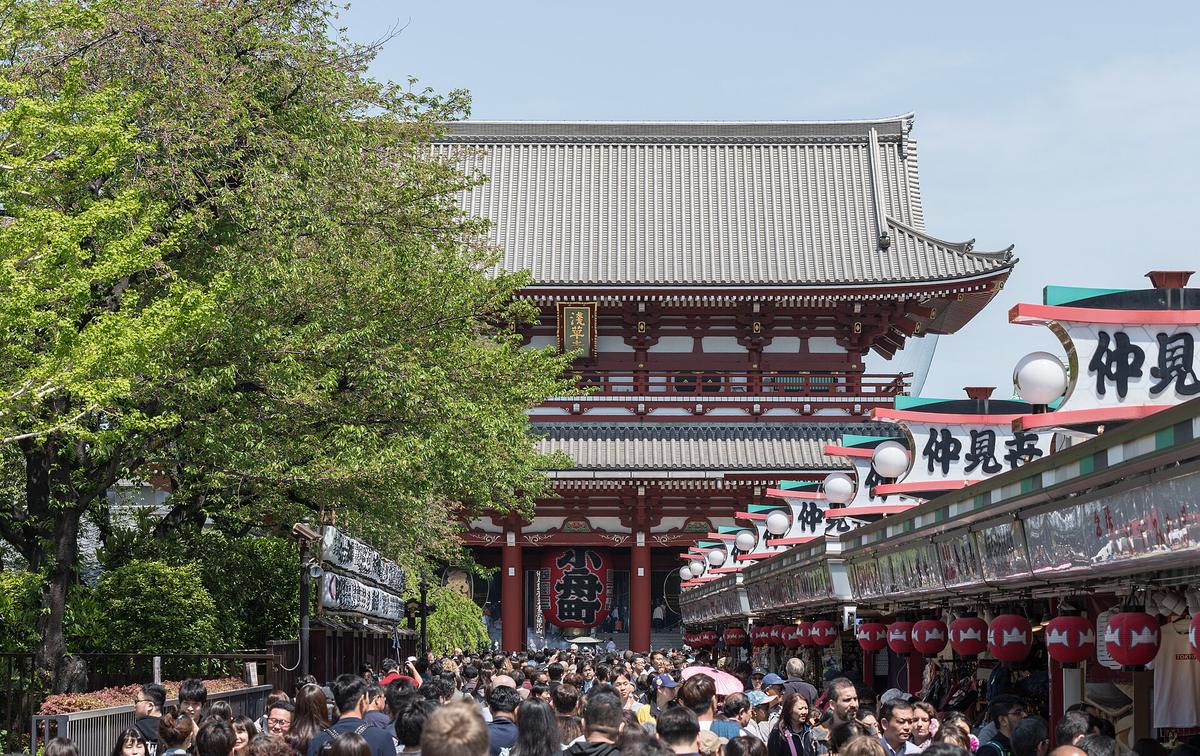
Stand at the Kaminarimon gate, the giant red lantern 3.9 meters tall and 700 kilograms. That gate, current structure from 1960, is the front door. Step through and Nakamise-dori runs 250 meters straight to the temple, 89 shops on both sides, founding year 1685, arcade roof added in 1925. The shops open at 10:00 and close at 17:00, some stretch to 19:00. Do not arrive at 09:30 expecting to browse. Do not arrive at 18:30 expecting a snack. The street is dead by then.
Past Nakamise, the Hozomon gate holds giant waraji sandals 4.5 meters long, each 500 kilograms, installed in the 1964 rebuild. Beyond it, the main hall closes at 17:00 from October to March, 18:00 from April to September. The grounds total 69,000 square meters. The five-story pagoda rises 53.3 meters. The daily opening is 06:00. Go early. The 30 million annual visitors arrive after 10:00. At 07:00 you share the space with a dozen people and a sweep of pigeons.
The Streets After the Temple
After the temple grounds go quiet, the area shifts. Denboin-dori, stone paved, no overhead wires, preserved merchant houses, runs south of the temple. It feels like a stage set. It is real. Hoppy Street, official name Asakusa Nishi-sando Shopping Street, concentrates about 25 izakayas. This is where late night dining lives. The Asakusa Underground Shopping Street, 150 meters long, about 30 shops, is the opposite: cramped, fluorescent, mostly ignored. Worth a fast walkthrough for the time capsule feel, nothing more.

Budget Beds and the Commute Cost
The Subway Tradeoff
Asakusa has the cheapest central beds in Tokyo because the district is on the east side, far from the west side nightlife corridors. The Ginza Line, Asakusa Line, Tobu Skytree Line, and Tsukuba Express all stop at Asakusa Station. The Ginza Line runs directly to Shibuya in about 40 minutes. Shinjuku requires a transfer at Omotesando. That is 45 to 55 minutes each way. Factor that into your evening plans. If your group wants to bar hop in Golden Gai until last train, you will leave by 23:30 or pay for a taxi that costs more than the hotel saving.
What to Do Near the River
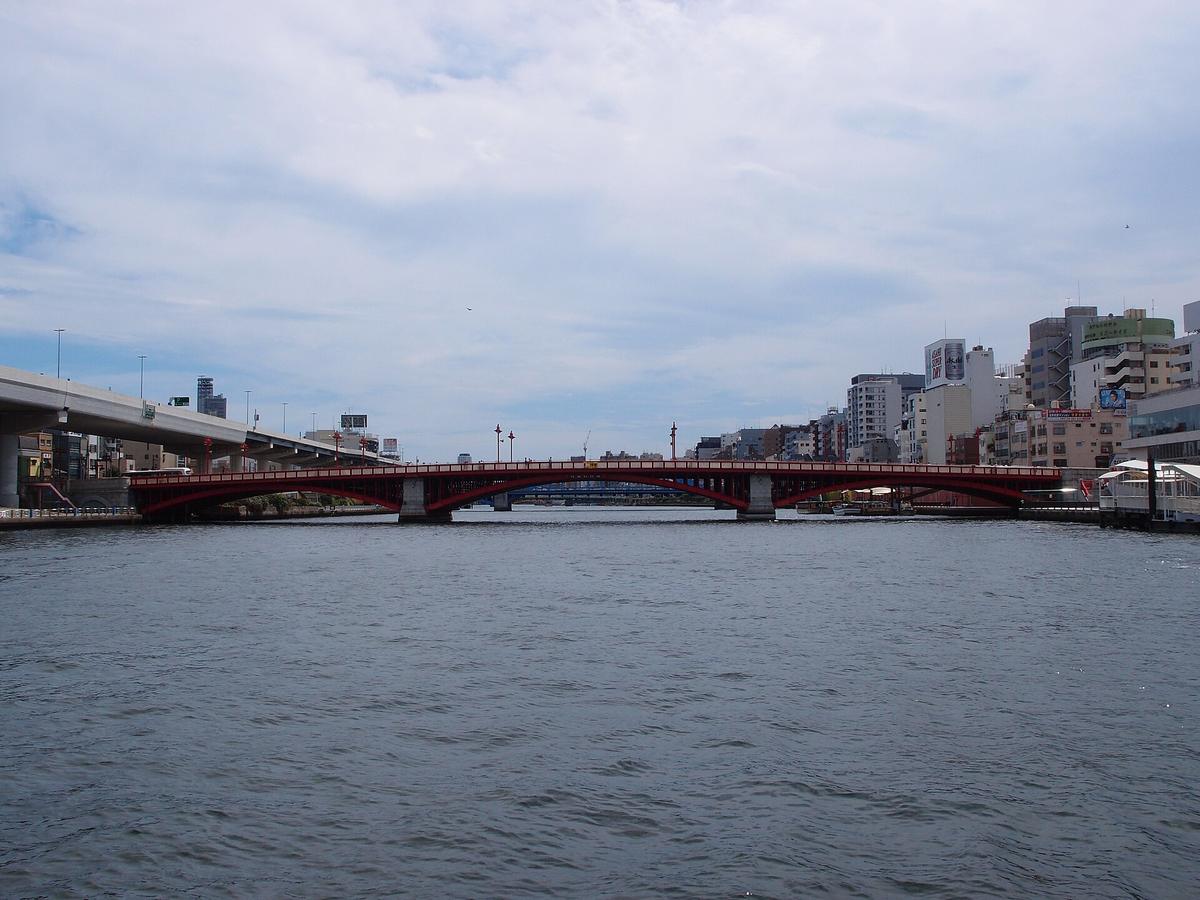
Hanayashiki amusement park, opened 1853, is a 5,800 square meter curiosity with about 20 rides. Not worth a detour unless you are traveling with children or have a taste for nostalgic midcentury Japanese carnival aesthetics. The Asakusa Culture Tourist Information Center, designed by Kengo Kuma, opened 2012, eight floors, observation terrace open until 22:00, is free. Use it for a sunset view over the temple and Skytree. The Sumida River Walk, wood decking, 5 to 8 meters wide, opened 2020, connects Azumabashi to Tokyo Skytree Town, 1.5 kilometers east of Senso-ji. The walk takes about 20 minutes. The temple illumination runs from sunset to 23:00. The grounds are quiet after 20:00. The night pedestrian traffic drops hard. This is Asakusa's secret: it is a morning and early evening district, and that is exactly what buys you the cheap room.
What Asakusa is Bad at and What You Do Instead
Where to Sleep and Eat
Asakusa is bad at late-night anything that is not Hoppy Street. It is bad at luxury shopping. It is bad at anonymity in the temple zone during peak hours. It is bad at quiet if you book a room on Nakamise-dori. The cheap rooms are in the side streets, a five minute walk from the action, and you want that. The guesthouses near Tawaramachi Station on the Ginza Line give you direct train access without the foot traffic noise.
Kappabashi Dougu-gai, the kitchen supply street, is 800 meters long, about 170 stores, founded 1912. The giant chef head statue marks the entrance near Tawaramachi Station. Stores close at 17:00 to 18:00. Arrive by 14:00 to have real browsing time. The plastic food samples are sold here. Buy one as a souvenir, skip the mass-produced keychain versions sold on Nakamise-dori. The Sambu Cafe at the Sumida River Terrace opens around 11:00 and closes around 21:00, but hours vary by establishment and season. Check before you go.
Festival Timing
The Sumida River Fireworks Festival, first recorded in 1733, happens the last Saturday of July, and it is not a cozy local event. It draws crowds that rival Shibuya Scramble. Book your Asakusa room for that date a full year ahead, or skip the district entirely that weekend.
Sanja Matsuri, third weekend of May, first recorded in 1312, is the opposite. It is chaotic and local and the mikoshi processions block streets and the crowd is shoulder to shoulder. If you want to see traditional festival energy, stay. If you want to see the temple without a thousand people pressing against you, schedule for a Tuesday in February.
.jpg)
Common Questions
How far is Asakusa from the main train stations?
Asakusa Station is 40 minutes on the Ginza Line to Shibuya, 50 minutes to Shinjuku via transfer. Direct to Ueno in 5 minutes, to Tokyo Station in 20 minutes via the Asakusa Line.
Is Asakusa safe at night for solo travelers?
Yes. Crime rates are low across Tokyo. By 22:00 Nakamise-dori and the temple grounds are quiet and well-lit. Hoppy Street stays active until midnight. Standard city caution applies.
Can I see Senso-ji without paying anything?
Yes. The main hall and grounds are free. The Nakamise-dori shops are free to browse. The Cultural Information Center observation terrace is free. The only paid elements are the temple's treasures and special exhibitions.
What is the cheapest way to get from Narita to Asakusa?
Take the Keisei Skyliner to Ueno, about 55 to 70 minutes at ¥2,570. Transfer to the Ginza Line for one stop to Asakusa. The Narita Express is faster to central Tokyo but costs more and does not go to Asakusa.
Read next
-
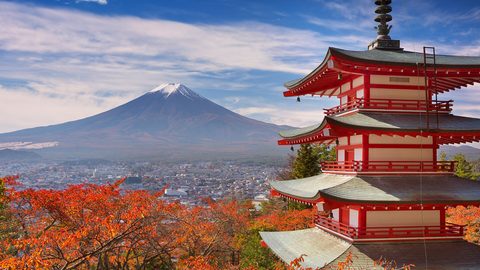 Japan Travel Guide for First-Timers Who Like Order but Not Crowds
Japan delivers deep tradition and futuristic efficiency, but the language barrier and density of rules can exhaust first-timers. Here is what to actually expect.
Japan Travel Guide for First-Timers Who Like Order but Not Crowds
Japan delivers deep tradition and futuristic efficiency, but the language barrier and density of rules can exhaust first-timers. Here is what to actually expect.
-
 Japan eSIM vs Pocket WiFi vs Physical SIM for Staying Connected
Free public WiFi across Japan is unreliable and slow. What separates eSIM plans is which Japanese carrier they ride on, and whether hotspot sharing is allowed.
Japan eSIM vs Pocket WiFi vs Physical SIM for Staying Connected
Free public WiFi across Japan is unreliable and slow. What separates eSIM plans is which Japanese carrier they ride on, and whether hotspot sharing is allowed.
-
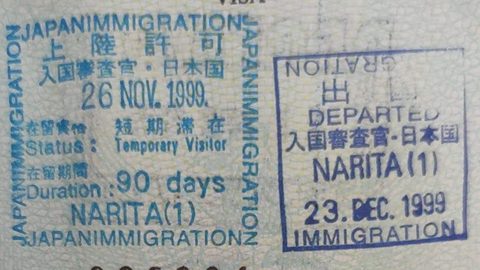 Japan Visa-Free Entry and the Visit Japan Web Digital Form
Visa-free entry covers many nationalities, but the Visit Japan Web digital form and QR codes determine how quickly you clear immigration at Narita or Haneda.
Japan Visa-Free Entry and the Visit Japan Web Digital Form
Visa-free entry covers many nationalities, but the Visit Japan Web digital form and QR codes determine how quickly you clear immigration at Narita or Haneda.
-
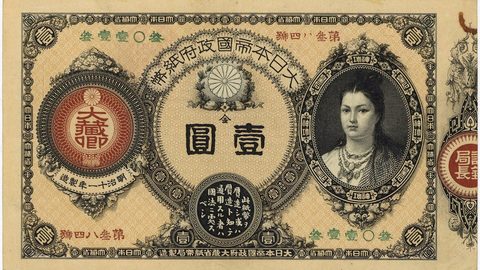 Cash and IC Cards Are the Real Payment System in Japan
Japan projects a high-tech image but many small restaurants, temples, and rural buses demand cash. IC cards like Suica and Icoca bridge the gap for daily spending.
Cash and IC Cards Are the Real Payment System in Japan
Japan projects a high-tech image but many small restaurants, temples, and rural buses demand cash. IC cards like Suica and Icoca bridge the gap for daily spending.
-
 Fifth Freedom Flights Are the Award Sweet Spot Nobody Searches For
Fifth-freedom flights let you fly a foreign airline between two other countries, and they often have award seats when the airline's own hub routes are sold out.
Fifth Freedom Flights Are the Award Sweet Spot Nobody Searches For
Fifth-freedom flights let you fly a foreign airline between two other countries, and they often have award seats when the airline's own hub routes are sold out.
-
 Every Way Into an Airport Lounge and What Each One Actually Costs You
-
 When a Mileage Upgrade Is the Wrong Way to Spend Miles
Upgrading a paid ticket with miles sounds efficient but the required fare class often costs so much that a straight award booking in the same cabin is cheaper.
When a Mileage Upgrade Is the Wrong Way to Spend Miles
Upgrading a paid ticket with miles sounds efficient but the required fare class often costs so much that a straight award booking in the same cabin is cheaper.
-
 Mistake Fares and Whether an Airline Actually Has to Honour Your Ticket
Mistake fares generate excitement but most airlines cancel them and refund your money, and the US DOT rarely forces them to honour the ticket.
Mistake Fares and Whether an Airline Actually Has to Honour Your Ticket
Mistake fares generate excitement but most airlines cancel them and refund your money, and the US DOT rarely forces them to honour the ticket.