When to Walk Through Kaminarimon Without the Crush
Senso-ji is free and never closes, but the experience at 6am with empty Nakamise stalls is nothing like the 11am crush under Kaminarimon. Here is when to go and what you get at each hour.
When to Walk Through Kaminarimon Without the Crush
Your only real decision at Senso ji is what hour you show up. The temple grounds are free and always open. The main hall closes at 17:00 or 18:00 depending on the season. Nakamise dori shuts its stalls by around 19:00. That means you have two completely different places to visit depending on whether you arrive before 08:00 or after 18:00.
The midday version is a tourist bottleneck. The early morning and late night versions are something else entirely.
Show up at 06:30 in October and the grounds are yours. A handful of local worshippers at the incense burner. No queue for the omikuji. The 3.9 meter 700 kg Kaminarimon lantern hangs above an empty street. You can hear the wooden geta of a single priest crossing the courtyard. That is the real Senso ji. The one that has been here since the 7th century without the machinery of a global attraction layered on top.
Skip the 10:00 to 15:00 Window
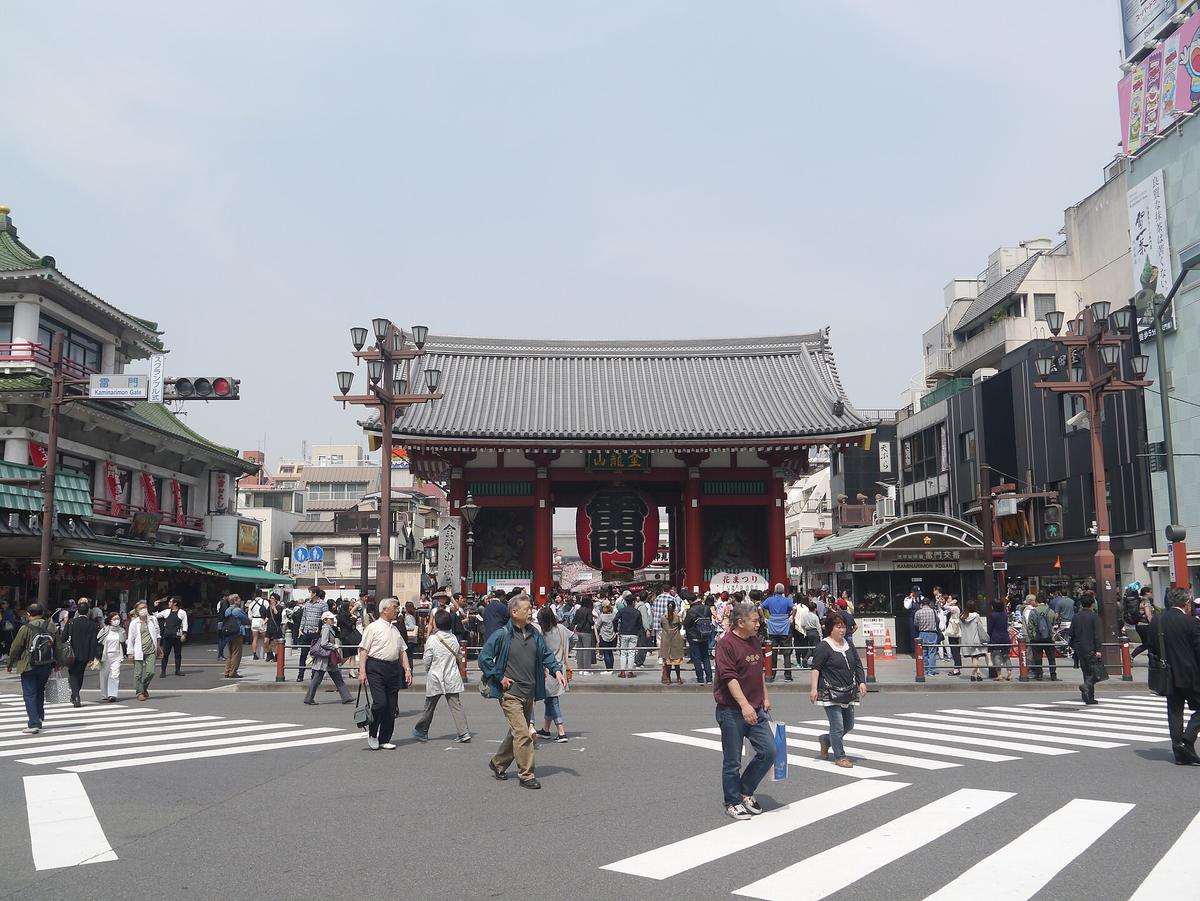
The 10:00 to 15:00 window is the mistake. Tour buses from the Asakusa parking lot disgorge groups straight onto Nakamise dori. The 250 meter approach lane with 89 stalls becomes a shuffling crowd. You cannot see the shop fronts. You cannot stop to watch a craftsman shape a wooden comb. You are just moving with the tide toward the hall. And once inside, the line for a ¥100 omikuji stretches 20 people deep. Skip this entirely unless you have no other window available.
- Main Hall Hours: 06:00 to 17:00 (Oct to Mar) / 06:00 to 18:00 (Apr to Sep)
- Grounds: Always open, free entry
- Peak Crowd Time: 10:00 to 15:00
- Quietest Times: Before 08:00 / After 18:00
- Nakamise Dori: Approx. 250 m long, 89 shops, open roughly 09:00 to 19:00
- Omikuji (Fortune): ¥100. Shake hexagonal metal cylinder, extract stick, retrieve drawer fortune. 100 possible outcomes from Daikichi to Daikyo. Tie bad fortunes on metal racks.
- Notable Rear Structures: Yogodo Hall (west, enshrines Goho Doji, ceiling mandala), Awashima do (east, enshrines Awashima Myojin, pile of hari needles for women's health), Dembo in Garden (stroll garden, National Place of Scenic Beauty, closed to public except annual viewings)
- Kaminarimon Details: Official name: Furaijinmon. Giant lantern: 3.9 m tall, 700 kg.
The Pre Dawn Empty and the Nakamise Crush
Arrive at 06:30 and you walk straight through Kaminarimon. No photo bomb. No one jostles you at the gate. The main hall opens at 06:00, so you can step inside, offer a coin, and bow without a crowd behind you. Draw your omikuji at the metal cylinder station. If you pull Kyō or Daikyō, tie the paper to the designated metal rack. The whole ritual takes five minutes. Then you have the grounds to yourself until roughly 08:00.
This is also the best light for photography. The low winter sun or the soft spring morning hits the crimson pillars of the main hall without washing them out. The Hozomon gate behind the hall catches the same glow. You can frame shots of the pagoda without a single person in the frame.
The 10:00 to 15:00 Tour Bus Window
By 10:00 the first buses have arrived. Nakamise dori is fully open by 09:00, and the lane funnels everyone toward the hall. The stalls sell senbei rice crackers, ningyo yaki little cake dolls, souvenir key chains, yukata rentals. The goods are fine. The experience of buying them in a slow moving queue is not.
Want to shop Nakamise properly? Come at 09:00 when stalls open but before the buses unload. You have a 60 minute window before the density becomes uncomfortable.
The crowd peaks between 11:00 and 14:00. The main hall entrance has a bottleneck where people pause to toss coins. Inside, the line for the omikuji drawers can hit 15 minutes. The huge brazier of incense smoke gets ringed three deep. None of this is dangerous. It is just not worth your limited Tokyo time.
The Late Night Glow and Shuttered Nakamise
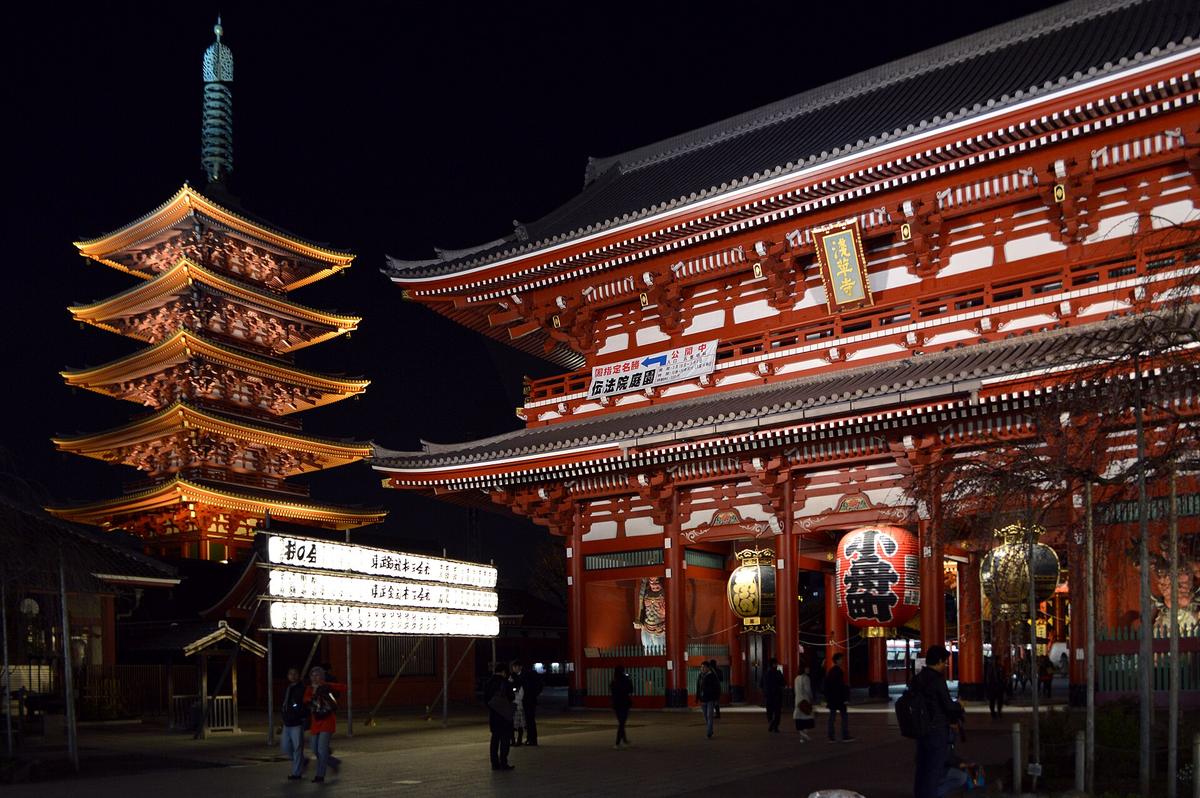
Come back after 18:00 and you get a third Senso ji. The main hall is closed but the grounds stay open. Kaminarimon and the outer gates remain accessible. The lanterns on Nakamise dori are lit, but every stall is shuttered. The wooden facades glow under warm yellow light. The whole corridor feels like a film set after wrap. You can stand at the centre of Nakamise and see the Skytree rising behind the pagoda with no one in between.
This is the version that works for repeat visitors and solo travellers who want atmosphere without crowds. The only sounds are footsteps and the occasional bicycle. You can circle the main hall, walk to Yogodo Hall and Awashima do, and read the English information boards without anyone waiting behind you. The Dembo in garden remains locked (it only opens for annual viewings), but the exterior wall and its gate are visible in the quiet dark.
One practical note: the gates stay open all night. You can walk through Kaminarimon at midnight. The area is safe, well lit, and patrolled. Late night visits draw almost no one after 22:00. Bring a jacket even in summer. Asakusa sits low near the Sumida River and cools off fast after sunset.
Who This Timing Is For and Who Should Skip It
This page is for you if you are a solo explorer who values empty spaces over convenience. If you are a repeat visitor who has already done the big sights and wants the version locals see. Or if you are an efficiency nerd who plans around the 10:00 to 15:00 dead zone so you can hit less crowded sights during those hours instead.
Skip this approach if you want a compact walkable old town with everything accessible at noon. Skip it if crowds make you anxious rather than energised. And skip it if you only have one day in Tokyo and need to check Senso ji off a list. Go at 09:00, accept the crowd, and move on to your next stop.
But if you have five days or more, give this temple the two visit treatment. One pre dawn. One after dark. The midday version is not the real one.


How to Use the Timing in a Tokyo Day Plan
Treat Senso ji as your bookend. Start your day with a 06:30 visit. Finish it with a 19:30 return after dinner in Asakusa. Between those two windows, the rest of Tokyo opens up. You can head to Ueno for the museums or catch the Keisei line to Narita. You can cross the Sumida River and explore the Skytree area without the midday crowds. Pick two districts per day and see them rather than commuting between a checklist.
The trains run fast in Tokyo, but station navigation eats the middle of your day. Senso ji at 06:30 and again at 19:30 gives you two quiet anchors. The rest of your daylight hours belong to districts that are better suited to midday: Meiji Jingu and its forested paths, the Nezu Museum bamboo garden, or Shinjuku Gyoen. Save Senso ji for the edges of the day when it performs best.
Common Questions
What is the quietest time to visit Senso ji?
Before 08:00 or after 18:00. The grounds are always open. The main hall opens at 06:00. Arrive at 06:30 and you share the space with fewer than 20 people.
Are Nakamise shops open at night?
No. Most stalls close by 19:00. After that, the approach lane is empty and shuttered but the lanterns stay lit. You can still walk through Kaminarimon and stand in the middle of Nakamise dori.
Can I enter the main hall after 17:00?
No. The main hall closes at 17:00 from October to March and 18:00 from April to September. The grounds and gates remain accessible all night.
How long does the omikuji process take during peak hours?
Up to 15 minutes in the queue. At 06:30, it takes 30 seconds. Shake the hexagonal metal cylinder, extract a stick, open the matching drawer. Tie bad fortunes to the metal rack.
Read next
-
 Tokyo Hotels by Type and Budget from Capsules to Luxury
Tokyo hotels organised by type and price band, from efficient capsule pods to full-service luxury towers, to help you book the right room.
Tokyo Hotels by Type and Budget from Capsules to Luxury
Tokyo hotels organised by type and price band, from efficient capsule pods to full-service luxury towers, to help you book the right room.
-
 Where to Stay in Tokyo by District and Travel Style
A comparison of Tokyo's major districts to help you choose the right base for your travel style, whether you want calm or chaos.
Where to Stay in Tokyo by District and Travel Style
A comparison of Tokyo's major districts to help you choose the right base for your travel style, whether you want calm or chaos.
-
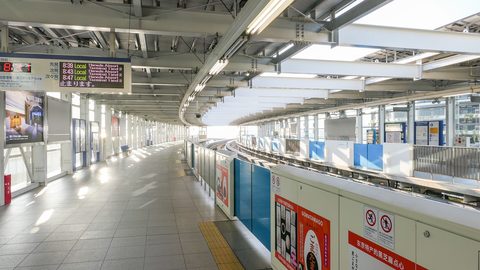 Narita or Haneda for Tokyo and What That Airport Choice Costs You
Narita or Haneda for Tokyo: compare door-to-district time, transfer cost, and what the wrong airport choice eats from your trip.
Narita or Haneda for Tokyo and What That Airport Choice Costs You
Narita or Haneda for Tokyo: compare door-to-district time, transfer cost, and what the wrong airport choice eats from your trip.
-
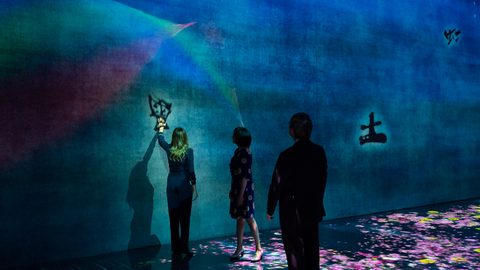 Things to Do in Tokyo That Are Worth Your Limited Days
A curated list of Tokyo's highest-impact sights and experiences, from immersive art to quiet backstreets, to help you prioritise your days.
Things to Do in Tokyo That Are Worth Your Limited Days
A curated list of Tokyo's highest-impact sights and experiences, from immersive art to quiet backstreets, to help you prioritise your days.
-
 Best Time to Visit Tokyo Month by Month Tradeoffs
A month-by-month guide to visiting Tokyo, laying out the trade-off between weather, crowds, price, and what's actually open.
Best Time to Visit Tokyo Month by Month Tradeoffs
A month-by-month guide to visiting Tokyo, laying out the trade-off between weather, crowds, price, and what's actually open.
-
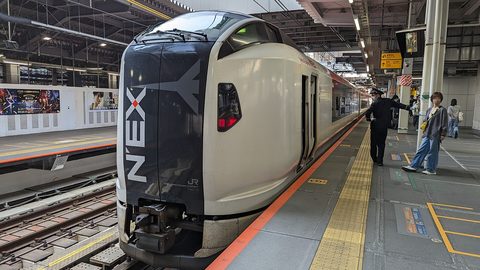 Getting Around Tokyo by Train Airport Transfers and IC Cards
A practical guide to Tokyo's rail network, covering airport transfers, IC cards, and how to avoid the station navigation mistakes that eat your day.
Getting Around Tokyo by Train Airport Transfers and IC Cards
A practical guide to Tokyo's rail network, covering airport transfers, IC cards, and how to avoid the station navigation mistakes that eat your day.
-
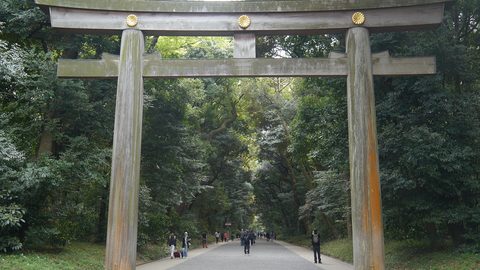 Meiji Jingu
The Meiji Jingu visit changes completely depending on which torii gate you enter. One drops you from Harajuku noise into sudden forest, the other builds quiet slowly from Yoyogi.
Meiji Jingu
The Meiji Jingu visit changes completely depending on which torii gate you enter. One drops you from Harajuku noise into sudden forest, the other builds quiet slowly from Yoyogi.
-
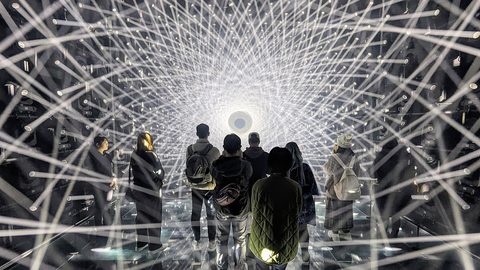 teamLab
 Borderless and Planets are two different Tokyo venues with separate booking systems. Borderless tickets at Azabudai Hills sell in timed slots and the maze has no fixed route.
teamLab
teamLab Borderless and Planets are two different Tokyo venues with separate booking systems. Borderless tickets at Azabudai Hills sell in timed slots and the maze has no fixed route.
-
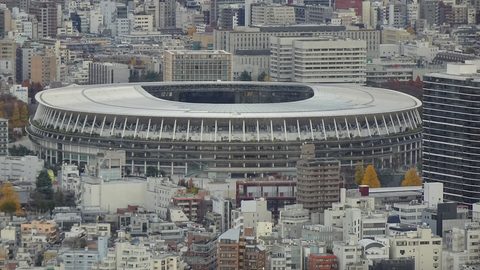 Shibuya Sky
 at sunset is a booked-out Tokyo experience for a reason, but the Metropolitan Government Building and Bunkyo Civic Center offer free high-rise views worth comparing.
Shibuya Sky
Shibuya Sky at sunset is a booked-out Tokyo experience for a reason, but the Metropolitan Government Building and Bunkyo Civic Center offer free high-rise views worth comparing.