Ikebukuro Where Tokyo's Northern Yamanote Hub Stays Resolutely Local
Ikebukuro is Tokyo's least touristed major hub, home to Sunshine City, otome anime culture, and a station that rivals Shinjuku in scale without the international crowds.
- Flag
-
- ISO code
- JP
Ikebukuro is Where Tokyo Stops Performing
You land in Tokyo and immediately feel the script. Shibuya wants you to take a photo of the crossing. Shinjuku wants you to find Golden Gai. Asakusa wants you to buy a senbei and ride a rickshaw. Ikebukuro wants nothing from you. That is its appeal.
Ikebukuro is the Yamanote loop's northern anchor, a transit hub that moves 1,143,946 passengers daily through its JR East gates alone. Tourists mostly skip it. The guidebooks treat it as a transit footnote, a place you pass through on the way to Nikko or Kawagoe. That is a mistake for anyone who wants to feel Tokyo rather than perform it.
The Two Sides of the Tracks
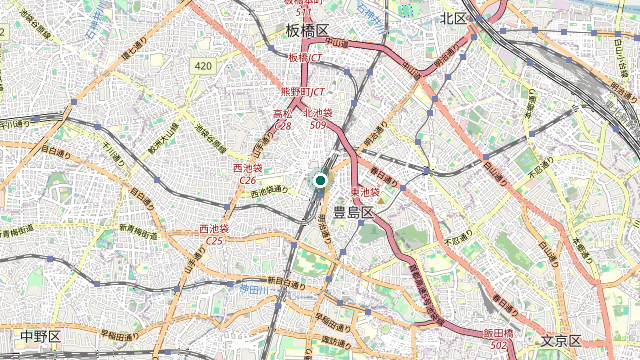
Ikebukuro has two distinct personalities split by the station tracks. The east exit leads to the department stores of Seibu and PARCO, the entertainment strips, and the concentrated anime culture of Otome Road. The west exit points toward Tobu Department Store, electronics retailers, ramen shops, and the Tokyo Metropolitan Theatre. The station itself is a multi-company junction: JR Yamanote, JR Saikyo, JR Shonan-Shinjuku, Tokyo Metro Marunouchi, Tokyo Metro Yurakucho, Tokyo Metro Fukutoshin, Seibu Ikebukuro, and Tobu Tojo all converge here. You can reach Kawagoe in 45 minutes on the Tobu Tojo Line or Nikko in two hours from Asakusa. The Yamanote loop takes about 60 minutes to complete, and the first outer loop train from Ikebukuro leaves at 04:27 on weekdays. The last departs at 00:57.
This is the anti-Shibuya. It rewards visitors who want a less performative Tokyo, who prefer a district that works rather than one that poses.
Sunshine City: the Indoor City That Opened in 1978
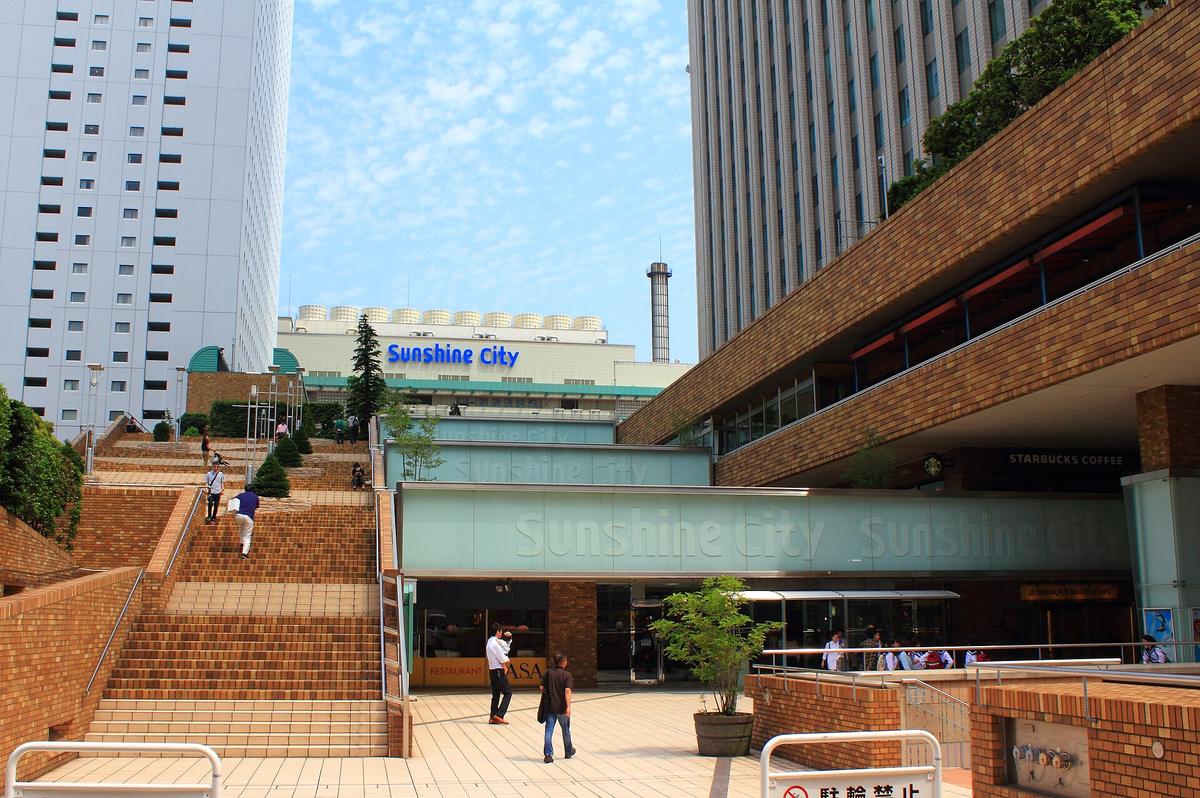
Sunshine City completed in 1978 as Tokyo's first mega complex. It contains four buildings: Sunshine 60, the Prince Hotel, the World Import Mart, and the Bunka Kaikan. The complex predates most of what tourists come to Tokyo for, and it shows in the confident, unapologetic brutalism of its architecture. This is not a place trying to charm you. It is a place trying to give you somewhere to go when it rains.
Sunshine 60 and the Sky Circus
Sunshine 60 rises 239.7 metres above ground across 60 floors, with three floors below ground. The 60th floor houses the SKY CIRCUS observatory at 251 metres above sea level. Admission costs ¥1,200 for adults, ¥600 for children of elementary to junior high age, and ¥300 for infants aged four and above. It opens from 11:00 to 21:00, with last entry at 20:00. Arrive around 16:00 and watch the city change from afternoon to evening. The view is not as high as Tokyo Skytree, but the crowd is thinner and the experience less transactional.
Rooftop Aquarium and Indoor Entertainment
The Sunshine Aquarium sits on the rooftop of the World Import Mart building. Its main tank, the Sunshine Lagoon, holds 240,000 litres of water and is one of approximately 80 tanks in the facility. The outdoor Marine Garden area houses Cape penguins and Asian small clawed otters. Book tickets online in advance. The queue at the counter on weekends can eat 30 minutes of your afternoon.
Sunshine City also contains a Namjatown indoor theme park, a Pokémon Center, and enough chain restaurants to feed a small army. None of it is groundbreaking. All of it is convenient when the humidity hits in August or the rain turns the streets into rivers.
Otome Road: Anime Culture for Women, Not Tourists
Akihabara gets the international attention for anime culture, but Akihabara caters primarily to a male audience. Otome Road, located in Higashi Ikebukuro along a side street parallel to Sunshine Dori, serves female readers and collectors. The name translates literally to Maiden Road, and it delivers exactly what the name promises: doujinshi shops, character goods stores, and cafes oriented toward women.
The flagship is the Animate Ikebukuro Main Store, a nine floor building that opened in 1983 and relocated to its current location in 2012. It stocks manga, anime merchandise, and music. The building fills from floor one to nine with no wasted space. Go on a weekday morning if you want to browse without elbows in your ribs.
Where to Hunt for Deals
K Books operates approximately seven specialized branches in the area, each focusing on a different genre or character set. Second hand doujinshi and character goods are their specialty. Mandarake Ikebukuro focuses on doujinshi and vintage shoujo manga. If you know what you are looking for, you can find it here cheaper than in Akihabara. If you do not know what you are looking for, the sheer volume of material can overwhelm. Start at the Animate store, get a sense of what is current, then hunt for bargains at K Books.
Otome Road is not a tourist attraction. It is a shopping district for people who already know what they want. That makes it more rewarding than Akihabara for anyone who actually reads manga rather than just photographs the storefronts.


The Station Economy and Where to Sleep
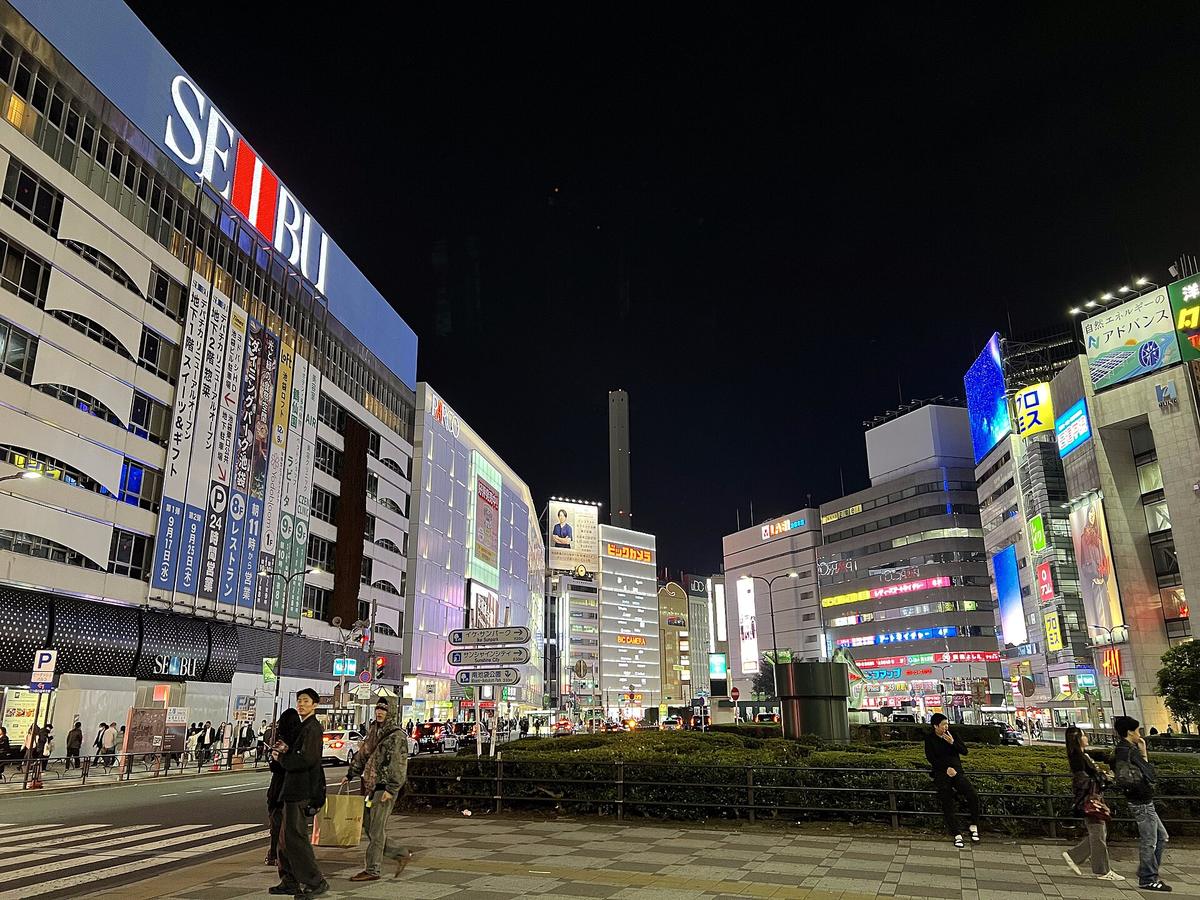
Ikebukuro station is not a single building. It is a multi company junction where the wrong exit invalidates your transfer ticket and forces a recalculation at a staffed window. Learn this on day one: pay attention to which gate you exit. The east exit leads to Seibu Ikebukuro Main Store, a 12 floor department store with 2 basement levels and approximately 77,000 square metres of sales floor. The west exit leads to Tobu Department Store Ikebukuro, which spans 15 floors above ground and 4 below across approximately 83,000 square metres. Both have depachika basement food halls worth a deliberate visit. Arrive at 10:00 when the doors open and the crowds are thin.
Hotel Prices That Undercut the City
Ikebukuro hotel prices undercut Shinjuku and Shibuya significantly. Budget business hotels run ¥6,000 to ¥10,000 per night. Mid range hotels cost ¥12,000 to ¥25,000 per night. Compare that to Shinjuku's ¥8,000 to ¥14,000 for budget business or Shibuya's ¥9,000 to ¥15,000. The difference adds up over a week. You trade a slightly longer commute to the southern districts for a quieter base and a lower nightly rate.
Nightlife and the Trade-Off
The area is bad at nightlife. It has bars and izakaya, but nothing approaching the density of Shinjuku's Golden Gai or Shibuya's backstreets. If you want to drink until 04:00 surrounded by strangers, stay in Shinjuku. If you want a comfortable room, a konbini egg salad sandwich ritual, and the ability to reach Kawagoe in 45 minutes or Nikko in two hours, stay in Ikebukuro.
Common Questions
Is Ikebukuro safe at night?
Yes. Tokyo is one of the safest large cities in the world, and Ikebukuro is no exception. The east exit entertainment district has the usual late night crowd, but violent crime is rare. Women travelling alone will find it no less safe than Shinjuku or Shibuya.
How long should I spend at Sunshine City?
Half a day minimum. The aquarium alone needs two hours. The SKY CIRCUS observatory needs another hour. Add shopping and lunch and you fill four hours easily. A full day is possible if you add the Namjatown theme park and multiple meals.
Is Otome Road only for women?
No. The shops cater primarily to female readers, but men are welcome. The doujinshi selection covers genres that Akihabara ignores. Anyone interested in the breadth of Japanese pop culture should visit. Just understand that the stores are not designed for male tourists the way Akihabara stores are.
What is the best time to visit Otome Road?
Weekday mornings. The Animate store opens at 10:00. Arrive then and you have the floors to yourself. Weekends draw a local crowd that makes browsing difficult. Sunday afternoons are the worst.
Can I walk from Ikebukuro station to Sunshine City?
Yes. It is a 10 minute walk from the east exit. Follow the covered pedestrian walkway that runs above the street. It connects directly to the complex. In rain, you stay dry the entire way.
Which department store is better, Seibu or Tobu?
Tobu is larger at 83,000 square metres across 15 floors. Seibu has a better reputation for fashion and a more curated depachika. Visit both. They face each other from opposite sides of the station. You can compare the basement food halls in the same afternoon.
Is Ikebukuro good for first time visitors to Tokyo?
It depends. First timers who want the classic Tokyo experience should stay in Shinjuku or Shibuya. First timers who find crowds overwhelming and prefer a local base should choose Ikebukuro. The transit connections are excellent. You can reach Shinjuku in four minutes on the Yamanote line.
Read next
-
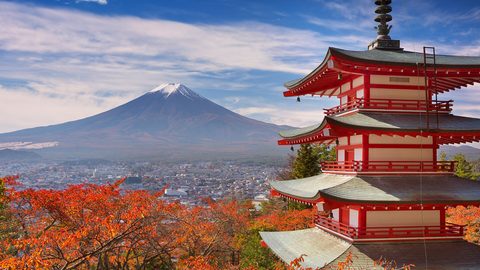 Japan Travel Guide for First-Timers Who Like Order but Not Crowds
Japan delivers deep tradition and futuristic efficiency, but the language barrier and density of rules can exhaust first-timers. Here is what to actually expect.
Japan Travel Guide for First-Timers Who Like Order but Not Crowds
Japan delivers deep tradition and futuristic efficiency, but the language barrier and density of rules can exhaust first-timers. Here is what to actually expect.
-
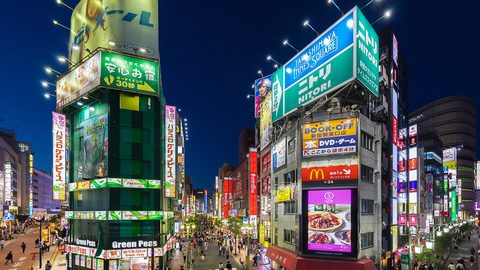 Japan eSIM vs Pocket WiFi vs Physical SIM for Staying Connected
Free public WiFi across Japan is unreliable and slow. What separates eSIM plans is which Japanese carrier they ride on, and whether hotspot sharing is allowed.
Japan eSIM vs Pocket WiFi vs Physical SIM for Staying Connected
Free public WiFi across Japan is unreliable and slow. What separates eSIM plans is which Japanese carrier they ride on, and whether hotspot sharing is allowed.
-
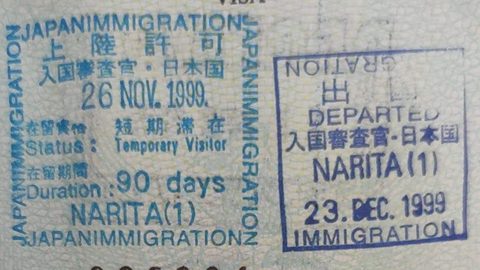 Japan Visa-Free Entry and the Visit Japan Web Digital Form
Visa-free entry covers many nationalities, but the Visit Japan Web digital form and QR codes determine how quickly you clear immigration at Narita or Haneda.
Japan Visa-Free Entry and the Visit Japan Web Digital Form
Visa-free entry covers many nationalities, but the Visit Japan Web digital form and QR codes determine how quickly you clear immigration at Narita or Haneda.
-
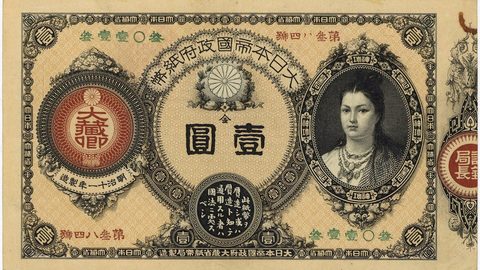 Cash and IC Cards Are the Real Payment System in Japan
Japan projects a high-tech image but many small restaurants, temples, and rural buses demand cash. IC cards like Suica and Icoca bridge the gap for daily spending.
Cash and IC Cards Are the Real Payment System in Japan
Japan projects a high-tech image but many small restaurants, temples, and rural buses demand cash. IC cards like Suica and Icoca bridge the gap for daily spending.
-
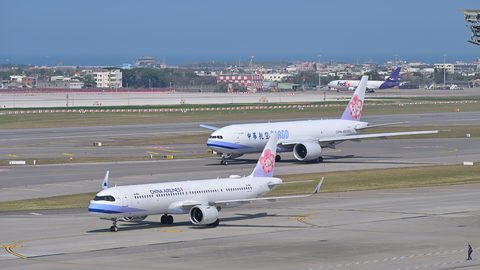 Fifth Freedom Flights Are the Award Sweet Spot Nobody Searches For
Fifth-freedom flights let you fly a foreign airline between two other countries, and they often have award seats when the airline's own hub routes are sold out.
Fifth Freedom Flights Are the Award Sweet Spot Nobody Searches For
Fifth-freedom flights let you fly a foreign airline between two other countries, and they often have award seats when the airline's own hub routes are sold out.
-
 Every Way Into an Airport Lounge and What Each One Actually Costs You
-
 When a Mileage Upgrade Is the Wrong Way to Spend Miles
Upgrading a paid ticket with miles sounds efficient but the required fare class often costs so much that a straight award booking in the same cabin is cheaper.
When a Mileage Upgrade Is the Wrong Way to Spend Miles
Upgrading a paid ticket with miles sounds efficient but the required fare class often costs so much that a straight award booking in the same cabin is cheaper.
-
 Mistake Fares and Whether an Airline Actually Has to Honour Your Ticket
Mistake fares generate excitement but most airlines cancel them and refund your money, and the US DOT rarely forces them to honour the ticket.
Mistake Fares and Whether an Airline Actually Has to Honour Your Ticket
Mistake fares generate excitement but most airlines cancel them and refund your money, and the US DOT rarely forces them to honour the ticket.