A Tokyo Itinerary That Omits More Than It Includes
A 5-day Tokyo plan that clusters two districts per day and deliberately skips the checklist to preserve neighbourhood rhythm.
Your 5-Day Tokyo Itinerary is Probably Too Ambitious
The biggest mistake first-time visitors make in Tokyo is trying to cover Shibuya, Shinjuku, Harajuku, Asakusa, Akihabara and Roppongi in two days. The trains run fast. Station navigation and district depth eat half the day. This itinerary operates on one rule: two areas maximum per day. That is the ceiling. It deliberately omits major sights to preserve district rhythm. You will skip things that appear on every other list. That is the point.
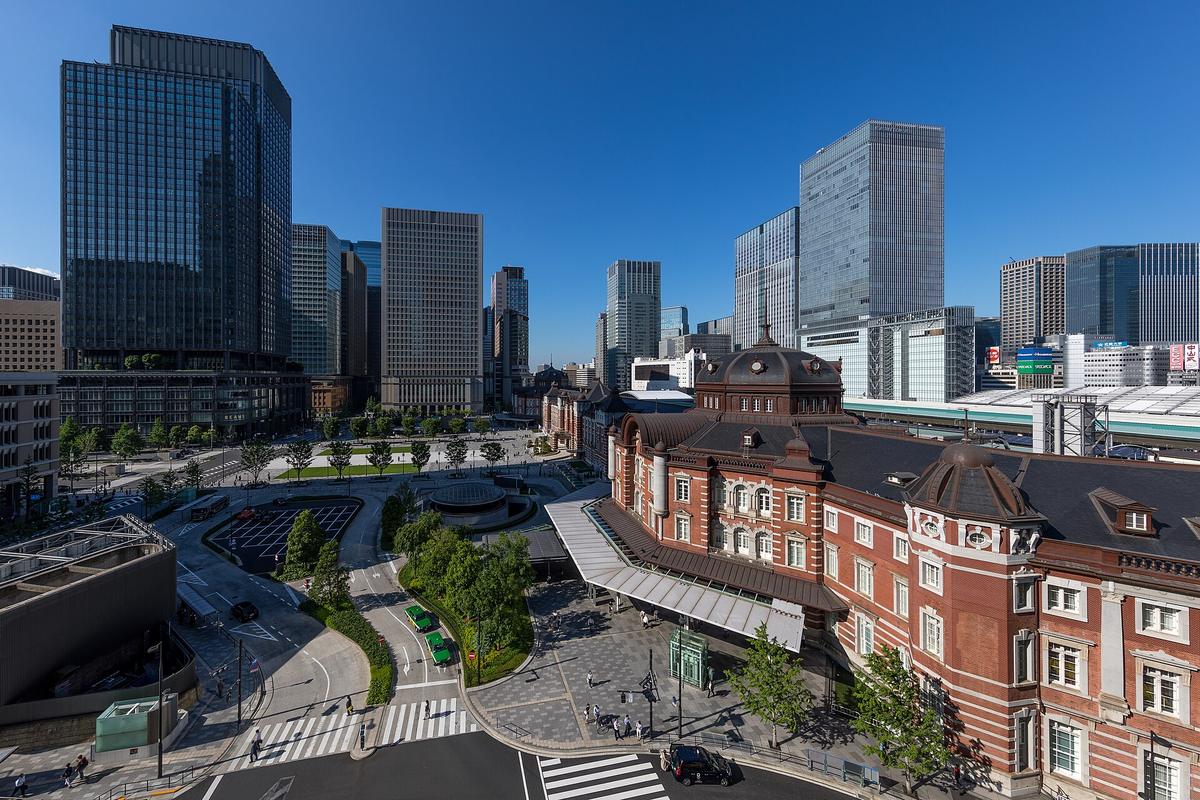
Tokyo is a city of quiet orderly neighbourhoods stitched together by relentless rail commutes, not a single coherent centre. First-timers find the sheer scale and lack of street names harder than expected. The real magic is in the mundane: perfectly engineered convenience stores and silent backstreets, not just the neon. This plan is for you if you are a solo explorer who thrives on anonymity, a food obsessive planning trips around specific meals, or an efficiency nerd who appreciates systems that work. It is not for travellers seeking a compact walkable old town, those on a shoestring backpacker budget, or people who find crowds and underground mazes anxiety-inducing rather than energising.
Five full days is the minimum. Anything less and you are just commuting between a checklist of sights without feeling the rhythm of any single district. Book a rechargeable Suica or Pasmo IC card on your phone wallet immediately. The thing that trips visitors up: stations are multi-company hubs, and exiting through the wrong gate invalidates your transfer ticket, forcing a fare recalculation at a staffed window. Memorise that friction.

The Daily Breakdown: Two Districts, No More
Each day clusters geographically adjacent areas. You never backtrack across town. You never spend ninety minutes underground to tick off a landmark that does not fit the neighbourhood. Here is exactly what you do and what you skip, with the reasons made plain.
Day 1: Eastern Tokyo
Pair Asakusa with Ueno and Akihabara. Start at Senso-ji by 08:00. The main hall opens at 06:00 but aim for 08:00 to beat the tour bus crowds. Budget 1 to 1.5 hours for the temple. Walk Nakamise-dori immediately after; allow 30 to 45 minutes for the stalls. Then take the Tokyo Metro Ginza Line from Asakusa to Ueno, a five-minute ride. Spend 1 to 2 hours in Ueno Park. If you choose the Tokyo National Museum, allocate 2 to 3 hours. Do not try to see all five museum buildings. Pick the main Honkan building only. Then ride the JR Yamanote Line from Ueno to Akihabara, three minutes. Spend 1.5 to 3 hours in Electric Town depending on your shopping interest. Skip the maid cafes unless you genuinely want one. Akihabara is for browsing electronics and anime goods, not for high culture.
What you are omitting today: the Sumida River cruise to Hamarikyu Gardens, the Tokyo Skytree, and the Edo-Tokyo Museum. The Skytree is a 634-metre tower with ticket queues that will eat 2 hours. You can see the city from the free Tokyo Metropolitan Government Building observatory on Day 3 instead. The cruise sounds romantic but commits you to a one-way trip that throws off the afternoon timing. Skip all three.
Day 2: Central Tokyo
Group the Imperial Palace East Gardens with Ginza, Tsukiji and Roppongi. Start at the East Gardens by 09:00. They close on Mondays and Fridays. Budget 1 to 1.5 hours for the stone foundations and manicured lawns. Walk to Ginza, 15 to 20 minutes. Spend 1 to 2 hours on the wide boulevards. If you arrive on a weekend you get the pedestrian paradise. From Ginza take the Tokyo Metro Hibiya Line to Tsukiji, three minutes. The Outer Market operates mornings only; budget 1.5 to 2 hours. This is where you eat your fresh seafood bowls. The market is closed Sundays and some Wednesdays. Confirm before you go. From Tsukiji take the Toei Oedo Line to Roppongi, ten minutes. Visit the Tokyo City View observation deck at Roppongi Hills in the late afternoon. Budget 1 to 1.5 hours. The sunset view here is better than the Skytree and costs less.
What you are omitting today: the inner Imperial Palace grounds, which require a guided tour reservation weeks ahead; teamLab Borderless, which you will see on Day 4; and the entire Toyosu Market complex. Toyosu replaced the inner Tsukiji wholesale market. You can skip its tuna auction viewing deck unless you are willing to arrive before 05:30 and queue for a lottery. The Outer Market gives you the food experience without the 04:00 alarm.
Day 3: Western Tokyo
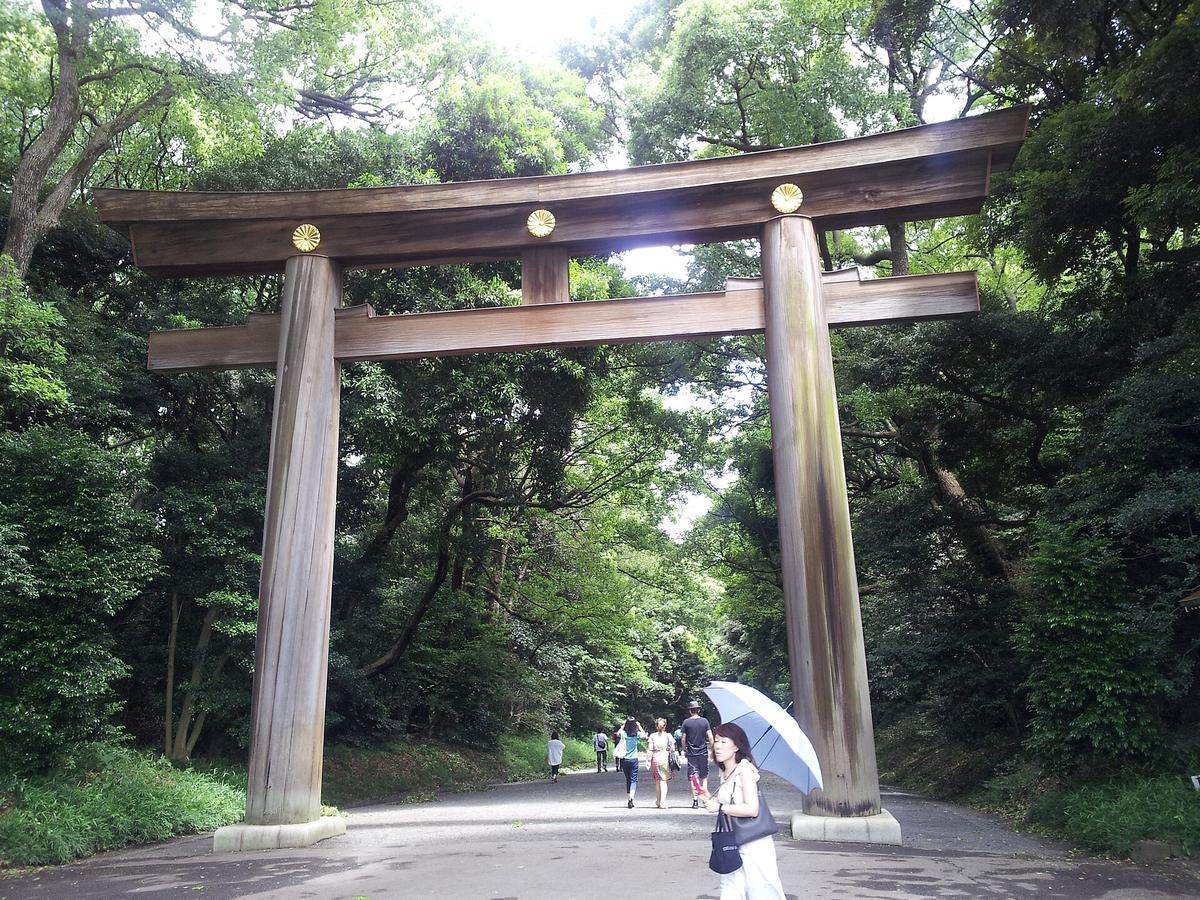
Pair Shibuya with Harajuku and Shinjuku. Start at Meiji Jingu by 08:00. The shrine opens at sunrise and closes at sunset. Budget 1 to 1.5 hours for the forested path and torii gate scale. Walk to Takeshita-dori, 5 to 10 minutes. Spend 45 minutes to 1 hour here if you want crepes and teenage fashion. Skip it entirely if you are over 30 and not shopping for costume jewellery. Walk Omotesando next, 10 to 15 minutes. Budget 1 to 1.5 hours for the architecture-heavy avenue. Take the Tokyo Metro Ginza Line from Omotesando to Shibuya, two minutes. The scramble crossing needs 15 to 30 minutes. View it from the second floor of the Magnet building, not from street level. Then ride the JR Yamanote Line from Shibuya to Shinjuku, seven minutes. Visit Shinjuku Gyoen national garden, open 09:00 to 17:30. Budget 1 to 1.5 hours for the three-style garden. Finish at the Tokyo Metropolitan Government Building observatory, open until 23:00. Budget 45 minutes to 1 hour. The view is free and the queue moves fast.
What you are omitting today: Golden Gai and Omoide Yokocho. Golden Gai has 200 micro-bars with six seats each. They look photogenic but many charge cover fees and enforce photo rules that vary by bar. Unless you speak Japanese and have a reservation, skip them. Shinjuku nightlife is better spent on a single good ramen bowl at Nakiryu or Konjiki Hototogisu than on squeezing into a 2-square-metre bar.
Day 4: Southern Tokyo
Dedicate the full day to Odaiba. Take the Yurikamome Line from Shimbashi, 15 to 20 minutes. Book teamLab Borderless in advance. Budget 2 to 3 hours for the digital art maze. Then visit DiverCity Tokyo Plaza for the Unicorn Gundam statue; budget 1 to 1.5 hours. Do not attempt Oedo Onsen Monogatari. It is closed for renovation with no reopening date confirmed. Odaiba is a manmade island. It feels artificial and that is the point. Treat it as a single long afternoon with a good dinner on the waterfront.
What you are omitting today: the entire Tsukishima Monja Street. Monjayaki is a cook-it-yourself runny batter dish that deserves a standalone evening. It does not fit an Odaiba day because the transit between Tsukishima and Odaiba is awkward. Save it for a dinner you tack onto your Day 2 Tsukiji visit.
Day 5: Day Trip
Pick exactly one destination. Nikko takes 1 hour 50 minutes by Tobu Limited Express from Asakusa. Kamakura takes 1 hour by JR Yokosuka Line from Tokyo Station. Hakone takes 1 hour 25 minutes by Odakyu Romancecar from Shinjuku. Yokohama takes 25 minutes by JR Tokaido Line from Tokyo Station. Do not attempt two. The return journey plus evening exhaustion means you lose the second destination anyway. For first-timers, Kamakura is the right choice. The giant Buddha, Hasedera temple and seaside feel give you a complete contrast to Tokyo without the 2-hour train each way that Nikko demands.
What you are omitting today: Kawagoe, Kawaguchiko and the second day-trip option. Kawagoe is 45 minutes away and offers an Edo-era warehouse district, but Kamakura has more variety in a single day. Kawaguchiko gives you Mount Fuji views but the highway bus from Shinjuku takes 2 hours and the lake cruises eat another 90 minutes. Save it for a trip with clearer weather forecasts.
Why This Schedule Omits Several Famous Spots
This itinerary deliberately leaves out the Ghibli Museum, the Yayoi Kusama Museum, the Nezu Museum and the Toyosu tuna auction. The Ghibli Museum tickets release on the 10th of each month and sell out within hours. If you did not book the moment they went live, do not build your day around trying to scalp a resale. The Yayoi Kusama Museum requires booking weeks ahead and sits in Shinjuku, but the timed entry clashes with the garden visit. The Nezu Museum in Omotesando has a beautiful bamboo garden but its pre-modern art collection demands a slow afternoon you do not have on Day 3. The Toyosu tuna auction viewing deck is a lottery you enter before your trip. If you win, go. If you do not, do not substitute it with a 05:00 queue.
The point is not to see everything. The point is to feel each district. A single evening wandering Ueno's budget shopping street Ameya-Yokocho after the museum closes tells you more about Tokyo than rushing through three temple compounds before lunch. Trust the omissions.
| Day | Area | Morning | Afternoon | Evening | Transit Between Areas |
|---|---|---|---|---|---|
| 1 | Eastern Tokyo | Senso-ji (08:00), Nakamise-dori | Ueno Park, Tokyo National Museum (Honkan only) | Akihabara Electric Town | Senso-ji to Ueno: Ginza Line, 5 min; Ueno to Akihabara: JR Yamanote, 3 min |
| 2 | Central Tokyo | Imperial Palace East Gardens (09:00) | Ginza (walk from Palace), Tsukiji Outer Market (lunch) | Roppongi Hills Tokyo City View (sunset) | Palace to Ginza: walk 15 min; Ginza to Tsukiji: Hibiya Line, 3 min; Tsukiji to Roppongi: Oedo Line, 10 min |
| 3 | Western Tokyo | Meiji Jingu (08:00) | Harajuku (Takeshita-dori optional), Omotesando (walk), Shibuya Scramble | Shinjuku Gyoen garden, Tokyo Met Govt Building observatory | Meiji Jingu to Takeshita: walk 5 min; Takeshita to Omotesando: walk 10 min; Omotesando to Shibuya: Ginza Line, 2 min; Shibuya to Shinjuku: JR Yamanote, 7 min; Garden to Observatory: walk 20 min or Oedo Line 5 min |
| 4 | Southern Tokyo | Odaiba via Yurikamome Line from Shimbashi (15 min) | teamLab Borderless (book in advance), DiverCity Tokyo Plaza (Gundam) | Dinner in Odaiba waterfront, return by Yurikamome | N/A all day in Odaiba |
| 5 | Day Trip | Depart early (08:00 recommended) | Single destination: Kamakura, Nikko, Hakone, or Yokohama | Return to Tokyo by 19:00 | Kamakura: JR Yokosuka, 1 hr; Nikko: Tobu Limited Express, 1h50; Hakone: Odakyu Romancecar, 1h25; Yokohama: JR Tokaido, 25 min |

Practical Decisions That Protect Your Rhythm
Buy a 72-hour Tokyo Metro pass for JPY 1,500 if your stay covers three consecutive Metro-heavy days. It pays for itself by Day 2. Do not buy the JR Tokyo Wide Pass for JPY 15,000 unless you are doing Nikko or Hakone as a day trip and combining it with a second long-distance ride. For Kamakura or Yokohama, single tickets are cheaper.
Arrive at Narita and take the Keisei Skyliner to Ueno for JPY 2,570, 55 to 70 minutes. Arrive at Haneda and take the Keikyu Line to Shinagawa for JPY 330, 25 to 40 minutes. The Skyliner puts you on the doorstep of Day 1. The Haneda route drops you near Shinagawa, which connects directly to Shinjuku and Shibuya for Day 3.
Book your pocket WiFi rental before departure. eSIMs still drop speed in underground sections. Download the Japan Official Travel App for station floor maps that work offline. Google Maps struggles with vertical navigation in multi-floor station malls. When you exit a station through the wrong gate and your transfer ticket fails, walk to a staffed window. Do not tap through the gate. The system recalculates your fare on exit and you lose the transfer discount.
How to Eat Without Reservations
For food, plan specific meals, not specific restaurants open to walk-ins. Michelin-starred ramen at Nakiryu or Konjiki Hototogisu requires a wait in line before opening. The depachika basement food halls at Isetan Shinjuku or Mitsukoshi Nihonbashi let you graze without a reservation. Tonkatsu at Butagumi in Nishiazabu needs a booking. The convenience store egg salad sandwich and onigiri is a deliberate late-night ritual, not a failure of planning. Do it on purpose.
Cash, Trash and Station Survival
Carry a small bag for your rubbish. Public trash cans are virtually non-existent. You hold everything until the next convenience store. Many ATMs still reject foreign cards outside 7-Eleven, Japan Post and Family Mart. Withdraw cash at the airport to cover your first 48 hours.
Common Questions
Can I add Harajuku to the same day as Shinjuku without breaking the two-area rule?
Yes, because Day 3 already pairs Shibuya with Harajuku and Shinjuku as a single western Tokyo corridor. Takeshita-dori and Omotesando sit between Meiji Jingu and Shibuya. The walk between them is 10 to 15 minutes each. The two-area rule applies to entire day clusters, not sub-neighbourhoods. You can cover Meiji Jingu, Harajuku, Shibuya and Shinjuku in one day because the transit between each is walking distance or a single 2-minute train ride.
What do I do on Day 4 if teamLab Borderless is sold out?
Skip Odaiba entirely and replace it with an Akihabara evening you already visited on Day 1. Instead use Day 4 for Shimokitazawa vintage shopping and a late ramen run. Shimokitazawa is 15 minutes from Shinjuku on the Odakyu Line. Its live houses and curry shops fill an afternoon without advance booking. You lose the Gundam statue but gain a district with actual local texture.
Is the Tsukiji Outer Market open on Sunday?
No. The Outer Market is closed on Sundays and some Wednesdays. If your Day 2 falls on a Sunday, swap it with Day 3. Do Tsukiji on a weekday morning instead. Alternatively, skip Tsukiji entirely and spend that morning at the Imperial Palace East Gardens extended with the nearby Yasukuni Shrine garden, which is less crowded and open every day.
Should I buy the JR Tokyo Wide Pass for a Kamakura day trip?
No. A round trip to Kamakura on the JR Yokosuka Line costs roughly JPY 1,800. The Wide Pass costs JPY 15,000 for three days. Unless you are also going to Nikko or Hakone within the same 72-hour window, buy single tickets. The pass only pays off if you do at least two long-distance day trips.
The itinerary says skip Golden Gai. Are there any bars in Shinjuku worth visiting?
Yes, but not for tourists who expect English menus and no cover charge. Golden Gai bars are micro-spaces with a regular clientele. The better Shinjuku bar move is to walk through Omoide Yokocho for the visual and then drink at a standing sake bar near the station west exit. If you want a curated bar experience, book a seat at a high-end whisky bar like Ben Fiddich in Shinjuku, which requires a reservation weeks ahead. Otherwise, buy a can from the convenience store and drink it by the back canal in Nakameguro on Day 3 evening.
Read next
-
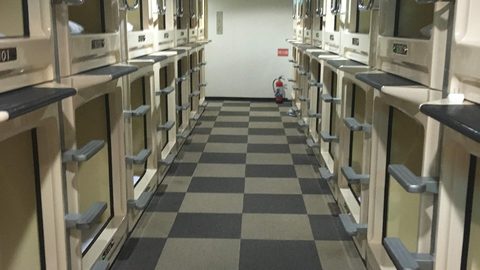
 Tokyo Hotels by Type and Budget from Capsules to Luxury
Tokyo hotels organised by type and price band, from efficient capsule pods to full-service luxury towers, to help you book the right room.
Tokyo Hotels by Type and Budget from Capsules to Luxury
Tokyo hotels organised by type and price band, from efficient capsule pods to full-service luxury towers, to help you book the right room.
-
 Where to Stay in Tokyo by District and Travel Style
A comparison of Tokyo's major districts to help you choose the right base for your travel style, whether you want calm or chaos.
Where to Stay in Tokyo by District and Travel Style
A comparison of Tokyo's major districts to help you choose the right base for your travel style, whether you want calm or chaos.
-
 Narita or Haneda for Tokyo and What That Airport Choice Costs You
Narita or Haneda for Tokyo: compare door-to-district time, transfer cost, and what the wrong airport choice eats from your trip.
Narita or Haneda for Tokyo and What That Airport Choice Costs You
Narita or Haneda for Tokyo: compare door-to-district time, transfer cost, and what the wrong airport choice eats from your trip.
-
 Things to Do in Tokyo That Are Worth Your Limited Days
A curated list of Tokyo's highest-impact sights and experiences, from immersive art to quiet backstreets, to help you prioritise your days.
Things to Do in Tokyo That Are Worth Your Limited Days
A curated list of Tokyo's highest-impact sights and experiences, from immersive art to quiet backstreets, to help you prioritise your days.
-
 Best Time to Visit Tokyo Month by Month Tradeoffs
A month-by-month guide to visiting Tokyo, laying out the trade-off between weather, crowds, price, and what's actually open.
Best Time to Visit Tokyo Month by Month Tradeoffs
A month-by-month guide to visiting Tokyo, laying out the trade-off between weather, crowds, price, and what's actually open.
-
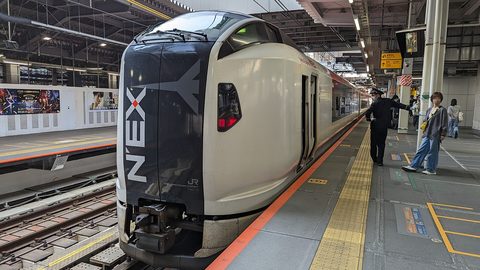 Getting Around Tokyo by Train Airport Transfers and IC Cards
A practical guide to Tokyo's rail network, covering airport transfers, IC cards, and how to avoid the station navigation mistakes that eat your day.
Getting Around Tokyo by Train Airport Transfers and IC Cards
A practical guide to Tokyo's rail network, covering airport transfers, IC cards, and how to avoid the station navigation mistakes that eat your day.
-
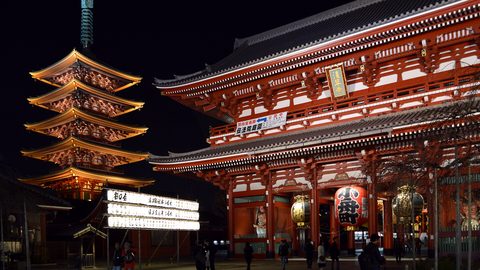 Senso-ji
 is free and never closes, but the experience at 6am with empty Nakamise stalls is nothing like the 11am crush under Kaminarimon. Here is when to go and what you get at each hour.
Senso-ji
Senso-ji is free and never closes, but the experience at 6am with empty Nakamise stalls is nothing like the 11am crush under Kaminarimon. Here is when to go and what you get at each hour.
-
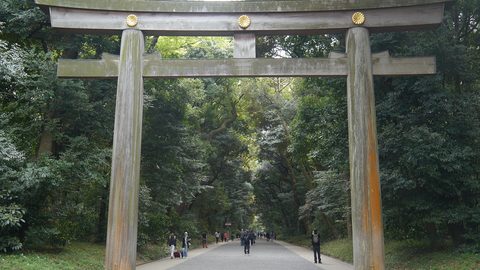 Meiji Jingu
The Meiji Jingu visit changes completely depending on which torii gate you enter. One drops you from Harajuku noise into sudden forest, the other builds quiet slowly from Yoyogi.
Meiji Jingu
The Meiji Jingu visit changes completely depending on which torii gate you enter. One drops you from Harajuku noise into sudden forest, the other builds quiet slowly from Yoyogi.
-
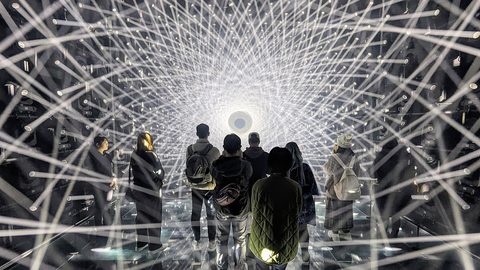 teamLab
 Borderless and Planets are two different Tokyo venues with separate booking systems. Borderless tickets at Azabudai Hills sell in timed slots and the maze has no fixed route.
teamLab
teamLab Borderless and Planets are two different Tokyo venues with separate booking systems. Borderless tickets at Azabudai Hills sell in timed slots and the maze has no fixed route.