Kichijoji The Tokyo Neighbourhood Locals Vote Most Liveable
Kichijoji pairs Inokashira Park with the Harmonica Yokocho alley bars and a short walk to the Ghibli Museum. Here is why Tokyoites keep voting it the city's most liveable neighbourhood.
- Flag
-
- ISO code
- JP
Kichijoji: the Tokyo Neighbourhood Locals Vote Most Liveable
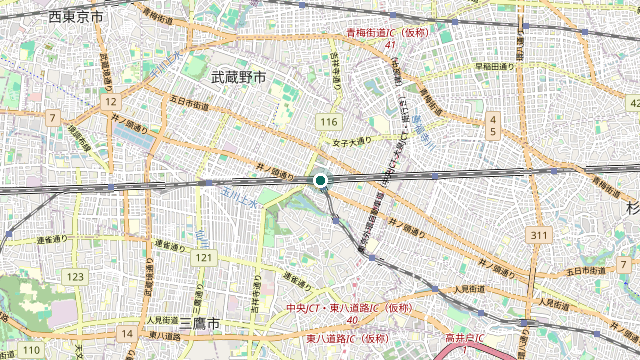
You have three days in Tokyo and you are trying to see Shibuya, Shinjuku, Harajuku, Asakusa, Akihabara, and Roppongi. Stop. Pick two areas per day, or you will spend half your trip navigating underground mazes between stations. The real Tokyo is not the scramble crossing. It is a quiet Tuesday morning at Inokashira Park, a neighbourhood that tops every Tokyo liveability poll for a reason. Kichijoji, 15 minutes from Shinjuku on the JR Chuo Line Rapid, is the district locals actually choose to live in. The 2023 and 2024 Suumo rankings put it at number one for transport convenience, retail variety, green space access, and safety. The Ghibli Museum, a 15 to 20 minute walk through the park, sits just over the border in Mitaka. This page walks you through why Kichijoji is worth the trip, and how to pair it with the museum without making the classic mistake of trying to fit both into a rushed morning.
Start at Inokashira Park, Opened 1917
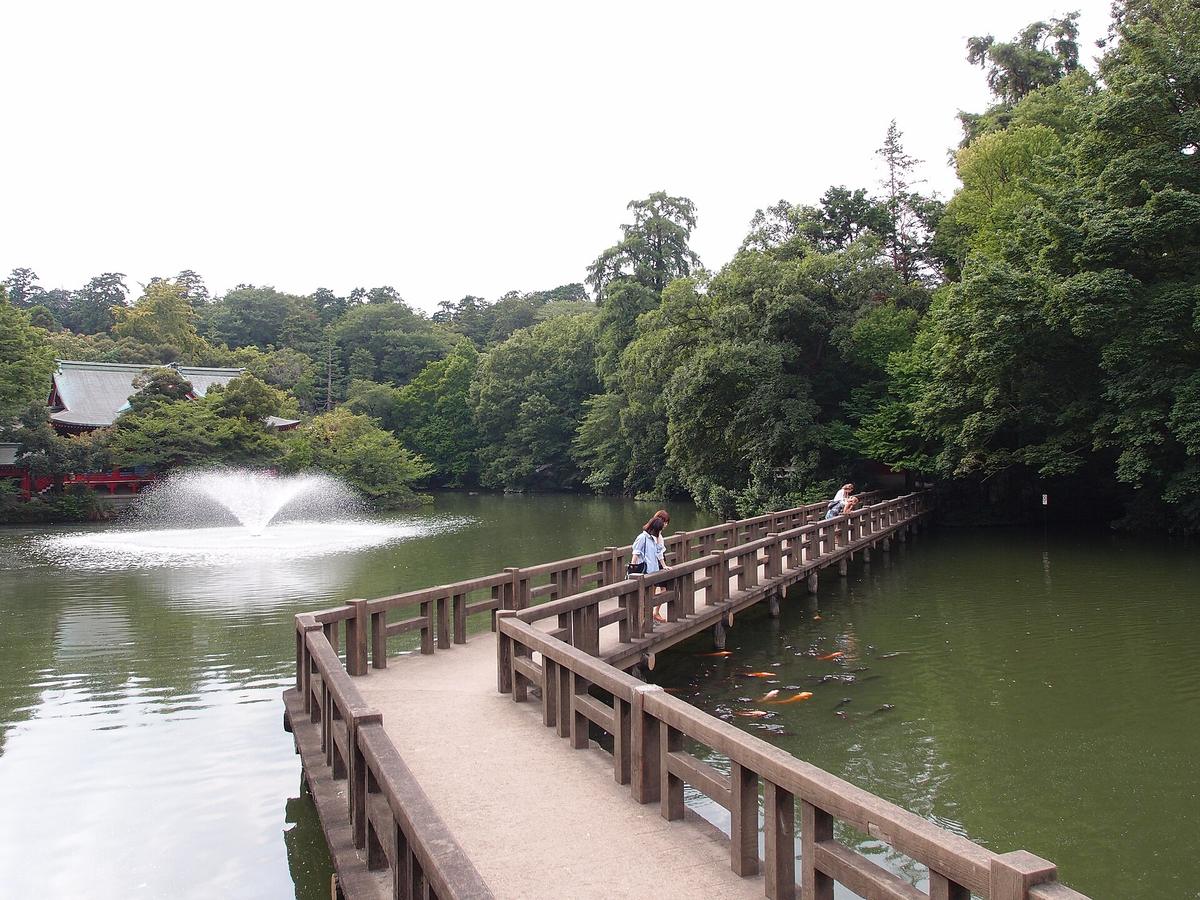
Exit Kichijoji Station through the Park Exit and walk five minutes east. You arrive at Inokashira Park, 38 hectares of green space centred on a 4.3 hectare pond fed by natural springs. The park opened in 1917, making it older than most of Tokyo's modern public gardens. Arrive by 08:30 to see the water still and the cherry trees over the pond without the afternoon crowd. Late March to early April is peak season for the blossoms, and late November for the autumn foliage. Both bring packed parks and premium hotel rates. Skip Golden Week and mid-August entirely.
Boating on the Pond
Rent a rowboat or a swan pedal boat at the dock near the west shore. Both fit two to three people and cost ¥700 per 30 minutes. The rowboat rental opens at 09:30 and closes between 17:00 and 18:00 depending on the season. The boat rental is closed every Tuesday (or Wednesday if Tuesday is a public holiday). This matters because many visitors assume it operates daily. It does not. Plan your boat trip for a Monday, Wednesday, Thursday, Friday, Saturday, or Sunday.
Walking to the Ghibli Museum
The park connects directly to the Ghibli Museum. Walk the path through the park, past the boathouse and the small shrine, and exit at the northeast corner. Fifteen to twenty minutes later you reach the museum entrance in Mitaka. The museum opened on 1 October 2001. Admission is reservation-only, no walk-up tickets. Adult tickets cost ¥1,000. Tickets are released on the 10th of each month for the following month. Book the minute they go live. Tuesdays the museum is closed, also year-end holidays and periodic maintenance. If you arrive on a Tuesday, the museum is locked. Plan your Kichijoji day around the museum's calendar, not the other way around.
.jpg)
Harmonica Yokocho: the Post-War Alley That Has Not Changed
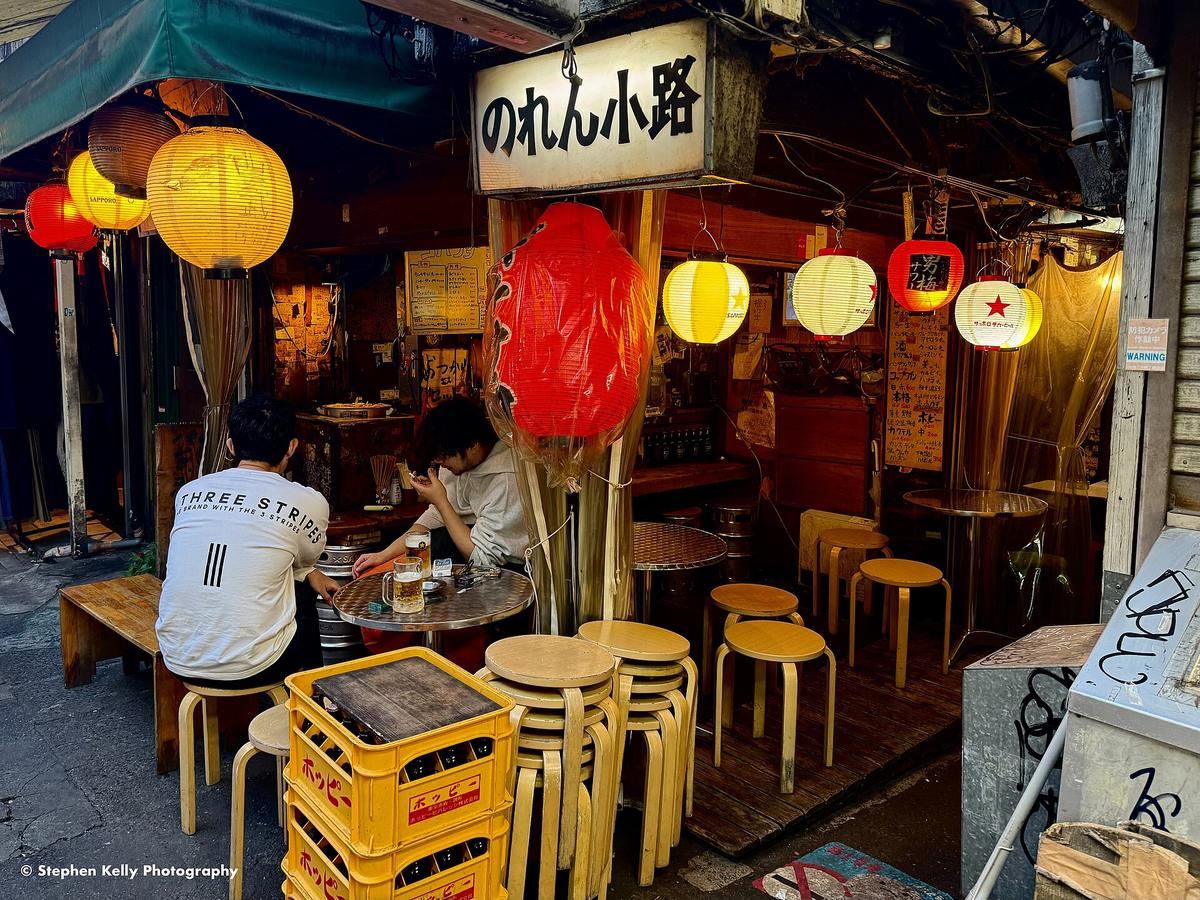
From the station north exit, cross the main road and duck into Harmonica Yokocho. This warren of alleys was founded in the early post-WWII 1940s. The name comes from the narrow layout resembling a harmonica. Around 100 tiny establishments pack the space: izakaya, yakitori stalls, standing bars. This is not a polished food hall. Tables are small, menus are handwritten in Japanese, and seating is six stools or fewer. The electricity is what makes it worth the detour. Go at 17:30, just as the evening crowd arrives. The alley transforms from a quiet passage to a lit maze. Order a skewer of yakitori and a beer at the first place with an empty stool. Do not plan a specific meal here. Plan to wander and eat wherever there is room.
The alley is not for everyone. If crowds and tight spaces make you anxious, skip it. If you are on a shoestring backpacker budget hoping for dirt-cheap street food, this is not that. A skewer and a drink runs ¥1,500 to ¥2,000. Come for the atmosphere, not the bargain.
Sun Road Arcade: 200 Metres of Genuine Local Shopping
North of Harmonica Yokocho runs Kichijoji Sun Road Shopping Street, a covered arcade around 200 metres long with roughly 150 shops. It feels nothing like the tourist arcades in Asakusa or Nakamise. This is where locals buy produce, stationery, and clothing. The roof keeps you dry, which matters in June's rainy season and July's humidity. Walk the full length and note what is missing: chain souvenir stores and maid cafes. Instead you find butchers, fishmongers, a secondhand bookshop, and a hardware store that sells single screws. The arcade opens at 10:00 and starts winding down by 19:30. Arrive mid-morning for the best light and the least crowd.
Sun Road is bad for one thing: impulse clothes shopping. The selection leans toward basics and home goods. For fashion, take the Keio Inokashira Line two stops to Shimokitazawa, which runs vintage and boutique stores. Kichijoji is not a shopping destination for trend-hunters. It is a shopping destination for people who need a functional umbrella, a fresh-cut piece of fish for dinner, and a 200-yen coffee from the bakery near the middle entrance.
How to Connect It to the Ghibli Museum in One Day
Start at Ghibli Museum at 10:00. The timed-entry slot means you are inside for roughly 90 minutes. From the museum, walk back through Inokashira Park to the rowboat dock. Rent a boat for 30 minutes. Then walk to Kichijoji Station, north exit, and spend 90 minutes in Harmonica Yokocho for lunch. Finish with an hour walking Sun Road before the shops close. This sequence avoids backtracking and keeps you moving with the daylight. Total walking distance is under 2 kilometres. You will not need a train between any of these stops.
.jpg)
Common Questions
Is Kichijoji walking distance from the Ghibli Museum?
Yes. The museum is in Mitaka, at the northeast edge of Inokashira Park. From Kichijoji Station, it is a 15 to 20 minute walk through the park. No train needed. The route passes the boat dock and a small shrine.
How do I buy Ghibli Museum tickets?
Reservation only. Walk-up tickets are not sold. Adult tickets cost ¥1,000. Tickets are released on the 10th of each month for the following month. Book online the day they go live. The museum is closed Tuesdays and year-end holidays.
What is the best time of year to visit Inokashira Park?
Late March to early April for cherry blossoms. Late November for autumn foliage. Both bring packed parks and fully booked restaurants. Avoid Golden Week, mid-August humidity, and New Year closures.
Is Harmonica Yokocho expensive?
Moderate. Expect to spend ¥1,500 to ¥2,000 for a yakitori skewer and a drink. It is not street food cheap, but it is not fine dining either. The value is in the atmosphere, not the price per calorie.
Read next
-
 Japan Travel Guide for First-Timers Who Like Order but Not Crowds
Japan delivers deep tradition and futuristic efficiency, but the language barrier and density of rules can exhaust first-timers. Here is what to actually expect.
Japan Travel Guide for First-Timers Who Like Order but Not Crowds
Japan delivers deep tradition and futuristic efficiency, but the language barrier and density of rules can exhaust first-timers. Here is what to actually expect.
-
 Japan eSIM vs Pocket WiFi vs Physical SIM for Staying Connected
Free public WiFi across Japan is unreliable and slow. What separates eSIM plans is which Japanese carrier they ride on, and whether hotspot sharing is allowed.
Japan eSIM vs Pocket WiFi vs Physical SIM for Staying Connected
Free public WiFi across Japan is unreliable and slow. What separates eSIM plans is which Japanese carrier they ride on, and whether hotspot sharing is allowed.
-
 Japan Visa-Free Entry and the Visit Japan Web Digital Form
Visa-free entry covers many nationalities, but the Visit Japan Web digital form and QR codes determine how quickly you clear immigration at Narita or Haneda.
Japan Visa-Free Entry and the Visit Japan Web Digital Form
Visa-free entry covers many nationalities, but the Visit Japan Web digital form and QR codes determine how quickly you clear immigration at Narita or Haneda.
-
 Cash and IC Cards Are the Real Payment System in Japan
Japan projects a high-tech image but many small restaurants, temples, and rural buses demand cash. IC cards like Suica and Icoca bridge the gap for daily spending.
Cash and IC Cards Are the Real Payment System in Japan
Japan projects a high-tech image but many small restaurants, temples, and rural buses demand cash. IC cards like Suica and Icoca bridge the gap for daily spending.
-
 Fifth Freedom Flights Are the Award Sweet Spot Nobody Searches For
Fifth-freedom flights let you fly a foreign airline between two other countries, and they often have award seats when the airline's own hub routes are sold out.
Fifth Freedom Flights Are the Award Sweet Spot Nobody Searches For
Fifth-freedom flights let you fly a foreign airline between two other countries, and they often have award seats when the airline's own hub routes are sold out.
-
 Every Way Into an Airport Lounge and What Each One Actually Costs You
-
 When a Mileage Upgrade Is the Wrong Way to Spend Miles
Upgrading a paid ticket with miles sounds efficient but the required fare class often costs so much that a straight award booking in the same cabin is cheaper.
When a Mileage Upgrade Is the Wrong Way to Spend Miles
Upgrading a paid ticket with miles sounds efficient but the required fare class often costs so much that a straight award booking in the same cabin is cheaper.
-
 Mistake Fares and Whether an Airline Actually Has to Honour Your Ticket
Mistake fares generate excitement but most airlines cancel them and refund your money, and the US DOT rarely forces them to honour the ticket.
Mistake Fares and Whether an Airline Actually Has to Honour Your Ticket
Mistake fares generate excitement but most airlines cancel them and refund your money, and the US DOT rarely forces them to honour the ticket.