Akihabara Is Electric Town, Arcades, and Maid Cafes on Every Floor
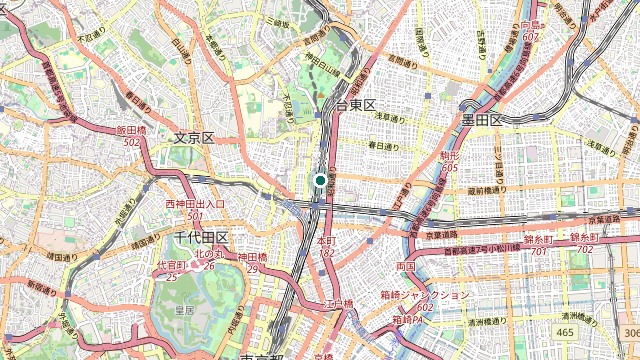
Akihabara Tokyo guide: electronics, anime, and arcades stacked floor by floor, from Radio Kaikan to the maid cafe touts.
- Flag
-

- ISO code
- JP
- Currency
- JPY
- Timezone
- Asia/Tokyo
The Elevator Doors Open and You Are Already Out of Date
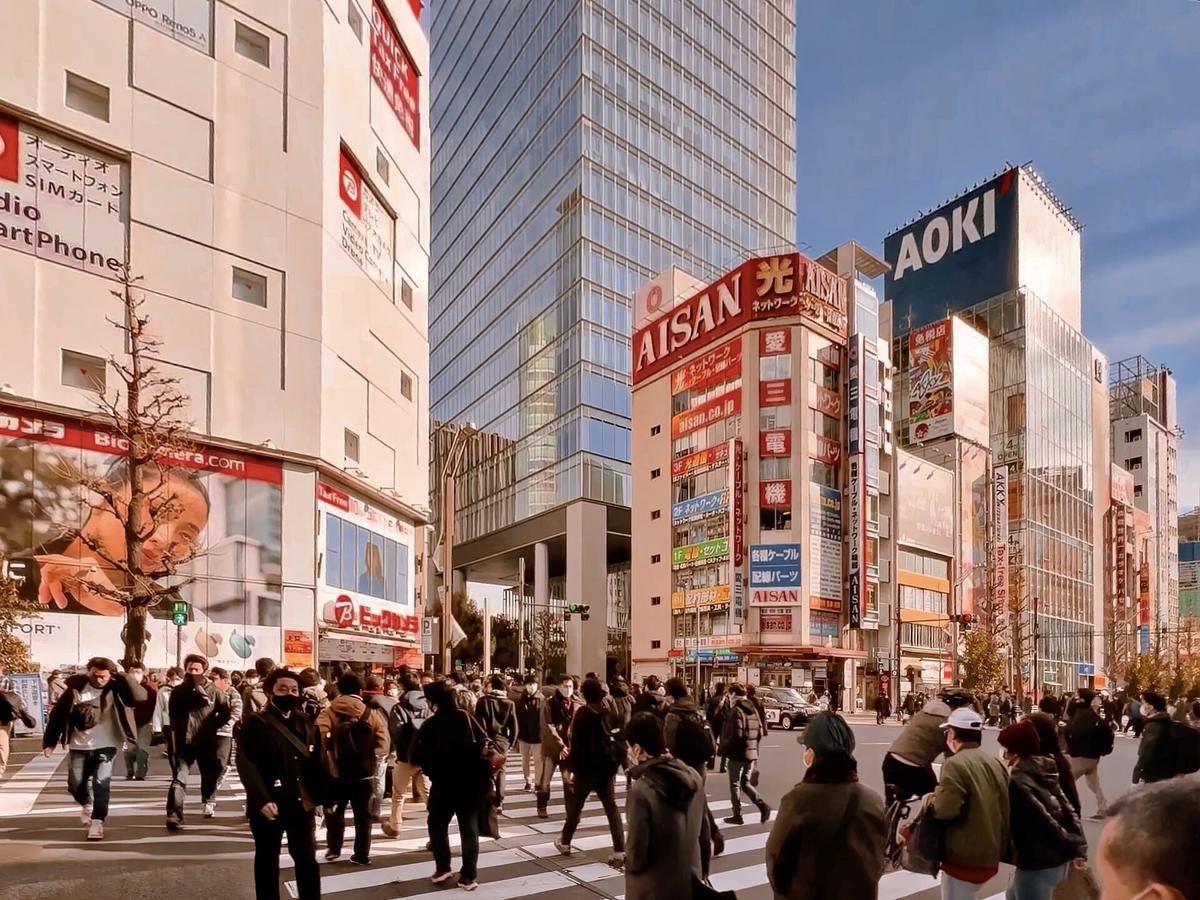
It is 11:00 on a Wednesday and the elevator lobby at Akihabara Radio Kaikan is the calmest part of the building. Three people wait. The doors open. Nobody speaks. This is the only quiet moment you will get. The building runs on a different logic from the street. Above ground, Akihabara looks like a two-dimensional wall of neon and billboards. But the area has almost no single-floor shops. Every building is a vertical warren of micro-specialties, and the thing that trips visitors hardest is thinking they can just walk in and browse. You cannot. You need a floor plan and a reason for each stop. Google Maps will show you the building entrance but not the shop on the 5th floor that only sells vinyl doll heads from the 1980s. That shop exists. You have to know it is there.
Radio Kaikan is the Vertical Maze That Started Everything
How to Tackle the Stack
Akihabara Radio Kaikan, rebuilt in 2014, runs from B2F to 8F and holds roughly 40 shops. Do not treat it as one destination. Treat it as ten destinations stacked on top of each other. The basement has hobby electronics and vacuum tubes. The ground floor sells new figurines and model kits. The upper floors tilt toward second-hand goods, with AmiAmi occupying several floors for used figurines and garage kits. The elevator is slow. Take the stairs for anything under four floors. The building closes at 20:00, but some shops shut earlier. Arrive by 13:00 if you want to see everything without rushing.
The Other Multi-Floor Players
Radio Kaikan is famous, but it is not the only multi-floor play. Yodobashi Camera Akiba runs nine floors from B1F to 8F. It is not a hobby shop. It is a department store that happens to have a floor for cameras, a floor for watches, a floor for toys, and a restaurant floor on top. Use it for practical electronics purchases and for the restaurant floor, which opens at 11:00 and fills by 12:30. Bic Camera Akihabara, seven floors, adds cosmetics and drugs to the mix, which is useful if you forgot toothpaste or need a hair dryer at 19:45.
Second-Hand Hunting Grounds
The older second-hand chains cluster along Chuo Dori, the main street. Hard Off Akihabara at 1-chome sells used electronics and musical instruments. Surugaya has multiple branches, each focused on a single category: one for used games, one for used trading cards, one for used cosplay. Super Potato on the 3rd floor of a nondescript building near the station is the retro game specialist. Three floors. Old Famicom cartridges in glass cases. Prices are higher than what you would find in a suburban Hard Off, but the selection is curated. Pay the premium for the convenience of having every rare title in one room.

Arcades Are Now GiGO and Work on Tokens, Not Time
Sega closed its Akihabara branches in 2021. GiGO took over the space and the branding. There are now multiple GiGO buildings in the neighbourhood. The largest one near the station on the west side of Chuo Dori runs six floors. Floor 1 is claw machines. Floors 2 and 3 are prize games and medal games. Floor 4 is rhythm games. Floor 5 is fighting games and retro cabinets. Floor 6 is purikura photo booths. The machines take 100-yen coins. Bring a stack of them. The ATMs in the building charge a fee. Hit a 7-Eleven before you arrive.
These game centres are not quiet. They are loud with electronic beeps and mechanical clatter. If that drains you, skip them entirely and stick to the hobby shops. But if you want to see how Akihabara works as a social space, stand on the 4th floor of GiGO on a Saturday afternoon and watch the rhythm game players. They bring their own towels. They know the staff by name. This is the real culture, not the maid cafes.
Maid Cafes, Trading Cards, and the Touts You Need to Ignore
The Maid Cafe Pitch
Maid cafe touts stand on the pavement along Chuo Dori from 11:00 to 20:00. They wear frilled aprons and hand out flyers in Japanese and English. The spectacle is free. The cafe inside is not worth the cover charge for most visitors. A typical maid cafe charges an entrance fee of ¥500 to ¥800, plus a food order of ¥1,000 to ¥1,500, plus a drink order, plus a mandatory photo with the maid for another ¥500. The food is theme-park quality. If you want the experience, pay for it as a curiosity. If you want a good meal, leave the neighbourhood. The restaurants in Akihabara are mostly chain fast food. The exception is the ramen shops on the side streets east of the station, but even those are average by Tokyo standards.
Cards, Figurines, and the Browse-and-Ask System
Trading card shops number over 30 in the area. The densest concentration is on the 3rd and 4th floors of the buildings between Radio Kaikan and the station. Card shops operate on a browse-and-ask system. Do not touch the cards in the display cases. Point at what you want. The staff will retrieve it. Figurine shops exceed 50, and most are in Radio Kaikan and the buildings directly south of the station along Chuo Dori. The second-hand figurine shops offer the best value. A pre-owned figurine in a box is often 30% to 50% below retail. The boxes are sometimes damaged and the plastic blister may be yellowed. Check the condition before you buy. AmiAmi is the most reliable chain for grading quality.
Nakano Broadway: The Indoor Alternative
Nakano Broadway is a separate district 15 minutes west by the JR Chuo Line. It is a four-floor indoor mall with 300 shops. The mix is roughly 30% otaku goods and 70% general retail. Nakano Broadway has no game centres. It does not feel like Akihabara. It feels like a covered market that happens to sell vintage anime cels. Go there for second-hand manga and vintage toys that you will not find in Akihabara. But do not mistake it for an alternative to Akihabara. They serve different purposes. Akihabara is for new goods, electronics, and arcades. Nakano Broadway is for hunting. One day each is fair.
When to Go, Who Should Skip, and What the District Cannot Do
What to Eat (Elsewhere)
Akihabara is bad at dining. The sit-down restaurants are mostly mediocre chains. No high-end tempura omakase here. No monjayaki specialists. Go to Ueno for the Ameya-Yokocho market street, one stop north on the JR Yamanote Line, if you want street food. Go to Ginza if you want a proper meal. Akihabara is also bad at calm. Quiet does not exist here. The arcades and the train lines and the crowd noise mean the quarter is always loud. If you find that draining, schedule your visit for a weekday morning. The arcades open at 10:00 but stay quiet until 12:00.
Where to Stay
The best hotel location depends on your budget. Akihabara itself has roughly 30 hotels within 500 metres of the station, ranging from ¥8,000 to ¥25,000 per night. For cheaper accommodation, base yourself in Ueno one stop north, or Asakusabashi one stop east on the JR Sobu Line. Both are within walking distance of Akihabara and have lower rates. The walk from Ueno is 15 minutes along Chuo Dori. The walk from Asakusabashi is 10 minutes.
Who Should Go and Who Should Skip
This area suits solo explorers. The anonymity of a multi-floor hobby shop where nobody talks to you is a feature, not a bug. It suits efficiency nerds who enjoy a system: enter a building, scan the floor directory, ride the elevator to the correct floor, buy exactly what you came for, leave. It does not suit people who find crowds anxiety inducing. It does not suit travellers on a tight budget who want cheap street food. And it does not suit first-time Tokyo visitors with three days who feel compelled to see everything. Pick two districts per day. If Akihabara is one, pair it with Ueno. Do not pair it with Shibuya. The shift in scale and energy is too jarring, and you will waste the commute.
Frequently Asked Questions
Does Akihabara have shops open after 20:00?
Most specialty shops close between 20:00 and 20:30. Arcades at GiGO stay open until 23:00 or later. Restaurants in the district close by 22:00. If you want dinner after shopping, eat before 20:30.
Can you buy tax-free goods in Akihabara?
Many shops in Radio Kaikan, Yodobashi Camera, and Bic Camera offer tax-free purchases for tourists with a passport. The minimum purchase is usually ¥5,000. Consumable items like food have a ¥5,000 minimum too. Non-consumables like electronics have no upper limit. Bring your passport and expect to show it at checkout.
Is Akihabara worth it for someone who does not like anime?
Only if you need electronics. Yodobashi Camera is the best single store for consumer electronics in Tokyo, and the second-hand electronics shops offer useful deals on audio gear, cameras, and computer parts. If you do not want anime figurines and do not need a laptop, skip Akihabara. Go to Shinjuku or Shibuya instead.
Which station exit should I use for Akihabara's main shopping street?
Use the Electric Town Exit on the JR Yamanote Line platforms. It drops you directly onto Chuo Dori. The Hibiya Line exit connects to the underground walkway that leads to the back of Yodobashi Camera. Avoid the Showa Dori exit unless you are heading to the east side of the station for the ramen shops.
How long does it take to see Akihabara properly?
Half a day for focused shopping. A full day if you plan to visit arcades and browse multiple buildings. The typical visitor duration is 3 to 5 hours for shopping only, 6 to 8 hours with arcades. Anything longer and you will hit diminishing returns. The buildings repeat the same categories by floor 4 or 5 of each shop.
Read next
-
 Japan Travel Guide for First-Timers Who Like Order but Not Crowds
Japan delivers deep tradition and futuristic efficiency, but the language barrier and density of rules can exhaust first-timers. Here is what to actually expect.
Japan Travel Guide for First-Timers Who Like Order but Not Crowds
Japan delivers deep tradition and futuristic efficiency, but the language barrier and density of rules can exhaust first-timers. Here is what to actually expect.
-
 Japan eSIM vs Pocket WiFi vs Physical SIM for Staying Connected
Free public WiFi across Japan is unreliable and slow. What separates eSIM plans is which Japanese carrier they ride on, and whether hotspot sharing is allowed.
Japan eSIM vs Pocket WiFi vs Physical SIM for Staying Connected
Free public WiFi across Japan is unreliable and slow. What separates eSIM plans is which Japanese carrier they ride on, and whether hotspot sharing is allowed.
-
 Japan Visa-Free Entry and the Visit Japan Web Digital Form
Visa-free entry covers many nationalities, but the Visit Japan Web digital form and QR codes determine how quickly you clear immigration at Narita or Haneda.
Japan Visa-Free Entry and the Visit Japan Web Digital Form
Visa-free entry covers many nationalities, but the Visit Japan Web digital form and QR codes determine how quickly you clear immigration at Narita or Haneda.
-
 Cash and IC Cards Are the Real Payment System in Japan
Japan projects a high-tech image but many small restaurants, temples, and rural buses demand cash. IC cards like Suica and Icoca bridge the gap for daily spending.
Cash and IC Cards Are the Real Payment System in Japan
Japan projects a high-tech image but many small restaurants, temples, and rural buses demand cash. IC cards like Suica and Icoca bridge the gap for daily spending.
-
 Fifth Freedom Flights Are the Award Sweet Spot Nobody Searches For
Fifth-freedom flights let you fly a foreign airline between two other countries, and they often have award seats when the airline's own hub routes are sold out.
Fifth Freedom Flights Are the Award Sweet Spot Nobody Searches For
Fifth-freedom flights let you fly a foreign airline between two other countries, and they often have award seats when the airline's own hub routes are sold out.
-
 Every Way Into an Airport Lounge and What Each One Actually Costs You
-
 When a Mileage Upgrade Is the Wrong Way to Spend Miles
Upgrading a paid ticket with miles sounds efficient but the required fare class often costs so much that a straight award booking in the same cabin is cheaper.
When a Mileage Upgrade Is the Wrong Way to Spend Miles
Upgrading a paid ticket with miles sounds efficient but the required fare class often costs so much that a straight award booking in the same cabin is cheaper.
-
 Mistake Fares and Whether an Airline Actually Has to Honour Your Ticket
Mistake fares generate excitement but most airlines cancel them and refund your money, and the US DOT rarely forces them to honour the ticket.
Mistake Fares and Whether an Airline Actually Has to Honour Your Ticket
Mistake fares generate excitement but most airlines cancel them and refund your money, and the US DOT rarely forces them to honour the ticket.