Which Haneda Airport Bus Service Actually Gets You to Your Tokyo Hotel
Which Haneda bus service matches your Tokyo arrival time, hotel location, and luggage situation, plus the honest comparison with the faster train.
The Haneda Airport Bus Question You Actually Need Answered
You step off the plane at Haneda, grab your suitcase, and face a choice that will shape the next hour of your life. Every Tokyo guide tells you the trains are faster, cheaper, and more reliable. That is true until it is not. The Haneda airport bus solves four specific problems the rail network refuses to touch: door-to-door hotel delivery with luggage, late-night arrivals after the last train, direct access to hotel districts like Shinjuku and Shibuya without navigating a 20-exit terminal, and the simple fact that you do not have to drag a suitcase up a stairwell at Hamamatsucho or Shinagawa. This page maps the entire bus ecosystem against real traveller scenarios so you can stop guessing when the bus wins and when it wastes your time.
- Best For: Solo explorers, food-obsessed travellers, pop-culture and design enthusiasts, efficiency nerds, couples who prefer walking neighbourhoods over beach resorts
- Not For: Travellers on a tight backpacker budget wanting dorm beds under ¥3,000; anyone who finds rigid queuing and unspoken social rules exhausting
- Minimum Days: 4 , fewer and you only collect major intersections without understanding a single neighbourhood
- Peak Season: Late March to early April (cherry blossom), November (autumn foliage). Hotel price surges of 50, 100%.
- Avoid Window: Golden Week (29 Apr, 5 May), New Year (29 Dec, 3 Jan), rainy season (mid-June to mid-July)
- Bus Fare to Tokyo Station: ¥1,300 one way, adult
- First Bus from Haneda: Approximately 5:30, 6:00 AM to central Tokyo
- Last Bus from Haneda: Approximately 11:30 PM, 12:30 AM, timed to meet late-arriving flights
- Bus Frequency: Every 10, 30 minutes during daytime to central Tokyo
- Luggage Allowance: Up to 2 checked pieces per passenger, under 200 cm total dimensions and 30 kg each
- Ticket Purchase: Vending machines near bus stops (cash, IC cards, some foreign credit cards), manned counters in arrivals, online advance purchase, or onboard (cash/IC).
- Reservation Required?: Most central Tokyo routes: no reservation, first-come first-served. Long-distance resort or overnight routes: advance reservation required.
When the Bus Beats the Train
The Keikyu Line to Shinagawa costs ¥330 and takes 11 minutes. The Tokyo Monorail to Hamamatsucho costs ¥520 and takes 13 minutes. Both connect to the JR Yamanote Line, which loops through every major district. If your hotel is within a five-minute walk of Shinagawa, Hamamatsucho, or any stop on that loop, and you have nothing heavier than a backpack, take the train. The bus is slower and more expensive in that scenario.
When You Arrive After 11:30 PM
The last Monorail departs Haneda around 11:30 PM. The last Keikyu Line train leaves around midnight, give or take. The last bus to Shinjuku and Shibuya departs around 12:30 AM, timed to meet late arrivals from regional and international flights. If your plane lands after 10:30 PM, the bus is your only public transport option to central Tokyo, and you should know exactly which stop to walk to before you clear customs. A taxi from Haneda to Shinjuku costs ¥8,000 to ¥12,000. The bus costs ¥1,300. Do the math.
When You Have Luggage and a Hotel in Shinjuku or Shibuya
Shinjuku Station has over 200 exits. The bus terminal sits at the Shinjuku Expressway Bus Terminal, directly above the JR tracks and connected via a short walkway. More importantly, many hotel shuttles and taxis wait right outside. You do not carry your suitcase through the underground labyrinth. The bus drops you at a central point, and your hotel is a five-minute walk. Same logic applies to Shibuya, where the stop at Shibuya Mark City connects straight to the complex and the surrounding hotels. Compare that to the train: you arrive at Shinagawa or Hamamatsucho, transfer to the Yamanote Line, ride to Shinjuku, then navigate a terminal that demands a 400-metre walk from the wrong exit to your hotel entrance. The bus removes every transfer.
When Your Hotel Is in Asakusa, Odaiba, or Roppongi
Asakusa sits on the far eastern edge of the subway network. From Haneda, you take the Keikyu Line to Shinagawa, transfer to the Asakusa Line, and ride for roughly 40 minutes. The bus goes direct from Haneda to Asakusa in about 50 minutes, and you sit the whole way. Roppongi requires a transfer at Shinagawa onto the Toei Mita Line or a taxi from the Yamanote Line. The bus drops you at Roppongi Hills or the nearby hotel zone. Odaiba is not on the Yamanote Line at all; the bus is the only practical public option. If your booking confirmation lists one of these three districts, take the bus, not the train.
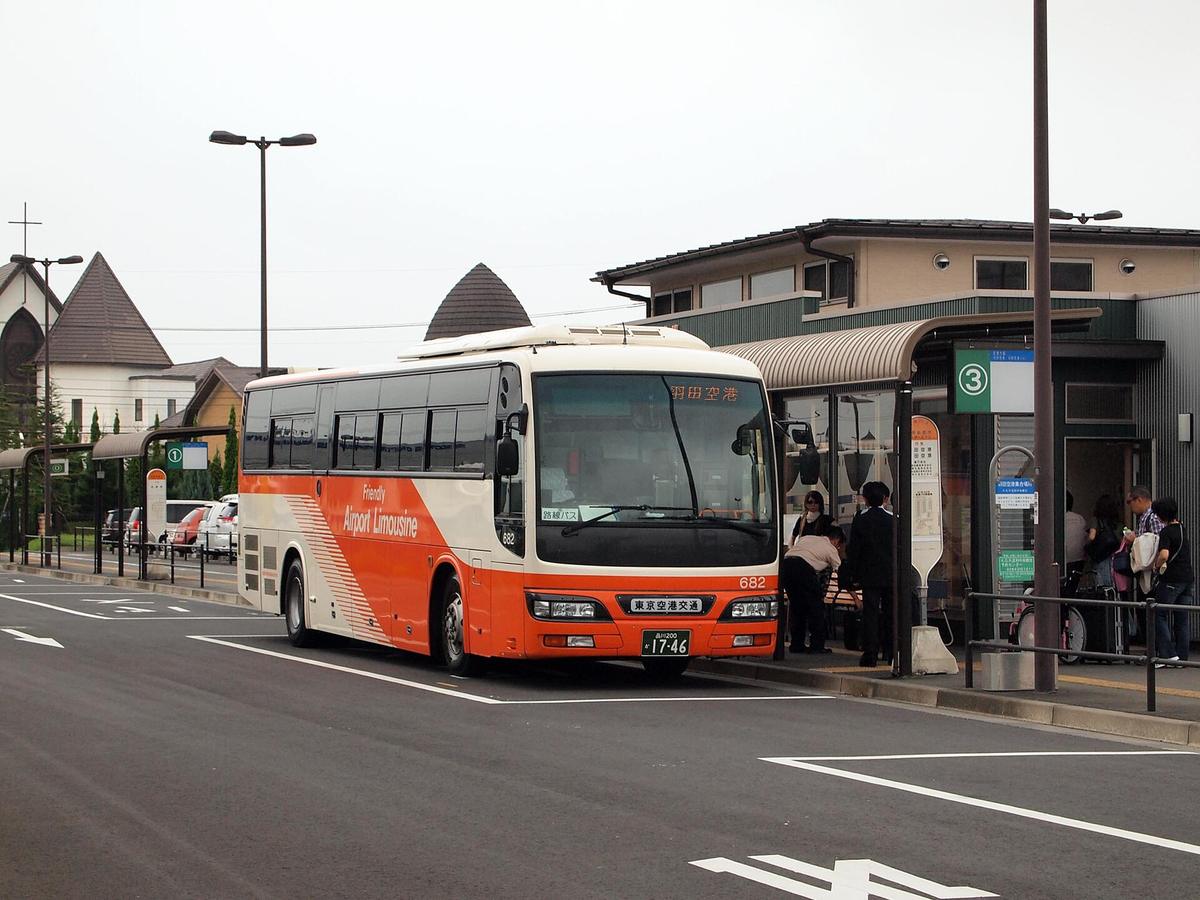

How the Bus System Actually Works at Haneda
Haneda has three terminals. Terminal 3 handles international flights. The bus stop is on the departures level, 2F, outside the terminal building at the designated bays. Terminals 1 and 2 handle domestic flights. Their stops are on the arrivals level, 1F, also outside the building at the designated bays. If you fly into Terminal 3 and your bus passes through Terminal 1 or 2, it may pick up additional passengers. Board at Terminal 3 if you want a seat, because the bus can fill up at the earlier domestic stops.
Buying a Ticket Without the Headache
The ticket vending machines near the stops accept cash, IC cards like Suica and Pasmo, and some accept foreign-issued credit cards. The newer multilingual machines in the international arrivals area accept Visa, Mastercard, JCB, and American Express, but older machines do not. If your credit card gets rejected, the manned counters in the arrivals lobbies sell the same tickets and take cash or card. You can also buy online through the Airport Transport Service website or app before you land, generate a QR code, and scan it at the stop. This saves you queuing at the machine when 40 exhausted passengers from the same flight all arrive at once. On most central Tokyo routes, no reservation is needed; you buy a ticket and board the next available bus. If you bought a ticket for a specific departure but miss it because your flight was late, non-reservation tickets remain valid for later departures on the same route on the same day. Reservation-only tickets follow the specific route's change policy, and many allow boarding a later bus if space permits.
Board the bus, stow your luggage in the underfloor hold yourself, and keep your carry-on with you. The hold accepts up to two checked pieces per passenger, each not exceeding 200 cm in total dimensions and 30 kg in weight. You do not need to declare luggage within those limits. Oversized items like skis or snowboards may require advance notice on reservation routes. Pay attention to the destination board; buses to Shinjuku and Shibuya are different from buses to Tokyo Station. Do not board the wrong one.
The Timetable Trap
Buses run on a fixed timetable. Departures are not held for delayed flights. If your plane lands at 10:55 PM and the last bus to Shinjuku leaves at 11:15 PM, you have 20 minutes to clear customs, collect luggage, walk to the stop, buy a ticket, and board. That is tight. If you miss it, your options are a taxi or waiting until the first morning bus, which departs Haneda around 5:30 AM. The last bus from Haneda to central Tokyo departs between 11:30 PM and 12:30 AM depending on the route. The first bus from central Tokyo back to Haneda departs between 3:30 AM and 4:30 AM from major hubs like Tokyo Station and Shinjuku. The last bus from central Tokyo to Haneda departs around 8:00 PM to 9:00 PM from most areas.
| Mode | Cost (One Way) | Time to Central Hub | Best For | Worst For |
|---|---|---|---|---|
| Airport Bus | ¥1,300 to Tokyo Station | 30–45 min (can hit 60–90 min in rush hour) | Hotels in Shinjuku, Shibuya, Asakusa, Odaiba, Roppongi; travellers with luggage; late arrivals after 11 PM | Travellers with minimal luggage staying near Shinagawa or Hamamatsucho; anyone in a hurry during weekday peak traffic |
| Keikyu Line | ¥330 to Shinagawa | 11–15 min to Shinagawa | Fastest, cheapest connection to JR Yamanote Line; solo travellers with backpacks | Anyone with heavy luggage heading to Asakusa, Odaiba, or non-station-area hotels |
| Tokyo Monorail | ¥520 to Hamamatsucho | 13–18 min to Hamamatsucho | Quick connection to Hamamatsucho for JR Yamanote Line; reliable frequency | Same limitations as Keikyu; no direct route to western Tokyo districts |
| Taxi | ¥7,000–¥12,000 to central Tokyo | 30–90+ min depending on traffic | Door-to-door service; groups of 3–4 splitting cost; very late arrivals after buses stop | Expensive alone; stuck in same traffic as buses; no luggage storage system |
The Traffic Trap and When to Avoid the Bus
The bus to Tokyo Station takes 30 to 45 minutes in normal conditions. During weekday morning rush hour from 7:30 AM to 9:30 AM and evening rush from 5:00 PM to 7:00 PM, that same journey can stretch to 60 or even 90 minutes. Holiday weekends, especially around cherry blossom season and autumn foliage, add another 20 to 30 minutes. If you land at 8:00 AM on a Tuesday and your hotel is a two-minute walk from Shinagawa Station, take the Keikyu Line. You will be checked in before the bus clears the Haneda exit ramp. If you land at 2:00 PM on a Sunday and your hotel is in Shibuya, the bus is fine.
The One Mistake That Costs You an Hour
Do not take the bus to a destination within a five-minute walk of a stop on the Keikyu Line or Tokyo Monorail direct routes. Shinagawa and Hamamatsucho are the prime examples. Both are served by trains that depart every few minutes, cost under ¥600, and take under 20 minutes. If your hotel is at Shinagawa Station or Hamamatsucho, the bus is the wrong choice. You pay more, you wait longer for the next departure, and you sit in traffic. The bus shines when your destination is not a five-minute walk from those two hubs.
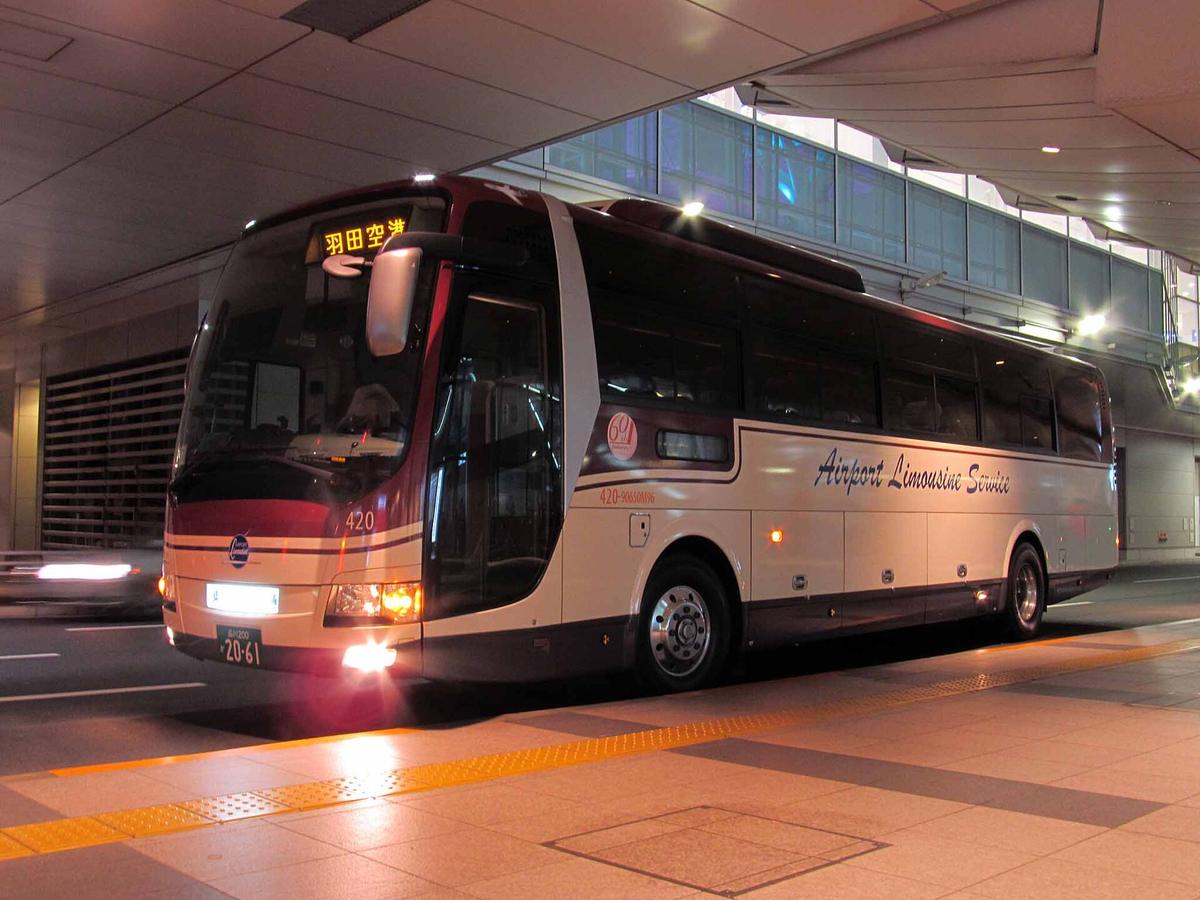

Who This Bus Guide Serves and Who Should Skip it
This guide is for the traveller landing at Haneda with a suitcase, a hotel confirmation in Shinjuku or Shibuya or Asakusa, and a desire to arrive without transferring twice underground. It is for the late arrival whose plane lands after 10:30 PM and who needs to know that the bus is the only affordable option before considering a ¥10,000 taxi. It is for the efficiency nerd who wants to compare the ¥1,300 bus fare against the ¥330 train fare and decide based on exact conditions, not general advice. It is not for the backpacker with a dorm bed in Shinagawa, because they can take the Keikyu Line for ¥330 and be at the hostel in 15 minutes. It is not for the traveller who treats the Tokyo rail experience as part of the trip, who finds navigating Shinagawa Station a puzzle to solve rather than a drain on energy. If your hotel is a five-minute walk from Shinagawa or Hamamatsucho, skip this page and buy a train ticket. If your hotel is anywhere else, or if you land after 10:30 PM, the bus is the move.
Read next
-
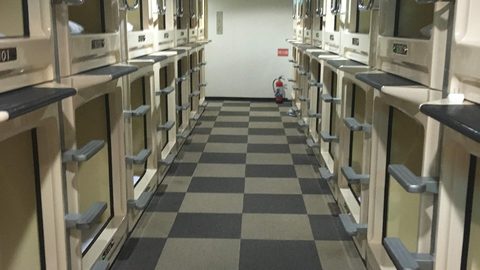
 Tokyo Hotels by Type and Budget from Capsules to Luxury
Tokyo hotels organised by type and price band, from efficient capsule pods to full-service luxury towers, to help you book the right room.
Tokyo Hotels by Type and Budget from Capsules to Luxury
Tokyo hotels organised by type and price band, from efficient capsule pods to full-service luxury towers, to help you book the right room.
-
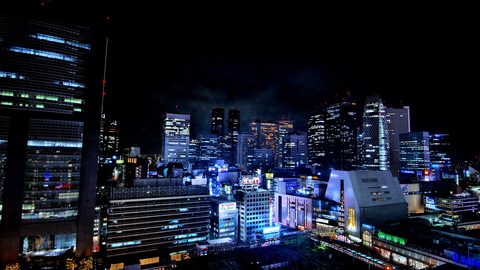 Where to Stay in Tokyo by District and Travel Style
A comparison of Tokyo's major districts to help you choose the right base for your travel style, whether you want calm or chaos.
Where to Stay in Tokyo by District and Travel Style
A comparison of Tokyo's major districts to help you choose the right base for your travel style, whether you want calm or chaos.
-
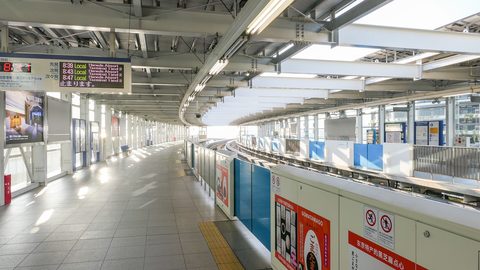 Narita or Haneda for Tokyo and What That Airport Choice Costs You
Narita or Haneda for Tokyo: compare door-to-district time, transfer cost, and what the wrong airport choice eats from your trip.
Narita or Haneda for Tokyo and What That Airport Choice Costs You
Narita or Haneda for Tokyo: compare door-to-district time, transfer cost, and what the wrong airport choice eats from your trip.
-
 Things to Do in Tokyo That Are Worth Your Limited Days
A curated list of Tokyo's highest-impact sights and experiences, from immersive art to quiet backstreets, to help you prioritise your days.
Things to Do in Tokyo That Are Worth Your Limited Days
A curated list of Tokyo's highest-impact sights and experiences, from immersive art to quiet backstreets, to help you prioritise your days.
-
 Best Time to Visit Tokyo Month by Month Tradeoffs
A month-by-month guide to visiting Tokyo, laying out the trade-off between weather, crowds, price, and what's actually open.
Best Time to Visit Tokyo Month by Month Tradeoffs
A month-by-month guide to visiting Tokyo, laying out the trade-off between weather, crowds, price, and what's actually open.
-
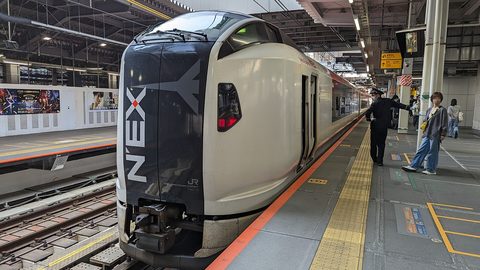 Getting Around Tokyo by Train Airport Transfers and IC Cards
A practical guide to Tokyo's rail network, covering airport transfers, IC cards, and how to avoid the station navigation mistakes that eat your day.
Getting Around Tokyo by Train Airport Transfers and IC Cards
A practical guide to Tokyo's rail network, covering airport transfers, IC cards, and how to avoid the station navigation mistakes that eat your day.
-
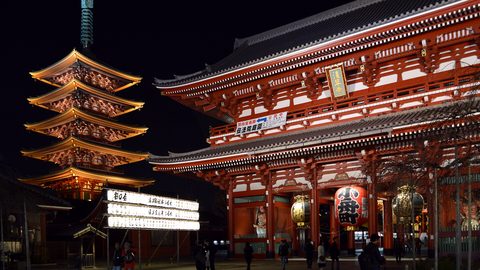 Senso-ji
 is free and never closes, but the experience at 6am with empty Nakamise stalls is nothing like the 11am crush under Kaminarimon. Here is when to go and what you get at each hour.
Senso-ji
Senso-ji is free and never closes, but the experience at 6am with empty Nakamise stalls is nothing like the 11am crush under Kaminarimon. Here is when to go and what you get at each hour.
-
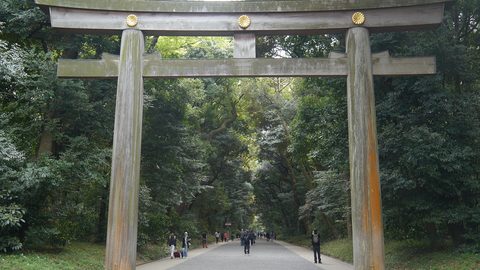 Meiji Jingu
The Meiji Jingu visit changes completely depending on which torii gate you enter. One drops you from Harajuku noise into sudden forest, the other builds quiet slowly from Yoyogi.
Meiji Jingu
The Meiji Jingu visit changes completely depending on which torii gate you enter. One drops you from Harajuku noise into sudden forest, the other builds quiet slowly from Yoyogi.
-
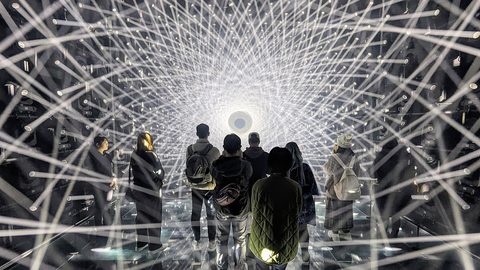 teamLab
 Borderless and Planets are two different Tokyo venues with separate booking systems. Borderless tickets at Azabudai Hills sell in timed slots and the maze has no fixed route.
teamLab
teamLab Borderless and Planets are two different Tokyo venues with separate booking systems. Borderless tickets at Azabudai Hills sell in timed slots and the maze has no fixed route.