Narita or Haneda Airport for Tokyo Depends on Where You Are Staying
Narita or Haneda for Tokyo depends on your final district. Haneda is closer to Shinagawa and Asakusa, Narita Express runs direct to Shibuya, and the transfer maths changes by neighbourhood.
Narita or Haneda for Tokyo Transfer: the Answer is Your District
The Moment It Gets Real
The ticket machine at Shinjuku Station is showing you twenty lines in three colours, and you are standing under a sign that says South Gate but the only south you see is a sunken plaza of payphones and a Lawson. You are thirty minutes out of customs and you could already be in Kyoto. This is the moment the Narita versus Haneda decision becomes real.
Haneda wins for most travellers staying in south or east Tokyo. You pay less. You arrive faster. You walk out of the terminal and onto a train that costs ¥330 and runs past midnight. Narita wins if you are staying in Ueno, Nippori, or northern neighbourhoods where the Keisei Skyliner drops you in thirty-six minutes at ¥2,570, or if your airline forces your hand. Here are the exact numbers, district by district, so you know which terminal to book and what the transfer maths looks like before you buy the plane ticket.
Door to Door: Shinjuku Via Narita Express Versus Haneda Via Keikyu
Pick Shinjuku as the test case, because it is the most common first hotel neighbourhood and it is not the fastest option from either airport. You want the absolute numbers.
Narita To Shinjuku By Narita Express
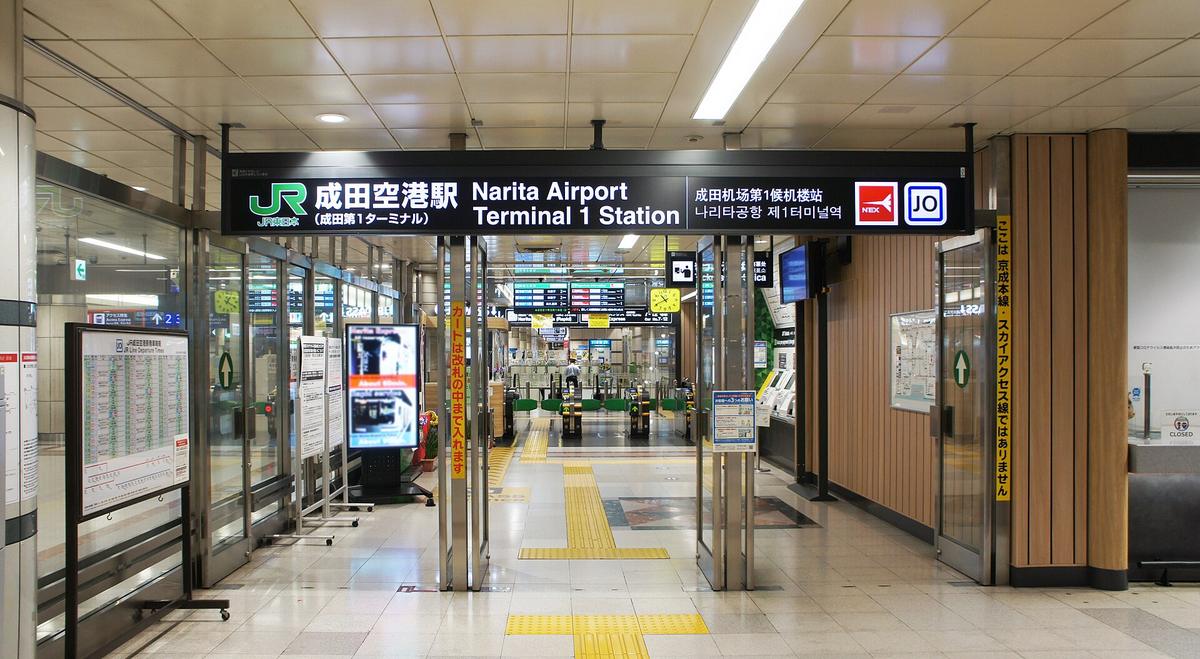
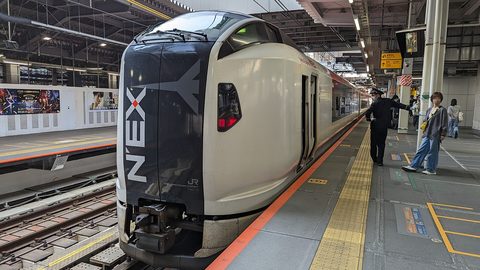
Buy the Narita Express ticket at the JR East counter in the arrivals lobby. One way costs ¥3,070. The train departs from Narita Airport Terminal 1 and runs direct to Shinjuku station in about 80 minutes. No transfer. No platform shuffle. You sit down, the luggage rack fills, and you watch the suburban dystopia of Chiba slide past until the train burrows under Yoyogi and you surface at the busiest station on earth. Last departure from Narita Terminal 1 for Tokyo is 21:44, so if your flight lands after nine at night, the Narita Express is not an option. In that case, take the Airport Limousine Bus for ¥1,300 or the Keisei Skyliner to Nippori and pay the extra JR fare to Shinjuku.
Haneda To Shinjuku By Keikyu Line And Yamanote Transfer
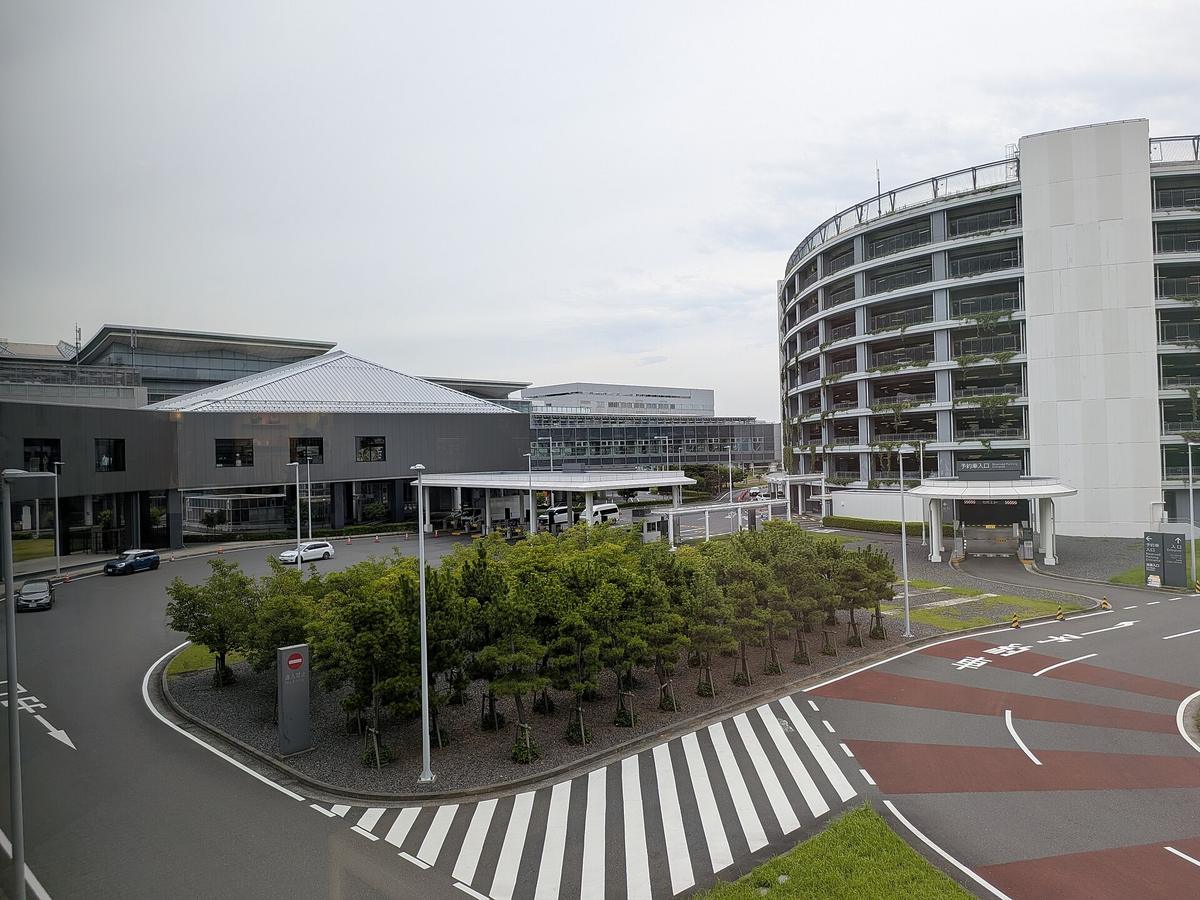
Tap your Suica or Pasmo at the Keikyu Line gate in Haneda Terminal 3. The fare to Shinagawa is ¥330. Ride 13 minutes to Shinagawa. Walk the platform to the JR Yamanote Line, green signs, platform 1 for the outer loop toward Shibuya and Shinjuku. That leg takes another 12 minutes. Total: roughly 25 minutes of train time and three minutes of walking between lines. The last train from Haneda to Shinagawa leaves at 00:05, so even a midnight arrival gets you into Shinjuku before 1am.
The Narita Express is simpler and more comfortable. The Haneda route requires one transfer and costs one-sixth the price. For Shinjuku, the time difference is about 55 minutes. You decide how much that hour is worth.
Refereeing the Decision by District
Shinjuku and Shibuya: The Toss-Up
Shinjuku and Shibuya are roughly equal from both airports once you factor in the direct Narita Express connection. The Narita Express drops you in central Shinjuku or Shibuya without a transfer, which offsets the extra time. If you value a single seat over 55 minutes, Narita is fine here. But Haneda costs less in yen and less in schedule risk: a flight delay at 10pm that kills your Narita Express connection forces you onto a bus or a local train with a transfer.
Haneda Territory
Haneda wins outright for Shinagawa, Ginza, and Asakusa. Shinagawa is 13 minutes by Keikyu Line at ¥330. Ginza is a Tokyo Monorail to Hamamatsucho plus the Yamanote loop: about 20 minutes total. Asakusa is a direct Keikyu Airport Line train that runs through to Asakusa in 28 minutes. No transfer at all. You would pay ¥3,070 on the Narita Express to reach the same districts and arrive an hour later.
Where Narita Makes Sense
Narita is less punishing for Ueno and Nippori. The Keisei Skyliner terminates at Nippori in 36 minutes for ¥2,570, and Ueno is one stop further on the Yamanote or Keihin Tohoku line. The Keisei Limited Express is cheaper at ¥1,050 for a 55-minute ride. Those northern districts sit on the wrong side of the Yamanote loop for Haneda; getting there from Haneda requires a monorail or Keikyu line ride to Hamamatsucho or Shinagawa, then the Yamanote north through Tokyo Station. That takes 35 to 45 minutes and involves a transfer and crowds. Narita gets you to Ueno faster and with less friction.
The Split Decision
Roppongi and Akihabara split the difference. Roppongi from Haneda is Keikyu to Shinagawa, then the Hibiya subway line direct: about 30 minutes. From Narita, you take the Narita Express to Tokyo Station and transfer to the Hibiya line north to Roppongi; total time around 85 minutes. Haneda wins. Akihabara from Haneda is monorail to Hamamatsucho then Yamanote north, 30 minutes. From Narita, the Skyliner to Ueno and a one-stop Yamanote ride south takes about 40 minutes and costs ¥2,570. That is close enough that you should let airline price and schedule decide.
| Destination District | Narita Fastest Cost | Narita Fastest Time | Haneda Fastest Cost | Haneda Fastest Time |
|---|---|---|---|---|
| Shinjuku | ¥3,070 (N'EX direct) | 80 min | ¥508 (Keikyu + Yamanote) | 25 min |
| Shibuya | ¥3,070 (N'EX direct) | 85 min | ¥508 (Keikyu + Yamanote) | 30 min |
| Shinagawa | ¥3,070 (N'EX to Tokyo + Yamanote) | 50 min | ¥330 (Keikyu direct) | 13 min |
| Ginza | ¥3,070 (N'EX to Tokyo + subway) | 65 min | ¥678 (Monorail + Yamanote) | 20 min |
| Asakusa | ¥3,070 (N'EX to Tokyo + subway) | 70 min | ¥430 (Keikyu direct) | 28 min |
| Ueno | ¥2,570 (Skyliner direct) | 36 min | ¥678 (Monorail + Yamanote) | 40 min |
| Roppongi | ¥3,070 (N'EX to Tokyo + Hibiya) | 85 min | ¥530 (Keikyu + Hibiya) | 30 min |
| Akihabara | ¥2,570 (Skyliner to Ueno + Yamanote) | 40 min | ¥678 (Monorail + Yamanote) | 30 min |


IC Card Versus Paper Ticket: Which Route Needs What
The Default Move
Every route listed above works with a Suica or Pasmo IC card loaded onto your phone wallet. You add the card in Apple Wallet or Google Pay before you leave home, top it up with yen from a 7 Eleven ATM or a ticket machine, and tap through every gate without buying a single paper ticket. That is the default move for all but two transfers.
The Two Exceptions
The Narita Express requires a separate paper ticket. You cannot tap onto the Narita Express with an IC card alone. You buy the ticket at the JR East counter or a ticket machine before boarding. The exception is if you have a Japan Rail Pass, which covers the Narita Express fare, but you still need to pick up the pass at the counter and show it to the gate staff. The Keisei Skyliner also requires a paper ticket or a reserved seat voucher. The Keisei Limited Express, the cheaper local option, accepts IC cards.
Haneda is IC card territory entirely. You tap on the Keikyu line or Tokyo Monorail with your phone or card and tap off at the other end. No counters, no language barrier, no queue. You move from customs to the platform in under two minutes. That alone swings the decision for anyone who values frictionless entry over savings on the airfare itself.
The Honest Caveat: Your Airline Decides More Than You Think
You cannot always choose. If you fly JAL or ANA from North America or Europe, you are likely arriving at Narita for international long haul and Haneda for premium international or domestic connections. Zipair, Peach, Jetstar Japan, Scoot, and AirAsia X use Narita as their primary Tokyo hub. Full service carriers from most countries also default to Narita. Haneda slots are harder to get and more expensive, so the cheap ticket you found is almost certainly Narita.
If you have a genuine choice at the booking stage, use the district table above and the break-even cost to decide. But if your airline picks Narita, do not agonise. The transfer is 50 to 90 minutes and costs ¥1,050 to ¥3,070. It is not a disaster. Pack a book, load a Suica, and pick a hotel near Ueno. The rhythm of Tokyo will find you anyway.
Read next
-
 Tokyo Hotels by Type and Budget from Capsules to Luxury
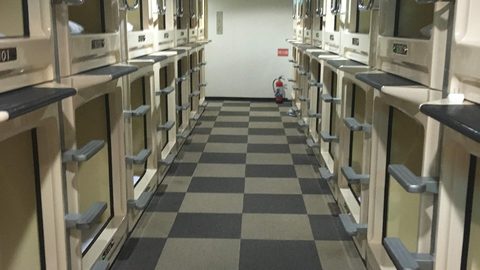
Tokyo hotels organised by type and price band, from efficient capsule pods to full-service luxury towers, to help you book the right room.
Tokyo Hotels by Type and Budget from Capsules to Luxury
Tokyo hotels organised by type and price band, from efficient capsule pods to full-service luxury towers, to help you book the right room.
-
 Where to Stay in Tokyo by District and Travel Style
A comparison of Tokyo's major districts to help you choose the right base for your travel style, whether you want calm or chaos.
Where to Stay in Tokyo by District and Travel Style
A comparison of Tokyo's major districts to help you choose the right base for your travel style, whether you want calm or chaos.
-
 Narita or Haneda for Tokyo and What That Airport Choice Costs You
Narita or Haneda for Tokyo: compare door-to-district time, transfer cost, and what the wrong airport choice eats from your trip.
Narita or Haneda for Tokyo and What That Airport Choice Costs You
Narita or Haneda for Tokyo: compare door-to-district time, transfer cost, and what the wrong airport choice eats from your trip.
-
 Things to Do in Tokyo That Are Worth Your Limited Days
A curated list of Tokyo's highest-impact sights and experiences, from immersive art to quiet backstreets, to help you prioritise your days.
Things to Do in Tokyo That Are Worth Your Limited Days
A curated list of Tokyo's highest-impact sights and experiences, from immersive art to quiet backstreets, to help you prioritise your days.
-
 Best Time to Visit Tokyo Month by Month Tradeoffs
A month-by-month guide to visiting Tokyo, laying out the trade-off between weather, crowds, price, and what's actually open.
Best Time to Visit Tokyo Month by Month Tradeoffs
A month-by-month guide to visiting Tokyo, laying out the trade-off between weather, crowds, price, and what's actually open.
-
 Getting Around Tokyo by Train Airport Transfers and IC Cards
A practical guide to Tokyo's rail network, covering airport transfers, IC cards, and how to avoid the station navigation mistakes that eat your day.
Getting Around Tokyo by Train Airport Transfers and IC Cards
A practical guide to Tokyo's rail network, covering airport transfers, IC cards, and how to avoid the station navigation mistakes that eat your day.
-
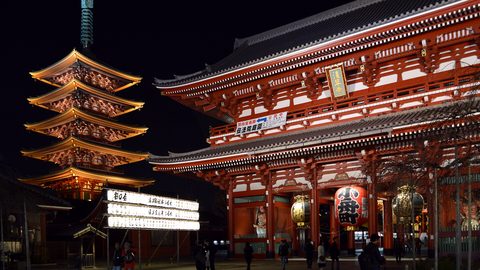 Senso-ji
 is free and never closes, but the experience at 6am with empty Nakamise stalls is nothing like the 11am crush under Kaminarimon. Here is when to go and what you get at each hour.
Senso-ji
Senso-ji is free and never closes, but the experience at 6am with empty Nakamise stalls is nothing like the 11am crush under Kaminarimon. Here is when to go and what you get at each hour.
-
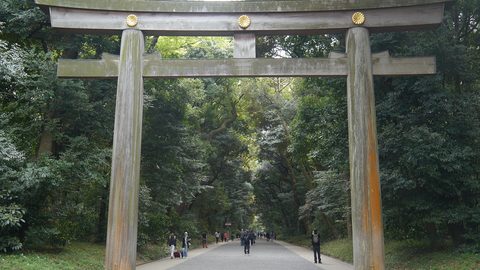 Meiji Jingu
The Meiji Jingu visit changes completely depending on which torii gate you enter. One drops you from Harajuku noise into sudden forest, the other builds quiet slowly from Yoyogi.
Meiji Jingu
The Meiji Jingu visit changes completely depending on which torii gate you enter. One drops you from Harajuku noise into sudden forest, the other builds quiet slowly from Yoyogi.
-
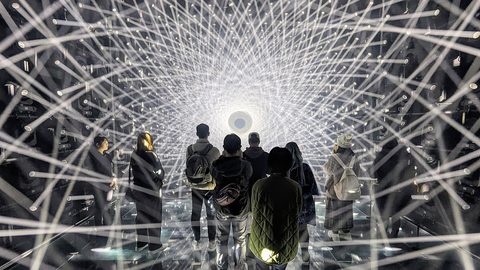 teamLab
 Borderless and Planets are two different Tokyo venues with separate booking systems. Borderless tickets at Azabudai Hills sell in timed slots and the maze has no fixed route.
teamLab
teamLab Borderless and Planets are two different Tokyo venues with separate booking systems. Borderless tickets at Azabudai Hills sell in timed slots and the maze has no fixed route.