Getting from Haneda Airport to Nikko Without Taking the Tobu Line
Getting from Haneda Airport to Nikko Without Taking the Tobu Line
Direct Bus: The Simple Alternative
Yes, a direct highway bus runs from Haneda Airport to Nikko. It costs ¥3,800 one way, takes 2 hours 30 minutes to 3 hours, and leaves 1 to 2 times a day. This is not the fastest route. The rail alternative via the Keikyu Line to Asakusa and then the Tobu Limited Express also takes 2 hours 30 minutes to 3 hours and costs ¥3,500 to ¥4,500. But the bus eliminates the cross Tokyo transfer through Asakusa station. That matters for a specific type of arrival.
The bus works best when you land at Haneda, have luggage, and want to reach Nikko in one vehicle without navigating a major rail hub. It works poorly if you plan to spend any time in central Tokyo first, arrive after the last departure around 13:00, or need flexibility. The train runs 1 to 2 times per hour. The bus runs 1 to 2 times per day. Miss the bus and your options become the train, which still gets you there, or a taxi for ¥45,000 to ¥55,000.

The Route, the Operator, and the Stops
Where to Board and What to Expect
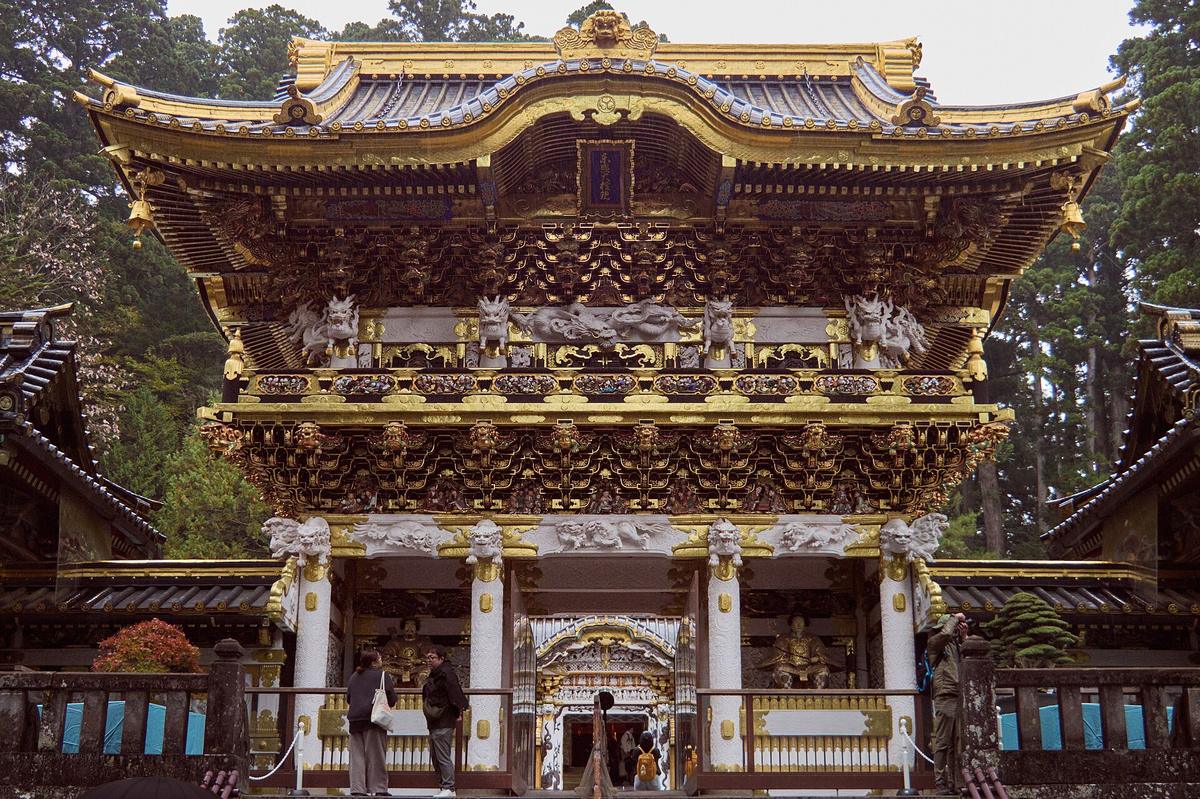
The service is operated jointly by Airport Transport Service, the Limousine Bus brand, and Tobu Bus Central. It runs year round, daily, with no seasonal suspension. Buses depart from all three Haneda terminals in order: Terminal 3 first, departures level, 3F, bus bay 5. Then Terminal 2, departures level, 3F, bus bay 6. Then Terminal 1, departures level, 1F, bus bay 8. The bus arrives at Tobu Nikko Station, directly in front of the station building. You do not need to transfer to reach the main sightseeing area. Toshogu Shrine is a 20 to 25 minute walk or a short local bus ride from the station.
The bus uses a fixed timetable. It does not wait for flight delays. If your plane lands late, you miss the bus. Build a buffer of at least 90 minutes between scheduled arrival and departure to clear immigration, collect luggage, and reach the correct bay. Haneda is efficient. International arrivals can stack up when multiple wide body aircraft land within the same hour.
When the Bus is the Better Choice
Three Times the Bus Wins
Pick the bus under three conditions. First, you are arriving on a morning flight into Haneda and heading straight to Nikko with two large suitcases. The bus has a luggage hold with a limit of two pieces per passenger, each with total dimensions under 200 cm and weight under 30 kg. That covers standard checked baggage. Second, you want to avoid the Asakusa transfer. The rail route requires riding the Keikyu Line from Haneda to Asakusa, exiting the ticket gates, walking to the Tobu ticket office, buying a limited express ticket with a reserved seat, and boarding the next Kegon or Revaty train. That transfer adds 15 to 30 minutes of walking and queuing. Third, you value a single seat where you can work or sleep for the full 2.5 to 3 hours without changing platforms.
When the Train Is the Smarter Move
The bus is the wrong choice in four scenarios. If your flight arrives after 13:00, you miss the last coach of the day. If you are staying in central Tokyo first, the train from Asakusa is faster and more frequent. If you prefer regular service, the rail route offers 1 to 2 trains per hour versus 1 to 2 coaches per day. If you are travelling during a peak holiday period, autumn foliage season in November or cherry blossom season in late March to early April, the bus can encounter road traffic adding 60 to 90 minutes to the journey. The train runs on dedicated tracks and is not affected by road congestion.
_hj.jpg)
How to Book and What to Watch for
Booking, Payment, and the Return Leg
Reserve ahead. You can book online in advance through the Airport Limousine Bus website, buy a ticket at the counter at Haneda airport, or board without a reservation if seats are available. On board payment is accepted on some departures. IC cards like Suica and Pasmo are not accepted on this specific route. Pay with cash or a credit card. Return tickets are not offered. Buy two one way tickets.
The Two Most Common Failures
The most common failure is assuming the bus runs late into the evening. It does not. The first departure from Haneda to Nikko is around 08:00. The last is around 13:00. For the return from Nikko to Haneda, the first coach leaves around 06:30 and the last around 15:00. If you miss the last one, your backup is the train: take the Tobu Limited Express from Tobu Nikko Station to Asakusa, about 2 hours and ¥2,800 for the limited express with reserved seat, then the Keikyu Line from Asakusa to Haneda, about 40 minutes and ¥330. That route requires one transfer at Asakusa and costs roughly ¥3,500 to ¥4,500 total.
The second most common failure is underestimating journey time during peak periods. On a normal day, budget 2 hours 30 minutes to 3 hours. During rush hour, add 30 to 60 minutes. On weekends and holidays, add 60 to 90 minutes. The road from Haneda to Nikko uses the Shuto Expressway and the Tohoku Expressway, which jam on Friday evenings and Sunday afternoons. There is no toilet on board. Use the facilities at the airport before boarding. A rest stop appears about halfway, but it is not guaranteed on all services.
Read next
-
 Tokyo Hotels by Type and Budget from Capsules to Luxury
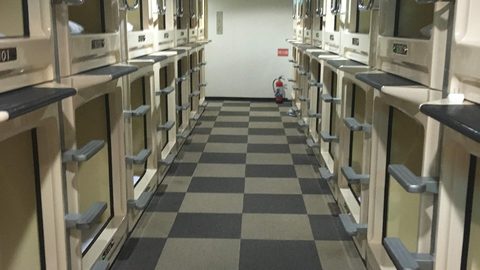
Tokyo hotels organised by type and price band, from efficient capsule pods to full-service luxury towers, to help you book the right room.
Tokyo Hotels by Type and Budget from Capsules to Luxury
Tokyo hotels organised by type and price band, from efficient capsule pods to full-service luxury towers, to help you book the right room.
-
 Where to Stay in Tokyo by District and Travel Style
A comparison of Tokyo's major districts to help you choose the right base for your travel style, whether you want calm or chaos.
Where to Stay in Tokyo by District and Travel Style
A comparison of Tokyo's major districts to help you choose the right base for your travel style, whether you want calm or chaos.
-
 Narita or Haneda for Tokyo and What That Airport Choice Costs You
Narita or Haneda for Tokyo: compare door-to-district time, transfer cost, and what the wrong airport choice eats from your trip.
Narita or Haneda for Tokyo and What That Airport Choice Costs You
Narita or Haneda for Tokyo: compare door-to-district time, transfer cost, and what the wrong airport choice eats from your trip.
-
 Things to Do in Tokyo That Are Worth Your Limited Days
A curated list of Tokyo's highest-impact sights and experiences, from immersive art to quiet backstreets, to help you prioritise your days.
Things to Do in Tokyo That Are Worth Your Limited Days
A curated list of Tokyo's highest-impact sights and experiences, from immersive art to quiet backstreets, to help you prioritise your days.
-
 Best Time to Visit Tokyo Month by Month Tradeoffs
A month-by-month guide to visiting Tokyo, laying out the trade-off between weather, crowds, price, and what's actually open.
Best Time to Visit Tokyo Month by Month Tradeoffs
A month-by-month guide to visiting Tokyo, laying out the trade-off between weather, crowds, price, and what's actually open.
-
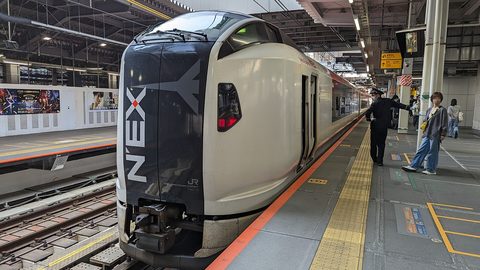 Getting Around Tokyo by Train Airport Transfers and IC Cards
A practical guide to Tokyo's rail network, covering airport transfers, IC cards, and how to avoid the station navigation mistakes that eat your day.
Getting Around Tokyo by Train Airport Transfers and IC Cards
A practical guide to Tokyo's rail network, covering airport transfers, IC cards, and how to avoid the station navigation mistakes that eat your day.
-
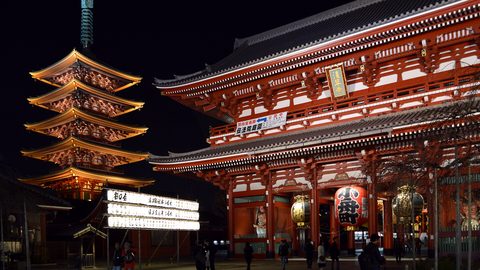 Senso-ji
 is free and never closes, but the experience at 6am with empty Nakamise stalls is nothing like the 11am crush under Kaminarimon. Here is when to go and what you get at each hour.
Senso-ji
Senso-ji is free and never closes, but the experience at 6am with empty Nakamise stalls is nothing like the 11am crush under Kaminarimon. Here is when to go and what you get at each hour.
-
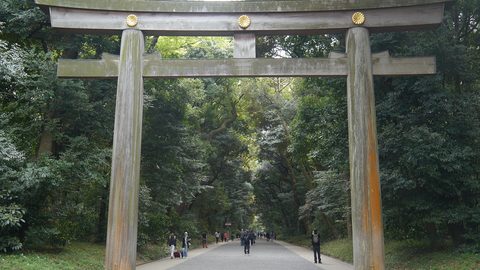 Meiji Jingu
The Meiji Jingu visit changes completely depending on which torii gate you enter. One drops you from Harajuku noise into sudden forest, the other builds quiet slowly from Yoyogi.
Meiji Jingu
The Meiji Jingu visit changes completely depending on which torii gate you enter. One drops you from Harajuku noise into sudden forest, the other builds quiet slowly from Yoyogi.
-
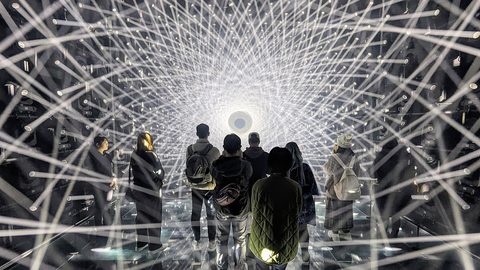 teamLab
 Borderless and Planets are two different Tokyo venues with separate booking systems. Borderless tickets at Azabudai Hills sell in timed slots and the maze has no fixed route.
teamLab
teamLab Borderless and Planets are two different Tokyo venues with separate booking systems. Borderless tickets at Azabudai Hills sell in timed slots and the maze has no fixed route.