How to Spend One Day in Yokohama from Tokyo
Most Visitors Get This Wrong
Yokohama is 27 minutes from Shibuya on the Tokyu Toyoko Line limited express. That is shorter than the ride from Shinjuku to Asakusa. Yet most travellers either skip it entirely or try to treat it like a checklist of six attractions in five hours. Neither approach works. The real problem is that Yokohama is not a single destination. It is a harbour city with a 19th-century garden, a working Chinatown, a waterfront museum district, and a skyline that looks best after dark. A half-day gets you exactly two stops, and only if you move fast. A full day, with a proper route and a clear sense of what to skip, gives you a trip that feels complete rather than rushed.
The 27-Minute Escape
Which Train To Catch
From Shibuya, board the Tokyu Toyoko Line limited express bound for Motomachi-Chukagai. No transfer, no JR pass needed. You step off at Yokohama 27 minutes later. From there the Minato Mirai Line runs a three-minute hop to Minatomirai or an eight-minute ride to Motomachi-Chukagai at the edge of Chinatown. The Tokyu Toyoko Line is the simplest access point for anyone staying in Shibuya or central Tokyo. Coming from Shinjuku? The JR Shonan-Shinjuku Line takes 27 minutes direct. From Tokyo, the JR Tokaido Line is 26 minutes. All three put you in the same city centre within half an hour.

Full-Day Route: Sankeien Garden First
Start at Sankeien Garden. It opens at 09:00, and you want to be inside by 09:15. The garden contains 17 historical buildings relocated from Kyoto and Kamakura, set across a landscape that peaks with cherry blossoms in late March and autumn leaves in late November. The 700 yen entry fee is the best value in Yokohama. Most visitors skip it because it is a 25-minute bus ride from Sakuragicho, which feels like a detour. It is not a detour. It is the single sight in the city that justifies the whole trip. The garden is large, quiet, and layered. You need 90 minutes minimum.
Lunch in Chinatown, Not Near it
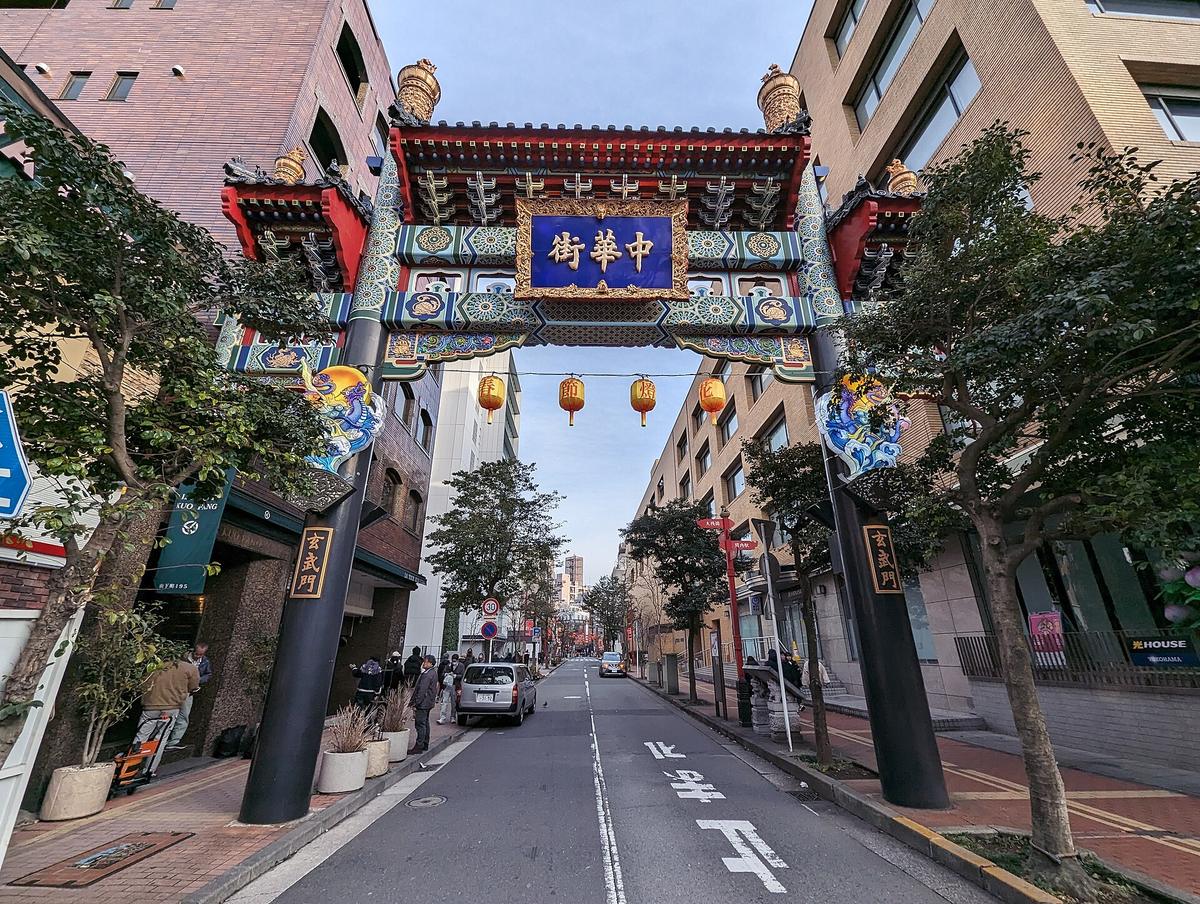
From Sankeien, take the city bus back to Sakuragicho, then ride the Minato Mirai Line one stop to Motomachi-Chukagai. You emerge at the edge of Yokohama Chinatown, the largest in Japan, founded in 1859. It packs roughly 600 shops and restaurants into a compact pedestrian-only grid. Eat Japanese-style Chinese, which is its own category: sweeter, lighter, and more concerned with texture than most regional Chinese food. The specialty is nikuman, steamed pork buns sold from dedicated shops. But for a real meal, find a restaurant that serves chuka soba or shrimp dumplings. The grid is small enough that you can walk the whole thing in 15 minutes and decide by smell. Budget 60 minutes for lunch and wandering.
Waterfront Stroll: Yamashita Park to Red Brick Warehouse
The Walk From Chinatown
From Chinatown, walk 0.6 km south to Yamashita Park. This is a linear waterfront promenade, not a destination in itself, but it connects the two best things in the harbour zone. Walk north along the Kishamichi Promenade for 1.5 km to reach the Red Brick Warehouse. That walk takes about 20 minutes and gives you harbour views, cruise ships, and the Cosmo Clock 21 Ferris wheel in the distance.
What To Do At The Warehouse
The Red Brick Warehouse is a shopping mall in a restored 1911 building. The shops and cafes open at 11:00 and close at 20:00. The restaurants stay open until 23:00. Do not treat it as a landmark. Treat it as a place to buy a coffee or a beer with a view of the water. The building itself is handsome. The contents are standard mall retail.
The Cup Noodles Museum: a Judgment Call
From the Red Brick building, walk 0.8 km to the Cup Noodles Museum. Admission is 500 yen, hours are 10:00 to 18:00, and it is closed on Tuesdays. The museum is small, child-oriented, and the English explanations are limited. If you are travelling without kids, skip it. The highlight is the chance to design your own cup noodle, which takes about 45 minutes and costs extra. That is a fun 45 minutes if you are already in the neighbourhood and the queue is short. It is not worth a detour from central Tokyo. The Ramen Museum in Shin-Yokohama, a separate attraction a 10-minute train ride north, offers a more substantial experience for adults: a basement replica of 1950s Tokyo with actual ramen shops from across Japan.
Evening in Minato Mirai
Dinner With A View
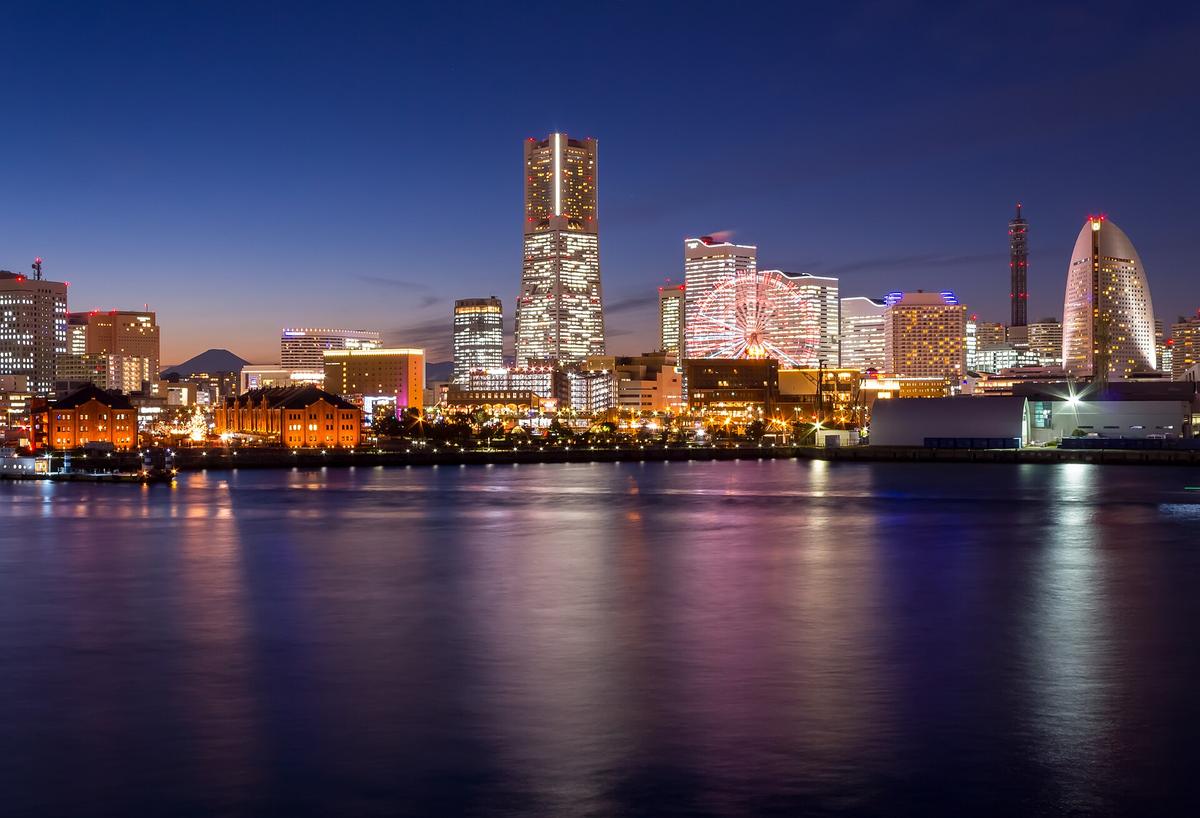
End the day in the Minato Mirai district, around the Landmark Tower area. The night view of the waterfront skyline, with the old warehouse illuminated and the Ferris wheel cycling through colours, is the second sight that justifies the trip. Dinner here means a restaurant with a view, not a cheap bowl of noodles. The Red Brick Warehouse restaurants, the hotel restaurants in the Landmark Tower, or the waterfront terrace at World Porters all work.
The Last Walk
After dinner, walk to Osanbashi Pier for the full panorama. The pier is a 15-minute walk from Minatomirai. The last trains back to Tokyo run past midnight, but aim for the 21:00 or 22:00 window to avoid the final rush.

Half-Day Route: Only the Waterfront
If you have only a half-day, do not try to add Sankeien Garden. You will end up rushing both and enjoying neither. The correct half-day sequence is: Minatomirai, Cup Noodles Museum or a walk past it, Red Brick Warehouse, Yamashita Park, then Chinatown for lunch. That sequence takes four to five hours at a relaxed pace. It covers the harbour, a museum visit, a meal, and a walk. You skip the garden, which is the best thing in the city, but you also skip the transit time that would wreck your afternoon. If you want Sankeien Garden, commit to the full day.
What to Skip Without Guilt
The Cup Noodles Museum, as mentioned, unless you have children or a specific curiosity about instant ramen history. The Red Brick Warehouse, if you are tired of shopping malls in historic buildings. The Cosmo Clock 21 Ferris wheel costs 800 yen for a 15-minute ride and offers a view you can get for free from the Landmark Tower observation deck. Skip the Ramen Museum if you are short on time. It is a 10-minute train ride from central Yokohama and eats another 90 minutes. Yokohama is small enough that you can see the whole harbour zone in a day. It is not small enough that you can see everything in a day. Prioritise the garden, the Chinatown lunch, and the evening waterfront.
One Practical Thing to Do Next
Decide which of the two sights that justify the trip matters more to you: Sankeien Garden or the Minato Mirai night view. If the garden wins, start your day at 09:00 and build the route backward from there. If the night view wins, skip the garden entirely and spend the afternoon on the waterfront with a late dinner. Do not try to do both if you are leaving Tokyo after 10:00. You will spend your day on trains and buses, not in the city.
Read next
-
 Tokyo Hotels by Type and Budget from Capsules to Luxury
Tokyo hotels organised by type and price band, from efficient capsule pods to full-service luxury towers, to help you book the right room.
Tokyo Hotels by Type and Budget from Capsules to Luxury
Tokyo hotels organised by type and price band, from efficient capsule pods to full-service luxury towers, to help you book the right room.
-
 Where to Stay in Tokyo by District and Travel Style
A comparison of Tokyo's major districts to help you choose the right base for your travel style, whether you want calm or chaos.
Where to Stay in Tokyo by District and Travel Style
A comparison of Tokyo's major districts to help you choose the right base for your travel style, whether you want calm or chaos.
-
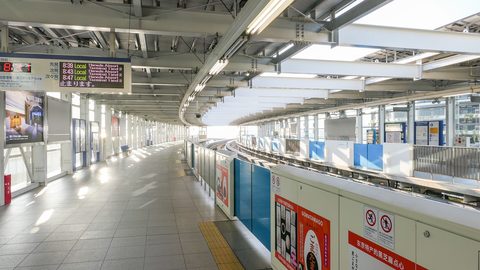 Narita or Haneda for Tokyo and What That Airport Choice Costs You
Narita or Haneda for Tokyo: compare door-to-district time, transfer cost, and what the wrong airport choice eats from your trip.
Narita or Haneda for Tokyo and What That Airport Choice Costs You
Narita or Haneda for Tokyo: compare door-to-district time, transfer cost, and what the wrong airport choice eats from your trip.
-
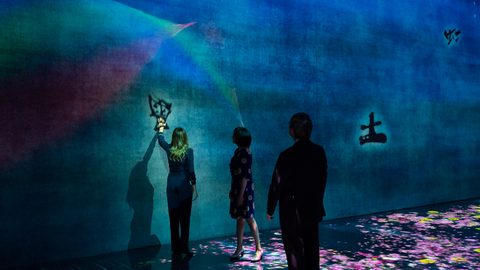 Things to Do in Tokyo That Are Worth Your Limited Days
A curated list of Tokyo's highest-impact sights and experiences, from immersive art to quiet backstreets, to help you prioritise your days.
Things to Do in Tokyo That Are Worth Your Limited Days
A curated list of Tokyo's highest-impact sights and experiences, from immersive art to quiet backstreets, to help you prioritise your days.
-
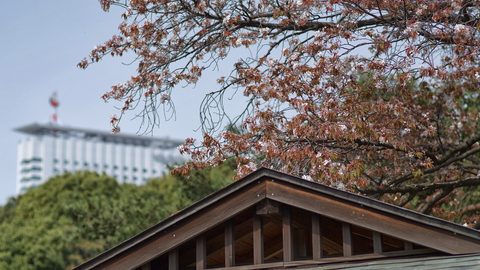 Best Time to Visit Tokyo Month by Month Tradeoffs
A month-by-month guide to visiting Tokyo, laying out the trade-off between weather, crowds, price, and what's actually open.
Best Time to Visit Tokyo Month by Month Tradeoffs
A month-by-month guide to visiting Tokyo, laying out the trade-off between weather, crowds, price, and what's actually open.
-
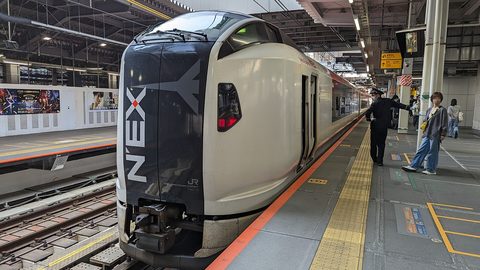 Getting Around Tokyo by Train Airport Transfers and IC Cards
A practical guide to Tokyo's rail network, covering airport transfers, IC cards, and how to avoid the station navigation mistakes that eat your day.
Getting Around Tokyo by Train Airport Transfers and IC Cards
A practical guide to Tokyo's rail network, covering airport transfers, IC cards, and how to avoid the station navigation mistakes that eat your day.
-
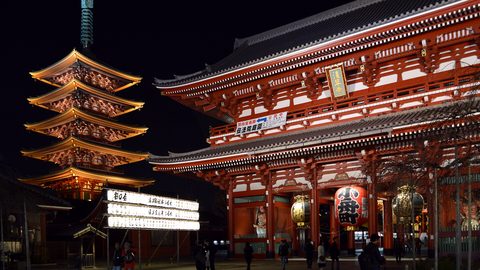 Senso-ji
 is free and never closes, but the experience at 6am with empty Nakamise stalls is nothing like the 11am crush under Kaminarimon. Here is when to go and what you get at each hour.
Senso-ji
Senso-ji is free and never closes, but the experience at 6am with empty Nakamise stalls is nothing like the 11am crush under Kaminarimon. Here is when to go and what you get at each hour.
-
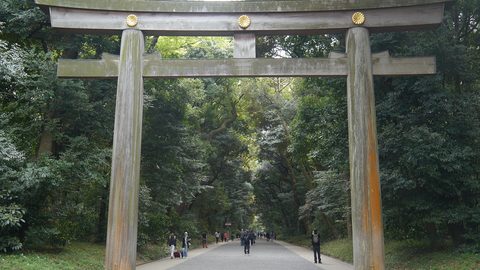 Meiji Jingu
The Meiji Jingu visit changes completely depending on which torii gate you enter. One drops you from Harajuku noise into sudden forest, the other builds quiet slowly from Yoyogi.
Meiji Jingu
The Meiji Jingu visit changes completely depending on which torii gate you enter. One drops you from Harajuku noise into sudden forest, the other builds quiet slowly from Yoyogi.
-
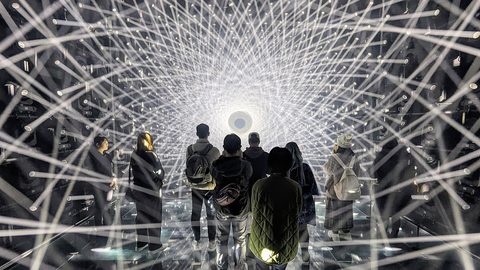 teamLab
 Borderless and Planets are two different Tokyo venues with separate booking systems. Borderless tickets at Azabudai Hills sell in timed slots and the maze has no fixed route.
teamLab
teamLab Borderless and Planets are two different Tokyo venues with separate booking systems. Borderless tickets at Azabudai Hills sell in timed slots and the maze has no fixed route.