A One-Day Guide to Kawaguchiko and the Reality of Seeing Mount Fuji
A practical Kawaguchiko day trip guide covering how often Mount Fuji is visible, what to do when clouds hide the peak, and the Shinjuku bus route.
A One-Day Guide to Kawaguchiko and the Reality of Seeing Mount Fuji
You are planning a Kawaguchiko day trip from Tokyo. There is a 30 to 50 percent chance you will return without a single clear view of Mount Fuji. That is the statistic that matters. Cloud cover, not distance, is the real obstacle. November through February gives you a 70 percent or higher probability of clear morning views. June through August drops below 30 percent. Even in winter, the mountain vanishes by 10:00 AM. Build your day around the assumption that Fuji stays hidden. Treat every visible moment as a gift. That shift in expectation transforms the trip from a gamble into a genuinely good day out.
Getting There and the Traffic Reality
The highway bus from Shinjuku Station takes about 120 minutes and costs ¥2,200 one way. It is the simplest option. Book your seat online in advance, especially on weekends. The bus fills up and highway traffic into the Fuji Five Lakes area can add 30 to 60 minutes on a Saturday morning. The alternative is the Fuji Excursion limited express train: roughly 1 hour 50 minutes, also from Shinjuku, and more reliable on timing. It costs more, but you skip the traffic gamble. The last bus back to Tokyo departs around 20:00 to 21:00. The last train leaves around 19:00 to 20:00. You have a hard deadline. Missing it turns your day trip into an expensive overnight stay. Plan your return slot before you leave Shinjuku in the morning.
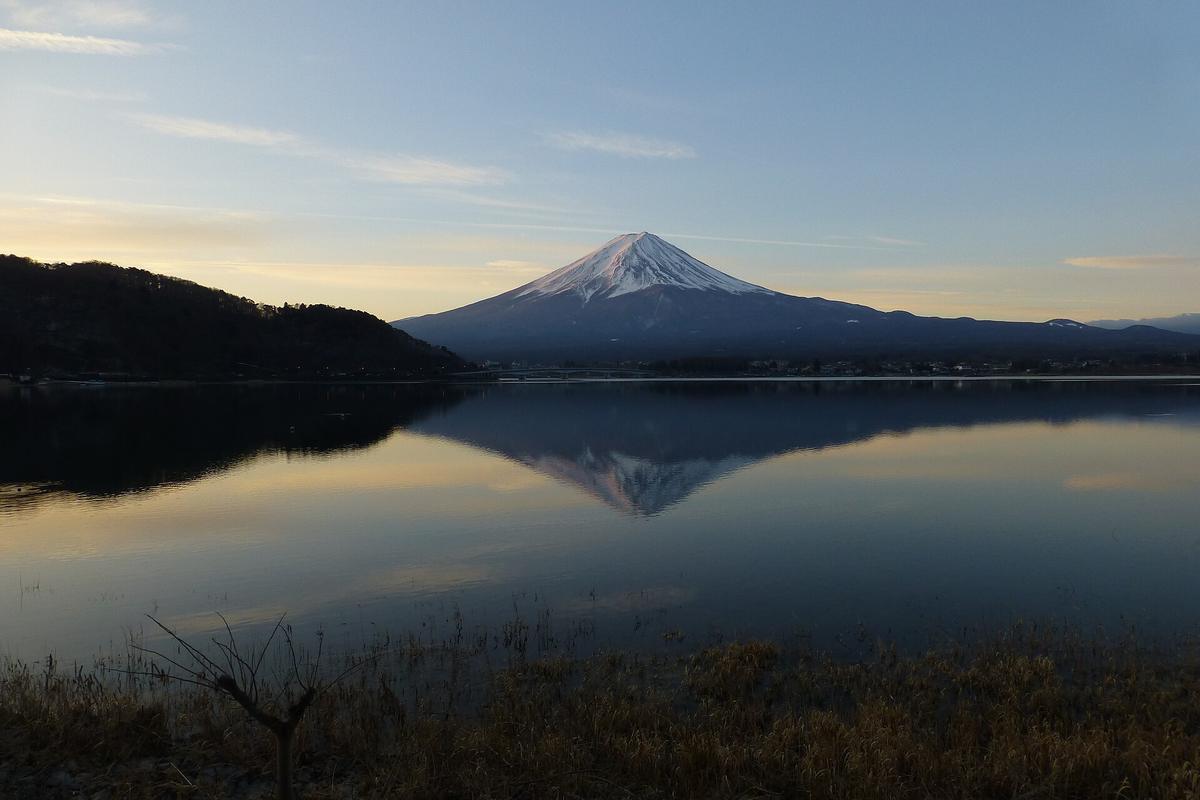
The Lakeside Loop Walk and the Ropeway
Ride the Ropeway Before the Crowds
Your base is Kawaguchiko Station. Walk to the Kachi Kachi Ropeway lower platform, about 10 minutes on foot. The cable car ride lasts three minutes one way, climbing from 856 meters to 1,075 meters, and costs ¥1,000 round trip. The upper terrace gives you a panoramic view of the lake and, if the sky cooperates, the north face of Fuji. Arrive by 8:30 to queue before the tour groups roll in from Tokyo at 10:00. The lift opens at 9:00 and closes at 17:00, with last ascent earlier in winter. If the mountain is visible in the early morning, this is your best chance to see it. If it is not, the view over the lake and the surrounding peaks is still worth the ride.
Walk the North Shore Path
From the upper terrace, walk down to the lake and start the north shore loop. The full circumference of Kawaguchiko Lake is roughly 20 kilometers, too far for a single day on foot. Instead, walk the north shore path from the ropeway area toward Oishi Park. That section gives you the best lake and mountain alignment. Oishi Park itself sits on the north shore near the eastern end and is known for seasonal flower fields: lavender in late June through mid-July, moss phlox in April and May, and kokia in autumn. The flowers frame the view of the lake and, again, Fuji when it appears. But do not make flowers your reason to come. The park is a pleasant place to sit with a coffee from the stalls and watch the water. That is enough.
Nagasaki Park and the Ohashi Bridge area are the other two north shore viewpoints worth your time. Nagasaki Park is quieter than the ropeway crowds and offers a similar lake-and-mountain alignment. The Ohashi Bridge crosses the lake near the eastern end and gives you a long, straight perspective over the water. Both are free. Both work whether Fuji is visible or not.
Plan B: The Music Box Museum
For a Plan B that has nothing to do with the mountain, skip the ropeway and head to the Kawaguchiko Music Box Museum. It is a European-style building on the lake shore with a collection of antique automatic musical instruments. It sounds like a tourist trap. It is not. The hall tours and the garden concert schedule give you a solid hour of quiet entertainment. The building itself, with its rose garden and lake view, feels like a deliberate anachronism. If the clouds are low and the lake is grey, this is where you go instead of staring at a blank sky.
| Season | Visibility Probability | Best Time of Day |
|---|---|---|
| Winter (Dec-Feb) | Above 70% | Before 9:00 AM |
| Spring (Mar-May) | Moderate, variable | Early morning |
| Summer (Jun-Aug) | Below 30% | Very early, rare |
| Autumn (Sep-Nov) | Moderate to high | Morning, before 10:00 |
Chureito Pagoda and the Crowd Reality
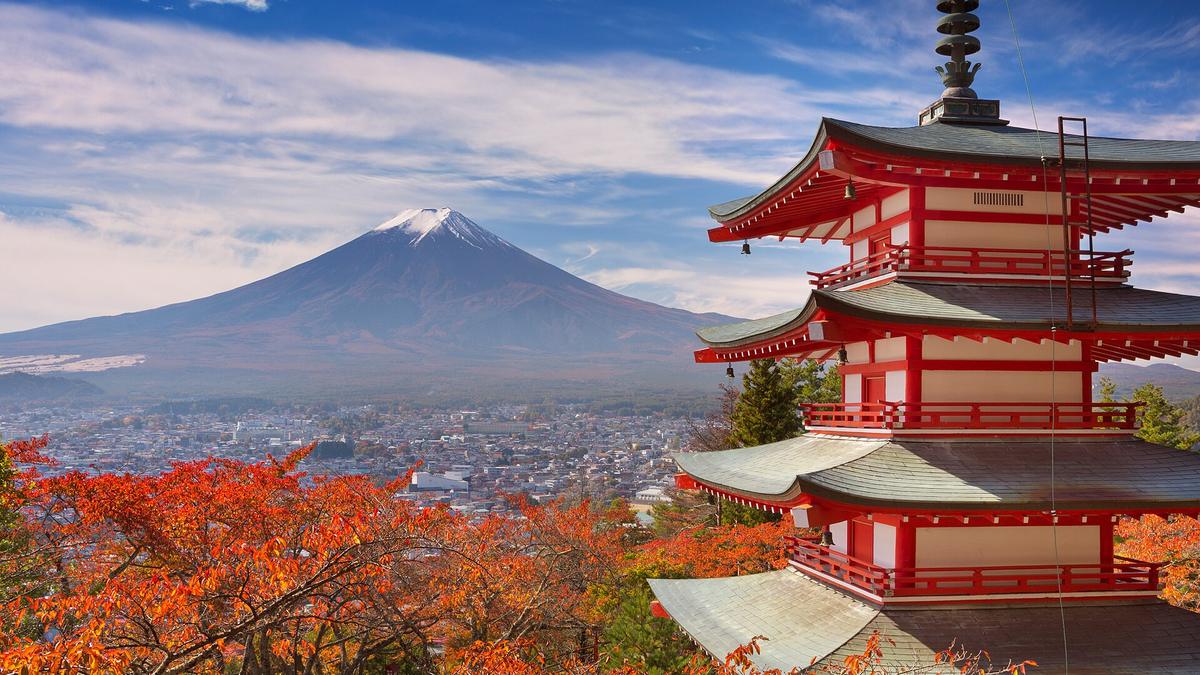
Chureito Pagoda is the most photographed Fuji backdrop in the region. It is a five-storey pagoda built in 1963, not ancient, set on a hill in Arakurayama Sengen Park in Fujiyoshida City. To reach it, take the Fujikyu Railway from Kawaguchiko Station to Shimoyoshida Station, then walk 10 to 15 minutes to the trail base. Then climb 398 steps. The payoff is a classic shot: pagoda in the foreground, Fuji behind. Cherry blossoms peak here around mid-April, and the crowds then are suffocating. Arrive before 7:00 AM in spring or autumn, or skip it entirely. The pagoda itself is not worth the detour on a cloudy day. The view from the upper ropeway terrace is better when the mountain is hidden, because the lake itself holds interest. Chureito gives you only the pagoda against sky. If the sky is blank, so is your photo.

.jpg)
Getting Around the Lake and the Retro Bus
Master the Retro Bus
The Retro Bus is the most practical way to cover ground. The Red Line loops Kawaguchiko and the station. The Green Line goes to Saiko Lake and the Aokigahara forest area. The Blue Line reaches Shojiko and Motosuko lakes. A two-day pass costs ¥1,700 and pays for itself if you take three or more rides. Single rides cost ¥150 to ¥620 depending on distance. Saiko is only about 3 kilometers from Kawaguchiko, a quick bus ride, and its shore is far less developed. If you want a lakeside walk without the Kawaguchiko crowds, ride the Green Line one stop. Motosuko is 18 kilometers away, too far for a day trip unless you are committed to seeing the lake that appears on the ¥1,000 note. Skip it if you only have one day.
Soak in a Lakeside Onsen
An onsen with a Fuji view is a genuine option even when the mountain is hidden. Fuji View Hotel, Yurari Onsen, and Konanso all offer day-use baths for ¥1,000 to ¥2,500. The water is hot, the air is cold, and the steam rising off the lake surface is its own kind of landscape. You do not need to see the peak to enjoy a long soak. Book the private bath option if you have tattoos. Public onsen enforce the ban strictly.
Who This Day Trip Works for and Who Should Skip it
This day works for solo travellers comfortable with a 2-hour bus ride and a self-directed loop around a lake. It works for couples who want a quiet lakeside walk and an onsen, not a packed itinerary. It works for efficiency nerds who will check the cloud forecast the night before and book the 7:30 AM bus.
It does not work for anyone who needs Fuji to be visible to feel the trip was worth it. If you are the type to feel cheated by weather, spend those 4 hours in Kamakura instead, where the giant Buddha does not disappear into clouds. It does not work for backpackers counting every yen. The bus, ropeway, and onsen add up fast. It does not work for travellers who dislike rigid bus schedules and crowded ropeway queues. Kawaguchiko on a weekend is not a place for spontaneous wandering.
Read next
-
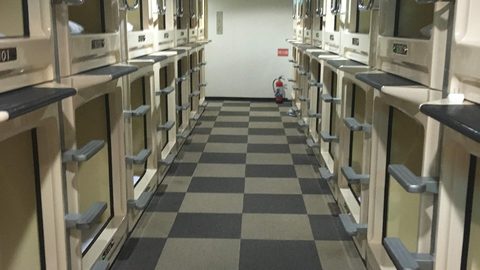
 Tokyo Hotels by Type and Budget from Capsules to Luxury
Tokyo hotels organised by type and price band, from efficient capsule pods to full-service luxury towers, to help you book the right room.
Tokyo Hotels by Type and Budget from Capsules to Luxury
Tokyo hotels organised by type and price band, from efficient capsule pods to full-service luxury towers, to help you book the right room.
-
 Where to Stay in Tokyo by District and Travel Style
A comparison of Tokyo's major districts to help you choose the right base for your travel style, whether you want calm or chaos.
Where to Stay in Tokyo by District and Travel Style
A comparison of Tokyo's major districts to help you choose the right base for your travel style, whether you want calm or chaos.
-
 Narita or Haneda for Tokyo and What That Airport Choice Costs You
Narita or Haneda for Tokyo: compare door-to-district time, transfer cost, and what the wrong airport choice eats from your trip.
Narita or Haneda for Tokyo and What That Airport Choice Costs You
Narita or Haneda for Tokyo: compare door-to-district time, transfer cost, and what the wrong airport choice eats from your trip.
-
 Things to Do in Tokyo That Are Worth Your Limited Days
A curated list of Tokyo's highest-impact sights and experiences, from immersive art to quiet backstreets, to help you prioritise your days.
Things to Do in Tokyo That Are Worth Your Limited Days
A curated list of Tokyo's highest-impact sights and experiences, from immersive art to quiet backstreets, to help you prioritise your days.
-
 Best Time to Visit Tokyo Month by Month Tradeoffs
A month-by-month guide to visiting Tokyo, laying out the trade-off between weather, crowds, price, and what's actually open.
Best Time to Visit Tokyo Month by Month Tradeoffs
A month-by-month guide to visiting Tokyo, laying out the trade-off between weather, crowds, price, and what's actually open.
-
 Getting Around Tokyo by Train Airport Transfers and IC Cards
A practical guide to Tokyo's rail network, covering airport transfers, IC cards, and how to avoid the station navigation mistakes that eat your day.
Getting Around Tokyo by Train Airport Transfers and IC Cards
A practical guide to Tokyo's rail network, covering airport transfers, IC cards, and how to avoid the station navigation mistakes that eat your day.
-
 Senso-ji
 is free and never closes, but the experience at 6am with empty Nakamise stalls is nothing like the 11am crush under Kaminarimon. Here is when to go and what you get at each hour.
Senso-ji
Senso-ji is free and never closes, but the experience at 6am with empty Nakamise stalls is nothing like the 11am crush under Kaminarimon. Here is when to go and what you get at each hour.
-
 Meiji Jingu
The Meiji Jingu visit changes completely depending on which torii gate you enter. One drops you from Harajuku noise into sudden forest, the other builds quiet slowly from Yoyogi.
Meiji Jingu
The Meiji Jingu visit changes completely depending on which torii gate you enter. One drops you from Harajuku noise into sudden forest, the other builds quiet slowly from Yoyogi.
-
 teamLab
 Borderless and Planets are two different Tokyo venues with separate booking systems. Borderless tickets at Azabudai Hills sell in timed slots and the maze has no fixed route.
teamLab
teamLab Borderless and Planets are two different Tokyo venues with separate booking systems. Borderless tickets at Azabudai Hills sell in timed slots and the maze has no fixed route.