A One-Day Kamakura Walking Route from Temples to the Beach
Most Visitors Cluster at the Great Buddha and Miss Everything Else
Kamakura is the most popular Tokyo day trip for a reason: the Great Buddha, Zen temples, a working beach, all 60 minutes from Tokyo Station. The problem is that almost everyone gets off at Kamakura Station, walks straight to Kotoku-in, stares at the bronze Daibutsu, and then shuffles back through the souvenir gauntlet of Komachi-dori. They spend half their day in a crowd and never see the bamboo grove at Hokoku-ji, the coastal trail from Inamuragasaki, or the hydrangea path at a hillside temple where 2,500 plants bloom in June. This route fixes that. It starts one station earlier, ends at the beach, and gives you the quiet Kamakura before the tour buses arrive.
Start at Kita-Kamakura, Not Kamakura Station
Take the JR Yokosuka Line from Tokyo Station to Kita-Kamakura (roughly an hour, ¥950). Exit the north gate, the one facing the hills. You are now 400 metres from Jochi-ji temple, the start of the Daibutsu Hiking Trail. This is the key move.
The Daibutsu Hiking Trail
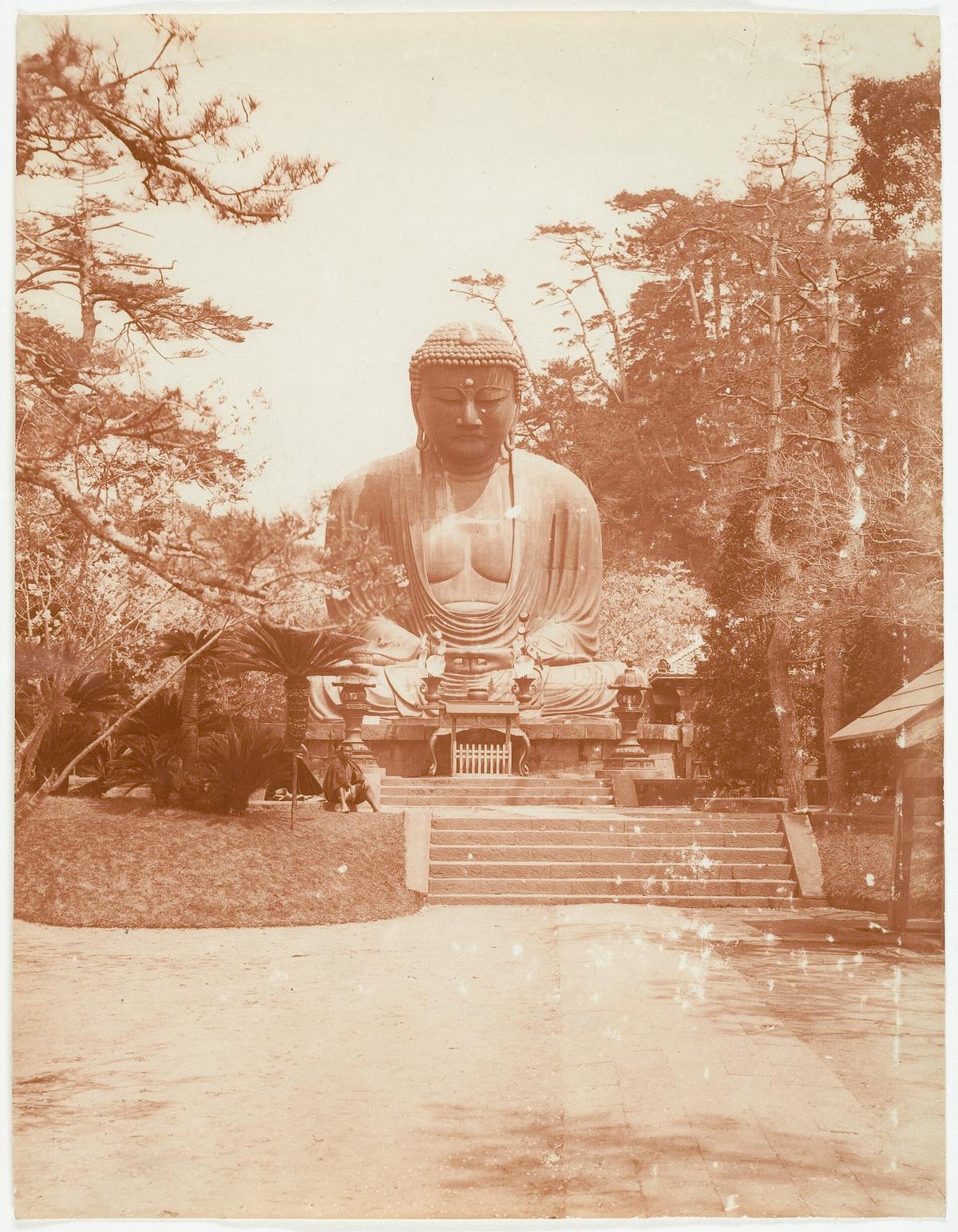
Arrive at Kita-Kamakura by 08:30. You walk a forested ridge trail for 60 to 90 minutes, passing small Zen temples and the backs of private gardens, before you descend directly into the Kotoku-in grounds. The trail is roughly 3 km, well marked, and mostly dirt path with stone steps. You skip the queue at the main gate entirely. The only cost is ¥300 to enter Kotoku-in once you arrive. The Great Buddha itself is worth exactly 15 minutes. It is a 121-tonne hollow bronze statue cast in 1252, impressive but static. The real reason to come is the trail that gets you here.

Hokoku-ji Before the Crowds Reach it
From Kotoku-in, walk 10 minutes south to Hokoku-ji. It opens at 09:00 and costs ¥400, which includes a bowl of matcha served on a tatami mat overlooking a 2,000-stalk bamboo grove. Most day-trippers skip this temple because they do not know it exists, or they assume the bamboo at Arashiyama in Kyoto is the only one worth seeing. Hokoku-ji is smaller, quieter, and the matcha is included in the entry price. Sit for 20 minutes. Do not rush. The grove catches light differently in the late morning, and the temple is empty until 11:00.
The Backstreets to Kamakura
After Hokoku-ji, walk back toward the station through the residential streets, not along the main road. The side alleys have small bakeries, a sake shop that sells rice crackers by weight, and a few family-run ceramics studios.
Lunch on Komachi-Dori, with a Strategy
Komachi-dori is a 350-metre shopping street between Kamakura Station and Tsurugaoka Hachimangu. It is crowded at noon. Accept that. The strategy is to eat standing at a counter, not to queue for a sit-down restaurant. Go for the Kamakura-style shirasu donburi, a bowl of rice topped with tiny whitebait that are a local speciality. Several shops near the station end of the street serve it for around ¥800. Eat in 10 minutes. Then push through the crowd toward the main shrine. The grounds are free. The museum costs ¥500. Skip the museum unless you have a specific interest in samurai armour. Walk up the wide approach, note the cherry trees that bloom in late March, and exit through the back gate toward the east side of the city. That is where the afternoon opens up.
Tsurugaoka Hachimangu and the Cherry Blossom Reality
If you visit in late March or early April, the shrine grounds here and at the hillside temple will have queues of 45 to 90 minutes. The cherry blossom is beautiful but the crowds are not worth the wait at Kotoku-in. Skip the main entrance queue at Hachimangu and enter from the east side, near the pond. You will see the same trees from a quieter angle. In November, the autumn foliage along the approach is just as good and the crowds are thinner.
The Coastal Walk from Inamuragasaki to Enoshima
From Tsurugaoka Hachimangu, take the Enoden line one stop west to Inamuragasaki. Alight and walk south toward the coast. The beach here is a mix of grey sand and dark pebbles, not tropical, but the view across Sagami Bay toward Enoshima island is the reason to come. The coastal walk from Inamuragasaki to Enoshima is roughly 4 km along a paved promenade. It takes about 50 minutes at a steady pace. You pass fishing boats pulled onto the sand, a few wooden shacks selling grilled squid, and a stretch of beach where surfers ride small winter swells. No temples. No crowds. Just the bay and the island ahead of you.
Should You Go to Enoshima or Skip It?
Enoshima island is connected by a bridge at the end of the coastal walk. If you started early and moved fast, you have time: the Enoden one-day pass called Noriorikun costs ¥800 and covers all 15 stops between Kamakura and Fujisawa. The island itself has the Samuel Cocking Garden (¥200), the Enoshima Sea Candle observation tower (¥500 combined with the garden), and the Iwaya caves (¥500). All are fine. None are essential. The best reason to cross the bridge is the sunset from the Sea Candle. If it is 15:00 and you are still on the coastal walk, push to Enoshima. If it is 16:30, skip the island and stay on the beach. The light is better on the sand.
.jpg)
Hase-Dera and the Hydrangea Warning
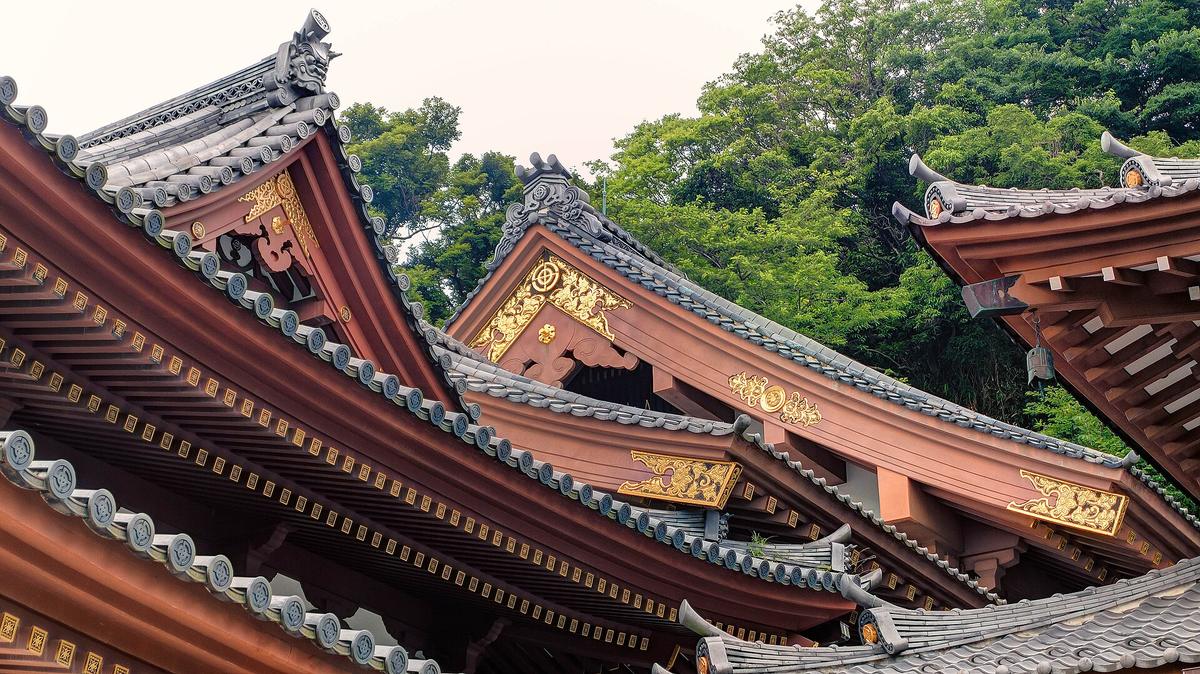
The last stop on this route is the hillside temple with the terrace, one stop east of Kamakura on the Enoden line. It opens until 17:00 (March to September) or 16:30 (October to February). Admission is ¥400. The temple has a terrace with a view over Yuigahama beach, a small museum of Kannon statues, and a path lined with roughly 2,500 hydrangea plants that bloom from mid-June to early July. This is the hydrangea season that draws the biggest crowds. Meigetsu-in, known as the Hydrangea Temple, has a queue that can exceed two hours in June. The hillside temple is slightly better: the line moves, but you still wait 30 to 45 minutes on a Saturday. Arrive by 08:00 if you want to see the hydrangea path without the crowd. On this itinerary, that means swapping the hiking trail for a direct train to this temple first, then backtracking to Kita-Kamakura after. It is worth the reorder.
The One Thing to Skip
The Enoden line itself is not an attraction. It is a 10-km, 34-minute local rail line with 15 stops and a base fare of ¥160 to ¥350. Do not buy the Noriorikun pass unless you plan to ride it three or more times in one day. Most visitors use it twice: once from Kamakura to Inamuragasaki and once back from the hillside temple to Kamakura. Paying cash for each ride costs less. The pass is a trap for travellers who confuse using local transport with sightseeing.
Read next
-
 Tokyo Hotels by Type and Budget from Capsules to Luxury
Tokyo hotels organised by type and price band, from efficient capsule pods to full-service luxury towers, to help you book the right room.
Tokyo Hotels by Type and Budget from Capsules to Luxury
Tokyo hotels organised by type and price band, from efficient capsule pods to full-service luxury towers, to help you book the right room.
-
 Where to Stay in Tokyo by District and Travel Style
A comparison of Tokyo's major districts to help you choose the right base for your travel style, whether you want calm or chaos.
Where to Stay in Tokyo by District and Travel Style
A comparison of Tokyo's major districts to help you choose the right base for your travel style, whether you want calm or chaos.
-
 Narita or Haneda for Tokyo and What That Airport Choice Costs You
Narita or Haneda for Tokyo: compare door-to-district time, transfer cost, and what the wrong airport choice eats from your trip.
Narita or Haneda for Tokyo and What That Airport Choice Costs You
Narita or Haneda for Tokyo: compare door-to-district time, transfer cost, and what the wrong airport choice eats from your trip.
-
 Things to Do in Tokyo That Are Worth Your Limited Days
A curated list of Tokyo's highest-impact sights and experiences, from immersive art to quiet backstreets, to help you prioritise your days.
Things to Do in Tokyo That Are Worth Your Limited Days
A curated list of Tokyo's highest-impact sights and experiences, from immersive art to quiet backstreets, to help you prioritise your days.
-
 Best Time to Visit Tokyo Month by Month Tradeoffs
A month-by-month guide to visiting Tokyo, laying out the trade-off between weather, crowds, price, and what's actually open.
Best Time to Visit Tokyo Month by Month Tradeoffs
A month-by-month guide to visiting Tokyo, laying out the trade-off between weather, crowds, price, and what's actually open.
-
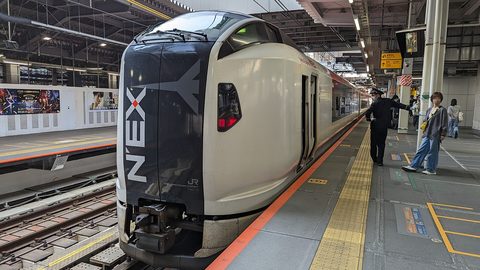 Getting Around Tokyo by Train Airport Transfers and IC Cards
A practical guide to Tokyo's rail network, covering airport transfers, IC cards, and how to avoid the station navigation mistakes that eat your day.
Getting Around Tokyo by Train Airport Transfers and IC Cards
A practical guide to Tokyo's rail network, covering airport transfers, IC cards, and how to avoid the station navigation mistakes that eat your day.
-
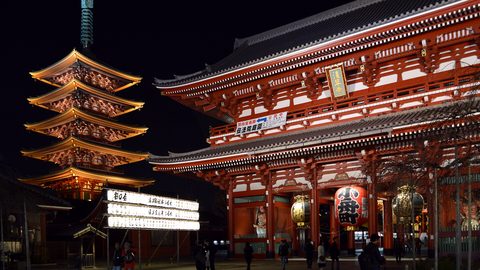 Senso-ji
 is free and never closes, but the experience at 6am with empty Nakamise stalls is nothing like the 11am crush under Kaminarimon. Here is when to go and what you get at each hour.
Senso-ji
Senso-ji is free and never closes, but the experience at 6am with empty Nakamise stalls is nothing like the 11am crush under Kaminarimon. Here is when to go and what you get at each hour.
-
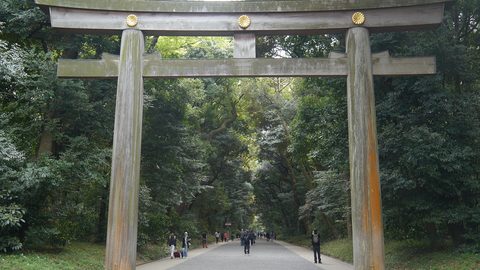 Meiji Jingu
The Meiji Jingu visit changes completely depending on which torii gate you enter. One drops you from Harajuku noise into sudden forest, the other builds quiet slowly from Yoyogi.
Meiji Jingu
The Meiji Jingu visit changes completely depending on which torii gate you enter. One drops you from Harajuku noise into sudden forest, the other builds quiet slowly from Yoyogi.
-
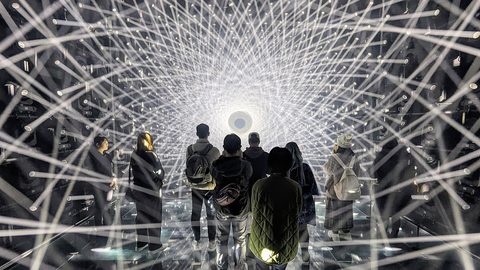 teamLab
 Borderless and Planets are two different Tokyo venues with separate booking systems. Borderless tickets at Azabudai Hills sell in timed slots and the maze has no fixed route.
teamLab
teamLab Borderless and Planets are two different Tokyo venues with separate booking systems. Borderless tickets at Azabudai Hills sell in timed slots and the maze has no fixed route.