Tokyo Is Worth It for Some Travellers and a Bad Fit for Others
Tokyo is worth visiting if you thrive on anonymity, systems, and district-depth exploration. It is a bad fit if you want a compact walkable old town or find underground mazes anxiety-inducing.
Is Tokyo Worth Visiting? an Honest Answer for Your Travel Style
You want a straight answer, not a sales pitch. Tokyo is worth visiting solo but only if you thrive on anonymity, systems, and the thrill of being a quiet observer in a city of 37 million people. If you need a compact, walkable old town where every street leads to a landmark and you can stumble into a cheap meal without a reservation, skip Tokyo and book Kyoto or a smaller Japanese city instead.
What Makes Tokyo Work and What Breaks it
Expect A Network, Not A Centre
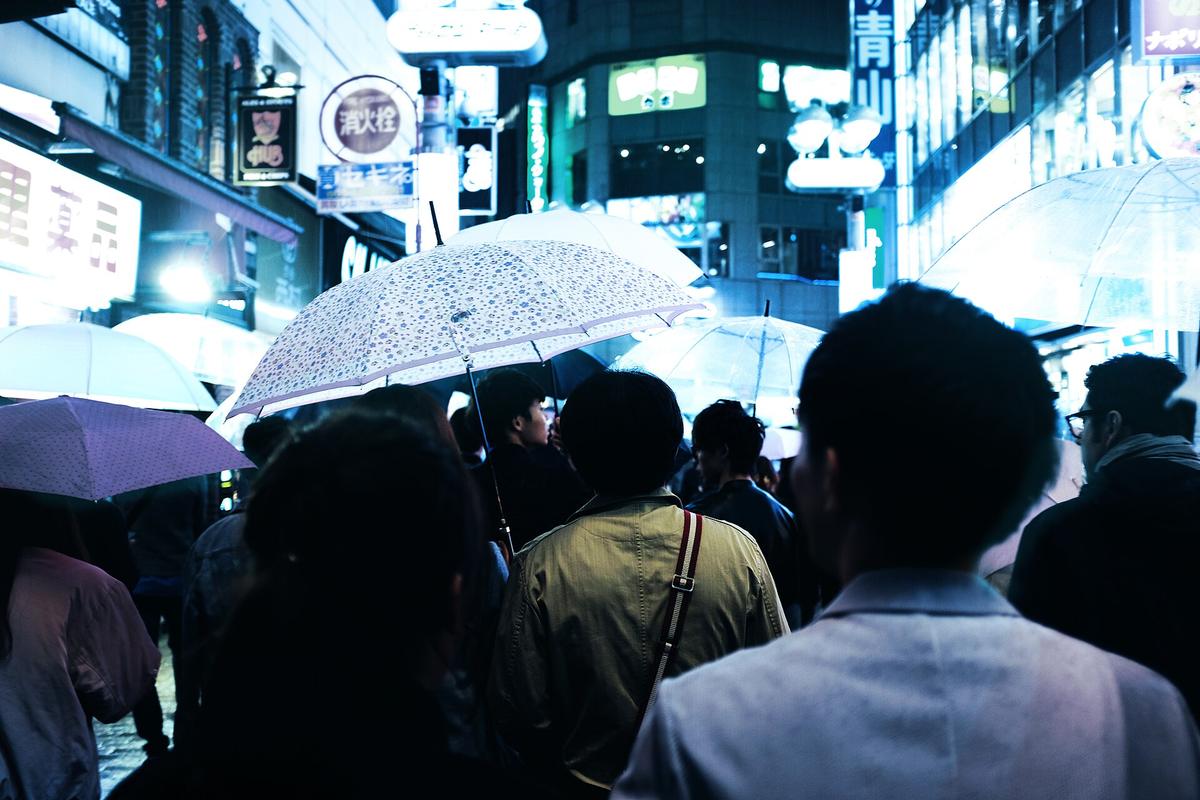
Tokyo is not a single coherent city centre. It is a network of quiet, orderly neighbourhoods stitched together by relentless rail commutes. First timers find the scale and the lack of street names harder than expected. The real magic is in the mundane: a perfectly engineered convenience store egg salad sandwich eaten on a silent backstreet at midnight, not the neon of Shibuya Scramble. That shift in expectation is the difference between a trip you love and a trip that exhausts you.
Friction Points That Ruin Trips
The friction points that ruin trips are real. Trash cans are virtually non existent in public; you carry your rubbish to the next convenience store. Many ATMs still reject foreign cards outside 7 Eleven, Japan Post, or FamilyMart. Restaurant reservations are mandatory post pandemic, and walk in refusals are common even when empty seats are visible. Google Maps struggles with vertical navigation inside multi floor station malls. The thing that trips up visitors most: stations are multi company hubs, and exiting through the wrong gate invalidates your transfer ticket, forcing a fare recalculation at a staffed window.
When To Go And When To Stay Away
Crowds are seasonal and specific. Peak season runs late March to early April for cherry blossoms and late November for autumn foliage. Both bring packed parks, premium hotel rates, and fully booked restaurants. Avoid Golden Week from late April to early May for domestic gridlock, mid August for oppressive humidity, and the New Year window from December 29 to January 3 when many independent restaurants and shops close. February is the quietest month for foreign arrivals.
.jpg)
Who Tokyo is for and Who Should Skip it
Who Thrives Here
Tokyo is for solo explorers who thrive on anonymity. It is for food obsessed travellers planning trips around specific meals at specific counters. It is for pop culture and design enthusiasts who want to spend a whole day inside Akihabara or Shimokitazawa. It is for efficiency nerds who appreciate systems that work, who enjoy mastering the Suica card on their phone, who find the 59 to 64 minute Yamanote loop a satisfying puzzle rather than a chore. It is for repeat visitors who have already done the big sights and now want backstreet ramen and silent shrine grounds.
Who Should Book Kyoto Instead
Tokyo is not for travellers seeking a compact, walkable old town. Do not come here expecting cobbled lanes and accidental discoveries in the way Kyoto or even Kawagoe deliver. It is not for those on a shoestring backpacker budget who want hostels and street food to be dirt cheap. A midrange hotel runs from ¥15,000 to ¥35,000 per night. A capsule hotel costs ¥3,000 to ¥6,000. Average daily spend per international tourist sits at ¥23,000. And it is not for people who find crowds and underground mazes anxiety inducing rather than energising. Shinjuku Station alone handles 3.5 million passengers per day with more than 200 exits.
Depth Over Density
Compare Tokyo against Kyoto and Osaka directly. Kyoto gives you a compact historic core on foot, with temples and teahouses within a 15 minute walk of each other. Osaka gives you bold street food culture, cheaper accommodation, and a more straightforward grid. Tokyo gives you none of that. It gives you depth, not density. You need five full days minimum. Anything less and you are just commuting between a checklist of sights without feeling the rhythm of any single district. Pick two areas maximum per day. Trying to cover Shibuya, Shinjuku, Harajuku, Asakusa, Akihabara, and Roppongi in two days is the single most common mistake, and it will make you hate the city.
How To Build Your Days
If Tokyo fits your profile, build your trip around districts, not landmarks. Spend a morning in Kagurazaka for the cobbled alleys and French bistros. Walk the canal at Nakameguro in late afternoon. Commit an evening to Golden Gai, a maze of 200 micro bars with six seats each. Reserve meals at Nakiryu or Konjiki Hototogisu for Michelin starred ramen, or Butagumi for tonkatsu. Budget ¥3,800 for teamLab Borderless and book weeks ahead. Budget ¥3,100 for the Skytree observation deck. Budget nothing for the Imperial Palace East Gardens, they are free but closed Mondays and Fridays.
Honest Caveat About Tokyo
The travellers who love Tokyo most are the ones who arrived ready to be confused for the first two days and rewarded on the third.
Read next
-
 Tokyo Hotels by Type and Budget from Capsules to Luxury
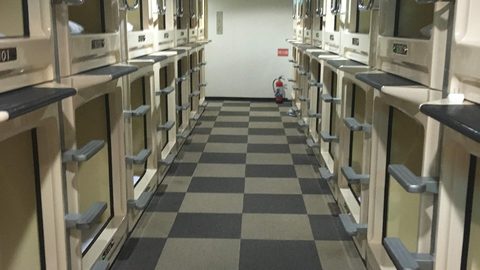
Tokyo hotels organised by type and price band, from efficient capsule pods to full-service luxury towers, to help you book the right room.
Tokyo Hotels by Type and Budget from Capsules to Luxury
Tokyo hotels organised by type and price band, from efficient capsule pods to full-service luxury towers, to help you book the right room.
-
 Where to Stay in Tokyo by District and Travel Style
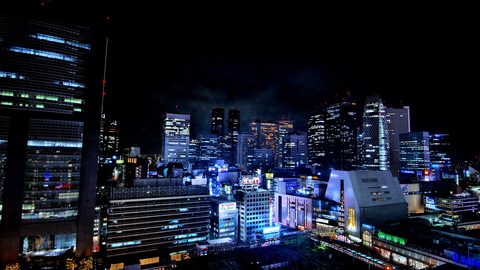
A comparison of Tokyo's major districts to help you choose the right base for your travel style, whether you want calm or chaos.
Where to Stay in Tokyo by District and Travel Style
A comparison of Tokyo's major districts to help you choose the right base for your travel style, whether you want calm or chaos.
-
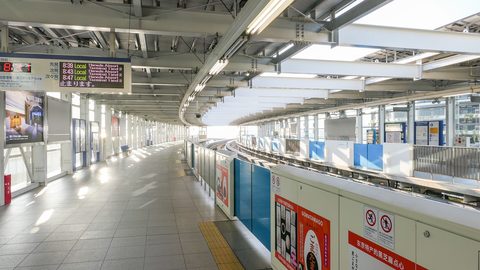 Narita or Haneda for Tokyo and What That Airport Choice Costs You
Narita or Haneda for Tokyo: compare door-to-district time, transfer cost, and what the wrong airport choice eats from your trip.
Narita or Haneda for Tokyo and What That Airport Choice Costs You
Narita or Haneda for Tokyo: compare door-to-district time, transfer cost, and what the wrong airport choice eats from your trip.
-
 Things to Do in Tokyo That Are Worth Your Limited Days
A curated list of Tokyo's highest-impact sights and experiences, from immersive art to quiet backstreets, to help you prioritise your days.
Things to Do in Tokyo That Are Worth Your Limited Days
A curated list of Tokyo's highest-impact sights and experiences, from immersive art to quiet backstreets, to help you prioritise your days.
-
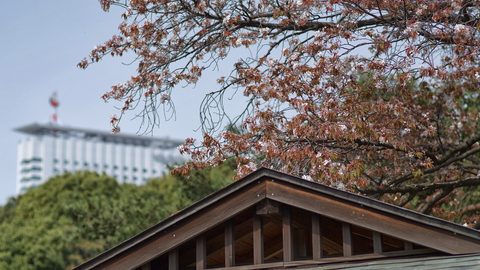 Best Time to Visit Tokyo Month by Month Tradeoffs
A month-by-month guide to visiting Tokyo, laying out the trade-off between weather, crowds, price, and what's actually open.
Best Time to Visit Tokyo Month by Month Tradeoffs
A month-by-month guide to visiting Tokyo, laying out the trade-off between weather, crowds, price, and what's actually open.
-
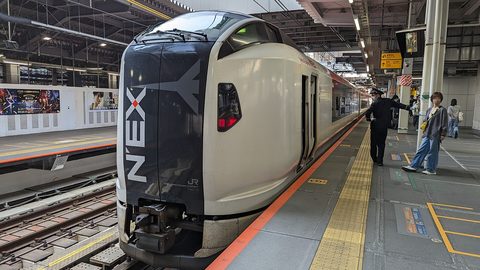 Getting Around Tokyo by Train Airport Transfers and IC Cards
A practical guide to Tokyo's rail network, covering airport transfers, IC cards, and how to avoid the station navigation mistakes that eat your day.
Getting Around Tokyo by Train Airport Transfers and IC Cards
A practical guide to Tokyo's rail network, covering airport transfers, IC cards, and how to avoid the station navigation mistakes that eat your day.
-
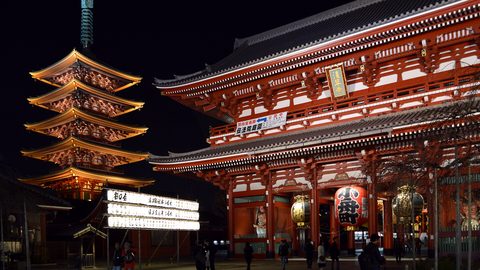 Senso-ji
 is free and never closes, but the experience at 6am with empty Nakamise stalls is nothing like the 11am crush under Kaminarimon. Here is when to go and what you get at each hour.
Senso-ji
Senso-ji is free and never closes, but the experience at 6am with empty Nakamise stalls is nothing like the 11am crush under Kaminarimon. Here is when to go and what you get at each hour.
-
 Meiji Jingu
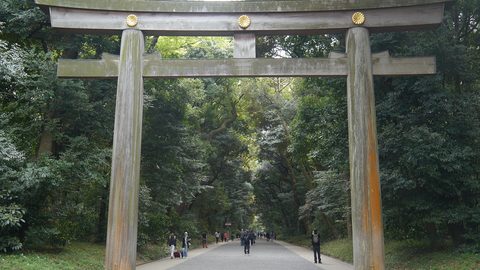
The Meiji Jingu visit changes completely depending on which torii gate you enter. One drops you from Harajuku noise into sudden forest, the other builds quiet slowly from Yoyogi.
Meiji Jingu
The Meiji Jingu visit changes completely depending on which torii gate you enter. One drops you from Harajuku noise into sudden forest, the other builds quiet slowly from Yoyogi.
-
 teamLab
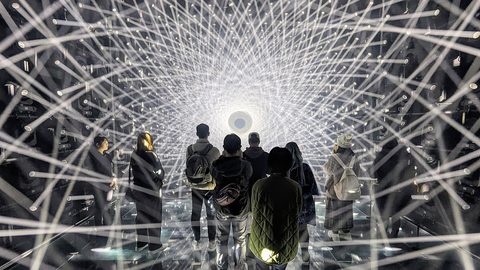
 Borderless and Planets are two different Tokyo venues with separate booking systems. Borderless tickets at Azabudai Hills sell in timed slots and the maze has no fixed route.
teamLab
teamLab Borderless and Planets are two different Tokyo venues with separate booking systems. Borderless tickets at Azabudai Hills sell in timed slots and the maze has no fixed route.