A Slow Day in Hayama Away from the Kamakura Crowds
Hayama offers a quieter Miura Peninsula coast with a modern art museum and low-key beaches, a relaxed alternative to busy Kamakura.
A Slow Day in Hayama Away from the Kamakura Crowds
The Museum of Modern Art, Hayama, designed by Riken Yamamoto and opened in 2003, sits right on Isshiki Beach. Its permanent collection focuses on modern and contemporary Japanese art from 1900 onward, but the real draw is the building's relationship with the coast. The glass-walled galleries open onto a sculpture garden that slopes down toward Sagami Bay. Budget for admission, which runs from 250 yen for the permanent collection to around 1,200 yen for special exhibitions. Arrive when it opens at 9:30 AM and head straight for the garden before the midday heat. The museum closes on Mondays (or Tuesday if Monday is a national holiday) and over the New Year period, so plan around that.
Isshiki Beach and the Imperial Villa
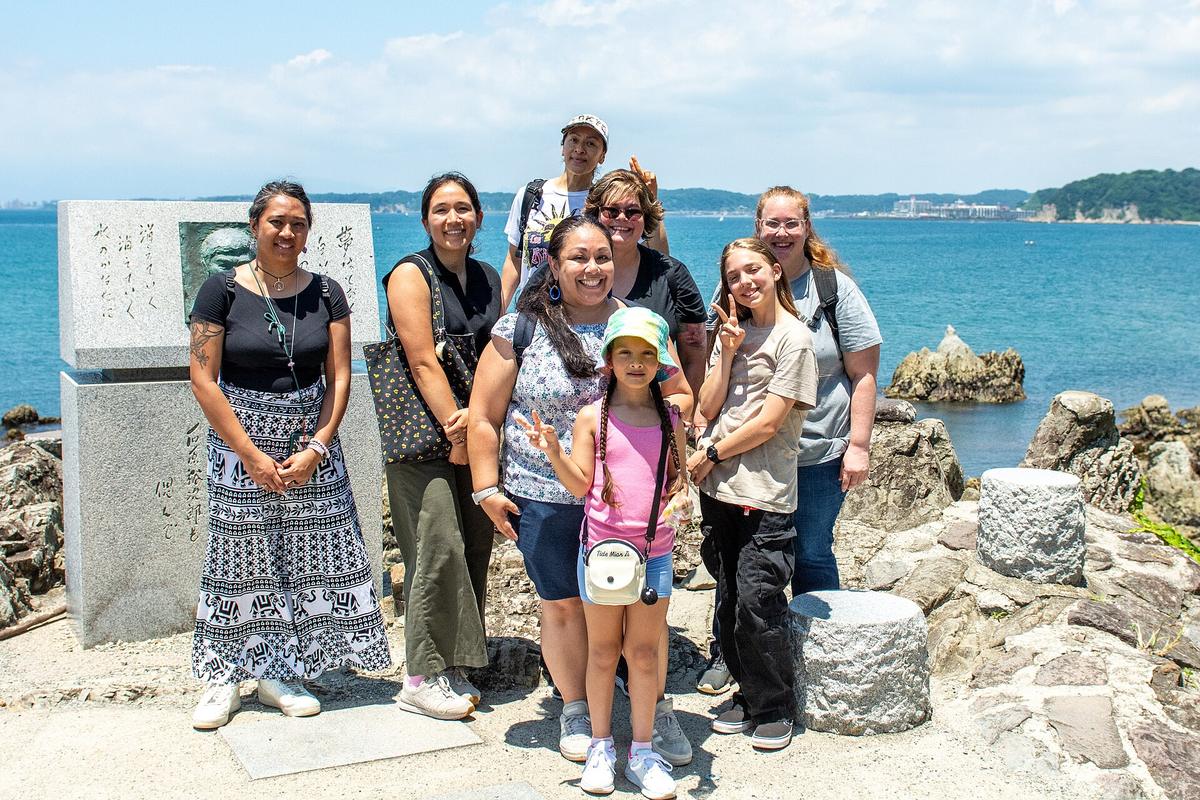
Isshiki Beach stretches about one kilometre of pale sand. The swimming season runs July 1 through August 31, with lifeguards present only during those dates. The water holds an AA rating, Japan's highest certification. Crowd density stays moderate because limited parking keeps the car-borne families away. Morito Beach, a half-kilometre pocket just north, is quieter still. Outside swimming season, both beaches remain open as public parks with no lifeguards and no swimming allowed. The Hayama Imperial Villa, a short walk from the beach, occupies a coastal garden with views of Mount Fuji across Sagami Bay. You cannot just walk in. Access is limited to guided tours on a few specific dates in spring and autumn, and entry requires winning a postcard lottery. Skip it unless you have flexible dates and Japanese language ability. The marina across the road is more accessible. Hayama Marina holds about 800 berths and operates a sailing school from March through November. The restaurants and shops there stay open year-round and make a better lunch stop than anything near the beach.


Getting There and Getting Around Without a Car
The rail route from Tokyo to Hayama runs through Keikyu Zushi-Hayama, reached from Shinagawa on the Keikyu Line. Journey time is about 60 minutes. From Yokohama, a direct coach takes 50 to 60 minutes and costs 700 to 800 yen, departing from Yokohama East Exit. From Zushi-Hayama, board a Keikyu Bus bound for Hayama or Hayama Isshiki. The ride takes 15 to 20 minutes and costs 200 to 300 yen. The bus drops you within walking distance of the museum, the beach, and the marina. If you want to add Kamakura to the same day, a bus from Kamakura reaches Hayama in 20 to 30 minutes. Do not treat Hayama as an add-on to a Kamakura morning. The point is that you spend the whole day here, moving slowly between the museum, the beach, and the marina cafés. The lack of a souvenir-strip street is not a flaw. It is the entire reason to come.
Where to Eat and When to Rest
Lunch options cluster at the marina and along the road behind Isshiki Beach. The marina restaurants serve seafood with a view of the moored yachts. The cafés near the museum are better for coffee and cake than for a full meal. Bring cash. Many smaller places near the beach do not accept cards, and the nearest convenience store ATM is back at Zushi. For a proper meal, the standing sushi counters of Tokyo are not available here. Eat at the marina, accept the higher price, and treat the view as part of the cost. After lunch, walk the cliffside path north of Isshiki Beach. It is not a formal trail. It is a residential road that hugs the coast, passing between private houses and the sea, with benches at intervals. The walk takes about 20 minutes to Morito Beach and gives you the real texture of Hayama: a town that does not need to perform for tourists.
What the Off Season Gives You
Most visitors come between July and August for the swimming. The smarter window is September through November, when the water is still warm enough to wade, the museum is open with shorter queues, and the marina restaurants have tables free. The sailing school closes from November through February, but the marina itself stays open. The imperial villa grounds are closed except for those lottery dates, but the coastal garden around the museum is free to walk through on museum admission. The off season removes the only friction Hayama has: the bus from Zushi-Hayama gets crowded on summer weekends. Come in October and you share the bus with a handful of locals and the occasional art visitor. The beach becomes a public park. Bring a book, sit on the sand, and watch the light change on Sagami Bay. That is the day.
.jpg)
Read next
-
 Tokyo Hotels by Type and Budget from Capsules to Luxury
Tokyo hotels organised by type and price band, from efficient capsule pods to full-service luxury towers, to help you book the right room.
Tokyo Hotels by Type and Budget from Capsules to Luxury
Tokyo hotels organised by type and price band, from efficient capsule pods to full-service luxury towers, to help you book the right room.
-
 Where to Stay in Tokyo by District and Travel Style
A comparison of Tokyo's major districts to help you choose the right base for your travel style, whether you want calm or chaos.
Where to Stay in Tokyo by District and Travel Style
A comparison of Tokyo's major districts to help you choose the right base for your travel style, whether you want calm or chaos.
-
 Narita or Haneda for Tokyo and What That Airport Choice Costs You
Narita or Haneda for Tokyo: compare door-to-district time, transfer cost, and what the wrong airport choice eats from your trip.
Narita or Haneda for Tokyo and What That Airport Choice Costs You
Narita or Haneda for Tokyo: compare door-to-district time, transfer cost, and what the wrong airport choice eats from your trip.
-
 Things to Do in Tokyo That Are Worth Your Limited Days
A curated list of Tokyo's highest-impact sights and experiences, from immersive art to quiet backstreets, to help you prioritise your days.
Things to Do in Tokyo That Are Worth Your Limited Days
A curated list of Tokyo's highest-impact sights and experiences, from immersive art to quiet backstreets, to help you prioritise your days.
-
 Best Time to Visit Tokyo Month by Month Tradeoffs
A month-by-month guide to visiting Tokyo, laying out the trade-off between weather, crowds, price, and what's actually open.
Best Time to Visit Tokyo Month by Month Tradeoffs
A month-by-month guide to visiting Tokyo, laying out the trade-off between weather, crowds, price, and what's actually open.
-
 Getting Around Tokyo by Train Airport Transfers and IC Cards
A practical guide to Tokyo's rail network, covering airport transfers, IC cards, and how to avoid the station navigation mistakes that eat your day.
Getting Around Tokyo by Train Airport Transfers and IC Cards
A practical guide to Tokyo's rail network, covering airport transfers, IC cards, and how to avoid the station navigation mistakes that eat your day.
-
 Senso-ji
 is free and never closes, but the experience at 6am with empty Nakamise stalls is nothing like the 11am crush under Kaminarimon. Here is when to go and what you get at each hour.
Senso-ji
Senso-ji is free and never closes, but the experience at 6am with empty Nakamise stalls is nothing like the 11am crush under Kaminarimon. Here is when to go and what you get at each hour.
-
 Meiji Jingu
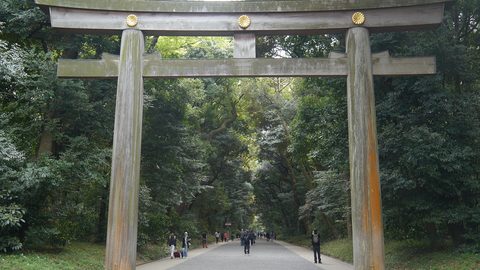
The Meiji Jingu visit changes completely depending on which torii gate you enter. One drops you from Harajuku noise into sudden forest, the other builds quiet slowly from Yoyogi.
Meiji Jingu
The Meiji Jingu visit changes completely depending on which torii gate you enter. One drops you from Harajuku noise into sudden forest, the other builds quiet slowly from Yoyogi.
-
 teamLab
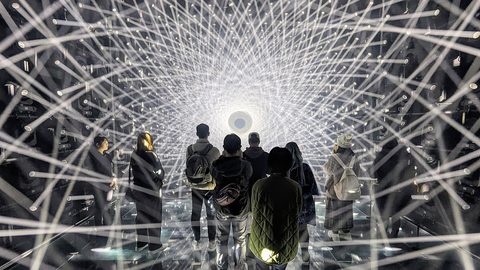
 Borderless and Planets are two different Tokyo venues with separate booking systems. Borderless tickets at Azabudai Hills sell in timed slots and the maze has no fixed route.
teamLab
teamLab Borderless and Planets are two different Tokyo venues with separate booking systems. Borderless tickets at Azabudai Hills sell in timed slots and the maze has no fixed route.