Peking Duck in Beijing: The Good, the Famous, and the Overrated
A judgement call on where to eat Peking duck in Beijing, comparing the historic, the local favourite, and the upscale options.
A Duck, a Queue, and a City That Does Not Slow Down
You have been standing on a grimy pavement outside Siji Minfu for 45 minutes. The ticket you pulled from the machine says 23 parties still separate you from a table. A family of four just walked past holding a reservation slip they booked yesterday. They are seated in under a minute. This is how Beijing teaches you the first rule of eating Peking duck: the famous restaurants do not need your patience, but the good ones reward it. The difference between a meal you remember and a meal you endure comes down to which tradition you choose and how you book.
Two roasting methods define every Peking duck worth eating in this city. Closed-oven, which Bianyifang has been doing since 1416, bakes the duck in a sealed brick oven with no direct flame. The skin comes out less crispy, the meat stays moist, and the fat renders evenly into the flesh. Hung-oven, the method the Qianmen originator pioneered in 1864, roasts the duck over an open fire of fruit wood. The skin crackles like a thin sheet of glass, the fat separates cleanly from the meat, and the result is a leaner, crunchier bird. One is not better than the other. They answer different cravings. Know which one you want before you pick a restaurant. No restaurant switches methods, and the gap between them is the difference between a soft, rich bite and a shattering one.
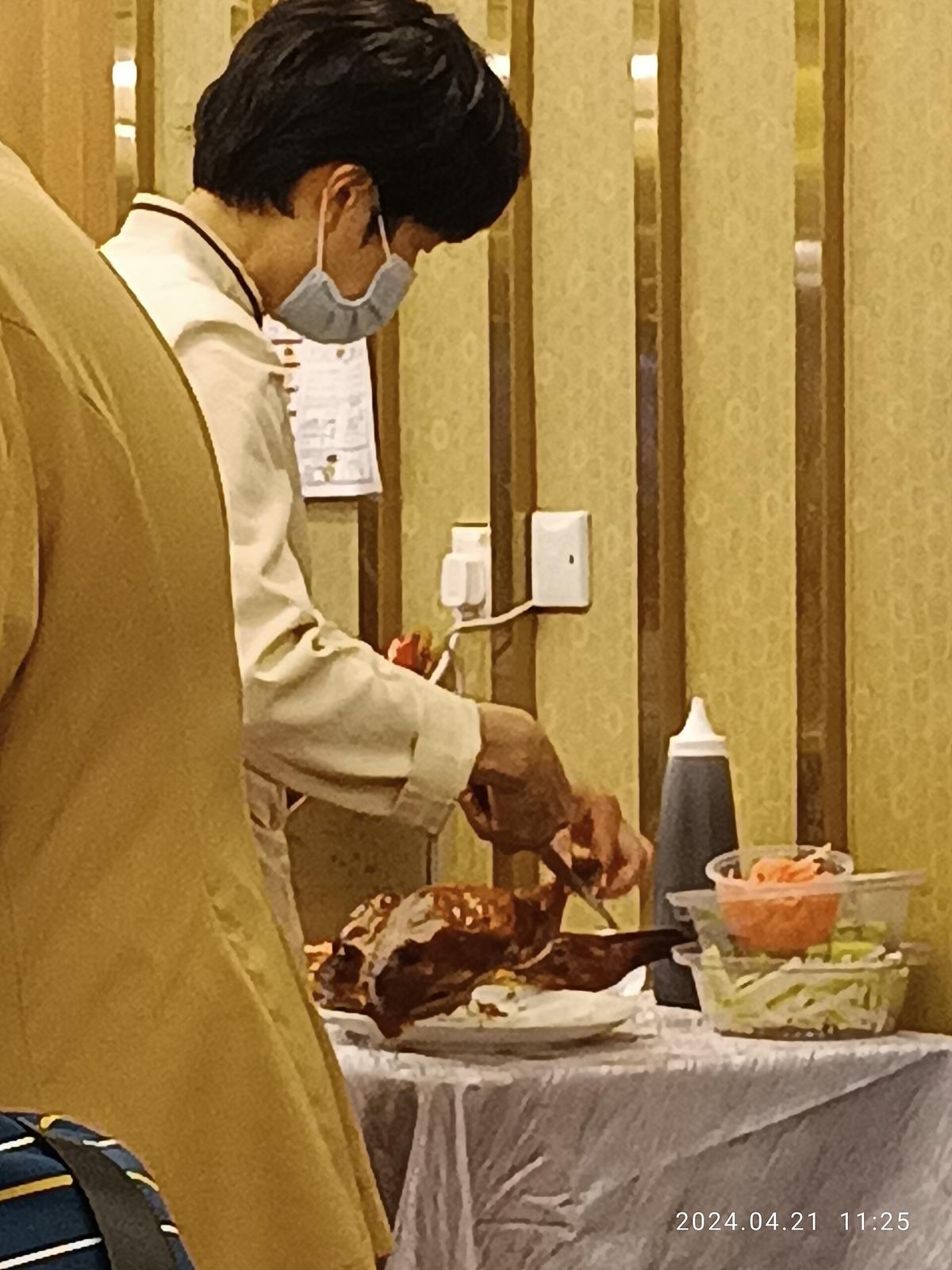

Quanjude: the Origin Story You Pay for
The Qianmen original is the most famous name in Peking duck. That fame carries a price premium and a crowd of tourists who came to photograph the brand. The flagship location serves a hung-oven duck with skin that snaps, but the meat can be dry and the service is assembly-line efficient. Come here for the story, not the peak experience. The restaurant has been operating since 1864 and feels like a museum of itself, with brass plaques, framed calligraphy, and waiters who have done this ten thousand times. A whole duck costs roughly ¥200-300 and the sides are overpriced. The dining rooms are loud. The queues are long without a reservation. Local Beijingers you meet will tell you they visit once every few years, when relatives come from out of town. That is the honest verdict. Book a table here if you want to tell people you ate at the place that invented the modern Peking duck. For the best duck of your life, look elsewhere.
Siji Minfu: the Local Palate, and the Queue
Why Beijingers Recommend It
Siji Minfu is the restaurant Beijingers actually recommend to each other. The Dongsi Shiitao branch, near the Drum and Bell Towers, runs a hung-oven method that produces skin so thin and brittle it shatters when you bite down. The fat is rendered almost entirely away, leaving a lean, smoky sliver of meat that needs nothing but the thinnest smear of sweet bean sauce and a single sliver of scallion. A whole duck costs around ¥120-150, half the price of the Qianmen original and a better product. The problem is the queue.
How to Beat the Wait
Without a reservation at peak dinner hours, you face 90 minutes on a plastic stool in a narrow lane with no shelter from the wind. The restaurant does not take same-day reservations by phone for foreigners reliably. Have your hotel concierge call a day ahead. Or show up at 11:00 for lunch and accept that you will wait. The reward is a duck that tastes like the city's best version of itself, served in a bright, noisy room where every table has a carver in a white hat slicing tableside. Choose this for the duck, not the brand.
Dadong: Art on a Plate, Lean and Precise
Dadong takes the hung-oven tradition and turns it into a fine-dining performance. The skin is sliced so thin that the plate looks like a mosaic of golden tiles arranged in a spiral. The fat is trimmed to near-zero. Purists argue this removes the very richness that makes Peking duck indulgent, but for a traveller who wants a cleaner, less greasy experience, Dadong is exceptional. The presentation includes a sugar dip for the crispiest skin pieces and a tiny cup of duck consomme that nobody else bothers to serve. Prices run ¥250-350 per duck. The Jinbao Street location near the Forbidden City is the flagship, with dark wood interiors and wine pairings that feel imported from Shanghai. Book this for the diner who treats the meal as an event, not a feed. The service is polished, the reservations system works through WeChat, and the room is quiet enough that you can hear your companion. Dadong does not suit the traveller who wants a hutong atmosphere or a bargain. It suits the traveller who wants the duck as a controlled, artistic object.
Li Qun: Atmosphere Over Consistency
The Setting
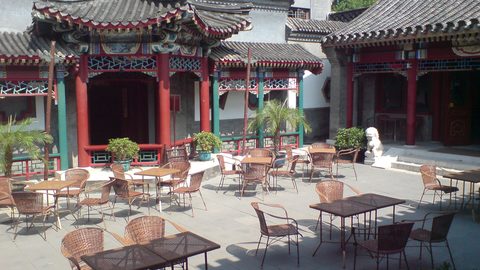
Li Qun sits in a crumbling hutong courtyard near the Qianmen area, with a handwritten menu and a tiny kitchen that sends out ducks through a window. The roasting method is hung-oven, but the execution varies wildly between visits. Some days the skin is perfect. Some days it is chewy. What Li Qun sells is the experience of eating Peking duck in a place that feels like a secret, tucked behind a metal gate in a lane too narrow for a car. The courtyard is strung with lanterns and the walls are smoke-stained from decades of cooking.
What You Sacrifice
A whole duck costs around ¥150-180. The service is gruff. The wait can stretch past an hour even with a reservation because the kitchen only has so many ovens. Choose Li Qun for the setting over the food. For the single best duck in Beijing, go to Siji Minfu. For a story, a photograph, and a meal that feels like it belongs to old Beijing, Li Qun delivers that even when the duck itself does not.
| Restaurant | Method | Price Range Per Duck | Best For |
|---|---|---|---|
| Quanjude | Hung-oven | ¥200-300 | History seekers who want the brand origin story |
| Siji Minfu | Hung-oven | ¥120-150 | Food travellers who want the crispiest, leanest skin |
| Dadong | Hung-oven, artistic presentation | ¥250-350 | Upscale diners who want a refined, quiet meal |
| Li Qun | Hung-oven, variable execution | ¥150-180 | Atmosphere seekers who want a hutong courtyard setting |
The Booking Logistics You Cannot Ignore
Distances and Timing
Beijing operates on a scale that exhausts even prepared travellers. The distances between these restaurants and the main sights are real. A lunch reservation at Siji Minfu followed by an afternoon at the Forbidden City means accounting for a 30-minute walk or a metro ride with a transfer that involves a 15-minute underground corridor. The metro stops running around 22:30-23:00 depending on the line. An 8pm dinner at Dadong leaves you with a taxi ride home through traffic that can double the fare. Carry your destination written in Chinese characters for the taxi driver.
Payment and Practicalities
Cash is nearly useless. Expect to pay with Alipay or WeChat Pay, and test your payment setup before you arrive. The restaurants accept foreign cards unpredictably, so bring a backup. Siji Minfu's Dongsi Shiitao branch is a 15-minute walk from the Drum and Bell Towers, which makes it a good stop after climbing the towers if you booked ahead. The Qianmen original sits directly south of Tiananmen Square, convenient for a lunch break between the Forbidden City and the Temple of Heaven, but the queue will eat into your afternoon. Plan around the wait, not through it.
Who This Guide is For, and Who it is Not
This page suits the history obsessive who wants to taste the 1864 origin story at the Qianmen flagship. It suits the food traveller willing to queue 90 minutes at Siji Minfu for the crispiest skin in the city. It suits the solo traveller comfortable with logistical friction and the repeat China visitor ready for a mega-city that does not apologise for its crowds. It does not suit the first-time Asia traveller seeking a gentle introduction to Chinese food. It does not suit anyone on a tight budget who still wants central accommodation, because the good Peking duck restaurants sit in districts where hotels cost accordingly. And it does not suit the traveller who expects an old China atmosphere from a postcard, because the best duck in Beijing is served in bright, loud rooms on commercial streets.
Read next
-
 Beijing Hotels by Price Band and Property Type
Beijing hotels split into hutong courtyards, international chains and functional business towers. Here is what each price band actually buys you.
Beijing Hotels by Price Band and Property Type
Beijing hotels split into hutong courtyards, international chains and functional business towers. Here is what each price band actually buys you.
-
 Where to Stay in Beijing by District and Travel Style
Dongcheng puts you beside the Forbidden City, Chaoyang beside the nightlife. Here is how Beijing's districts compare for different travellers.
Where to Stay in Beijing by District and Travel Style
Dongcheng puts you beside the Forbidden City, Chaoyang beside the nightlife. Here is how Beijing's districts compare for different travellers.
-
 Beijing Flights PEK vs PKX Which Airport Actually Works for You
PEK or PKX? What each Beijing airport costs you in time, money, and logistical friction depending on where you are staying.
Beijing Flights PEK vs PKX Which Airport Actually Works for You
PEK or PKX? What each Beijing airport costs you in time, money, and logistical friction depending on where you are staying.
-
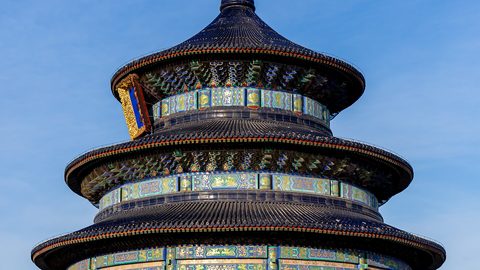 Beijing Things to Do Worth Your Limited Days
The Forbidden City and Great Wall are essential, but Beijing's meaning lives in temple courtyards, hutong lanes and food streets. Here is what earns your days.
Beijing Things to Do Worth Your Limited Days
The Forbidden City and Great Wall are essential, but Beijing's meaning lives in temple courtyards, hutong lanes and food streets. Here is what earns your days.
-
 Best Time to Visit Beijing, Month by Month Tradeoffs
April and October bring blue skies and queues, July brings heat, January brings empty sites and hazardous air. Here is Beijing month by month.
Best Time to Visit Beijing, Month by Month Tradeoffs
April and October bring blue skies and queues, July brings heat, January brings empty sites and hazardous air. Here is Beijing month by month.
-
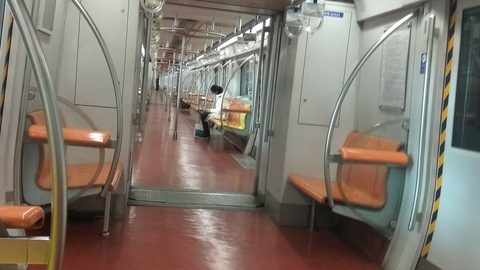 Getting Around Beijing Without Losing Half Your Day
Beijing's metro is clean and cheap but stops early, and taxis rarely speak English. Here is how to move around without burning half your day.
Getting Around Beijing Without Losing Half Your Day
Beijing's metro is clean and cheap but stops early, and taxis rarely speak English. Here is how to move around without burning half your day.
-
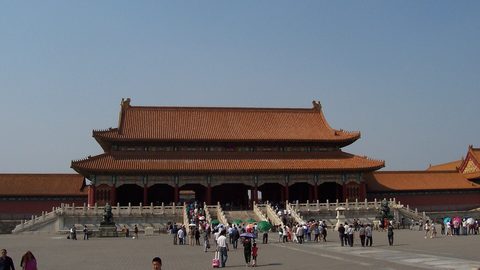 Forbidden City
 tickets require booking seven days ahead on WeChat with a passport. Here is the route to take once you are inside to avoid wasting the visit.
Forbidden City
Forbidden City tickets require booking seven days ahead on WeChat with a passport. Here is the route to take once you are inside to avoid wasting the visit.
-
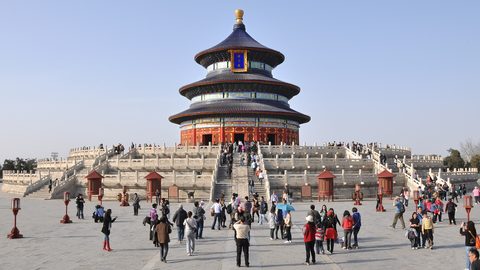 Temple of Heaven
The Temple of Heaven park matters as much as the temple. Morning tai chi, choirs, and card players make it a Beijing ritual worth a full morning.
Temple of Heaven
The Temple of Heaven park matters as much as the temple. Morning tai chi, choirs, and card players make it a Beijing ritual worth a full morning.
-
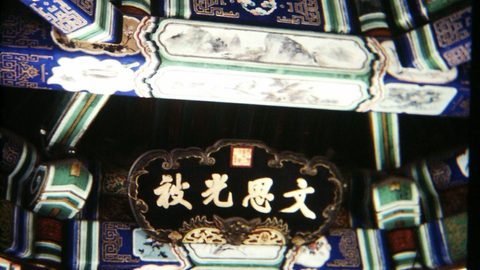 Summer Palace
The Summer Palace is vast and the wrong entrance adds an hour of walking. Use the East Palace Gate and plan for at least four hours.
Summer Palace
The Summer Palace is vast and the wrong entrance adds an hour of walking. Use the East Palace Gate and plan for at least four hours.