Qianmen and Dashilan Beijing More Rebuild Than Survival
Qianmen and Dashilan are more restoration than survival, but the traditional shopfronts and roast duck restaurants still justify a visit.
- Flag
-

- ISO code
- CN
- Currency
- CNY
- Timezone
- Asia/Shanghai
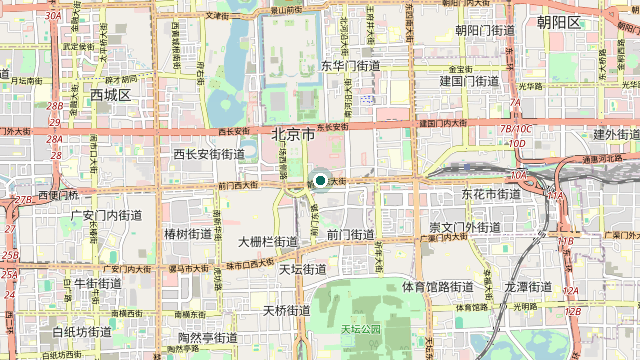
Qianmen at 8am on a Tuesday
Before The Tour Buses Arrive
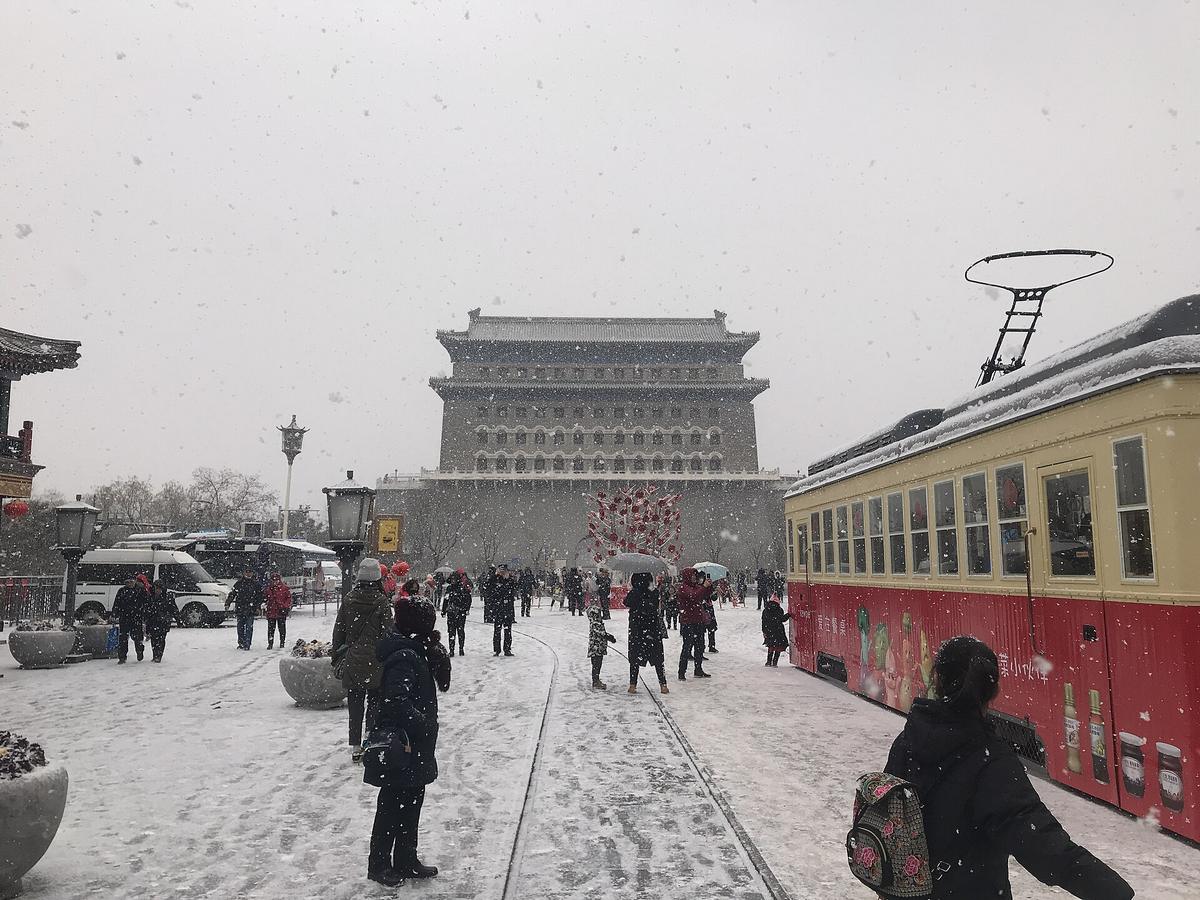
You expect an ancient shopping street. You get a film set built for an audience that has not arrived yet. At 8am on a Tuesday, the tram tracks shine from an overnight wash. The grey-brick facades are scrubbed clean. Shopkeepers sweep doorways. The first tour groups from Tiananmen Square, a ten minute walk north, will not appear for another hour. Right now, Qianmen belongs to the cleaning crew and the pigeons.
Almost none of this was here forty years ago. The original Qianmen Street was broad and chaotic, lined with rickshaws and coal smoke and the oldest theatre stages in Beijing. Then the government razed the real thing and built a replica. The tram is a novelty ride. The building heights are regulated. The street vendors selling plastic swords and candied hawthorn are not descendants of the Ming dynasty merchants who once worked these blocks. They are employees of a state owned tourism company.

Is Qianmen Worth Visiting? Yes, with Context
What You Are Actually Looking At
The question this page answers: is Qianmen authentic history or a modern reconstruction? It is a reconstruction. A good looking one. But a reconstruction. That does not make it worthless. It makes it useful for specific purposes.
If you have just spent three hours in the Forbidden City and another hour queuing through Tiananmen Square security, you will welcome the flat sidewalk and the proximity. The street runs south from Zhengyangmen gate. A duck dinner at Quanjude, the 1864 origin branch, is a legitimate reason to be here. The waiters still carve the skin at your table. The pancakes arrive in a ceramic steamer. Book ahead or queue an hour at peak.
Skip The Main Drag, Enter The Alleys
Consider what you lose by stopping on the main street. The value is in the side alleys. Dashilan, the warren of lanes intersecting Qianmen to the west, holds a few genuine survivors. The 200 year old pharmacy Tongrentang still grinds herbs on site. The cloth shop Ruifuxiang has been cutting silk since 1893. Walk into these. The main street is theatre. The alleys are the archive.
Where the Street Succeeds and Fails
The Photogenic Facade
This area is good at being a walkable postcard. On a warm October afternoon, the light hits the tile roofs at an angle that photographs exactly like the old woodblock prints. The tram passes every fifteen minutes. Children wave. It is pleasant.
It is bad at surprise. Every shop sells the same eight things: tea, silk, fake antiques, pastries in gift tins, cloisonne vases, calligraphy brushes, Mao badges, roast duck vacuum packs. The same storefront appears three times on one block. By the fourth repetition you understand that you are in a controlled retail environment, not a living market.
Why Evenings Fall Flat
It is also bad at evening authenticity. The lanterns come on at dusk. The crowds thin. The food stalls start their second shift. And yet the place feels hollow. Local Beijinger families do not come here for a night out. They go to the hutongs around Gulou or the food streets near Dongsi. Qianmen after 9pm is tourists photographing tourists.
The Real Beijing is One Block West
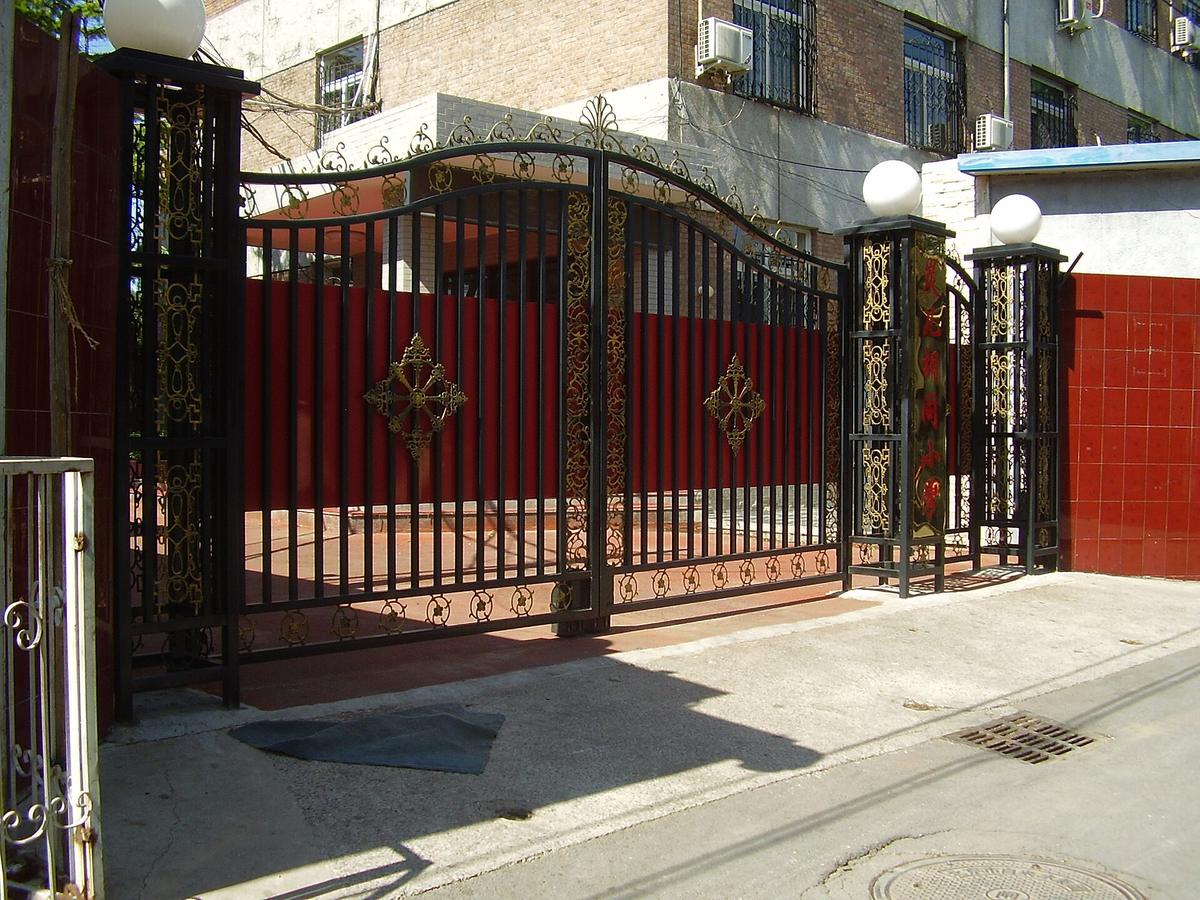
Walk west off Qianmen into the Dashilan alleys and the texture changes fast. The main street is swept and painted. The alleys are irregular. A noodle shop with a plastic chair out front. A man repairing a bicycle. A woman hanging laundry on a bamboo pole extended from a second floor window. This is not curated. This is the Beijing that survived the wrecking ball because the hutong ownership law tangled in red tape.
Look for the small courtyard houses, the siheyuan, that line the narrower lanes. Some are private homes. Some have been converted into hostels or teahouses. A few are derelict, their wooden beams exposed, their brick walls leaning. The contrast with the stage set on Qianmen is stark. One is a museum of what Beijing wants to show. The other is what Beijing actually is: a city that demolishes its past and then builds a copy of it, while the real thing crumbles a few feet away.

One Honest Recommendation
Do not plan a whole day here. Use Qianmen as a hinge. Walk south from Tiananmen in the late afternoon. Have the roast duck. Cross into the Dashilan alleys before the sun drops. Find a tea shop that lets you sit. Then leave. The city has better places to spend your hours: the quiet courtyards of the Confucius Temple, the lake edge at the Summer Palace at sunset, the semi wild Great Wall at Jinshanling where you can walk a section with twenty other people instead of two thousand. Qianmen is a facelift, not a face. Treat it as such and you will not be disappointed.
Common Questions
Is Qianmen an authentic historic neighbourhood or a modern reconstruction?
It is a modern reconstruction. Most of the street was razed and rebuilt. The tram tracks and grey brick shopfronts were installed to look old. A few genuine survivors exist in the side alleys of Dashilan, but the main street is a state built facsimile from the 2000s.
How long should I spend at Qianmen Street?
Plan one to two hours. Enough time for a roast duck dinner at Quanjude and a stroll through the Dashilan alleys. A full day here is not justified. The street is walkable but repetitive.
Where do locals go instead of Qianmen?
Local Beijing residents frequent the hutongs around Gulou and Dongsi for night food, or the food streets near the Drum and Bell Towers. Qianmen is a tourist oriented retail strip.
Is the tram on Qianmen worth riding?
Only for children or novelty seekers. The ride takes a few minutes and costs extra. The tram is not a historic vehicle. It was installed as part of the 2000s reconstruction.
What is the best time of day to visit Qianmen?
Arrive late afternoon, around 4pm to 6pm. The light is good for photography. The tour groups thin out after 5pm. Evening dining is a quieter option than lunch, when the street is busiest.
Can I see Qianmen on the same day as the Forbidden City?
Yes, easily. Qianmen is a ten minute walk south of Tiananmen Square. Most visitors pair the two. The Forbidden City takes three to four hours on its own, so Qianmen works as a post palace destination.
What should I eat on or near Qianmen Street?
Roast duck at the Quanjude branch on the street is the signature meal. For something smaller, grab a jianbing from a street cart before 9am, or find a zhajiangmian shop in the Dashilan alleys for hand pulled noodles with fermented soybean paste.
Read next
-
 China Travel Guide for First-Timers Who Plan Ahead
China rewards travellers who plan apps, payments, trains, and tickets before arrival. Start with the four obstacles and the pages that solve them.
China Travel Guide for First-Timers Who Plan Ahead
China rewards travellers who plan apps, payments, trains, and tickets before arrival. Start with the four obstacles and the pages that solve them.
-
 China Visa-Free Transit and Unilateral Entry Rules Explained
China visa-free transit and unilateral entry rules change often. Here is how they work now, who qualifies, and what breaks a stay.
China Visa-Free Transit and Unilateral Entry Rules Explained
China visa-free transit and unilateral entry rules change often. Here is how they work now, who qualifies, and what breaks a stay.
-
 Cash to Cashless in China What First-Timers Must Set Up
China runs on Alipay and WeChat Pay, and cash is often refused. Set up both with a foreign card before you land or risk being stranded.
Cash to Cashless in China What First-Timers Must Set Up
China runs on Alipay and WeChat Pay, and cash is often refused. Set up both with a foreign card before you land or risk being stranded.
-
 Will Google, WhatsApp and Maps Actually Work on a China eSIM
A China eSIM solves data but not the firewall. Here is what actually works for Google, WhatsApp and Maps and why a VPN still matters.
Will Google, WhatsApp and Maps Actually Work on a China eSIM
A China eSIM solves data but not the firewall. Here is what actually works for Google, WhatsApp and Maps and why a VPN still matters.
-
 Fifth Freedom Flights Are the Award Sweet Spot Nobody Searches For
Fifth-freedom flights let you fly a foreign airline between two other countries, and they often have award seats when the airline's own hub routes are sold out.
Fifth Freedom Flights Are the Award Sweet Spot Nobody Searches For
Fifth-freedom flights let you fly a foreign airline between two other countries, and they often have award seats when the airline's own hub routes are sold out.
-
 Every Way Into an Airport Lounge and What Each One Actually Costs You
-
 When a Mileage Upgrade Is the Wrong Way to Spend Miles
Upgrading a paid ticket with miles sounds efficient but the required fare class often costs so much that a straight award booking in the same cabin is cheaper.
When a Mileage Upgrade Is the Wrong Way to Spend Miles
Upgrading a paid ticket with miles sounds efficient but the required fare class often costs so much that a straight award booking in the same cabin is cheaper.
-
 Mistake Fares and Whether an Airline Actually Has to Honour Your Ticket
Mistake fares generate excitement but most airlines cancel them and refund your money, and the US DOT rarely forces them to honour the ticket.
Mistake Fares and Whether an Airline Actually Has to Honour Your Ticket
Mistake fares generate excitement but most airlines cancel them and refund your money, and the US DOT rarely forces them to honour the ticket.