Beijing Hotels, Sorted by What You Actually Get
Beijing hotels split into hutong courtyards, international chains and functional business towers. Here is what each price band actually buys you.
You Are Choosing Between Atmosphere and Efficiency, Not Between Neighbourhoods
You step out of a hutong courtyard hotel into a narrow lane where a woman is frying scallion pancakes on a portable burner, a bicycle rusts against a brick wall painted with Mao-era slogans, and the sound of a mahjong game drifts from an open doorway. Two hundred metres away, a six-lane road carries trucks through a concrete canyon of office towers and state bank headquarters. That collision defines Beijing. Most travel guides sort hotels by district as if the city were a neat set of neighbourhoods you can pick from. It is not. Distances between sights are vast. The grid layout means endless walking. And the neighbourhood that looks perfect on a map may deposit you in a 30-minute dead zone between metro stations. What actually matters is the tradeoff you are willing to make between character and convenience, between immersion and insulation. This page organises Beijing hotels by property type and budget so you can decide what you are giving up before you arrive.
Hutong Courtyard Conversions: Atmosphere with Thin Walls and No Lift
What You Gain in a Courtyard
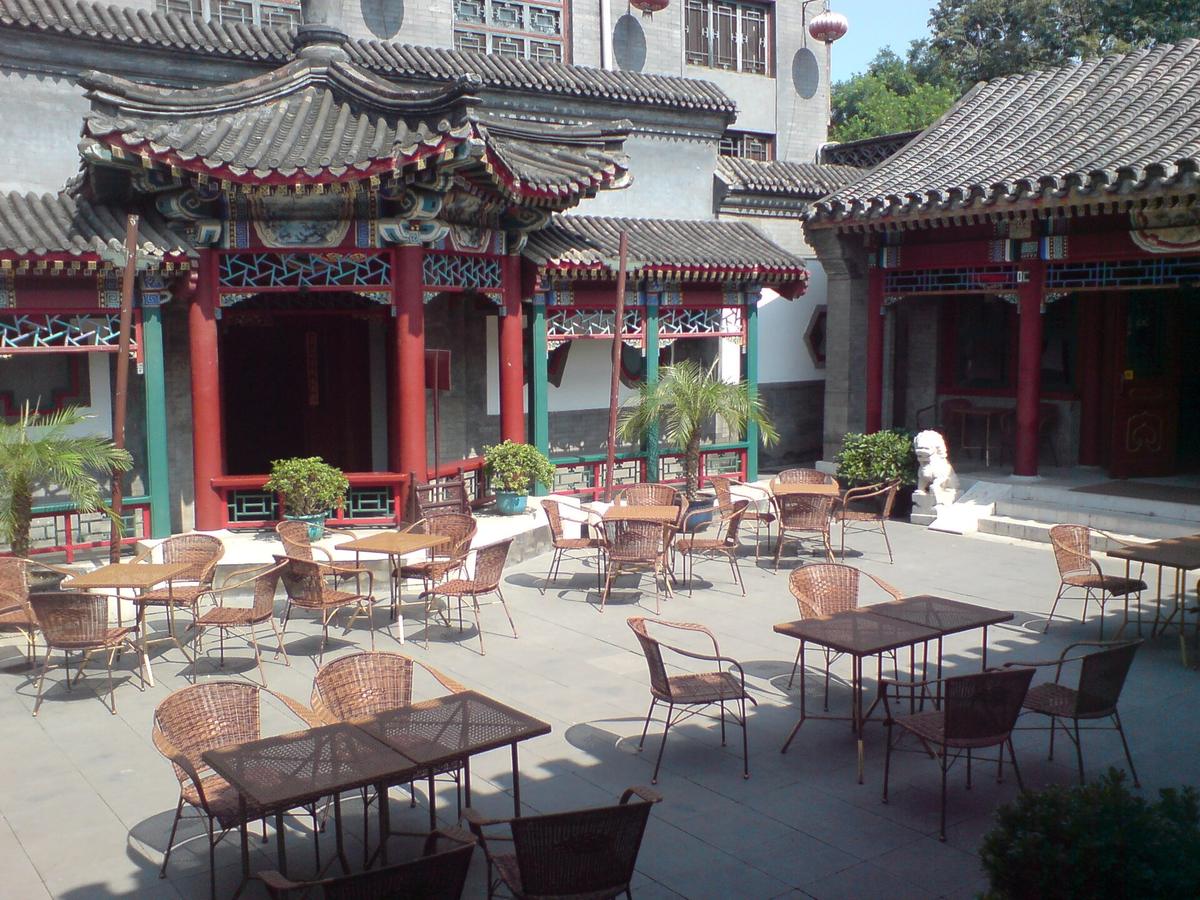
A hutong hotel is a converted courtyard house, usually in Dongcheng or Xicheng, tucked into a warren of lanes that predate the Forbidden City. You sleep in a room that was someone's family home. The courtyard has a gnarled tree, maybe a stone table, and the feeling that you are inside Beijing's older self. This is the right choice if you want depth over polish, if you are willing to trade a silent room for the sound of neighbours arguing at 7am, and if you are comfortable with the fact that your bathroom may be small enough to turn around in only one direction.
The Costs of Character
The downside is real. Courtyard walls are thin. Lifts are rare, so if you are on the second floor, you carry your suitcase up a steep wooden staircase. Soundproofing is minimal, and the heating or cooling systems are often retrofitted into spaces that were never designed for them. Winter can mean drafty windows. Summer can mean an air conditioning unit that struggles. You are also paying a premium for the experience. A hutong room in peak season costs as much as a mid-range business hotel with a gym and reliable WiFi. The tradeoff is that you wake up in a version of Beijing that is vanishing. If that matters to you more than a silent elevator ride, stay in a hutong.

International Luxury Chains: Predictability but Zero Character
The Comfort of Sameness
Beijing has every global luxury brand you expect. They sit in Chaoyang mostly, near the embassy district and Sanlitun, or in the financial zones around the central business district. The lobbies are marble, the staff speak English, the gyms have Pelotons, and the breakfast buffet includes both congee and croissants. You know what you are getting. That is the point.
What You Lose in the Trade
The downside is that you could be anywhere. The view from your window is another tower. The street outside is designed for cars, not pedestrians, so walking to a local noodle shop requires crossing a six-lane road with no crosswalk for a long block. The luxury chains insulate you from Beijing's friction. That is helpful after a day of crowd density and 30-minute metro transfers. But it also means you return to a space that has no memory of the city outside. You are trading atmosphere for efficiency. If your trip is about ticking the Forbidden City, the Great Wall, and the Summer Palace in four days, and you need a reliable base that does not add logistical drag, this is your category.
| Property Type | Who It Suits | What You Give Up |
|---|---|---|
| Hutong Courtyard Conversion | History obsessives, photographers, repeat visitors who want to feel the old city | Silence, lifts, reliable heating and cooling, space for your luggage |
| International Luxury Chain | Business travellers, first-time visitors wanting consistency, anyone needing a gym and English-speaking staff | Character, walkable streets, local food within 200 metres, a sense of being in Beijing |
| Mid-Range Business Hotel | Solo travellers on a schedule, budget-conscious visitors who still want a private bathroom and reliable WiFi | Atmosphere, courtyard space, any kind of local texture, quiet corridors |
| Genuine Budget Option | Backpackers, students, travellers who spend all day out and only need a bed and a shower | Central location, soundproofing, reliable hot water, a lift, cleanliness consistency |
Mid-Range Business Hotels: the Reliable Workhorse
These are the hotels that line the major metro corridors, especially Line 1, Line 2, and Line 10. They are not beautiful. They are not memorable. But they have a desk, a clean bathroom with hot water that arrives in under 15 seconds, and a breakfast buffet that includes boiled eggs and instant coffee. The staff may not speak English, but they will call you a taxi and write your destination in Chinese characters. You will sleep in a room that looks like every other mid-range hotel room in Asia. That is the deal.
The tradeoff is that you are in a building that has no relationship to the city. The lobby smells of disinfectant. The restaurant serves a version of Chinese food designed for tour groups. But you are within walking distance of a metro station, and that metro station will take you to the Temple of Heaven in 25 minutes or the Summer Palace in 40. If you are a solo traveller comfortable with logistical friction, or a repeat China visitor who just needs a base, this category gives you the best ratio of cost to convenience. The downside is that you will never remember the name of the hotel, and that is fine.
Genuine Budget Options: You Get What You Pay For, and That Means a Walk
The Hidden Cost of Cheap Beds
Beijing has cheap accommodation. Hostels in Dongcheng, guesthouses near the railway stations, and budget chains on the outer metro lines. A dorm bed in a decent hostel costs less than a meal at Quanjude. A private room in a budget hotel near the South Railway Station costs less than a taxi from the airport. But the cheap options come with a hidden cost: time. They are rarely central. The ones that are central are noisy, with thin walls and shared bathrooms. The ones that are quiet are a 40-minute metro ride from the Forbidden City.
When Budget Works, When It Does Not
The tradeoff is straightforward. If you spend all day outside and only need a bed and a shower, a budget option works. If you want to rest in the middle of the day, or if you value quiet, or if you plan to walk to dinner at 9pm, a budget hotel will frustrate you. The research is clear: travellers on tight budgets who still want central accommodation struggle in Beijing. The city's scale punishes cheap location choices. A hotel that saves you ¥200 per night may cost you two hours of metro time per day. Calculate that before you book.
This Page Suites History Obsessives, Repeat Visitors, and Solo Travellers Who Value Honesty Over Hype
This page is not for first time Asia travellers seeking a gentle introduction. It is not for anyone who needs green space and spontaneity. It is not for travellers on tight budgets who still want central accommodation. And it is not for anyone expecting an old China atmosphere without concrete and flyovers. If you are a history obsessive who wants depth over charm, a food traveller willing to chase specific dishes across the city, a solo traveller comfortable with logistical friction, or a repeat China visitor ready for the mega city experience, the categories above will help you make a choice that does not require a neighbourhood guide. The neighbourhood guide exists on another page. This page is about what you trade when you choose atmosphere over efficiency, or efficiency over atmosphere. Choose honestly.
Common Questions
Which type of Beijing hotel is best for a first time visitor who wants local atmosphere without giving up comfort?
A hutong courtyard conversion in Dongcheng, but only if you accept that the walls are thin, there is no lift, and the bathroom is compact. If that sounds frustrating, choose an international chain in Chaoyang and take taxis into the hutongs for dinner.
Is it worth paying extra for a hutong hotel in winter?
Only if the hotel has modern heating. Many courtyard conversions were not built for Beijing's winter, and retrofitted systems can be noisy and uneven. Check recent reviews for winter-specific complaints before booking.
How far in advance should I book a Beijing hotel?
For April, May, September, and October, book at least four weeks ahead. For the first week of October, National Day, book two months ahead. For Chinese New Year, book early but expect many restaurants near your hotel to be closed.
Are mid-range business hotels in Beijing safe for solo female travellers?
Yes. The major Chinese chains like Hanting and Home Inn are safe, clean, and staffed 24 hours. The tradeoff is that the area around them may feel empty at night, especially if the hotel is on a wide commercial street rather than a pedestrian lane.
Should I stay near the Forbidden City to save time?
Only if you plan to visit the Forbidden City multiple times. The metro connects all central districts efficiently. A hotel in Chaoyang with a metro station nearby puts you 25 minutes from the Forbidden City and gives you better access to restaurants and nightlife.
Can I find a budget hotel within walking distance of the Great Wall?
No. The Great Wall sections are 1.5 to 2.5 hours from central Beijing. You can stay in a guesthouse near Mutianyu or Jinshanling, but those are rural properties with limited dining options. Most travellers prefer a day trip from a central hotel.
What is the biggest mistake travellers make when choosing a Beijing hotel?
Picking a hotel based on neighbourhood name alone without checking the actual walking distance to a metro station. A hotel in Dongcheng that is a long block from the nearest station adds 30 minutes of walking per day. That matters in a city where you already walk many steps before lunch.
Read next
-
 Where to Stay in Beijing by District and Travel Style
Dongcheng puts you beside the Forbidden City, Chaoyang beside the nightlife. Here is how Beijing's districts compare for different travellers.
Where to Stay in Beijing by District and Travel Style
Dongcheng puts you beside the Forbidden City, Chaoyang beside the nightlife. Here is how Beijing's districts compare for different travellers.
-
 Beijing Flights PEK vs PKX Which Airport Actually Works for You
PEK or PKX? What each Beijing airport costs you in time, money, and logistical friction depending on where you are staying.
Beijing Flights PEK vs PKX Which Airport Actually Works for You
PEK or PKX? What each Beijing airport costs you in time, money, and logistical friction depending on where you are staying.
-
 Beijing Things to Do Worth Your Limited Days
The Forbidden City and Great Wall are essential, but Beijing's meaning lives in temple courtyards, hutong lanes and food streets. Here is what earns your days.
Beijing Things to Do Worth Your Limited Days
The Forbidden City and Great Wall are essential, but Beijing's meaning lives in temple courtyards, hutong lanes and food streets. Here is what earns your days.
-
 Best Time to Visit Beijing, Month by Month Tradeoffs
April and October bring blue skies and queues, July brings heat, January brings empty sites and hazardous air. Here is Beijing month by month.
Best Time to Visit Beijing, Month by Month Tradeoffs
April and October bring blue skies and queues, July brings heat, January brings empty sites and hazardous air. Here is Beijing month by month.
-
 Getting Around Beijing Without Losing Half Your Day
Beijing's metro is clean and cheap but stops early, and taxis rarely speak English. Here is how to move around without burning half your day.
Getting Around Beijing Without Losing Half Your Day
Beijing's metro is clean and cheap but stops early, and taxis rarely speak English. Here is how to move around without burning half your day.
-
 A 4 Day Beijing Itinerary That Leaves Things Out
Four days in Beijing, ordered by geography so you are not crossing the city twice. This itinerary leaves out famous sights on purpose.
A 4 Day Beijing Itinerary That Leaves Things Out
Four days in Beijing, ordered by geography so you are not crossing the city twice. This itinerary leaves out famous sights on purpose.
-
 Forbidden City
 tickets require booking seven days ahead on WeChat with a passport. Here is the route to take once you are inside to avoid wasting the visit.
Forbidden City
Forbidden City tickets require booking seven days ahead on WeChat with a passport. Here is the route to take once you are inside to avoid wasting the visit.
-
 Temple of Heaven
The Temple of Heaven park matters as much as the temple. Morning tai chi, choirs, and card players make it a Beijing ritual worth a full morning.
Temple of Heaven
The Temple of Heaven park matters as much as the temple. Morning tai chi, choirs, and card players make it a Beijing ritual worth a full morning.
-
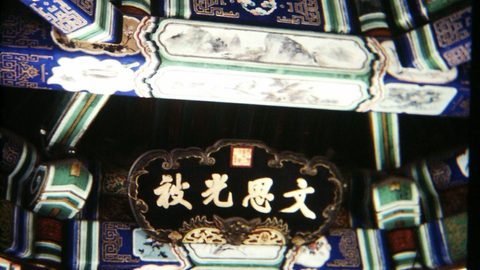 Summer Palace
The Summer Palace is vast and the wrong entrance adds an hour of walking. Use the East Palace Gate and plan for at least four hours.
Summer Palace
The Summer Palace is vast and the wrong entrance adds an hour of walking. Use the East Palace Gate and plan for at least four hours.