What to Prioritise in Beijing, and What to Skip
The Forbidden City and Great Wall are essential, but Beijing's meaning lives in temple courtyards, hutong lanes and food streets. Here is what earns your days.
The Mistake That Costs You a Day in Beijing
Most visitors arrive in Beijing with a list of famous names and no ranking system. They spend half a Wednesday queueing for a noodle chain they could have found at home, then rush through a temple complex in 45 minutes because they are exhausted. The problem is not time. It is which experiences you trade your hours for. Beijing operates on a scale that exhausts even prepared travellers. Distances between sights are vast. The grid layout means endless walking. Crowd density is a constant mental drain. You cannot see everything. You should not try. This page makes hard choices for you.
Non-Negotiable: the Forbidden City but Only If You Do it Right
Plan for the Scale
The Forbidden City is the largest palace complex on earth and it will demand three to four hours of your life. It is non-negotiable. But you need to approach it with a specific mental frame. Do not expect intimacy. You will be one of tens of thousands of people moving through courtyards that were designed for a handful of eunuchs and one emperor. The experience is not meditation. It is a marathon of scale. The reward is the architectural logic of power: the way each hall grows larger as you walk south to north, the deliberate vertigo of the endless rooflines. The rest of Beijing is a collision of imperial grandeur and brusque modernity. The Forbidden City is where that collision started. Book seven days ahead, bring your passport, and accept that you will not see every hall. Pick a route, stick to it, and leave for Jingshan Park.

Jingshan Park is the Best Value in Beijing
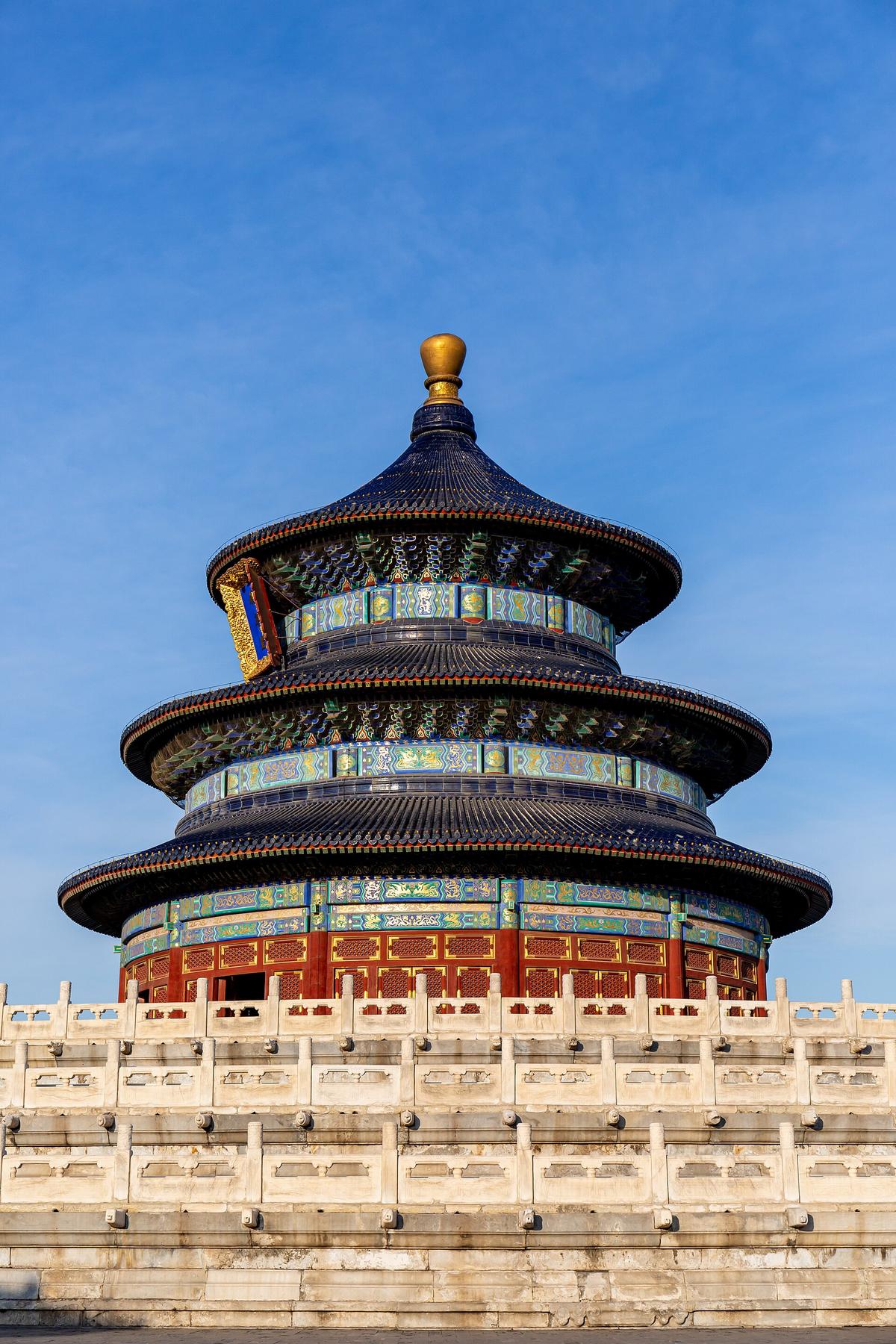
Jingshan Park takes 20 minutes and delivers the single most recognisable image of Beijing: the Forbidden City roofs stretching south under your feet, the tower blocks of the central business district rising behind them. The hill is a pile of dirt excavated from the palace moat, so the climb is gentle. No booking is required. No queue exists. You walk up, take the shot, and leave. That is the entire transaction. It is also the best place to understand why Beijing feels like it does: a Ming-dynasty geomantic gesture meets a 21st-century skyline, separated by a few hundred metres of grey tile. Do not skip this for the CCTV Headquarters, which has no public access and exists only as a photo of a building you cannot enter.
The Great Wall Demands a Full Day and the Right Section
Choosing a Section
The Great Wall is not a morning activity you squeeze between breakfast and the Summer Palace. The nearest restored section, Mutianyu, is 1.5 hours from central Beijing by pre-booked car or bus. Combine that with the hike and the return trip and you are looking at a full day. That is fine. It is worth it. But you need to choose your section carefully. Mutianyu is restored, has a toboggan down, and is the sensible choice for first-timers. Jinshanling is semi-wild, requires a 2.5-hour drive, and rewards you with a quieter hike over crumbled sections. Jiankou is wild, unrestored, and technically illegal to climb. Skip Jiankou unless you have climbing experience and a disregard for Chinese park regulations. The common mistake is trying to do the Forbidden City and Tiananmen Square on the same morning as the Great Wall. It only works if you want to photograph both from the entrance and leave.
Which Famous Sights to Skip
Wangfujing Snack Street is a novelty trap. It exists for tourists who want to photograph fried scorpions on a stick and then never eat them. The food is overpriced, the crowd is oppressive, and the real street food in Beijing happens after 10pm from Uighur vendors selling lamb skewers in hutongs you will not find on a map. Skip it entirely. The CCTV Headquarters is a spectacular piece of architecture by Rem Koolhaas. It also has no public access. You can stand outside and take a photo. That is the entire experience. Do not waste a metro ride to Chaoyang for it. Tiananmen Square requires a passport and a security queue, and on most days it is a vast expanse of concrete with nothing happening. If you want to see it, walk through on your way to the Forbidden City. Do not allocate it as a separate activity.
Sights That Deliver More Than Their Fame Suggests
Temples and Towers
The Lama Temple is an active Tibetan Buddhist temple where the incense clouds are thick enough to sting your eyes. It is loud, crowded, and genuinely spiritual in a way that the Forbidden City never manages. The 18-metre sandalwood Buddha inside the main hall is the largest of its kind in the world. Next door, the Confucius Temple is a quiet courtyard escape where the cypress trees are seven centuries old and the crowd thins to a murmur. These two together take about 90 minutes and cost a fraction of the Forbidden City. The Drum and Bell Towers offer a hutong rooftop view that rivals Jingshan but requires steep stairs. The Capital Museum is less crowded than the National Museum and does not demand a passport booking three days in advance. It is where Beijing residents go to see their own history.
Food That Justifies the Trip and Food That Does Not
The Meals Worth Scheduling
Beijing roast duck is the meal you schedule. Quanjude is the historic choice and Siji Minfu is where locals prefer to go. Book ahead for both. Zhajiangmian, hand-pulled noodles with fermented soybean paste, is best found in hutong hole-in-the-wall shops where the cook does not speak English and the menu is written on a whiteboard. Mongolian hotpot at Haidilao or a local chain is a communal, spicy, two-hour affair that requires patience and a willingness to share a bubbling pot of broth. Douzhi, the fermented mung bean drink that is grey-green and tastes like a pond smells, is an acquired taste found at Huguosi Xiaochi. Try it once. You will either love it or you will have a story. Jianbing, the savoury breakfast crepe, disappears by 9am from street carts. If you want it, wake up early. Imperial court cuisine at Fangshan Restaurant in Beihai Park recreates Qing dynasty banquet dishes. It is expensive, slow, and fascinating. Order the set menu and surrender to the pace.
.jpg)
The Real Friction of Travel in Beijing
Money, Toilets, and Movement
Cash is nearly useless. Vendors expect WeChat Pay or Alipay, and foreign cards fail unpredictably even where accepted. Public toilets in tourist sites and hutongs are often squat-style with no soap or toilet paper. Carry both. Distances on maps deceive. A nearby sight can be a 30-minute walk across a ten-lane road with no crossing point. Taxi drivers rarely speak English and may refuse short fares. Have your destination written in Chinese characters.
Air and the Metro
Air quality can hit hazardous levels between November and February with less than 24 hours notice. Check the air quality index before you plan an outdoor day. Metro station transfers can involve 10 to 15 minute underground walks, and the metro stops running around 22:30 to 23:00 depending on the line. The last train is earlier than you think.
When to Come and When to Stay Home
April to May and September to October offer tolerable temperatures and blue skies. The first week of October is National Day and brings crushing domestic tourism to every major site. Avoid it. Chinese New Year, in late January or February, means millions leave but millions arrive for temple fairs, many restaurants close, and the city feels both packed and shut. Summer from July to August brings 35°C heat with humidity, and queues that can hit two hours. Winter is biting cold but the sites are empty. If you can handle the cold and the air quality risk, winter is the time for the Forbidden City without the crowd. Minimum days for a meaningful trip is four full days. Any less and you are only ticking the Forbidden City and Great Wall while missing the neighbourhoods that give the city meaning.
What to Do Right Now
Decide which Great Wall section you will visit and block an entire day for it. Then book your Forbidden City tickets exactly seven days before your visit. Everything else slots into the gaps between those two anchors. The Beijing that rewards you is the one you make time for by skipping the things that do not deliver.
Common Questions
Is the Forbidden City worth the crowd?
Yes, but only if you mentally accept the density. The experience is not serene. It is a walk through the architectural logic of absolute power. Go early, pick a route, and do not try to see every hall. Leave for Jingshan Park when you feel the crowd closing in.
Can I visit the Great Wall and the Forbidden City on the same day?
No. The Forbidden City alone takes three to four hours and the nearest Great Wall section is 1.5 hours away. Doing both on the same day means you photograph both from the entrance and leave. That is a waste of both sites.
Is Wangfujing Snack Street worth visiting?
No. It is a novelty trap for tourists who want to photograph fried scorpions. The real street food in Beijing comes from Uighur vendors selling lamb skewers in hutongs after 10pm. Skip Wangfujing entirely.
Which is the best Great Wall section for a first-time visitor?
Mutianyu. It is restored, has a toboggan down, and is 1.5 hours from central Beijing. Jinshanling is quieter but requires a 2.5 hour drive. Jiankou is wild and technically illegal to climb. Go to Mutianyu.
Can I see the CCTV Headquarters building?
You can stand outside and take a photo. The building has no public access. Do not waste a metro ride to Chaoyang for it. The photo is not worth the trip.
Read next
-
 Beijing Hotels by Price Band and Property Type
Beijing hotels split into hutong courtyards, international chains and functional business towers. Here is what each price band actually buys you.
Beijing Hotels by Price Band and Property Type
Beijing hotels split into hutong courtyards, international chains and functional business towers. Here is what each price band actually buys you.
-
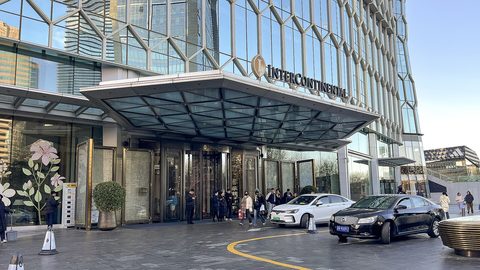 Where to Stay in Beijing by District and Travel Style
Dongcheng puts you beside the Forbidden City, Chaoyang beside the nightlife. Here is how Beijing's districts compare for different travellers.
Where to Stay in Beijing by District and Travel Style
Dongcheng puts you beside the Forbidden City, Chaoyang beside the nightlife. Here is how Beijing's districts compare for different travellers.
-
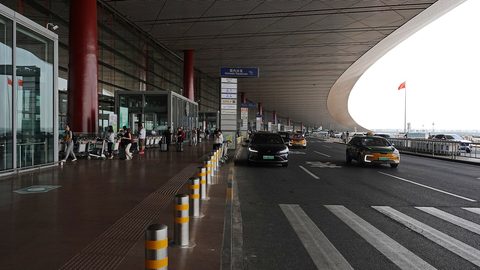 Beijing Flights PEK vs PKX Which Airport Actually Works for You
PEK or PKX? What each Beijing airport costs you in time, money, and logistical friction depending on where you are staying.
Beijing Flights PEK vs PKX Which Airport Actually Works for You
PEK or PKX? What each Beijing airport costs you in time, money, and logistical friction depending on where you are staying.
-
 Best Time to Visit Beijing, Month by Month Tradeoffs
April and October bring blue skies and queues, July brings heat, January brings empty sites and hazardous air. Here is Beijing month by month.
Best Time to Visit Beijing, Month by Month Tradeoffs
April and October bring blue skies and queues, July brings heat, January brings empty sites and hazardous air. Here is Beijing month by month.
-
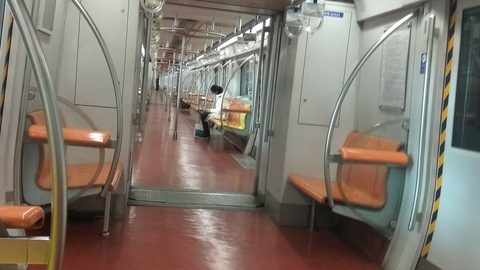 Getting Around Beijing Without Losing Half Your Day
Beijing's metro is clean and cheap but stops early, and taxis rarely speak English. Here is how to move around without burning half your day.
Getting Around Beijing Without Losing Half Your Day
Beijing's metro is clean and cheap but stops early, and taxis rarely speak English. Here is how to move around without burning half your day.
-
 A 4 Day Beijing Itinerary That Leaves Things Out
Four days in Beijing, ordered by geography so you are not crossing the city twice. This itinerary leaves out famous sights on purpose.
A 4 Day Beijing Itinerary That Leaves Things Out
Four days in Beijing, ordered by geography so you are not crossing the city twice. This itinerary leaves out famous sights on purpose.
-
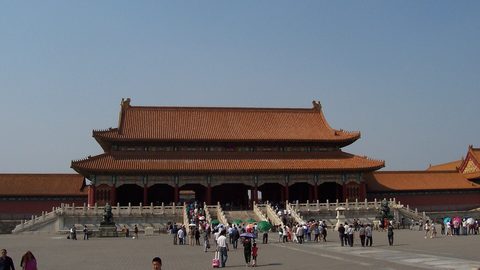 Forbidden City
 tickets require booking seven days ahead on WeChat with a passport. Here is the route to take once you are inside to avoid wasting the visit.
Forbidden City
Forbidden City tickets require booking seven days ahead on WeChat with a passport. Here is the route to take once you are inside to avoid wasting the visit.
-
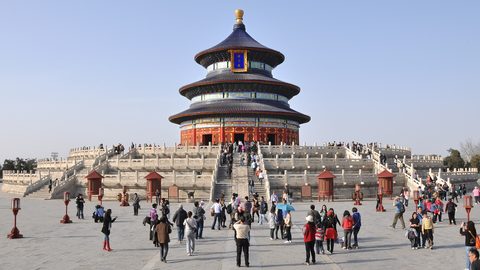 Temple of Heaven
The Temple of Heaven park matters as much as the temple. Morning tai chi, choirs, and card players make it a Beijing ritual worth a full morning.
Temple of Heaven
The Temple of Heaven park matters as much as the temple. Morning tai chi, choirs, and card players make it a Beijing ritual worth a full morning.
-
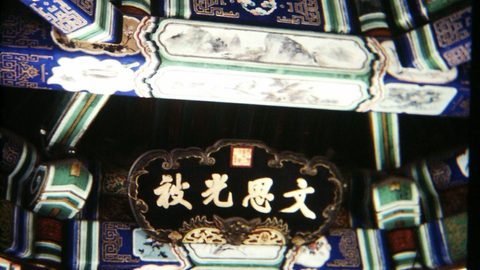 Summer Palace
The Summer Palace is vast and the wrong entrance adds an hour of walking. Use the East Palace Gate and plan for at least four hours.
Summer Palace
The Summer Palace is vast and the wrong entrance adds an hour of walking. Use the East Palace Gate and plan for at least four hours.