When Beijing Actually Feels Worth the Effort
April and October bring blue skies and queues, July brings heat, January brings empty sites and hazardous air. Here is Beijing month by month.
Beijing in February: the Great Wall is Empty, but Your Throat Will Burn
You are standing on the Mutianyu Great Wall in February with a windchill of minus 15°C. There is nobody in front of you and nobody behind you. The wall stretches into a grey haze that might be fog or might be coal smoke from the nearest village. This is the tradeoff you chose. Beijing delivers its quietest moments in winter, but it also delivers air quality readings that can hit hazardous levels between November and February with less than 24 hours' notice. Every month in this city forces you to pick a downside. Here is the honest breakdown of what each one costs you.
Why No Month is Perfect
Beijing operates on a scale that exhausts even prepared travellers. Distances between sights are vast. The grid layout means endless walking. The city is a collision of imperial grandeur and brusque modernity where history gets bulldozed overnight, yet pockets of hutong life persist with genuine warmth. Visitors consistently underestimate the mental drain of constant crowd density. Minimum four full days is what you need. Any less and you are only ticking the Forbidden City and the Great Wall while missing the neighbourhoods that give the city meaning.
Getting Around the City
The metro is your backbone. It is clean, extensive, signage is in English, and rides cost ¥3 to ¥9. You need a Yikatong transport card or an Alipay transport QR code. Single-ticket machines exist but the queues are long. One thing that trips visitors up: station transfers can involve 10 to 15 minute underground walks, and the metro stops running around 22:30 to 23:00 depending on the line.

.jpg)
The Two Windows You Really Should Avoid
Two weeks every year turn Beijing into a planning disaster. The first week of October is National Day Golden Week. The crowds at the Forbidden City hit crushing levels. Domestic tourism swamps every major site. The second window is Chinese New Year, which falls in late January or February depending on the lunar calendar. Millions of people leave the city but millions arrive for temple fairs. Many restaurants close, and the city feels both packed and shut at the same time. If your dates are flexible, skip these two periods entirely.
| Month | Temperature Range | Crowd Density | Air Quality Risk | The Tradeoff |
|---|---|---|---|---|
| January | -8°C to 2°C | Low | High | Empty sites for biting cold and hazardous air days without notice. |
| February | -5°C to 5°C | Low to Medium | High | Chinese New Year crowds plus restaurant closures if the dates align. |
| March | 2°C to 13°C | Medium | Medium | Warming up but spring dust storms arrive; photo skies are rare. |
| April | 10°C to 22°C | High | Low to Medium | Best blue skies of the year but you queue for everything. |
| May | 16°C to 28°C | Very High | Low | Tolerable heat, worst crowds outside Golden Week. Book Forbidden City 7 days ahead. |
| June | 21°C to 32°C | High | Medium | Summer kicks in. Humidity rises. Queues at the Great Wall hit 1 hour. |
| July | 24°C to 35°C | Very High | Medium | 35°C heat with humidity. 2-hour queues at the Forbidden City. Exhausting. |
| August | 23°C to 33°C | Very High | Medium | Same as July. Carry two litres of water per person. |
| September | 17°C to 28°C | High | Low | Second golden window. Skies clear, temperatures drop. Crowds peak. |
| October | 9°C to 20°C | Extreme | Low | First week is National Day. Avoid it. After the 8th, the city breathes. |
| November | 1°C to 11°C | Low | High | Cheap hotels, empty museums, but hazardous air days begin. |
| December | -6°C to 2°C | Low | High | Lowest prices of the year, coldest walking, worst air. |
April, May, September and October: the Peak Season Tradeoff
These four months exist as peak season for a reason. Temperatures are tolerable. Blue skies appear more often than not. But you pay in crowd density. In April and May and again in September and October, the Forbidden City requires you to book 7 days ahead on the WeChat mini-program with your passport number. Without that booking, you are not getting in. The Temple of Heaven and Summer Palace also need advance bookings. The Great Wall at Mutianyu, the restored section with the toboggan ride, books up days ahead. Show up without a reservation and you are looking at a 90-minute wait at the ticket office or a wasted 1.5-hour drive each way.
What Happens Without a Booking
Failure case: you arrive in April without a Forbidden City booking. You have two options. Jingshan Park requires no booking and gives you the hilltop view over the Forbidden City roofs. The Confucius Temple next to the Lama Temple is a quiet courtyard escape. Neither replaces the Forbidden City, but both are open without a reservation. Learn from this and book ahead.
Summer: 35°C, Humidity and Two-Hour Queues
July and August in Beijing mean 35°C heat with humidity that sits on your chest. The queues at the Forbidden City can hit 2 hours. The Great Wall at Mutianyu is a sweaty 90-minute bus ride followed by 2 hours of climbing in direct sun. The only advantage is that daylight runs long, giving you 13 hours of sightseeing time if you start at 7am. Do not try the Forbidden City and Tiananmen Square on the same morning as the Great Wall. The Forbidden City alone takes 3 to 4 hours, and the nearest Great Wall section is 1.5 hours away. That combination only works if you want to photograph both from the entrance and leave.
A Workable Summer Day
What works in summer: start your day at 7am at the Temple of Heaven to see the morning pensioner choirs and tai chi. Then head to the Summer Palace, the vast imperial lakeside escape, before the heat peaks at noon. Spend the hottest hours in the National Museum of China, which requires booking 3 days ahead and your passport. By 5pm, head to the 798 Art District in the Bauhaus factory complex. By 8pm, the street vendors selling chuanr lamb skewers appear in the hutongs and the temperature finally drops below 30°C.
Winter: Empty Sites, Biting Cold and Hazardous Air
November through February is the cheapest time to visit and the most empty. The Forbidden City in January has a fraction of the April crowd. Hotels drop their rates. The Great Wall at Jinshanling, the semi-wild section 2.5 hours from the city, can feel like your private ruin. But the air quality can hit hazardous levels with less than 24 hours' notice. On those days, the indoor options become critical. The Capital Museum is less crowded than the National Museum and does not require booking as far ahead. The Lama Temple is active Tibetan Buddhist, incense everywhere, and the enclosed courtyards protect you from the wind. The underground chamber at the Ming Tombs, 50km north, stays at a steady temperature year-round.
When the Air Turns Dangerous
Failure case: you wake up in January and the air quality index is above 250. Do not go outside. Spend the morning at the Capital Museum, eat zhajiangmian noodles at a hutong hole-in-the-wall, and go to the underground shopping malls around the Drum and Bell Towers. The air will clear in a day or two. Do not force the Great Wall on a hazardous air day. It is not worth it.
The Local Friction That Applies Every Month
Cash is nearly useless in Beijing. Vendors expect WeChat Pay or Alipay, and foreign cards fail unpredictably even where accepted. Set this up before you arrive. Public toilets in tourist sites and hutongs are often squat-style with no soap or toilet paper. Carry both. Distances on maps deceive you. A sight that looks nearby on the screen can be a 30-minute walk across a 10-lane road with no crossing point. Taxi drivers rarely speak English and may refuse short fares. Have every destination written in Chinese characters.
Airport Transfers
The airport options: from Beijing Capital Airport, the Airport Express train goes to Dongzhimen in 25 minutes for ¥25, then transfer to the metro or a taxi. A taxi from PEK to central Beijing costs roughly ¥100 to ¥150 and takes 45 to 70 minutes without traffic. From Beijing Daxing Airport, the Daxing Airport Express goes to Caoqiao in 20 minutes for ¥35. A taxi from PKX costs roughly ¥200 and takes over 60 minutes.
Avoid the Common Mistake That Wastes Your Whole Day
The most common mistake visitors make in Beijing is trying to do the Forbidden City and Tiananmen Square on the same morning as the Great Wall. The Forbidden City alone takes 3 to 4 hours. The nearest Great Wall section is 1.5 hours away. That combination only works if you want to photograph both from the entrance and leave. Do not try it. Give the Forbidden City its own morning, then head to Jingshan Park for the rooftop view. Give the Great Wall its own full day, starting early enough to beat the 10am bus crowds.
Who This City is for and Who it is Not
Beijing works for history obsessives who want depth over charm, food travellers willing to chase specific dishes across the city, solo travellers comfortable with logistical friction, repeat China visitors ready for the mega-city experience, and winter travellers who can handle biting cold for empty sites. It does not work for first-time Asia travellers seeking a gentle introduction, people who need green space and spontaneity, travellers on tight budgets who still want central accommodation, or anyone expecting a storybook old China atmosphere without concrete and flyovers. The single thing that most often goes wrong here is arriving without bookings and finding the Forbidden City sold out, the air quality hazardous, and the taxi driver unable to understand your destination.
Common Questions
What is the single worst month to visit Beijing for crowds?
October, specifically the first week during National Day Golden Week. Domestic tourism swamps every major site. The Forbidden City sells out days in advance. Avoid this window entirely if you can.
Is the air quality in Beijing really that bad in winter?
Yes. November through February, air quality can hit hazardous levels with less than 24 hours' notice. On bad days, the reading can exceed 250. Check the air quality index each morning and have an indoor backup plan.
How many days do I need in Beijing?
Four full days minimum. Any less and you only see the Forbidden City and the Great Wall while missing the hutongs, the food scene, and the neighbourhoods that give the city meaning.
Do I need to book the Forbidden City in advance?
Yes, 7 days ahead on the WeChat mini-program. You need your passport number. Without a booking, you are not getting in during peak season. In winter, you might find same-day tickets but do not count on it.
Should I visit the Great Wall at Mutianyu or Jinshanling?
Mutianyu is 1.5 hours away, restored, with a toboggan ride down. Jinshanling is 2.5 hours away, semi-wild, and better for hikers who want fewer people. Jiankou is wild and unrestored and technically illegal to climb.
Read next
-
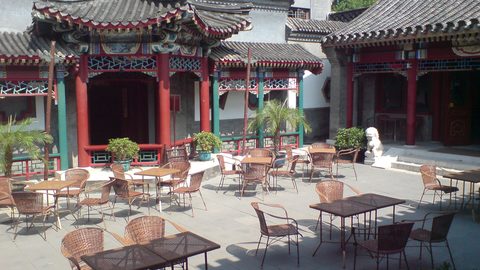
 Beijing Hotels by Price Band and Property Type
Beijing hotels split into hutong courtyards, international chains and functional business towers. Here is what each price band actually buys you.
Beijing Hotels by Price Band and Property Type
Beijing hotels split into hutong courtyards, international chains and functional business towers. Here is what each price band actually buys you.
-
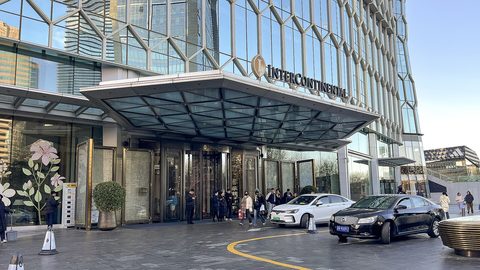 Where to Stay in Beijing by District and Travel Style
Dongcheng puts you beside the Forbidden City, Chaoyang beside the nightlife. Here is how Beijing's districts compare for different travellers.
Where to Stay in Beijing by District and Travel Style
Dongcheng puts you beside the Forbidden City, Chaoyang beside the nightlife. Here is how Beijing's districts compare for different travellers.
-
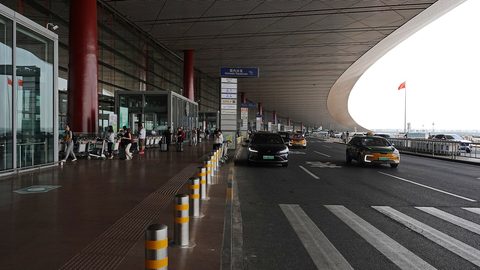 Beijing Flights PEK vs PKX Which Airport Actually Works for You
PEK or PKX? What each Beijing airport costs you in time, money, and logistical friction depending on where you are staying.
Beijing Flights PEK vs PKX Which Airport Actually Works for You
PEK or PKX? What each Beijing airport costs you in time, money, and logistical friction depending on where you are staying.
-
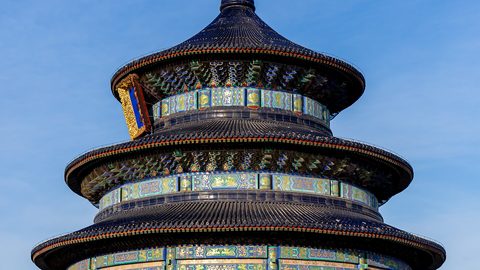 Beijing Things to Do Worth Your Limited Days
The Forbidden City and Great Wall are essential, but Beijing's meaning lives in temple courtyards, hutong lanes and food streets. Here is what earns your days.
Beijing Things to Do Worth Your Limited Days
The Forbidden City and Great Wall are essential, but Beijing's meaning lives in temple courtyards, hutong lanes and food streets. Here is what earns your days.
-
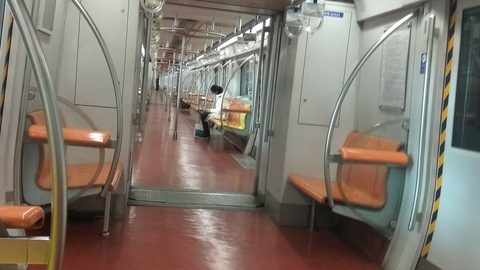 Getting Around Beijing Without Losing Half Your Day
Beijing's metro is clean and cheap but stops early, and taxis rarely speak English. Here is how to move around without burning half your day.
Getting Around Beijing Without Losing Half Your Day
Beijing's metro is clean and cheap but stops early, and taxis rarely speak English. Here is how to move around without burning half your day.
-
 A 4 Day Beijing Itinerary That Leaves Things Out
Four days in Beijing, ordered by geography so you are not crossing the city twice. This itinerary leaves out famous sights on purpose.
A 4 Day Beijing Itinerary That Leaves Things Out
Four days in Beijing, ordered by geography so you are not crossing the city twice. This itinerary leaves out famous sights on purpose.
-
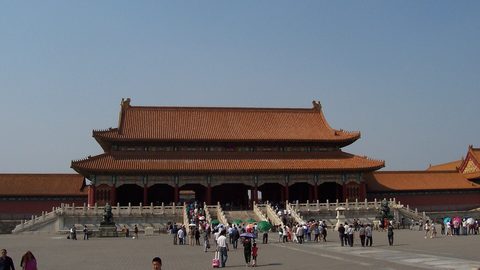 Forbidden City
 tickets require booking seven days ahead on WeChat with a passport. Here is the route to take once you are inside to avoid wasting the visit.
Forbidden City
Forbidden City tickets require booking seven days ahead on WeChat with a passport. Here is the route to take once you are inside to avoid wasting the visit.
-
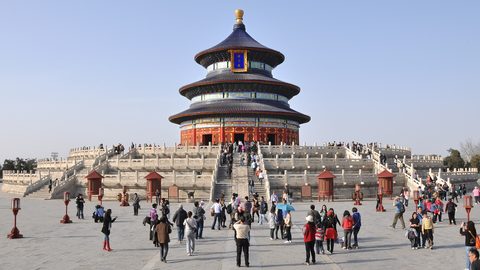 Temple of Heaven
The Temple of Heaven park matters as much as the temple. Morning tai chi, choirs, and card players make it a Beijing ritual worth a full morning.
Temple of Heaven
The Temple of Heaven park matters as much as the temple. Morning tai chi, choirs, and card players make it a Beijing ritual worth a full morning.
-
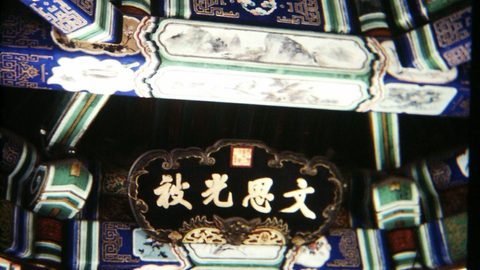 Summer Palace
The Summer Palace is vast and the wrong entrance adds an hour of walking. Use the East Palace Gate and plan for at least four hours.
Summer Palace
The Summer Palace is vast and the wrong entrance adds an hour of walking. Use the East Palace Gate and plan for at least four hours.