What to Eat in Beijing, and Where Each Dish Comes From
Beijing food means roast duck, hand-pulled noodles, cumin lamb skewers and breakfast crepes that vanish by 9am. Here is what to chase and where.
What Most Visitors Get Wrong About Beijing Food
You land in Beijing expecting a single coherent cuisine you can tick off in three meals. A roast duck, some dumplings, done. The reality is harder and better. Beijing food is a scavenger hunt across a city that operates on a scale that exhausts even prepared travellers. Distances between sights are vast. The grid layout means endless walking. The dishes that define this city are not found in one neighbourhood or one restaurant. They are scattered across hutongs that get bulldozed overnight, street carts that vanish by 9am, and Uighur grills that only smoke after 10pm. Chase them. That is the point.
Beijing Roast Duck: the One Dish Worth the Argument
Skip Quanjude, Book Siji Minfu
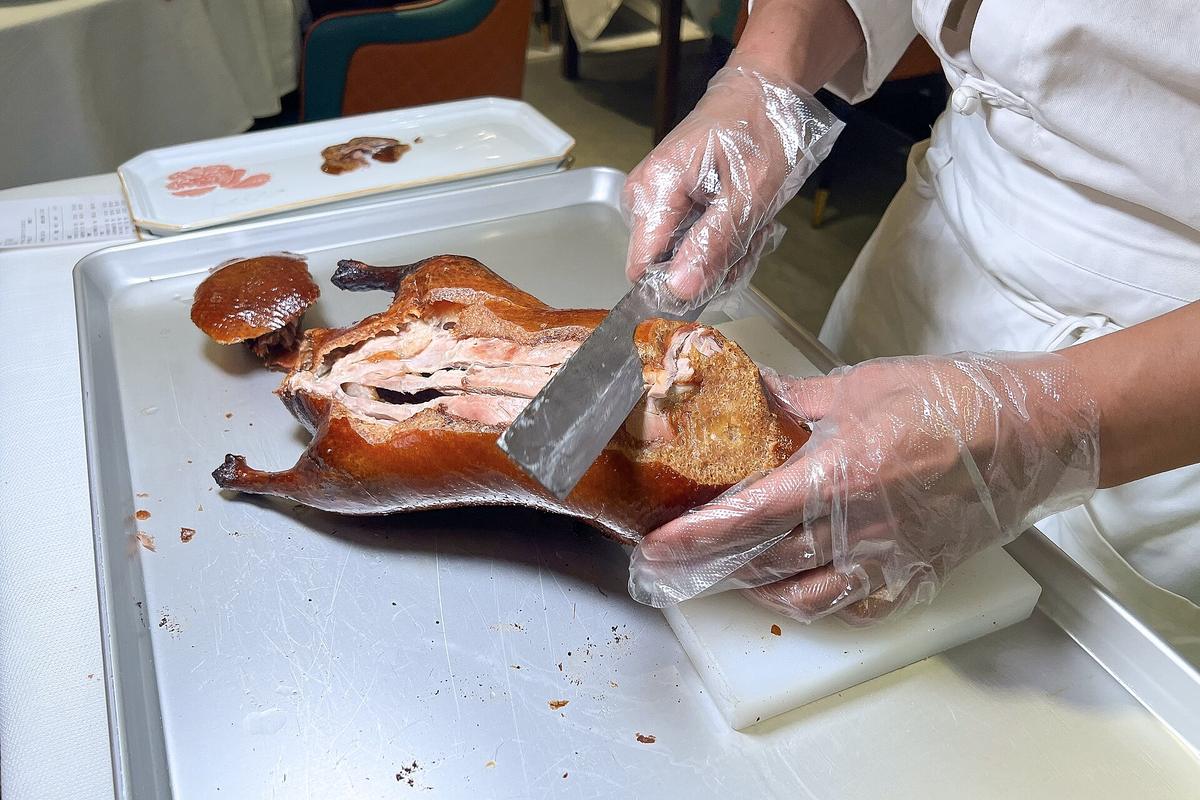
Every visitor wants roast duck. The mistake is thinking one restaurant settles it. Quanjude is the historic name, a brand that serves a perfectly competent bird in dining rooms that feel like banquet halls from a state visit. It is fine. It is famous. It is not where locals go. Siji Minfu is. The difference is a thinner, crispier skin, a darker lacquer, and a price that does not feel like a tourist tax. Book ahead at both. Both serve the same ritual: carved tableside, wrapped in thin pancakes with spring onion and sweet bean sauce.
Book Siji Minfu near Dongsi. The duck is drier, the skin shatters, and the queue tells you everything. If you only have one dinner in Beijing, skip Quanjude. Go to Siji Minfu. Eat the duck. Then order a second one.
.jpg)
Zhajiangmian, Jianbing, and the Geography of a Beijing Day
Zhajiangmian: Eat It Standing
Zhajiangmian is the city's real working dish. Hand-pulled noodles tangled in a dark, salty fermented soybean paste, topped with shredded cucumber and soybeans. It looks brown and ugly. It tastes like decades of hutong kitchens. Find the hole-in-the-wall shops in the alleys around Gulou, where the cook pulls the noodles to order and the paste has been simmering since breakfast. No English menus. No chairs sometimes. Eat it standing. That is correct.
Jianbing: Catch It Before 9am
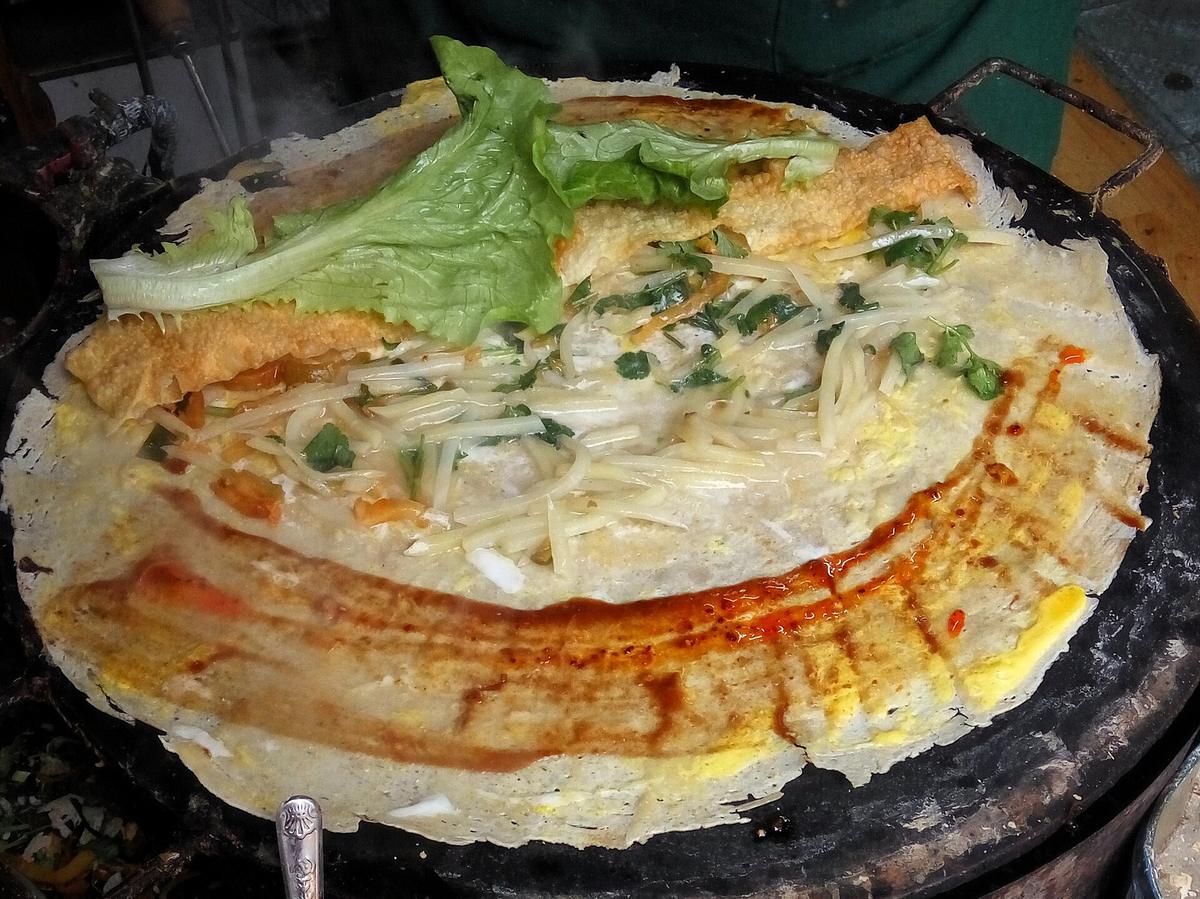
Jianbing is the morning chase. A thin crepe spread on a hot griddle, cracked egg, crispy fried cracker, cilantro, chilli sauce, folded into a warm envelope. Street carts sell them until roughly 9am, then they disappear. Walk to the cart closest to your accommodation with a queue of locals. Do not look for a famous one. Look for the crowd.
Douzhi: Take the Test
Douzhi is the test. A fermented mung bean drink, grey-green, sour, vaguely grassy. It is an acquired taste that many never acquire. Go to Huguosi Xiaochi, a no-frills spot that has been serving it for decades. Order a bowl. Take one sip. If you like it, you will love Beijing. If you hate it, order the fried chive dumplings instead. No shame either way.
| Dish | Best Time To Eat | Neighbourhood To Target | What Makes It Worth Your Day |
|---|---|---|---|
| Beijing Roast Duck | Lunch or dinner, book ahead | Dongcheng near Dongsi | The definitive dish, but only if you pick the right restaurant |
| Zhajiangmian | Any meal, best before 2pm when paste is fresh | Hutongs around Gulou (Drum Tower) | Tastes like the old city that is disappearing |
| Jianbing | 7am to 9am, vanishes after | Any street cart with a local queue | The only breakfast worth waking up early for |
| Chuanr (Lamb Skewers) | After 10pm | Ghost Street (Guijie) or Uighur stalls near Niujie | Cumin and lamb fat over charcoal at midnight, communal and loud |
| Mongolian Hotpot | Dinner, plan 2 hours | Haidilao or local chain in Chaoyang | A slow, spicy, shared ritual, not a quick meal |
| Douzhi | Morning or early afternoon | Huguosi Xiaochi | The fermented test of your willingness to try anything once |

After Midnight and the Muslim Quarter
Chuanr: Eat After the Metro Stops
Chuanr is Beijing after dark. Lamb skewers, cumin-heavy, cooked over charcoal by Uighur vendors who set up after the metro stops running around 22:30 to 23:00. Ghost Street (Guijie) is the famous strip. Skip it. Head to the smaller stalls near Niujie, the Muslim quarter in Xicheng. The meat is halal, the bread is fresh, and the sesame cakes baked in clay ovens are worth the trip alone. Eat them hot. Eat them with your hands.
Niujie: Walk the Narrow Streets
Niujie itself deserves a detour for the lamb alone. The mosque anchors a neighbourhood of bakeries and butcher shops where the sesame cakes are still made by hand. Buy one. Split it. Walk the narrow streets. This is the part of Beijing that feels alive without trying to perform for tourists.
Mongolian Hotpot: Bring Friends
Mongolian hotpot is the opposite of street food. It is a two-hour communal affair. A bubbling pot of spicy broth, plates of raw lamb and beef, dipping sauces you mix yourself, and a lot of beer. Haidilao is the famous chain, but any local hotpot restaurant in Chaoyang will do. The key is the company. This is not a solo dish. Bring friends. Plan to stay.
Common Questions
Is Quanjude roast duck worth the hype?
No. It is historically significant but the duck is thicker skinned and pricier than Siji Minfu. Locals prefer the latter. Go to Quanjude for the story, not the best duck.
Where do I find the best jianbing in Beijing?
The cart outside your hutong with a queue of locals before 9am. Do not travel across the city for one. They are ubiquitous and the quality varies by griddle, not by name.
Is douzhi actually drinkable?
Some love it. Most visitors take one sip and switch to tea. Try it exactly once at Huguosi Xiaochi for the cultural experience. No one will judge you for not finishing it.
Can I eat Beijing food on a tight schedule?
Yes, but you will miss the point. The city requires 4 full days minimum. Trying to hit roast duck, jianbing, and hotpot in 48 hours means rushed meals and the wrong restaurants. Prioritise two dishes and do them well.
Read next
-
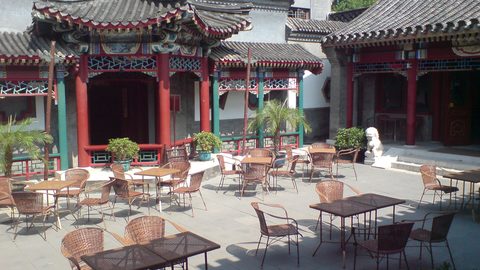
 Beijing Hotels by Price Band and Property Type
Beijing hotels split into hutong courtyards, international chains and functional business towers. Here is what each price band actually buys you.
Beijing Hotels by Price Band and Property Type
Beijing hotels split into hutong courtyards, international chains and functional business towers. Here is what each price band actually buys you.
-
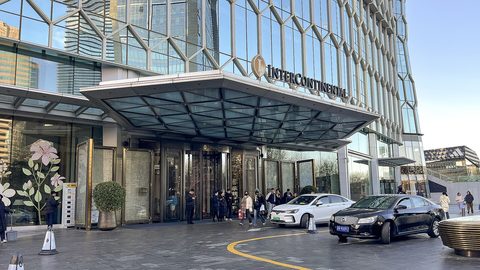 Where to Stay in Beijing by District and Travel Style
Dongcheng puts you beside the Forbidden City, Chaoyang beside the nightlife. Here is how Beijing's districts compare for different travellers.
Where to Stay in Beijing by District and Travel Style
Dongcheng puts you beside the Forbidden City, Chaoyang beside the nightlife. Here is how Beijing's districts compare for different travellers.
-
 Beijing Flights PEK vs PKX Which Airport Actually Works for You
PEK or PKX? What each Beijing airport costs you in time, money, and logistical friction depending on where you are staying.
Beijing Flights PEK vs PKX Which Airport Actually Works for You
PEK or PKX? What each Beijing airport costs you in time, money, and logistical friction depending on where you are staying.
-
 Beijing Things to Do Worth Your Limited Days
The Forbidden City and Great Wall are essential, but Beijing's meaning lives in temple courtyards, hutong lanes and food streets. Here is what earns your days.
Beijing Things to Do Worth Your Limited Days
The Forbidden City and Great Wall are essential, but Beijing's meaning lives in temple courtyards, hutong lanes and food streets. Here is what earns your days.
-
 Best Time to Visit Beijing, Month by Month Tradeoffs
April and October bring blue skies and queues, July brings heat, January brings empty sites and hazardous air. Here is Beijing month by month.
Best Time to Visit Beijing, Month by Month Tradeoffs
April and October bring blue skies and queues, July brings heat, January brings empty sites and hazardous air. Here is Beijing month by month.
-
 Getting Around Beijing Without Losing Half Your Day
Beijing's metro is clean and cheap but stops early, and taxis rarely speak English. Here is how to move around without burning half your day.
Getting Around Beijing Without Losing Half Your Day
Beijing's metro is clean and cheap but stops early, and taxis rarely speak English. Here is how to move around without burning half your day.
-
 Forbidden City
 tickets require booking seven days ahead on WeChat with a passport. Here is the route to take once you are inside to avoid wasting the visit.
Forbidden City
Forbidden City tickets require booking seven days ahead on WeChat with a passport. Here is the route to take once you are inside to avoid wasting the visit.
-
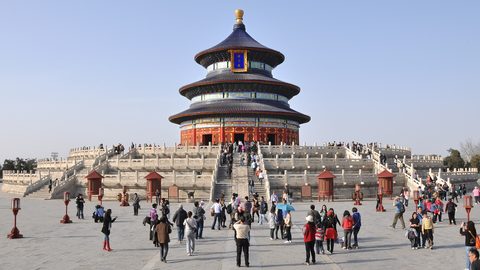 Temple of Heaven
The Temple of Heaven park matters as much as the temple. Morning tai chi, choirs, and card players make it a Beijing ritual worth a full morning.
Temple of Heaven
The Temple of Heaven park matters as much as the temple. Morning tai chi, choirs, and card players make it a Beijing ritual worth a full morning.
-
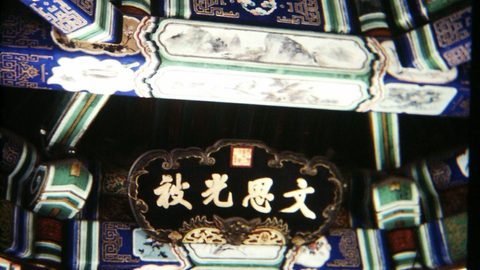 Summer Palace
The Summer Palace is vast and the wrong entrance adds an hour of walking. Use the East Palace Gate and plan for at least four hours.
Summer Palace
The Summer Palace is vast and the wrong entrance adds an hour of walking. Use the East Palace Gate and plan for at least four hours.