Choosing Between Beijing and Shanghai for Your First China Trip
Pick Beijing for imperial history and hutong depth if you can handle crowds and scale. Pick Shanghai for a softer first landing in China.
You are standing under the red lanterns of a hutong in Dongcheng at dusk. A woman is frying jianbing on a street cart, the savoury crepe sizzling in front of you as a bike bell rings from an alley too narrow for a car. Then a taxi driver honks because he cannot understand your destination. Your phone has no signal. The nearest metro entrance is a fifteen-minute walk across a ten-lane road. This is Beijing.
The answer is straightforward: pick Beijing if you want depth and are willing to be exhausted. Pick Shanghai if you want ease and surface charm. The decision turns on one thing: how much friction you are willing to accept for a richer reward.
Beijing is imperial history, logistical friction, and depth. Shanghai is concession-era glamour, ease, and surface-level charm. This is not a ranking. It is a personality test.

The Beijing Experience: Depth That Costs You
Book Ahead or Miss Out
Beijing operates on a scale that exhausts even prepared visitors. Distances between sights are vast. The grid layout means endless walking. The Forbidden City alone takes three to four hours. Book it seven days ahead on a WeChat mini-program with your passport. The nearest Great Wall section at Mutianyu is 1.5 hours away. Do not try to do both in one morning. That only works if you want to photograph each from the entrance and leave.
Where the Warmth Hides
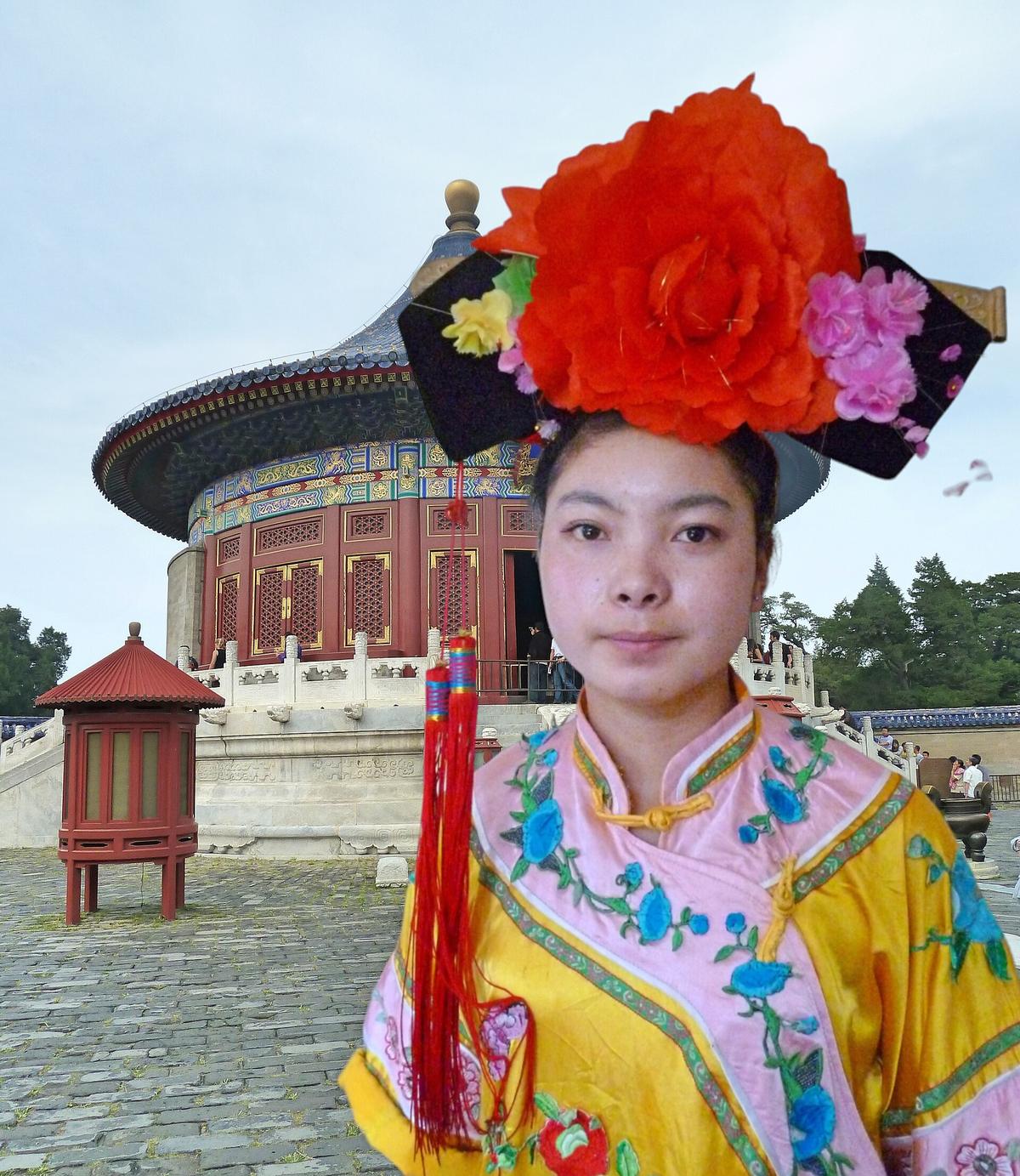
The city is a collision of imperial grandeur and brusque modernity. History gets bulldozed overnight here. Yet pockets of hutong life persist with genuine warmth. Find them in the noodle shops of Xicheng, in the morning pensioner choirs at the Temple of Heaven, in the lamb skewers from Uighur street vendors that appear after 10pm.
When to Go and What to Expect
Visitors underestimate the mental drain of constant crowd density. Aim for April to May or September to October for tolerable temperatures and blue skies. Avoid the first week of October. National Day brings crushing domestic tourism to every major site. Summer hits 35°C with humidity and queues that last two hours. Chinese New Year is a paradox: millions leave but millions arrive for temple fairs, many restaurants close, and the city feels both packed and shut.
Eat Like a Local, Pay Like a Local
Food lovers willing to chase specific dishes across the city will find Beijing rewarding. Order Beijing roast duck at Siji Minfu, where locals queue. Eat zhajiangmian in a hutong hole-in-the-wall. Hunt chuanr after 10pm. Grab jianbing before 9am. Try imperial court cuisine at Fangshan Restaurant in Beihai Park. This requires effort and a willingness to navigate cashless payment systems that reject foreign cards.
Survival Kit
Cash is nearly useless. Vendors expect WeChat Pay or Alipay. Foreign cards fail unpredictably even where accepted. Public toilets in tourist sites and hutongs are often squat-style with no soap or toilet paper. Carry both. Taxi drivers rarely speak English and may refuse short fares. Have your destination written in Chinese characters. Distances on maps deceive: a nearby sight can be a 30-minute walk across a ten-lane road with no crossing point. Air quality can hit hazardous levels November to February with less than 24 hours notice.
The metro is your backbone: clean, extensive, signage in English, ¥3 to ¥9 per ride. Station transfers can involve 10 to 15 minute underground walks. The metro stops running around 22:30 to 23:00 depending on the line. Get a transport card or Alipay transport QR code. Single-ticket machines exist but queues are long.
Give Beijing a minimum of four full days. Any less and you are only ticking the Forbidden City and Great Wall while missing the neighbourhoods that give the city meaning.
The Shanghai Experience: a Softer Landing
Ease Comes First
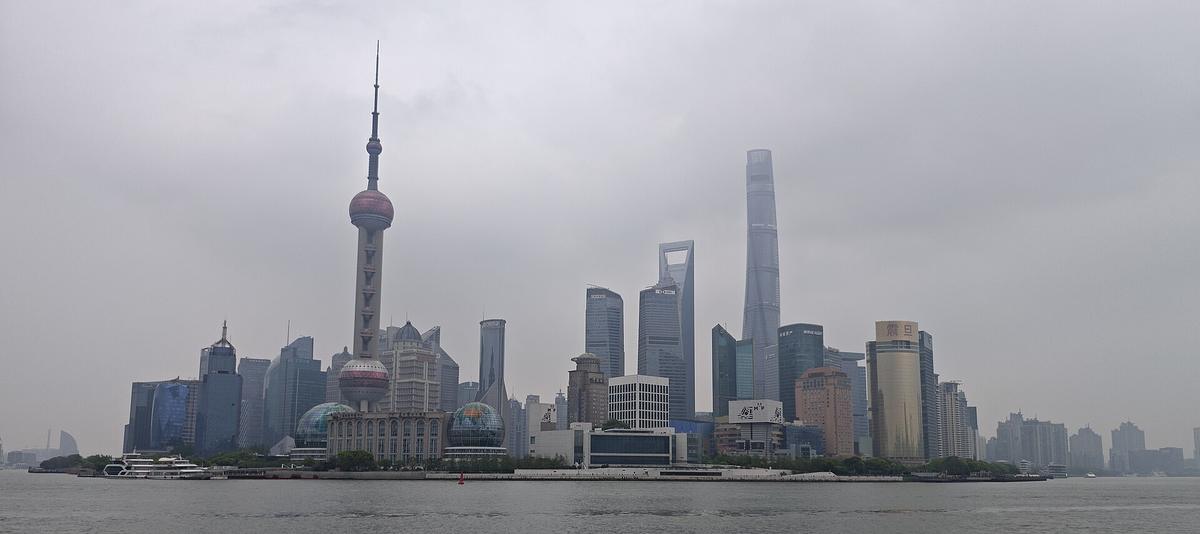
Shanghai is the opposite of Beijing in nearly every way. The city feels like a global metropolis first, a Chinese city second. Walk the Bund for a postcard view of concession-era architecture. The French Concession gives you tree-lined streets with coffee shops where English is widely spoken. Walking feels spontaneous here. Green space exists. The metro is efficient with shorter transfer walks.
Shanghai is a softer landing for first-time Asia visitors seeking a gentle introduction. The friction is lower. Spend a morning at Yu Garden and an afternoon in the French Concession without feeling like you crossed a county. English prevalence is higher. NFC payments work more reliably. The city feels manageable.
The Trade-Off
That ease has a cost. Shanghai can feel like any global city. The charm is surface-level. The concessions are beautiful but they are colonial architecture, not imperial history. The food scene is more international than deep. You will not find a dish that requires chasing it across three districts the way Beijing demands. The city offers less depth for the visitor who wants to dig.
Skip Shanghai if you are a history obsessive who wants to stand where emperors stood. Skip it if you are a food lover willing to spend an afternoon tracking down a specific noodle shop. Choose Shanghai if you want a comfortable, easy, and visually pleasing introduction to China.
| Factor | Beijing | Shanghai |
|---|---|---|
| Walkability | Low. Distances deceive. Sights separated by wide roads and long metro walks. | Moderate. French Concession and Bund areas walkable. Metro transfers shorter. |
| English Prevalence | Low. Taxi drivers rarely speak it. Signs in English at metro and major sites only. | Higher. Service staff and taxi drivers more likely to speak basic English. |
| Food Style | Deep and specific. Roast duck, zha jiang mian, jianbing, chuanr. Requires chasing dishes across the city. | International and accessible. More fusion and Western options. Less street food variety. |
| Crowd Density | Constant and draining. Major sites packed year round. Queues can hit 2 hours in summer. | Peak at The Bund and Yu Garden. More room to breathe in neighbourhoods. |
| Minimum Days | 4 full days minimum. Less means ticking sights only. | 3 full days. City is more compact and connected. |

Day Trips: the Edge Beijing Holds
Beijing offers day trips that Shanghai cannot match. The Great Wall at Mutianyu is 1.5 hours away. Pre-book a car or take a bus plus taxi. The semi-wild Jinshanling section is 2.5 hours by car. Chengde Mountain Resort is 2 hours by high-speed train. Cuandixia Village, a Ming-dynasty stone village, is 2.5 hours by car. Tanzhe Temple sits in the western hills, 1.5 hours away. Even Tianjin is only 30 minutes by high-speed train from Beijing South.
Shanghai has its own day trips: water towns like Zhujiajiao and Suzhou. None match the scale and significance of what Beijing offers outside the city limits. If your trip is about the depth that comes from seeing China beyond the urban core, Beijing wins by a wide margin.
The Verdict: Who This City Suits and Who it Does Not
Beijing suits the history obsessive who wants depth over charm. The food lover willing to chase specific dishes across the city. The solo visitor comfortable with logistical friction. The repeat China visitor ready for a mega-city experience. The winter visitor who can handle biting cold for empty sites.
Skip Beijing if you are a first-time Asia visitor seeking a gentle introduction. Skip it if you need green space and spontaneity. Skip it if you are on a tight budget but still want central accommodation. Skip it if you expect an old China atmosphere without concrete and flyovers.
Shanghai suits the first-time visitor to Asia who wants a comfortable landing. The visitor who prefers ease over depth. The visitor who wants to feel like they are in a global city that happens to be in China.
Skip Shanghai if you are a history seeker. Skip it if you are a food chaser. Skip it if you want to stand on the Great Wall and feel the weight of two thousand years.
Choose your friction level. Then choose your city.
Read next
-
 Beijing Hotels by Price Band and Property Type
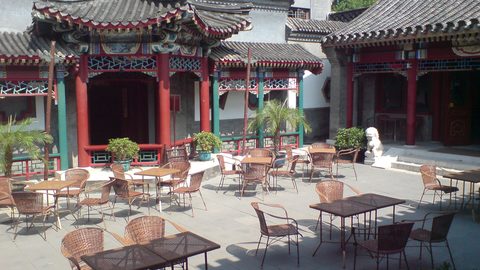
Beijing hotels split into hutong courtyards, international chains and functional business towers. Here is what each price band actually buys you.
Beijing Hotels by Price Band and Property Type
Beijing hotels split into hutong courtyards, international chains and functional business towers. Here is what each price band actually buys you.
-
 Where to Stay in Beijing by District and Travel Style
Dongcheng puts you beside the Forbidden City, Chaoyang beside the nightlife. Here is how Beijing's districts compare for different travellers.
Where to Stay in Beijing by District and Travel Style
Dongcheng puts you beside the Forbidden City, Chaoyang beside the nightlife. Here is how Beijing's districts compare for different travellers.
-
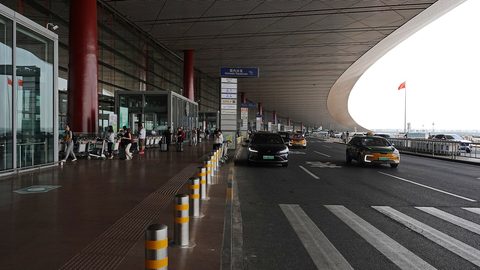 Beijing Flights PEK vs PKX Which Airport Actually Works for You
PEK or PKX? What each Beijing airport costs you in time, money, and logistical friction depending on where you are staying.
Beijing Flights PEK vs PKX Which Airport Actually Works for You
PEK or PKX? What each Beijing airport costs you in time, money, and logistical friction depending on where you are staying.
-
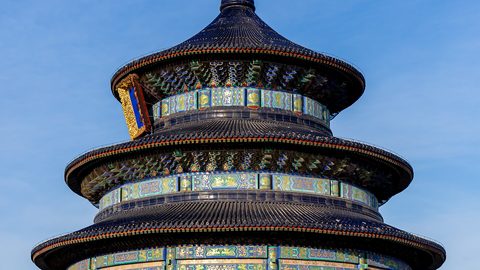 Beijing Things to Do Worth Your Limited Days
The Forbidden City and Great Wall are essential, but Beijing's meaning lives in temple courtyards, hutong lanes and food streets. Here is what earns your days.
Beijing Things to Do Worth Your Limited Days
The Forbidden City and Great Wall are essential, but Beijing's meaning lives in temple courtyards, hutong lanes and food streets. Here is what earns your days.
-
 Best Time to Visit Beijing, Month by Month Tradeoffs
April and October bring blue skies and queues, July brings heat, January brings empty sites and hazardous air. Here is Beijing month by month.
Best Time to Visit Beijing, Month by Month Tradeoffs
April and October bring blue skies and queues, July brings heat, January brings empty sites and hazardous air. Here is Beijing month by month.
-
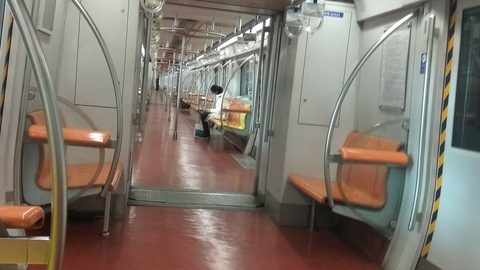 Getting Around Beijing Without Losing Half Your Day
Beijing's metro is clean and cheap but stops early, and taxis rarely speak English. Here is how to move around without burning half your day.
Getting Around Beijing Without Losing Half Your Day
Beijing's metro is clean and cheap but stops early, and taxis rarely speak English. Here is how to move around without burning half your day.
-
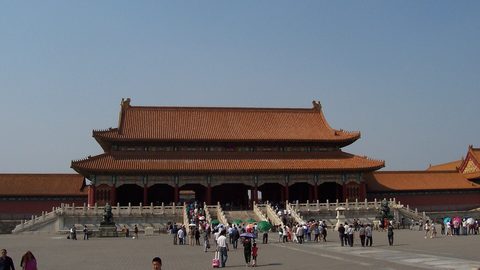 Forbidden City
 tickets require booking seven days ahead on WeChat with a passport. Here is the route to take once you are inside to avoid wasting the visit.
Forbidden City
Forbidden City tickets require booking seven days ahead on WeChat with a passport. Here is the route to take once you are inside to avoid wasting the visit.
-
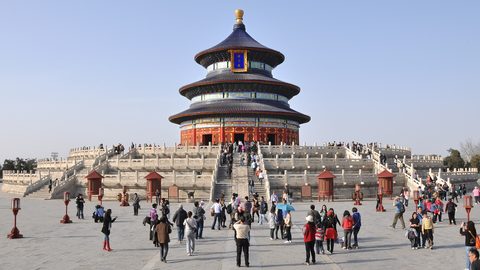 Temple of Heaven
The Temple of Heaven park matters as much as the temple. Morning tai chi, choirs, and card players make it a Beijing ritual worth a full morning.
Temple of Heaven
The Temple of Heaven park matters as much as the temple. Morning tai chi, choirs, and card players make it a Beijing ritual worth a full morning.
-
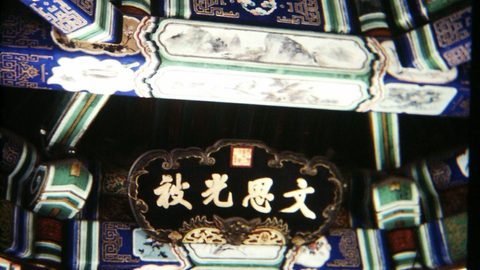 Summer Palace
The Summer Palace is vast and the wrong entrance adds an hour of walking. Use the East Palace Gate and plan for at least four hours.
Summer Palace
The Summer Palace is vast and the wrong entrance adds an hour of walking. Use the East Palace Gate and plan for at least four hours.