The Single Highest-Value Decision in Japanese Trip Planning
The Japan Rail Pass can save hundreds or cost more than single tickets depending on your route. Run the maths on a Tokyo-Kyoto-Osaka loop before buying.
The Single Highest-Value Decision in Japanese Trip Planning
Decide whether to buy a Japan Rail Pass before you land. That one call is worth at least ¥50,000. The pass turns a profit the moment you book a Tokyo Kyoto Osaka triangle plus one long day trip. It bleeds money if you stay inside one city or fly between hubs.
A 7 day Ordinary Japan Rail Pass costs ¥50,000. A reserved seat on the fastest service from Tokyo to Kyoto runs about ¥14,650 one way. Round trip: ¥29,300. Add Tokyo to Hiroshima round trip and you hit roughly ¥68,820. You are ahead by the cost of a very good dinner. That is the simple maths.
The Speed Trade Off
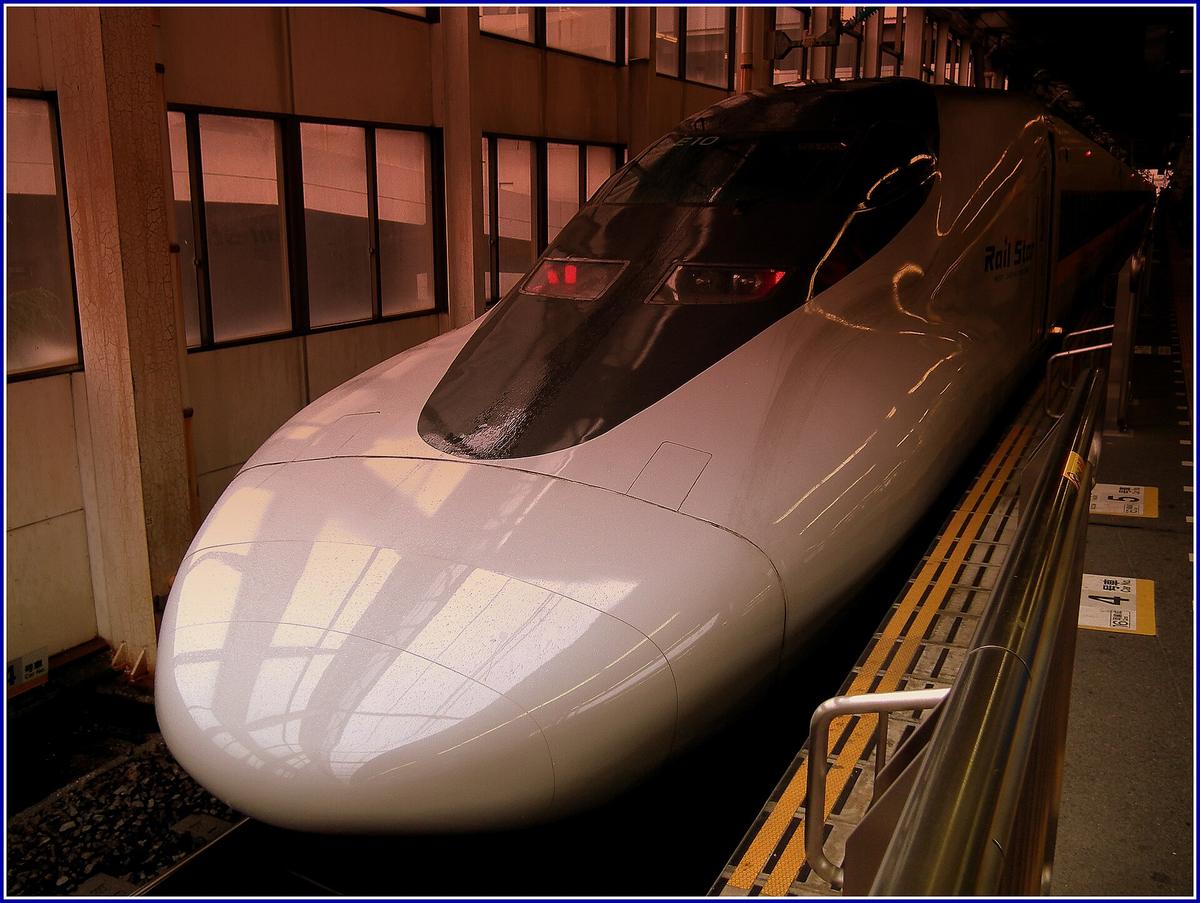
The catch is that the pass does not cover Nozomi or Mizuho trains. You ride the Hikari and Sakura services instead. They add roughly 30 minutes per leg. The Hikari from Tokyo to Kyoto takes about 2 hours 40 minutes. The Nozomi does it in 2 hours 10 minutes. You trade speed for savings.
.jpg)
When Single Tickets Beat the Pass
Fly into Osaka Kansai, spend five nights in Kyoto, and fly out of the same airport. You do not need a national pass. That trip uses zero bullet trains between cities. A 7 day pass costs ¥50,000 and buys you nothing you cannot get with a ¥1,000 IC card ride to Fushimi Inari.
The one city trip failure case: you pay ¥50,000 for what costs ¥3,000 in local fares. It is the most common mistake on this page.
Regional Passes That Actually Fit
For a Tokyo only itinerary, buy the JR Tokyo Wide Pass at ¥15,000 for 3 days. It covers the Narita Express, the Yamanote loop line, and day trips to Kamakura or Nikko. You do not need a national pass.
For a Kansai focused trip covering Osaka, Kyoto, Nara, and Himeji, buy the JR Kansai Wide Area Pass for ¥12,000 for 5 days. It includes the Haruka Express from the airport and the local bullet train to Himeji at 30 minutes from Osaka.
For the Tokyo Kyoto Osaka loop plus Hiroshima, the national pass wins. Plot your exact cities against the ¥50,000 threshold before you buy.
The IC Card Trap on the Shinkansen
Load a Suica or Icoca card for subways and buses. It works on local JR trains too. It does not work on the intercity bullet train. You need a separate paper ticket or a reserved seat booked through the Smart EX app or a JR ticket machine.
The exact failure: a traveller taps their Suica at the express gate expecting it to open. It does not. They miss their train. Walk to the midori no madoguchi ticket office and buy a ticket with cash or a credit card. Or pre book online and collect the ticket from a machine.
IC cards are for the Yamanote line in Tokyo, the subway in Osaka, and the bus to Kiyomizu dera. They are not for the high speed train between cities.
Oversized Luggage on the Tokaido Shinkansen: the Rear Row Rule
Measure your bag. Add height, width, and depth. If the total exceeds 160 centimetres, you need a reserved seat with oversized baggage space. Those spaces are the rear row seats of each car. Reserve that specific seat at the ticket machine or online. The reservation is free. The seat assignment is mandatory.
What Happens When You Skip This
You board with an oversized suitcase and no baggage reservation. The conductor tells you to stow it in a gap near the door. It blocks the aisle and violates the rules. On a crowded train, you may be refused boarding.
If your bag exceeds 250 centimetres total, it is prohibited entirely. Use Takkyubin, the door to door luggage forwarding service. Hand your suitcase to the hotel front desk by 10:00 AM. Pay ¥2,000 to ¥2,500 for the Tokyo to Kyoto route. It arrives at your next hotel the next day. You travel with only a day bag.
For any bag under 160 cm total dimensions, no reservation is needed. Stow it on the overhead rack.

The Break-Even Itineraries
To justify a 7 day Ordinary Japan Rail Pass at ¥50,000, your point to point express fares must hit roughly that number. Here is how the maths stacks up for the three most common routes.
Tokyo Kyoto Osaka Tokyo costs roughly ¥29,300 for the Tokyo Kyoto round trip. Add the short hop from Kyoto to Shin Osaka, covered by the pass. You are still well short. To make it work, add a day trip. Osaka to Himeji round trip on the fast train costs roughly ¥6,000. Osaka to Hiroshima round trip costs roughly ¥25,600. Add Hiroshima and you exceed ¥50,000.
Tokyo Kyoto Osaka plus Hiroshima costs roughly ¥29,300 plus ¥25,600. The pass saves you about ¥4,900. You also get free local JR rides in Kyoto, on the Sagano line to Arashiyama, and in Osaka on the Osaka Loop line.
Tokyo Kyoto Osaka plus Kanazawa costs roughly ¥29,300 plus a round trip from Kyoto to Kanazawa at roughly ¥15,000. You are short. Add a day trip from Kanazawa or Osaka to Himeji and you break even.
If your itinerary fits exactly into 14 days for ¥80,000, check that you are not better off buying a 7 day pass for your express travel days and paying cash for local travel on your slow days.
Common Questions
Is the Japan Rail Pass worth it for a 7 day Tokyo only trip?
No. A 7 day pass costs ¥50,000. You will spend ¥3,000 to ¥5,000 on local JR trains and subways. Buy the JR Tokyo Wide Pass for ¥15,000 for 3 days or just use a Suica card for the whole stay.
Can I use the Japan Rail Pass on the Nozomi Shinkansen?
No. The pass excludes Nozomi and Mizuho services. You must ride Hikari, Sakura, or Kodama trains, which stop more frequently and add 30 to 60 minutes to each leg.
How do I book an oversized luggage seat on the Shinkansen?
Select a seat in the rear row of any car at the ticket machine or through the Smart EX app. The reservation is free but mandatory for bags over 160 cm total dimensions. Do it when you book your train ticket.
What happens if I lose my Japan Rail Pass?
The pass is non replaceable. You must buy a new one at full price. Store it in the same place as your passport, which you also need to carry in Japan.
Read next
-
 Japan eSIM vs Pocket WiFi vs Physical SIM for Staying Connected
Free public WiFi across Japan is unreliable and slow. What separates eSIM plans is which Japanese carrier they ride on, and whether hotspot sharing is allowed.
Japan eSIM vs Pocket WiFi vs Physical SIM for Staying Connected
Free public WiFi across Japan is unreliable and slow. What separates eSIM plans is which Japanese carrier they ride on, and whether hotspot sharing is allowed.
-
 Japan Visa-Free Entry and the Visit Japan Web Digital Form
Visa-free entry covers many nationalities, but the Visit Japan Web digital form and QR codes determine how quickly you clear immigration at Narita or Haneda.
Japan Visa-Free Entry and the Visit Japan Web Digital Form
Visa-free entry covers many nationalities, but the Visit Japan Web digital form and QR codes determine how quickly you clear immigration at Narita or Haneda.
-
 Cash and IC Cards Are the Real Payment System in Japan
Japan projects a high-tech image but many small restaurants, temples, and rural buses demand cash. IC cards like Suica and Icoca bridge the gap for daily spending.
Cash and IC Cards Are the Real Payment System in Japan
Japan projects a high-tech image but many small restaurants, temples, and rural buses demand cash. IC cards like Suica and Icoca bridge the gap for daily spending.
-
 Japan Month by Month with Cherry Blossom and Autumn Leaves Timing
Cherry blossom and autumn foliage are moving targets that bring packed temples and booked-out hotels. Here is month-by-month timing plus the Golden Week and Obon windows to avoid.
Japan Month by Month with Cherry Blossom and Autumn Leaves Timing
Cherry blossom and autumn foliage are moving targets that bring packed temples and booked-out hotels. Here is month-by-month timing plus the Golden Week and Obon windows to avoid.
-
 What a Day in Japan Costs at Three Budget Levels in Yen
A ¥5,000 daily backpacker budget in Japan is punishingly tight. See real yen figures for three spending levels, from konbini survival to mid-range comfort.
What a Day in Japan Costs at Three Budget Levels in Yen
A ¥5,000 daily backpacker budget in Japan is punishingly tight. See real yen figures for three spending levels, from konbini survival to mid-range comfort.
-
 Japan Safety Beyond Low Crime to Earthquake and Typhoon Readiness
Crime is low across Japan, but earthquake alerts, typhoon transport disruption, and the tattoo ban at most onsen are the real preparedness concerns for visitors.
Japan Safety Beyond Low Crime to Earthquake and Typhoon Readiness
Crime is low across Japan, but earthquake alerts, typhoon transport disruption, and the tattoo ban at most onsen are the real preparedness concerns for visitors.
-
 Kanto
Kanto is the seven prefectures around Tokyo, and almost all of it is a day trip. Here is what each part is for, and when it is worth sleeping outside the city.
Kanto
Kanto is the seven prefectures around Tokyo, and almost all of it is a day trip. Here is what each part is for, and when it is worth sleeping outside the city.
-
 Fifth Freedom Flights Are the Award Sweet Spot Nobody Searches For
Fifth-freedom flights let you fly a foreign airline between two other countries, and they often have award seats when the airline's own hub routes are sold out.
Fifth Freedom Flights Are the Award Sweet Spot Nobody Searches For
Fifth-freedom flights let you fly a foreign airline between two other countries, and they often have award seats when the airline's own hub routes are sold out.
-
 Every Way Into an Airport Lounge and What Each One Actually Costs You