An Honest Guide to Airline Points, Miles, and Award Tickets
An honest assessment of what airline points and miles are worth, who they suit, and whether learning the game is worth your time.
The House Wins Most of the Time. Here is How You Beat Them.
The honest number: one airline mile is worth 1.0 to 1.5 cents on average across major US loyalty schemes. That is not nothing. It is not a free vacation either. The people who do well in this game earn their miles via credit card sign-up bonuses and everyday spend, not by flying. They invest 5 to 15 hours a year learning the system to earn one international economy ticket. They accept that programmes devalue their currencies deliberately and often, and they plan around it. This page exists to tell you if that effort is worth your time, and if it is, to route you to the specific pages that solve each piece of the puzzle. If you carry a credit card balance and pay interest, stop reading. The interest cost obliterates any points value for nearly half of US cardholders. That is the honest premise. The rest of this is for everyone else.
- Average value of 1 airline mile: 1.0, 1.5 cents across major US programmes
- Minimum miles for domestic economy saver award (one-way): 5,000, 12,500
- Minimum miles for long-haul international economy saver award (one-way): 20,000, 35,000
- Taxes on a US domestic award ticket: USD 5.60
- Taxes on a London-bound award ticket departing the US: USD 200, 800
- Number of major US carriers with a fixed award chart: 0
- Number of major US carriers using fully dynamic pricing: 3 (American, Delta, United)
- Typical sign-up bonus on a mid-tier transferable-points card: 40,000, 80,000 points
- Typical annual fee for a premium transferable-points card: USD 395, 695
- Hours per year needed to earn one international award ticket: 5, 15
Who Should Invest Time in Points and Miles
Signs This Is Worth Your Time
This system rewards specific behaviours. Learn it if you have a high monthly spend and pay off your credit card in full every month. Learn it if you can book travel 11 to 12 months ahead or have a flexible schedule. Learn it if you want to fly a family in premium cabins for less than the cash price, or if you are comfortable with repositioning flights and long layovers. Self-employed people and small business owners who can route genuine business expenses via a card have a structural advantage. The single decision with the largest impact on your earning potential is which transferable points card you open first.
Who Should Skip This Entirely
If you carry a balance and pay interest, stop. If you fly once a year on whatever carrier is cheapest, skip it. If you need to travel during peak school holidays to a popular destination and cannot book a year in advance, skip it. If you are unwilling to spend hours learning transfer partners and searching for availability, skip it. The people who lose in this field collect miles without a specific redemption in mind, then watch their balance lose purchasing power while they search for a use that fits a fixed date and destination.

What the Current Landscape Actually Looks Like
The End of Fixed Award Charts
Over the last decade, US carriers moved from published award charts to dynamic pricing. That means the miles price now moves with the cash fare. Zero major US operators still publish a fixed award chart for their own flights. American, Delta and United all use fully dynamic pricing. The practical effect: you cannot count on a consistent price. But the partner award charts that still exist, particularly on schemes like Air Canada Aeroplan and Alaska Airlines Mileage Plan, still offer fixed or distance-based pricing for flights on partner carriers. That is where the real value lives.
Transferable Points Are the New Core
Transferable bank points have become the dominant way to earn. Five major currencies exist: American Express Membership Rewards, Chase Ultimate Rewards, Citi ThankYou, Capital One Miles and Bilt Rewards. They all transfer to airline partners at a 1:1 ratio, and most offer transfer bonuses of 10 to 40% several times a year. A beginner needs exactly one credit card to earn a free domestic round trip within 3 to 6 months of normal spending. The minimum spend to earn that bonus is USD 2,000 to 4,000 within three months.
The Durable Mechanics That Still Work
Transferable points are more valuable than any single airline currency because you can move them to whichever scheme has an available award seat. Carriers release only 0 to 4 saver-level seats per flight on popular long-haul routes, and those seats are most bookable by partners 300 to 330 days before departure. A stopover on an international award can give you two destinations for the price of one, but fewer than five schemes globally still allow this at no extra mileage cost. Fuel surcharges can add USD 200 to 800 to a transatlantic award ticket, depending entirely on which programme you book via. One-way awards on international flights are a sweet spot that cash tickets rarely offer at a reasonable price.
| Currency | Top Airline Partners | Typical Transfer Bonus Frequency | Instant Transfers To |
|---|---|---|---|
| Amex Membership Rewards | ANA, Aeroplan, Flying Blue, Virgin Atlantic, Singapore, Emirates | Several times per year | Most partners |
| Chase Ultimate Rewards | United, Hyatt, Aeroplan, Flying Blue, Virgin Atlantic, Southwest | Several times per year | Most partners |
| Citi ThankYou Points | Avianca, Turkish, Cathay Pacific, Flying Blue, Virgin Atlantic | A few times per year | Some partners |
| Capital One Miles | Avianca, Aeroplan, Flying Blue, Turkish, Cathay, Emirates | A few times per year | Some partners |
| Bilt Rewards | American Airlines, Hyatt, Aeroplan, Flying Blue, Turkish, Virgin Atlantic | Monthly on rent day | Most partners |
The Real Frictions You Will Hit
Phantom Space and Fuel Surcharges
Phantom award space is the most common frustration: a seat appears on a partner search tool but fails at the payment step because the issuing carrier cannot actually ticket it. Fuel surcharges can ruin a deal if you book via the wrong scheme. Phone agent roulette is real, particularly with Turkish Airlines and ANA, where agent knowledge varies from expert to useless. Points transfer delays can take 24 to 72 hours, and the award seat can disappear in that window. Account holds and fraud locks happen when you transfer large sums or book from an IP address that does not match your account country. Close-in booking fees were eliminated by all major US operators by 2021, but international schemes may still charge them. Infant ticketing on a partner award can require a phone call and a surprise 10% of the full published fare. Miles expire with 18 to 24 months of inactivity across most programmes. These are not theoretical risks.
Tools That Actually Work
Seats.aero for live award availability across multiple schemes. PointsYeah for multi-day searches. Google Flights for initial route scouting. FlightConnections for visual route maps. AwardWallet tracks your balances and expiration dates. Do not use any single tool as your source of truth. Cross-check every seat you find against the programme's own website before you transfer points.
.jpg)
What to Do First and What to Ignore
Your First Move
Decide where you want to go in the next 12 months. Pick a specific destination and a realistic travel month. Then research which scheme can get you there at a saver level, open one transferable-points credit card, earn the welcome bonus, and book that single trip. The thing to ignore for now: elite status. Status earned via credit card spend rarely gives the upgrade priority people assume it does, and zero major US schemes award elite status solely from credit card spending. Status matters only if you fly 25,000 to 30,000 elite-qualifying miles a year or spend USD 3,000 to 4,000 on airfare. For everyone else, it is a distraction.
Who Wins and Who Loses
This system suits people with high monthly spend who pay off their cards in full, travellers with flexible schedules or the discipline to book 11 months out, families who want premium cabins at economy prices, and self-employed people who can route business expenses via a card. It does not suit anyone who carries a balance, flies once a year on the cheapest fare, travels during peak school holidays without booking a year ahead, or refuses to spend 5 to 15 hours a year learning how the system works.
Every guide in this section
-
 Fifth Freedom Flights Are the Award Sweet Spot Nobody Searches For
Fifth-freedom flights let you fly a foreign airline between two other countries, and they often have award seats when the airline's own hub routes are sold out.
Fifth Freedom Flights Are the Award Sweet Spot Nobody Searches For
Fifth-freedom flights let you fly a foreign airline between two other countries, and they often have award seats when the airline's own hub routes are sold out.
-
 Every Way Into an Airport Lounge and What Each One Actually Costs You
-
 When a Mileage Upgrade Is the Wrong Way to Spend Miles
Upgrading a paid ticket with miles sounds efficient but the required fare class often costs so much that a straight award booking in the same cabin is cheaper.
When a Mileage Upgrade Is the Wrong Way to Spend Miles
Upgrading a paid ticket with miles sounds efficient but the required fare class often costs so much that a straight award booking in the same cabin is cheaper.
-
 Mistake Fares and Whether an Airline Actually Has to Honour Your Ticket
Mistake fares generate excitement but most airlines cancel them and refund your money, and the US DOT rarely forces them to honour the ticket.
Mistake Fares and Whether an Airline Actually Has to Honour Your Ticket
Mistake fares generate excitement but most airlines cancel them and refund your money, and the US DOT rarely forces them to honour the ticket.
-
 What the Airline Owes You When It Moves Your Flight
When an airline changes your flight time by 90 minutes or more, you gain rebooking rights that can put you on a better routing than you originally booked.
What the Airline Owes You When It Moves Your Flight
When an airline changes your flight time by 90 minutes or more, you gain rebooking rights that can put you on a better routing than you originally booked.
-
 Redeeming Your Miles for Someone Else's Ticket
-
 Is First Class Worth the Extra Miles Over Business
A hard look at whether first-class award tickets deliver enough extra value over business class to justify burning more miles, programme by programme.
Is First Class Worth the Extra Miles Over Business
A hard look at whether first-class award tickets deliver enough extra value over business class to justify burning more miles, programme by programme.
-
 When to Use Airline Miles and When to Just Pay Cash
A framework for deciding when to redeem miles and when to pay cash, using a cents-per-mile floor and real programme examples.
When to Use Airline Miles and When to Just Pay Cash
A framework for deciding when to redeem miles and when to pay cash, using a cents-per-mile floor and real programme examples.
-
 What the Three Airline Alliances Actually Unlock for Award Tickets
How Star Alliance, oneworld, and SkyTeam let you earn miles on one airline and redeem them for flights on any member—plus the bilateral deals that matter more.
What the Three Airline Alliances Actually Unlock for Award Tickets
How Star Alliance, oneworld, and SkyTeam let you earn miles on one airline and redeem them for flights on any member—plus the bilateral deals that matter more.
-
 Transferable Points Currencies Compared and What Each Does Best
A comparison of every transferable points currency by which airline partners each one unlocks and what redemptions each does best.
Transferable Points Currencies Compared and What Each Does Best
A comparison of every transferable points currency by which airline partners each one unlocks and what redemptions each does best.
-
 How Transferring Points to Airlines Works and Why It Goes Wrong
How a bank-to-airline points transfer actually works, why the seat can disappear mid-transfer, and how to avoid the most common failures.
How Transferring Points to Airlines Works and Why It Goes Wrong
How a bank-to-airline points transfer actually works, why the seat can disappear mid-transfer, and how to avoid the most common failures.
-
 How to Tell a Good Award Redemption From a Bad One
A method for calculating what an airline mile is worth in cents so you can tell a genuinely good redemption from a poor one.
How to Tell a Good Award Redemption From a Bad One
A method for calculating what an airline mile is worth in cents so you can tell a genuinely good redemption from a poor one.
-
 What Happens When an Airline Devalues Its Miles and How to Prepare
Airline devaluations are deliberate, not accidental. Learn which programmes still use fixed award charts and how to structure your miles so a single devaluation does not wipe out years of earning.
What Happens When an Airline Devalues Its Miles and How to Prepare
Airline devaluations are deliberate, not accidental. Learn which programmes still use fixed award charts and how to structure your miles so a single devaluation does not wipe out years of earning.
-
 How to Avoid Paying Fuel Surcharges on an Award Ticket
Fuel surcharges can add hundreds of dollars to a supposedly free award ticket. Here is which programmes pass them on and which ones absorb them, carrier by carrier.
How to Avoid Paying Fuel Surcharges on an Award Ticket
Fuel surcharges can add hundreds of dollars to a supposedly free award ticket. Here is which programmes pass them on and which ones absorb them, carrier by carrier.
-
 How a Stopover or Open-Jaw Turns One Award Ticket Into Two Destinations
A stopover lets you spend days in an intermediate city at no extra miles cost. Here are the programmes that still permit stopovers and open-jaws, and how to build them into a single award.
How a Stopover or Open-Jaw Turns One Award Ticket Into Two Destinations
A stopover lets you spend days in an intermediate city at no extra miles cost. Here are the programmes that still permit stopovers and open-jaws, and how to build them into a single award.
-
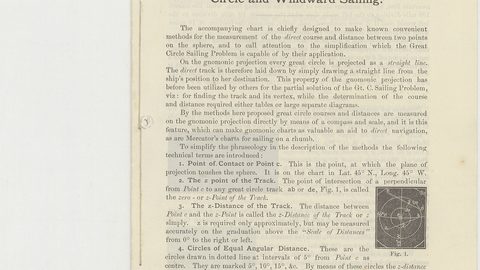 Award Routing Rules, Backtracking and Permitted Mileage
Routing rules are the hidden logic that determines whether your multi-city award is bookable. Understand maximum permitted mileage, backtracking, and why some connections fail.
Award Routing Rules, Backtracking and Permitted Mileage
Routing rules are the hidden logic that determines whether your multi-city award is bookable. Understand maximum permitted mileage, backtracking, and why some connections fail.
-
 The Free One-Way Trick That Adds a Second Trip to a Single Award
United MileagePlus's Excursionist Perk lets you add a free intra-region flight to an international award. Here is exactly how it works and which conditions must be met.
The Free One-Way Trick That Adds a Second Trip to a Single Award
United MileagePlus's Excursionist Perk lets you add a free intra-region flight to an international award. Here is exactly how it works and which conditions must be met.
-
 How to Book One Airline's Seats Using a Different Programme's Miles
The best award seats are usually on a partner airline, not the one whose miles you hold. Learn how to search for and book partner awards across all three alliances.
How to Book One Airline's Seats Using a Different Programme's Miles
The best award seats are usually on a partner airline, not the one whose miles you hold. Learn how to search for and book partner awards across all three alliances.
-
 What to Say When You Have to Book an Award Ticket Over the Phone
Some programmes still require phone bookings for partner awards. Here is the exact information to have ready and what to say when the agent cannot find the space you see.
What to Say When You Have to Book an Award Ticket Over the Phone
Some programmes still require phone bookings for partner awards. Here is the exact information to have ready and what to say when the agent cannot find the space you see.
-
 How Award Holds Work and When to Use One Before Transferring Points
An award hold lets you reserve a seat before your points arrive. Which programmes offer holds, how long they last, and why a hold is not the same as a ticket.
How Award Holds Work and When to Use One Before Transferring Points
An award hold lets you reserve a seat before your points arrive. Which programmes offer holds, how long they last, and why a hold is not the same as a ticket.
-
 What Happens When You Change or Cancel an Award Ticket
A breakdown of what United, American, Aeroplan and Flying Blue actually charge when you change or cancel an award ticket, and how to avoid losing your miles.
What Happens When You Change or Cancel an Award Ticket
A breakdown of what United, American, Aeroplan and Flying Blue actually charge when you change or cancel an award ticket, and how to avoid losing your miles.
-
 Phantom Award Space and Why a Seat Disappears at Payment
Why an award seat can appear in search results and then vanish at the payment step, and how to verify a seat is real before you transfer points.
Phantom Award Space and Why a Seat Disappears at Payment
Why an award seat can appear in search results and then vanish at the payment step, and how to verify a seat is real before you transfer points.
-
 Married Segment Logic and Why Your Award Search Acts Strange
Why a long-haul award seat sometimes appears only when searched as part of a connecting itinerary, and how married segment logic controls what you can book.
Married Segment Logic and Why Your Award Search Acts Strange
Why a long-haul award seat sometimes appears only when searched as part of a connecting itinerary, and how married segment logic controls what you can book.
-
 How Airline Miles Expire and the Cheapest Way to Stop Them
How long miles last in United MileagePlus, American AAdvantage, Aeroplan and Flying Blue, and the cheapest way to reset the clock in each programme.
How Airline Miles Expire and the Cheapest Way to Stop Them
How long miles last in United MileagePlus, American AAdvantage, Aeroplan and Flying Blue, and the cheapest way to reset the clock in each programme.
-
 Earning Airline Miles Without Ever Setting Foot on a Plane
The real ways to earn airline miles at scale: transferable bank points, shopping portals, dining programmes, and hotel transfers, not flying.
Earning Airline Miles Without Ever Setting Foot on a Plane
The real ways to earn airline miles at scale: transferable bank points, shopping portals, dining programmes, and hotel transfers, not flying.
-
 Hotel Points Versus Airline Miles and Where Each One Wins
When hotel points beat airline miles and when transferring Marriott Bonvoy or World of Hyatt points to an airline actually makes sense.
Hotel Points Versus Airline Miles and Where Each One Wins
When hotel points beat airline miles and when transferring Marriott Bonvoy or World of Hyatt points to an airline actually makes sense.
-
 What Airline Elite Status Is Actually Worth and Who Should Skip It
What United Premier, American AAdvantage Elite and Delta Medallion status actually deliver, and why credit card spend rarely gets you the upgrades you expect.
What Airline Elite Status Is Actually Worth and Who Should Skip It
What United Premier, American AAdvantage Elite and Delta Medallion status actually deliver, and why credit card spend rarely gets you the upgrades you expect.
-
 Mileage Runs in the Points Era and Whether They Still Make Sense
Whether flying cheap fares purely to earn United, American or Delta elite status still makes sense now that spend matters more than miles flown.
Mileage Runs in the Points Era and Whether They Still Make Sense
Whether flying cheap fares purely to earn United, American or Delta elite status still makes sense now that spend matters more than miles flown.
-
 How to Add a Positioning Flight Without Losing the Seat
A positioning flight can slash the cash cost of reaching your award departure city, but a separate ticket means the second airline owes you nothing if you misconnect.
How to Add a Positioning Flight Without Losing the Seat
A positioning flight can slash the cash cost of reaching your award departure city, but a separate ticket means the second airline owes you nothing if you misconnect.
-
 Hidden City Ticketing and What You Actually Risk
Hidden-city ticketing can save money but airlines have contract clauses that let them cancel your account, revoke your miles, and ban you from future flights.
Hidden City Ticketing and What You Actually Risk
Hidden-city ticketing can save money but airlines have contract clauses that let them cancel your account, revoke your miles, and ban you from future flights.
-
 How Airline Award Tickets Work and Why Redeeming Is Nothing Like Buying
An award ticket is not a discounted cash fare. Learn why redeeming miles behaves differently and where the seats actually come from.
How Airline Award Tickets Work and Why Redeeming Is Nothing Like Buying
An award ticket is not a discounted cash fare. Learn why redeeming miles behaves differently and where the seats actually come from.
-
 How to Find Award Seat Availability Without Losing a Whole Weekend
A repeatable process for finding real award seat availability across alliances without chasing phantom space or wasting hours.
How to Find Award Seat Availability Without Losing a Whole Weekend
A repeatable process for finding real award seat availability across alliances without chasing phantom space or wasting hours.
-
 Which Award Search Tools Are Worth Using and What Each One Misses
A candid comparison of award search tools including what each one cannot see, so you pick the right tool for your search.
Which Award Search Tools Are Worth Using and What Each One Misses
A candid comparison of award search tools including what each one cannot see, so you pick the right tool for your search.