The Positioning Flight Playbook for Award Travelers
A positioning flight can slash the cash cost of reaching your award departure city, but a separate ticket means the second airline owes you nothing if you misconnect.
Two Tickets Means Two Airlines That Do Not Owe You Anything
You cannot make a positioning flight safe in the way a single ticket is safe. Book a standalone cash flight to reach your award departure city and, if that first leg goes wrong, the airline holding your award seat owes you nothing. American Airlines changed its policy in 2016. Delta and United followed. All three killed interline protection for unconnected bookings. Your award seat vanishes, the miles are gone, and no transfer desk will rebook you for free.
The only thing you control is the gap between arrival and departure. That gap is your buffer. Treat it as the price of the tactic, not an optional suggestion.
| Scenario | Minimum Buffer | Recommended Buffer |
|---|---|---|
| Domestic positioning flight to US hub, same-day international award | A few hours | 6-24 hours |
| International positioning flight to European hub, same-day onward award | A few hours | 6-24 hours |
| High-value award (business class, long haul) with limited backup seats | N/A | Overnight (12-24 hours) |
| Award with frequent same-route frequency and known low load factors | A few hours | 6 hours |
The Luggage Trap and the Bag That Flies Without You
A problem that catches more travellers than the delay itself is the checked bag. On two unconnected tickets, the second airline will not accept your bag at check-in unless the first carrier agreed to forward it, and the three US legacy carriers refuse to do that for distinct bookings. You have two choices: pack everything into a carry-on that meets the strict sizing rules of your positioning carrier, or budget for a hotel night and a bag that cannot make the connection.
European low-cost positioning carriers such as Ryanair, easyJet and Wizz Air include only a small personal item in the base fare. A full-size carry-on costs extra. Factor that into your positioning flight price. If the low-cost flight arrives late and you miss your award, you also lose the bag fee. The cheapest way around this is to book the positioning flight with the same bag-included policy as your award itinerary, even if it costs more.
Three Ways to Cut the Risk
Option one is the overnight buffer. Fly to your award departure city the night before. Pay for a hotel near the airport. That night costs a moderate sum at a major US hub or a similar amount in Europe. Compare that to the cost of losing a long-haul business class award that required a year of planning and a mountain of miles. The hotel is cheaper.
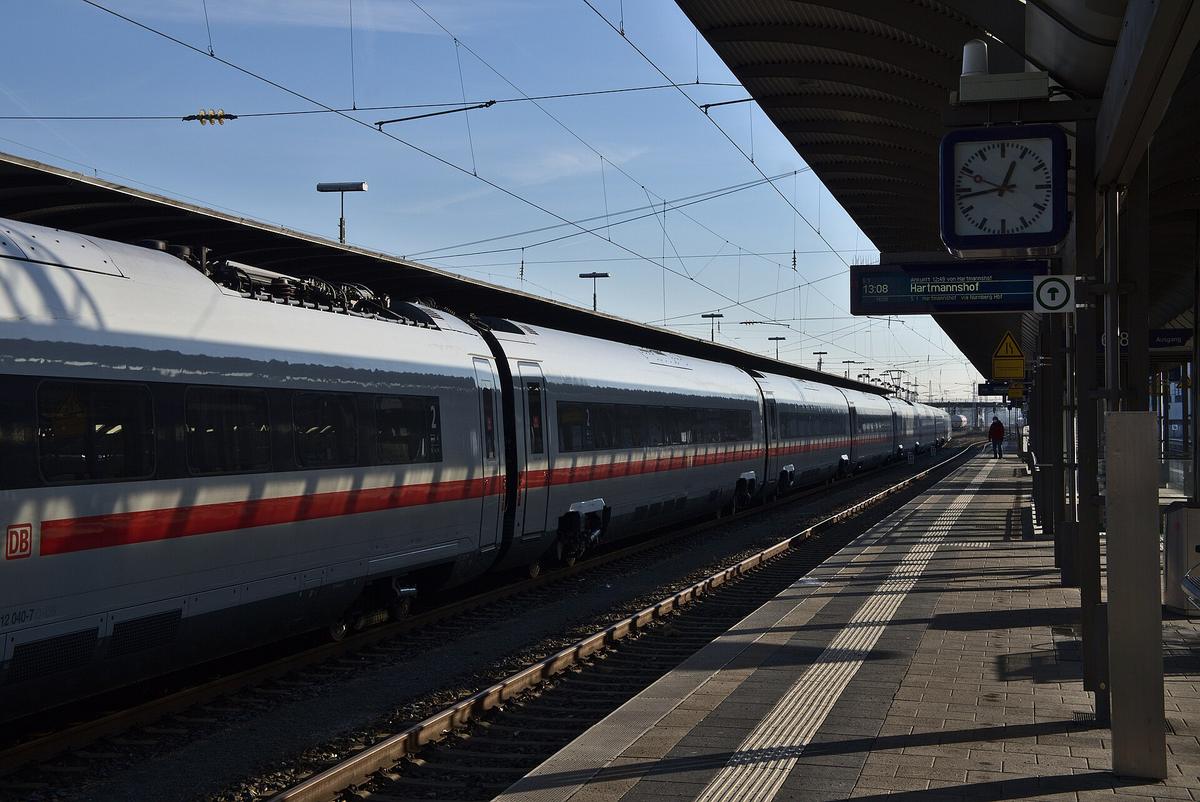
Option two is high-speed rail in Europe. If your positioning leg is between Paris and Frankfurt, or London and Paris, or Brussels and Amsterdam, trains run one to two per hour. Check-in for a train takes two to five minutes. Weather does not ground rail the way it grounds aircraft. From London, a four-hour train radius reaches Paris Charles de Gaulle, Amsterdam Schiphol, Brussels, Frankfurt and Zurich, all major alliance hubs. The same radius from Frankfurt covers six or more hubs. Rail does not count as an unconnected ticket for EU261 protection; the regulation applies independently to each operating carrier on each ticket, so a delayed rail journey does not trigger airline compensation, but it also does not force a costly reissue of your award.
Option three is to use the same programme for both segments if possible. This is not always an option, which brings you to the Excursionist Perk in United MileagePlus.
When a Single Programme Eliminates the Positioning Problem Entirely
United MileagePlus has a rule called the Excursionist Perk. On a round-trip award that includes at least one intercontinental segment, you can add a free intra-region segment that acts as a positioning hop within your destination region. The perk does not cost extra miles. It also does not require a standalone cash ticket. If you are flying from New York to Tokyo and want to continue to Bangkok, the Bangkok segment is free on the same award, not a booking you make on your own.
Air Canada Aeroplan allows stopovers on any award for a modest fee or none, depending on the routing. British Airways Executive Club, through its distance-based Avios pricing, can make short-haul positioning segments cheap enough to book as part of the same award, though the cash surcharges can add up. Alaska Airlines Mileage Plan uses a distance-based chart that sometimes lets you add a flight to a partner hub at no extra cost if it falls within the maximum permitted mileage.
The point is that the safest positioning flight is the one you never book on its own. Check the programme rules before you buy a cash ticket. If the programme can include the hop, use that option.

.jpg)
Award Space Timing and the Backup Plan
Most long-haul business class award space releases at schedule opening, roughly 11 to 12 months out. Book your positioning flight that far ahead, and the odds of a schedule change on the cash ticket are low but not zero. Close in, within 14 days of departure, some airlines release unsold premium cabin seats to partners. That window, T-14, creates a different risk: you cannot book a positioning flight 14 days out at a good price because you do not know exactly where the award will be.
Does the Saving Justify the Risk?
The decision comes down to three variables. The value of the award. The number of alternative seats on the same route. And your ability to absorb a same-day failure.
- If the award is a transatlantic business class ticket priced at a huge pile of miles and you paid a small sum for a positioning flight, the savings relative to the cash price of the seat justify the overnight buffer.
- If the award is a short domestic economy ticket and the positioning flight costs a significant fraction of a direct cash fare, the risk is not worth it. Book a direct cash ticket instead.
- If the route has multiple daily frequencies on the airline holding your award, a same-day buffer of six hours works. If the route has one daily flight at 9am and the next seat is two days out, book the overnight.
Who Should Use a Positioning Flight and Who Should Skip it
This tactic suits solo travellers comfortable with long layovers and overnight hotel stays, people with flexible schedules who can book 11 to 12 months ahead, and anyone whose award is valuable enough that a hotel night and a cheap standalone ticket still beat the cash price of a direct business class fare. It does not suit anyone carrying a credit card balance, anyone travelling with checked luggage on a low-cost positioning carrier, or anyone who needs to arrive on a fixed date with no margin for error. If the award is a domestic economy seat and the positioning flight costs more than 50 percent of a cash ticket, skip the positioning and buy the direct flight.
Common Questions
What happens if my positioning flight is delayed and I miss the award departure?
The airline holding your award ticket will not rebook you for free. You lose the miles and the taxes. Your only recourse is EU261 compensation if the positioning flight departed from an EU airport and was delayed over three hours, but that compensation is cash and does not restore your award.
Can I check my bag through to the final destination on two unconnected tickets?
Not at American, Delta or United. Their policy since 2016 has blocked bag interline on distinct bookings. You must collect your bag at the positioning arrival, clear customs if international, and recheck it on the award ticket. This requires more buffer time, not less.
How do I find award space that lets me start from a better positioned city?
United and Air Canada Aeroplan let you search multi-city origins. American and British Airways also allow this on oneworld. Search from your home airport and from the hub where you would position. If the same award is available from the hub at half the miles, the positioning flight is worth the hotel cost.
Does the Excursionist Perk work on any United award?
Only on a round-trip award that includes at least one intercontinental segment. The free intra-region segment must be entirely within a single region, for example Asia or Europe. It cannot cross regions. It is not available on one-way awards.
Is it safer to position by train or by plane in Europe?
Train. Check-in takes two to five minutes. Trains run one to two per hour on major corridors. Weather delays are rare. The EU261 regulation that protects air passengers does not apply to rail in the same way, but a train that arrives late will still not forfeit an award ticket because you arrive at the airport instead of the plane you missed.
Read next
-
 Fifth Freedom Flights Are the Award Sweet Spot Nobody Searches For
Fifth-freedom flights let you fly a foreign airline between two other countries, and they often have award seats when the airline's own hub routes are sold out.
Fifth Freedom Flights Are the Award Sweet Spot Nobody Searches For
Fifth-freedom flights let you fly a foreign airline between two other countries, and they often have award seats when the airline's own hub routes are sold out.
-
 Every Way Into an Airport Lounge and What Each One Actually Costs You
-
 When a Mileage Upgrade Is the Wrong Way to Spend Miles
Upgrading a paid ticket with miles sounds efficient but the required fare class often costs so much that a straight award booking in the same cabin is cheaper.
When a Mileage Upgrade Is the Wrong Way to Spend Miles
Upgrading a paid ticket with miles sounds efficient but the required fare class often costs so much that a straight award booking in the same cabin is cheaper.
-
 Mistake Fares and Whether an Airline Actually Has to Honour Your Ticket
Mistake fares generate excitement but most airlines cancel them and refund your money, and the US DOT rarely forces them to honour the ticket.
Mistake Fares and Whether an Airline Actually Has to Honour Your Ticket
Mistake fares generate excitement but most airlines cancel them and refund your money, and the US DOT rarely forces them to honour the ticket.