Star Alliance, oneworld, and SkyTeam for Award Redemptions
How Star Alliance, oneworld, and SkyTeam let you earn miles on one airline and redeem them for flights on any member—plus the bilateral deals that matter more.
Star Alliance, Oneworld, and SkyTeam for Award Redemptions
You open a browser tab and search for a flight from Chicago to Tokyo. The cash price for a business class seat is high. You close the tab and open your Turkish Airlines Miles&Smiles account. You transfer Capital One miles into it, pay a small tax bill, and book that same seat on ANA. That is what an airline grouping does. It lets you take the miles from one scheme and spend them on a flight operated by a completely different carrier, as long as both belong to the same coalition.
How the Three Global Networks Work
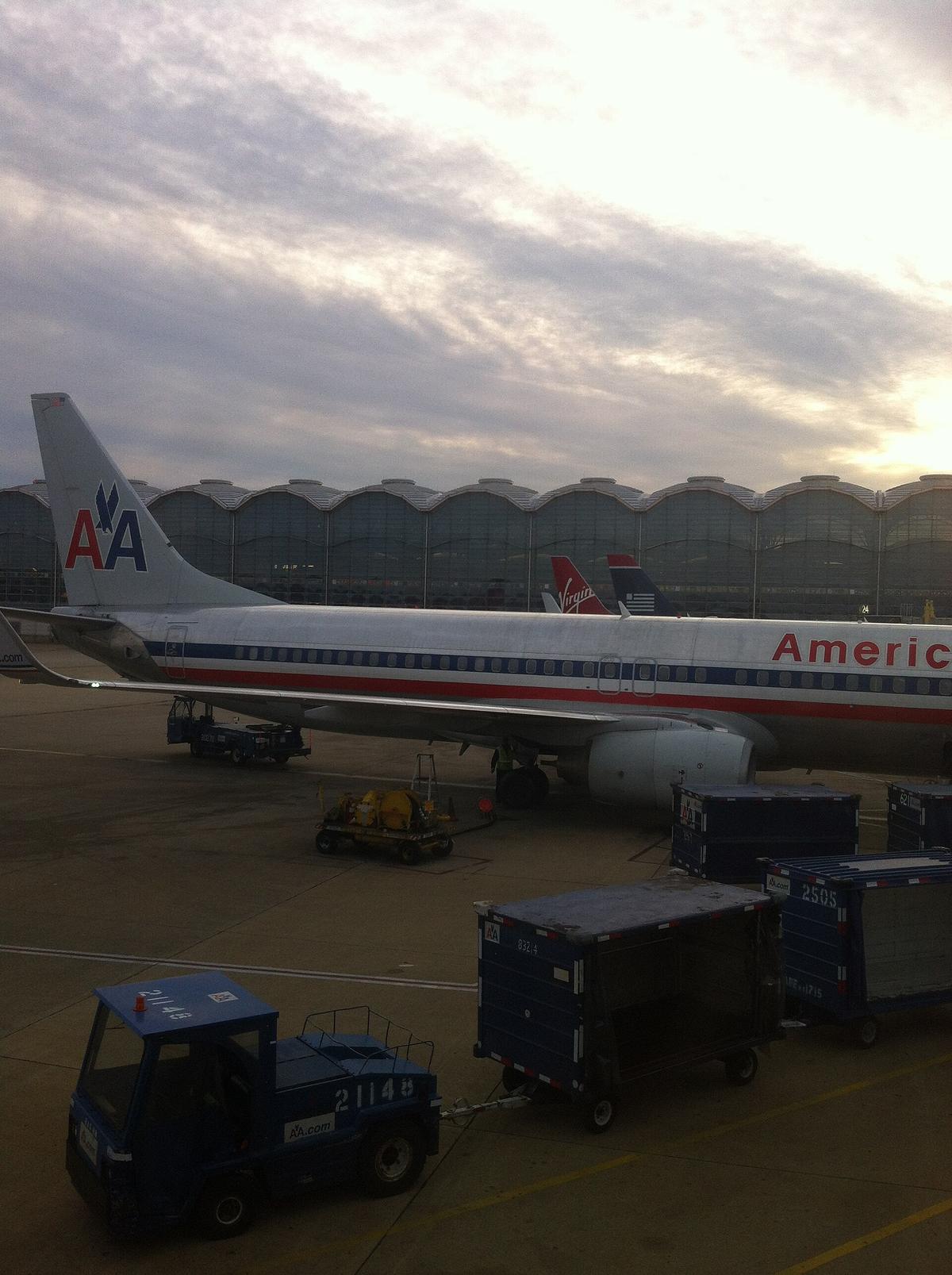
Three global networks connect most of the world's carriers. Star Alliance, founded in 1997, has 26 member airlines including United, ANA, Singapore, Lufthansa and Air Canada. Oneworld, founded in 1999, has 13 members including American, British Airways, Cathay Pacific, Qatar and Japan Airlines. SkyTeam, founded in 2000, has 19 members including Delta, Air France KLM, Korean Air and Virgin Atlantic. The core mechanic is simple. One scheme's miles can book award seats on any member of the same network, subject to the operating airline releasing inventory to that programme. The nuance is that every scheme in a network sets its own price for the same seat. Your job is to pick the programme that charges the least miles and the lowest surcharges for the specific flight you want.
.jpg)
Why the Programme You Book Through Matters More Than the Alliance You Belong to
Being in a network does not mean you can access every award seat the member carriers offer. Each airline controls how many seats it releases to partners and which programmes can see them. Delta blocks most of its premium cabin seats from SkyTeam partners. That leaves you with two paths. One is to find a programme inside the network that uses a low, fixed award chart for partner bookings. The other is to use a bilateral partnership that sits outside the network entirely but offers better inventory access.
Star Alliance: Fixed Charts and No Fuel Surcharges
Star Alliance is the strongest network for low partner redemption rates because multiple programmes still use published charts. Turkish Airlines Miles&Smiles charges a low fixed rate for a one way business class ticket between North America and anywhere in the Star Alliance network except Europe and Asia 1. That gets you on ANA, EVA Air, Air New Zealand or Singapore Airlines. Avianca LifeMiles charges a different fixed rate for the same North America to Asia business class on ANA or EVA, and they sell miles in frequent promotions at a small fraction of the cash price of a ticket. Air Canada Aeroplan uses a zone based chart with stopovers permitted. United MileagePlus uses dynamic pricing on its own metal but still offers partner awards at a fixed rate. None of these programmes add fuel surcharges on Star Alliance partner awards, so your cash outlay stays low on most itineraries.
Oneworld: Distance Based Currencies and Alaska's Edge
Oneworld has a different structure. British Airways and Iberia both use Avios, a distance based currency. Short haul redemptions in economy are excellent. A domestic hop on American or Alaska costs a small number of Avios plus minimal taxes. Long haul premium cabin awards on Cathay Pacific, Qatar or Japan Airlines price higher. The real power in oneworld is Alaska Airlines Mileage Plan. Alaska is a oneworld member, but it also maintains individual partnerships with several non alliance carriers like Cathay Pacific, Singapore Airlines and Starlux. Its distance based chart gives some of the best rates in the industry for long haul business class. A one way business class from North America to Asia on Cathay Pacific or Japan Airlines costs a competitive number of Alaska miles with no fuel surcharges. That is lower than what most oneworld programmes charge for the same seat.
SkyTeam: Two Programmes That Changed the Game
SkyTeam was historically the weakest network for award redemptions, but it has improved through two programmes. Air France KLM Flying Blue runs a monthly Promotion, Promo Rewards, that discounts specific routes by 25 to 40 percent. Flying Blue charges no close in fees and sells miles during transfer bonus events. Virgin Atlantic Flying Club offers a low rate for Delta transatlantic flights. You can book a Delta one way from the US East Coast to Europe in business class for a competitive number of Virgin points, depending on the season. That rate beats booking directly through Delta SkyMiles by a wide margin.
When Bilateral Partnerships Beat Alliance Rules
The three networks are not the only system you can use. Some of the best redemptions in the world run over bilateral agreements that connect carriers from different coalitions or no coalition at all. Emirates is not in a network, but it partners directly with Air Canada Aeroplan. Air Canada Aeroplan can book Emirates first class from New York to Dubai for a fixed number of points one way, no fuel surcharges. That is a better deal than any SkyTeam or oneworld programme offers for a comparable flight.
Cross-Network Pacts That Unlock Premium Cabins
Virgin Atlantic Flying Club has bilateral partnerships with ANA and Air France KLM. That lets you book ANA first class from North America to Tokyo for a set number of Virgin points one way, a redemption that is impossible through any network programme. Qantas partners with Emirates, so you can book Emirates awards using Qantas points despite the two carriers belonging to different alliances. Alaska Airlines has individual pacts with Cathay Pacific, Singapore Airlines, Fiji Airways and Starlux. These non alliance partners release more seats to Alaska than they do to their own network partners.
The failure case works the same way. If you search for a flight on a partner and nothing appears, that does not mean the flight is full. It means that programme does not have access to seats on that carrier for that date. Try a different programme within the same network. Or try a bilateral partner that has a different inventory agreement. Multiple programmes, multiple searches. That is the procedure.
How to Pick the Right Programme for the Seat You Want
You do not pick a programme and then search for where it can take you. You pick a destination and a flight, find out who operates it, and then look up which partner programmes can book that operator at a low rate. The tools for that are Seats.aero and PointsYeah. Both let you search by airline and see which partner programmes have award space in which cabin, and at what price. Use this method.
- Identify the operating carrier. Use Google Flights to find nonstop flights on your route and note the airline and flight number.
- Check which networks or bilateral partners that carrier belongs to. ANA is in Star Alliance but also has a bilateral with Virgin Atlantic. Cathay Pacific is in oneworld but also releases seats to Alaska Airlines.
- Search each partner programme that has a low award chart for that carrier. Do not search the operating carrier's own programme. Its dynamic pricing will charge more than the partners with fixed charts.
- Compare miles cost and cash surcharges. Turkish and Avianca for ANA. Alaska and British Airways for Cathay. Flying Blue and Virgin for Delta. Aeroplan for Emirates. Each pairing has a winner and a loser.
- Move your transferable bank points to the winning programme. American Express, Chase, Citi, Capital One and Bilt all transfer to multiple airlines. Do not transfer speculatively. Wait until you see the seat and can confirm the price.
The Phone Call Problem
The hardest part is not the transfer. It is the phone call. Turkish Airlines and ANA both require you to call their award desks to book partner awards. The agents vary wildly in competence. If you call Turkish and the agent cannot find the space that you saw on Seats.aero, hang up and call again. It is routine to need three or four calls. Avianca and Flying Blue let you book online, which eliminates the agent variable.

A Practical Note on Effort and Timing
This system works best for people who can plan 11 to 12 months ahead. That is when most airlines release partner award seats. If you want to travel during Christmas school holidays to Tokyo, you book it in January for the following December. If you have flexible dates or can book within 14 days of departure, airlines release unsold premium cabin seats to partners at the last minute. That is called close in availability. Seats.aero is the tool for that search.
Do not collect miles and wait for inspiration. The programmes will devalue their charts on their own schedule while your balance sits idle. Decide where you want to go. Research which partner programme can book that operator at the lowest rate. Earn or transfer the miles only after you confirm the seat exists. That order of operations is the difference between a page that works and a page that frustrates.
The Honest Caveat
None of this matters if you carry a credit card balance. The interest charges will exceed the value of any miles you earn. None of this matters if you need to fly on specific peak dates with no flexibility. The partner award seats on those dates are gone within hours of release. And none of this works if you refuse to spend the time learning which programmes do what. The house always wins. The programmes devalue deliberately and often. The people who succeed are not the ones who fly the most. They are the ones who understand the structure well enough to use it once, correctly, and then move on.
Common Questions
Can I earn miles on one airline and redeem them on another within the same alliance?
Yes. That is the core function of a network. You earn miles on any member airline and redeem those miles for award seats on any other member, subject to the operating carrier releasing inventory to your programme.
Why does the same business class seat cost different miles amounts on different programmes?
Each programme sets its own award chart for partner redemptions. Turkish Airlines might charge a low fixed rate for a seat that United charges far more for. The operating carrier earns the same money either way. Your choice of programme determines the price.
What do I do when a search shows a seat but the booking fails?
That is phantom availability. Do not try the same programme again. Search a different partner programme that also books the same operating carrier. If ANA space fails through Avianca, try Turkish or Aeroplan. Different programmes have different ticketing systems.
Do I need elite status to book partner award seats?
No. Anyone with miles can book a partner award seat. Elite status affects priority and lounge access on the day of travel, but it does not affect the miles price or the availability of the seat when you book.
Read next
-
 Fifth Freedom Flights Are the Award Sweet Spot Nobody Searches For
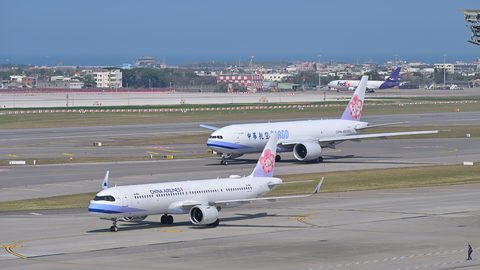
Fifth-freedom flights let you fly a foreign airline between two other countries, and they often have award seats when the airline's own hub routes are sold out.
Fifth Freedom Flights Are the Award Sweet Spot Nobody Searches For
Fifth-freedom flights let you fly a foreign airline between two other countries, and they often have award seats when the airline's own hub routes are sold out.
-
 Every Way Into an Airport Lounge and What Each One Actually Costs You
-
 When a Mileage Upgrade Is the Wrong Way to Spend Miles
Upgrading a paid ticket with miles sounds efficient but the required fare class often costs so much that a straight award booking in the same cabin is cheaper.
When a Mileage Upgrade Is the Wrong Way to Spend Miles
Upgrading a paid ticket with miles sounds efficient but the required fare class often costs so much that a straight award booking in the same cabin is cheaper.
-
 Mistake Fares and Whether an Airline Actually Has to Honour Your Ticket
Mistake fares generate excitement but most airlines cancel them and refund your money, and the US DOT rarely forces them to honour the ticket.
Mistake Fares and Whether an Airline Actually Has to Honour Your Ticket
Mistake fares generate excitement but most airlines cancel them and refund your money, and the US DOT rarely forces them to honour the ticket.