Choosing Between Beijing and Xi'an When History Is the Point
Beijing and Xi'an both claim imperial history, but they offer fundamentally different experiences of China's past and demand different priorities.
Choosing Between Beijing and Xi’an When History is the Point of the Trip
Which Centuries Are You Chasing?
Beijing owns the imperial endgame. Xi’an rules everything before that. Which one you choose depends entirely on which centuries you are chasing. The dust in Xi’an hits differently. It swirls up from the path around the city wall, dry and ancient, mixing with the smell of cumin from a Muslim Quarter skewer stall. In Beijing, the dust is construction grit. You notice it on a cold morning at Jingshan Park, looking down at the Forbidden City roofs while a jackhammer starts two blocks away. Both are historical cities. But they do not offer history the same way.
| Axis | Beijing | Xi’an |
|---|---|---|
| Dominant Eras | Ming (1368–1644) and Qing (1644–1912) dynasties | Qin (221–206 BCE) and Tang (618–907 CE) dynasties |
| Signature Site | Forbidden City: 980 buildings, 3–4 hours minimum, book 7 days ahead | Terracotta Warriors: 8,000 life-size figures in three pits, 1½ hours from city centre |
| Scale Feel | Monumental and curated. Vast distances between sites. Crowded. | Compact and embedded. City wall encloses the old core. Walkable. |
| Street-Level History | Hutongs in Dongcheng and Xicheng, but bulldozed in chunks | Muslim Quarter alleys have been lived in continuously since the Tang period |
| Food as History | Imperial court cuisine at Fangshan Restaurant in Beihai Park; Peking duck since the Yuan period | Biangbiang noodles and lamb paomo from the Song period; Silk Road spice legacy |
| Minimum Days for Depth | 4 full days | 3 full days |
| Logistical Drain | High. Metro transfers involve 10–15 minute walks. Stations close 22:30–23:00. | Moderate. Most sights are within or just outside the city wall. Taxis are cheap. |
| Crowd Intensity at Peak | 2-hour queues at Forbidden City in summer; crushing during National Day first week | Terracotta Warriors is relentless but you are through in 2 hours. The city wall absorbs crowds. |
Beijing: the Imperial Endgame
Book the Forbidden City a Week Ahead
Beijing is not subtle about power. The Forbidden City is a statement written in vermilion walls and gold tile: the emperor was the centre of the world, and you walked a long way to reach him. The axis from Tiananmen Square through the Meridian Gate to the Hall of Supreme Harmony is the longest ceremonial approach in China. It takes 30 minutes just to get from the ticket gate to the first major hall. And that is before you hit the Palace of Heavenly Purity, the Imperial Garden, or the clock gallery. The site demands 3 to 4 hours. Anyone who tries to do it and the Great Wall in the same day is photographing the entrance and leaving. Don't do that.
Move Around the City Without Burning Out
The scale exhausts even prepared travellers. Distances between sights are vast. A "nearby" hutong on the map turns out to be a 30-minute walk across a 10-lane road with no crossing point. The metro is the backbone, clean and signed in English, but station transfers involve underground walks of 10 to 15 minutes, and the system stops around 22:30 to 23:00 depending on the line. Get a Yikatong card or Alipay transport QR code. Single-ticket machines exist but the queues run long.
Commit a Full Day to the Wall
The Great Wall is not in Beijing. It is 1.5 hours away at Mutianyu, or 2.5 hours at Jinshanling for a semi-wild hike. Jiankou is wild and unrestored, and technically illegal to climb. Dangerous. Book Mutianyu ahead. Bring water. The wall is a full-day expedition, not a side stop.
Eat What the Emperor Ate
Beijing's food history is specific. Roast duck at Quanjude is the historic name, but locals prefer Siji Minfu. Book ahead at both. Zhajiangmian, hand-pulled noodles with fermented soybean paste, comes from hutong hole-in-the-wall shops. Douzhi, a fermented mung bean drink, is an acquired grey-green taste found at Huguosi Xiaochi. Imperial court cuisine at Fangshan Restaurant in Beihai Park recreates Qing banquet dishes. That is the only place in the city where you eat what the emperor ate.
Carry Soap and a Written Address
On the friction side: cash is nearly useless. Vendors expect WeChat Pay or Alipay. Foreign cards fail unpredictably even where accepted. Public toilets in tourist sites and hutongs are squat-style with no soap or toilet paper. Carry both. Taxi drivers rarely speak English and may refuse short fares. Have your destination written in Chinese characters. Air quality can hit hazardous levels from November to February with less than 24 hours' notice. The city is a collision of imperial grandeur and brusque modernity where history gets bulldozed overnight, yet pockets of hutong life persist with genuine warmth.

Xi’an: the Deeper Past
Stand at the Edge of Pit 1
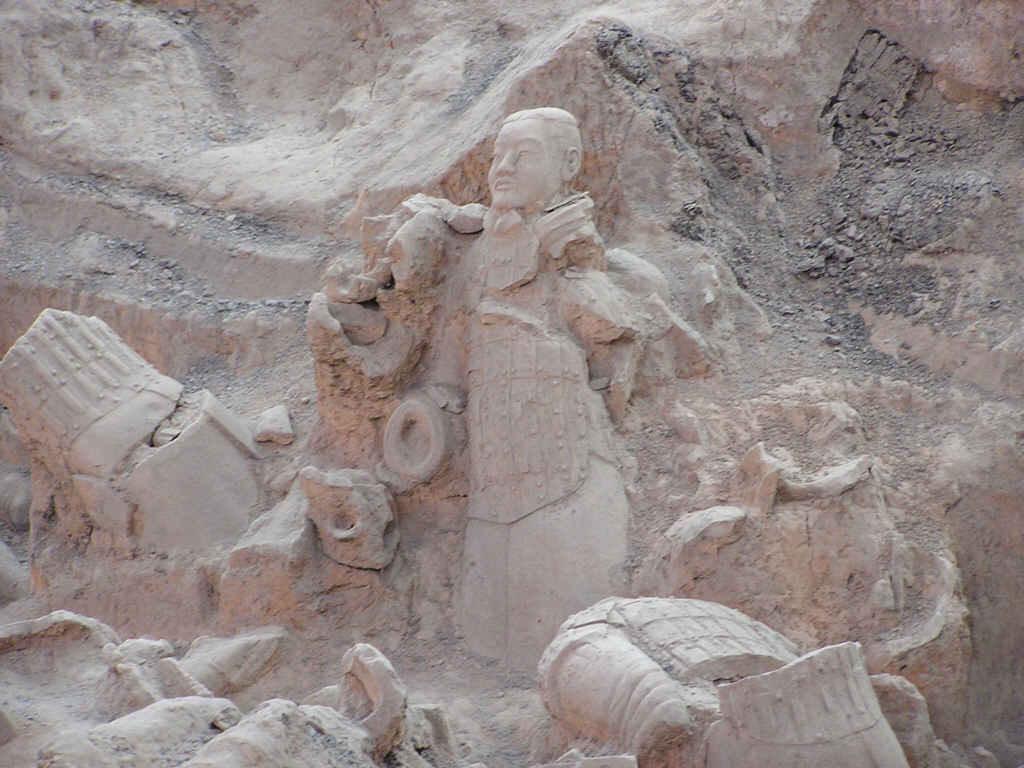
Xi'an reaches further back. The Terracotta Warriors date from the Qin period. They were not meant to be seen. They were buried, an army for the afterlife, and the farmer who found them in 1974 was digging a well. The site is 1.5 hours from the city centre by public bus or taxi. It is crowded. But once you stand at the edge of Pit 1 and see the ranks of life-sized soldiers, each with a different face, the crowd drops away. You are looking at silence.
Ride the Wall, Then Eat in the Alleys
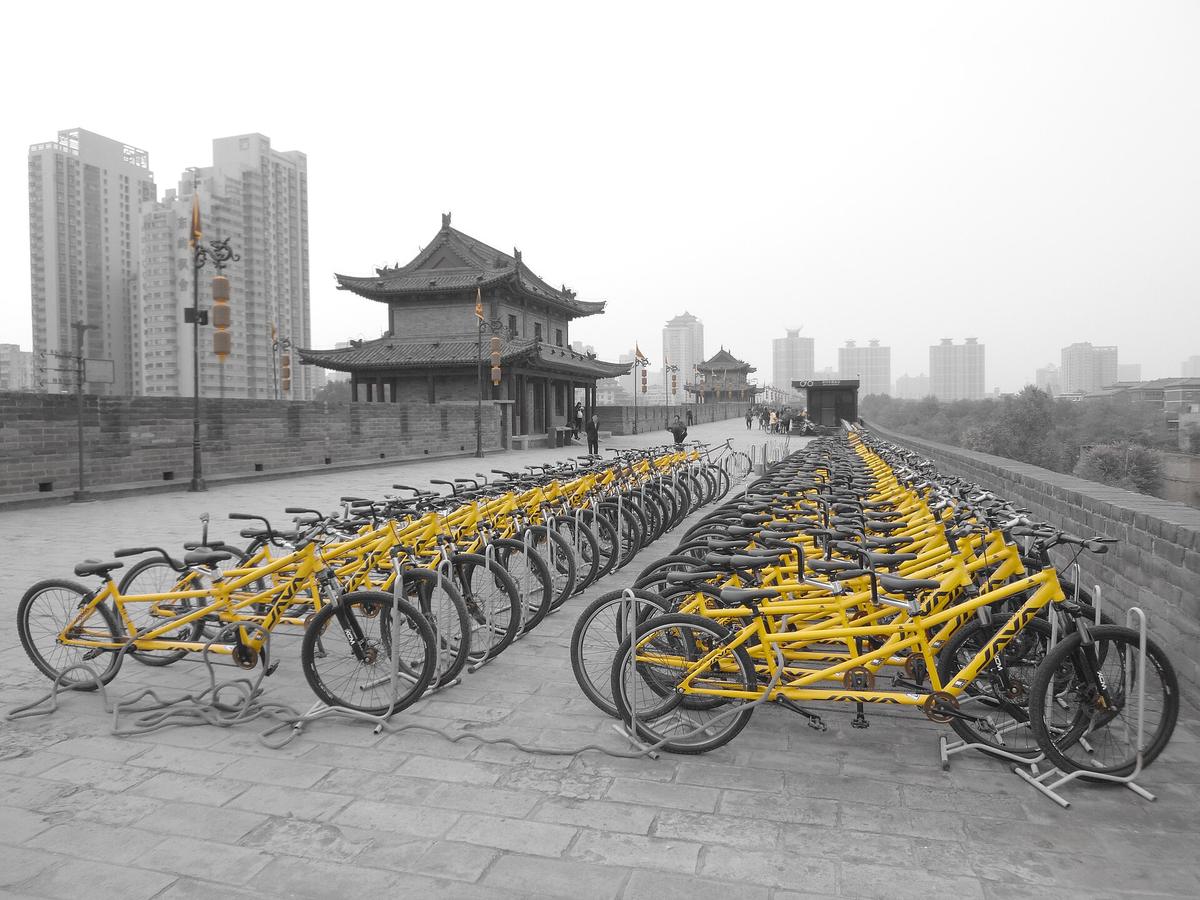
The Tang golden age lives in the city wall, which encloses the old core and is the most complete city wall in China. Rent a bicycle and ride the entire 14-kilometre circuit in 90 minutes. Below it, the Muslim Quarter has been lived in continuously since the Tang period. Its alleys are narrow, loud, and delicious. Lamb skewers, biangbiang noodles, and yangrou paomo (lamb soup with flatbread) are the legacy of Silk Road trade. The food is street history, uncurated, messy, and better for it.
Pack Three Sights Into One Day
Xi'an is more compact than Beijing. Most sights sit within or just outside the wall. The Big Wild Goose Pagoda dates from the Tang period. The Shaanxi History Museum holds Tang artifacts that rival the National Museum in Beijing. The Drum and Bell Towers anchor the centre. The logistical drain is moderate, not severe. Walk the wall in the morning, eat lunch in the Muslim Quarter, and visit the museum in the afternoon without collapsing. Minimum time for depth is 3 days, not 4.
Worth it if
- Beijing is unrivalled for Ming and Qing imperial architecture. The Forbidden City, Temple of Heaven, and Summer Palace are the best-preserved imperial sites in China.
- Xi'an has the Terracotta Warriors, a UNESCO site with no equivalent in Beijing. The Tang Buddhist pagodas and Silk Road food culture are entirely its own.
- Xi'an's city wall and Muslim Quarter let you experience history embedded in daily life, not cordoned off behind ticket gates.
- Beijing's food scene includes imperial court cuisine at Fangshan and roast duck traditions that Xi'an cannot match.
- Beijing gives you the Great Wall. Xi'an gives you the Terracotta Warriors. You cannot do both on one trip without significant travel.
Skip it if
- Beijing's logistical friction is extreme. The distances, the crowd density at every major site, and the metro closures at 22:30–23:00 wear you down by day three.
- Xi'an lacks the concentrated imperial power that Beijing delivers. The Forbidden City is unmatched in scale and grandeur anywhere in China.
- Beijing can feel like a construction site with history attached. Xi'an's old core is more intact and easier to navigate.
- Xi'an's Terracotta Warriors are a one-sight destination. After that, the city offers excellent Tang sites but nothing that shifts your understanding of Chinese imperial power the way the Forbidden City does.
- Beijing's air quality is hazardous in winter. Xi'an has its own pollution but the seasons are less punishing.

The Honest Caveat
Neither city is pure history. Beijing bulldozes hutongs overnight for luxury towers. Xi'an's Muslim Quarter gets louder and more commercial every year. The China you imagine before you arrive does not exist. It never did. Both cities are living, complicated, and flawed. If you want an untouched historical theme park, go to Kyoto. If you want to stand where an emperor stood, or where a Qin warrior was buried, then pack your patience alongside your passport.
Read next
-

 China Visa-Free Transit and Unilateral Entry Rules Explained
China visa-free transit and unilateral entry rules change often. Here is how they work now, who qualifies, and what breaks a stay.
China Visa-Free Transit and Unilateral Entry Rules Explained
China visa-free transit and unilateral entry rules change often. Here is how they work now, who qualifies, and what breaks a stay.
-
 Cash to Cashless in China What First-Timers Must Set Up
China runs on Alipay and WeChat Pay, and cash is often refused. Set up both with a foreign card before you land or risk being stranded.
Cash to Cashless in China What First-Timers Must Set Up
China runs on Alipay and WeChat Pay, and cash is often refused. Set up both with a foreign card before you land or risk being stranded.
-
 Will Google, WhatsApp and Maps Actually Work on a China eSIM
A China eSIM solves data but not the firewall. Here is what actually works for Google, WhatsApp and Maps and why a VPN still matters.
Will Google, WhatsApp and Maps Actually Work on a China eSIM
A China eSIM solves data but not the firewall. Here is what actually works for Google, WhatsApp and Maps and why a VPN still matters.
-
 How to Book China High-Speed Rail as a Foreigner
China high-speed rail is the best way between cities, but booking and boarding as a foreigner means passports, Chinese signs and buffer time.
How to Book China High-Speed Rail as a Foreigner
China high-speed rail is the best way between cities, but booking and boarding as a foreigner means passports, Chinese signs and buffer time.
-
 China Public Holidays and What They Do to Travel
China's national holidays trigger massive domestic travel, sold-out trains, and packed sights. Here's when they fall and how to plan around them.
China Public Holidays and What They Do to Travel
China's national holidays trigger massive domestic travel, sold-out trains, and packed sights. Here's when they fall and how to plan around them.
-
 China Plugs Voltage and What to Actually Pack
China runs on 220V with three possible plug types. Here's exactly what adapter to pack and which devices need a voltage converter.
China Plugs Voltage and What to Actually Pack
China runs on 220V with three possible plug types. Here's exactly what adapter to pack and which devices need a voltage converter.
-
 Beijing
 rewards history obsessives and solo travellers who can handle crowds, distances and friction. Here is how to decide if it fits you.
Beijing
Beijing rewards history obsessives and solo travellers who can handle crowds, distances and friction. Here is how to decide if it fits you.
-
 Fifth Freedom Flights Are the Award Sweet Spot Nobody Searches For
Fifth-freedom flights let you fly a foreign airline between two other countries, and they often have award seats when the airline's own hub routes are sold out.
Fifth Freedom Flights Are the Award Sweet Spot Nobody Searches For
Fifth-freedom flights let you fly a foreign airline between two other countries, and they often have award seats when the airline's own hub routes are sold out.
-
 Every Way Into an Airport Lounge and What Each One Actually Costs You